JeepParts
My Garage
My Account
Cart
OEM Dodge Grand Caravan Power Steering Pump
Power Steering Pump Unit- Select Vehicle by Model
- Select Vehicle by VIN
Select Vehicle by Model
orMake
Model
Year
Select Vehicle by VIN
For the most accurate results, select vehicle by your VIN (Vehicle Identification Number).
8 Power Steering Pumps found
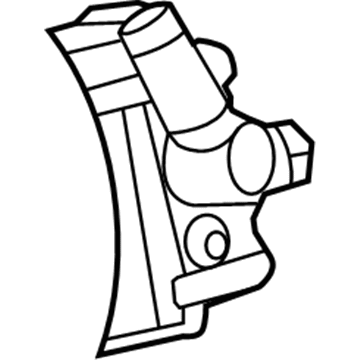
Dodge Grand Caravan Power Steering Pump Part Number: 5151727AD
$300.56 MSRP: $454.00You Save: $153.44 (34%)Ships in 1-2 Business Days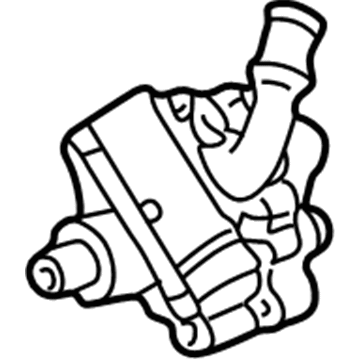
Dodge Grand Caravan Power Steering Pump Part Number: 4743060AE
$260.78 MSRP: $394.00You Save: $133.22 (34%)Ships in 1-3 Business Days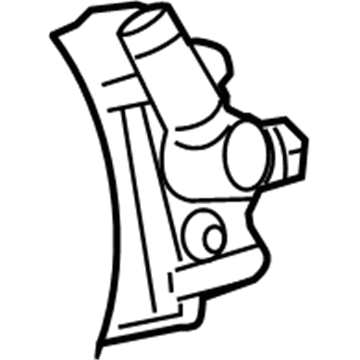
Dodge Grand Caravan Power Steering Pump Part Number: 4721439AB
$879.58 MSRP: $1330.00You Save: $450.42 (34%)Ships in 1-2 Business Days
Dodge Grand Caravan Power Steering Pump Part Number: 5274131
Dodge Grand Caravan Power Steering Pump Part Number: 4684158AC
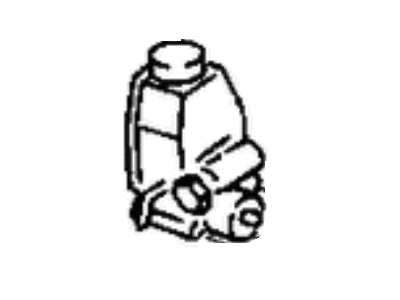
Dodge Grand Caravan Power Steering Pump Part Number: 4470314
Dodge Grand Caravan Power Steering Pump Part Number: 4470266
Dodge Grand Caravan Power Steering Pump Part Number: R5274132
Dodge Grand Caravan Power Steering Pump
Choose OEM Power Steering Pump that meet Dodge factory standards. Dodge designs and tests every component for precision and durability. Each Power Steering Pump follows strict manufacturing steps to lock in quality and fit. If your Dodge Grand Caravan matters to you, OEM parts make the smart choice. You'll get the exact look, feel, and performance you expect. Shop genuine Grand Caravan parts at the highly competitive prices online. Enjoy a manufacturer's warranty, a hassle-free return policy, and rapid delivery. No more guesswork with off brands. Get genuine parts with exact fit and true factory performance. Shop with confidence today at JeepPartsDeal.com.
The Power Steering Pump as used in Dodge Grand Caravan is vital in the conversion of engine energy to hydraulic energy which simplifies the task of steering. This pump works in a way that creates fluid pressure which helps the driver to control the vehicle at slow moving or even when the car is stationary. The pump is generally employed via the engine crankshaft using a V-belt or a serpentine belt accompanied by a fluid tank often of a combined or separate nature. Dodge Grand Caravan models have used hydraulic power steering and in each of them the connection from the steering wheel to wheels is mechanical because steering manually is possible even if power system does not work. Some of the car models today use electric power steering but Dodge Grand Caravan is equipped with hydraulic systems required in providing steering power. Some of the problems associated with Power Steering Pump include leaks, noises or fluctuating power supply, which may require inspection or replacement, to offer the optimum level of performance.
Dodge Grand Caravan Power Steering Pump Parts and Q&A
- Q:How to Service and Repair a Power Steering Pump for a 3.3L/3.8L Engine on Dodge Grand Caravan?A:Make sure the car battery is not draining by first removing the negative cable and placing it to the side. Detach the wiper module and lift the vehicle to find the Drive Belt splash shield. Lift up the pressure hose bracket bolt and lower your vehicle before opening the reservoir and removing its cap. Pump out as much liquid as possible with a siphon pump and next disconnect the pump from both the pressure hose and the fluid supply hose. Remove the three bolts connecting the pulley to the front, grab the pump and gently tilt it across the aluminum bracket to get it free. Cut the printed pulley while it is still on the pump shaft using No. 400S drill bits and a cutting wheel. Should the pulley be bent, cracked or unfastened, you should replace it. Use Installer C-4063 to install the pulley aligned with the pump shaft and once attached, flush with the end of the shaft. After that, put the power steering pump back into place in the vehicle. During installing, put on the pump in the exact sequence of removal and then anchor it by screwing the three front bolts to 54 Nm (40 ft. lbs.). Check the O-ring of the power steering pressure hose for any damages and change it if any is noticed. Screw the output end of the fluid pressure line into the pump, but leave the tube nut just loose enough for now. Then, screw the fluid supply hose end onto the pump, keeping the hose clamp in place. Bring the car up higher to clip the pressure hose's routing bracket, secure it and then install the Serpentine Belt and its cover over the belt. Reduce the vehicle's suspension and then tighten the pressure line to the pump pressure fitting tube nut nut to 31 Nm (275 inch lbs.). After reinstalling the wiper module, connect the negative battery cable, fill the power steering system, bleed it and check for any leaks.
- Q:How to Install a Power Steering Pump on a 3.3L/3.8L Engine on Dodge Grand Caravan?A:For a 3.3L/3.8L engine, set the pump into place and use three bolts to hold it down, tightening them to 23 Nm (17 ft. lbs.) at the openings on the pulley. After that, install the accessory Drive Belt. Put a new O-ring on the hose end and dampen it with clean power steering fluid before joining the hose to the pump. Put the pressure hose into the pump fitting, turn it around the thread to support it and tighten the tube nut to 31 Nm (23 ft. lbs.). First, slide the hose onto the fitting on the pump and then grab a clamp to hold it firmly in place. Link the negative battery cable to the negative battery post following this and only now should you start the power steering bleeding process. Also, check for leaks when you finish your inspection.
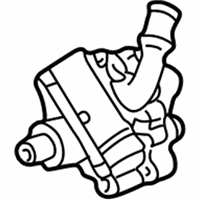
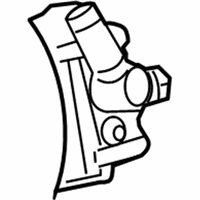
Related Dodge Grand Caravan Parts
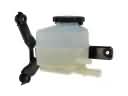 Dodge Grand Caravan Power Steering Reservoir
 Dodge Grand Caravan Rack And Pinion
 Dodge Grand Caravan Drag Link
 Dodge Grand Caravan Power Steering Hose
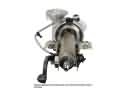 Dodge Grand Caravan Steering Column
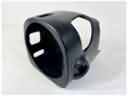 Dodge Grand Caravan Steering Column Cover
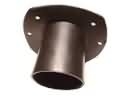 Dodge Grand Caravan Steering Column Seal
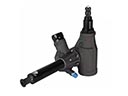 Dodge Grand Caravan Steering Gear Box
 Dodge Grand Caravan Steering Shaft
 Dodge Grand Caravan Tie Rod
 Dodge Grand Caravan Tie Rod Bushing
 Dodge Grand Caravan Tie Rod End