JeepParts
My Garage
My Account
Cart
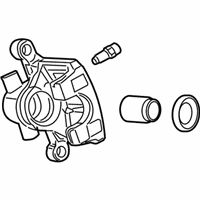
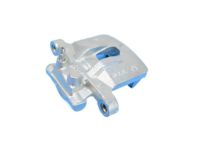
OEM Jeep Compass Brake Caliper
Caliper- Select Vehicle by Model
- Select Vehicle by VIN
Select Vehicle by Model
orMake
Model
Year
Select Vehicle by VIN
For the most accurate results, select vehicle by your VIN (Vehicle Identification Number).
14 Brake Calipers found
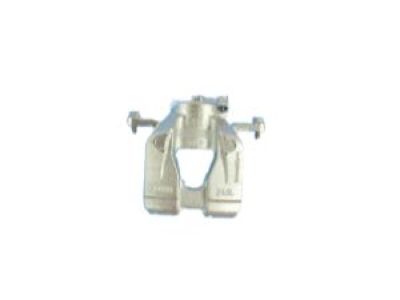
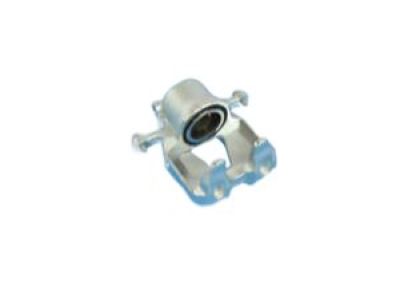
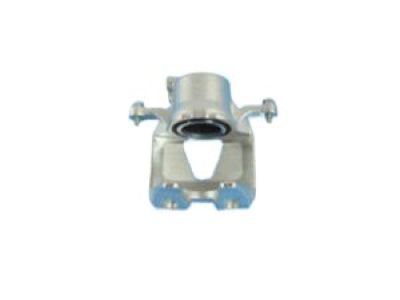
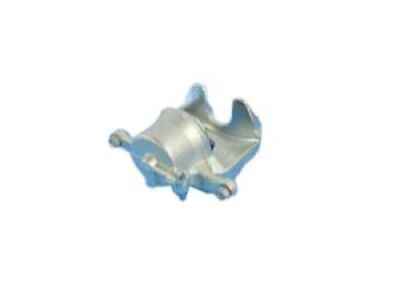
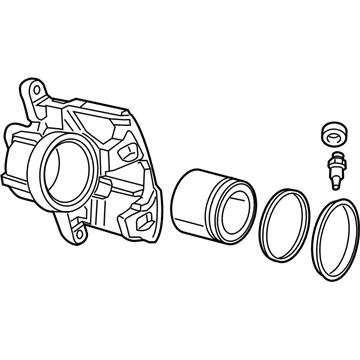
Jeep Compass Caliper, Front Driver Side Part Number: 68443751AA
$243.46 MSRP: $340.00You Save: $96.54 (29%)Ships in 1-2 Business Days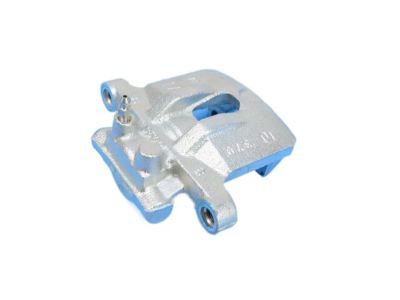
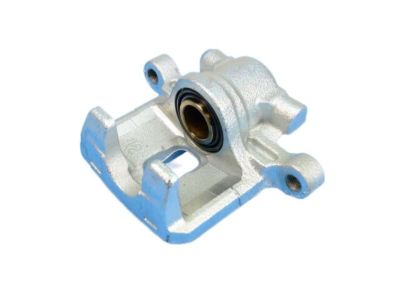
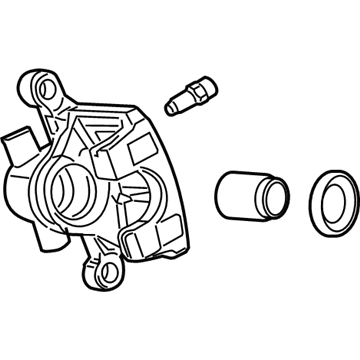
Jeep Compass Caliper, Rear Passenger Side Part Number: 5191268AA
$87.45 MSRP: $132.00You Save: $44.55 (34%)Ships in 1-2 Business Days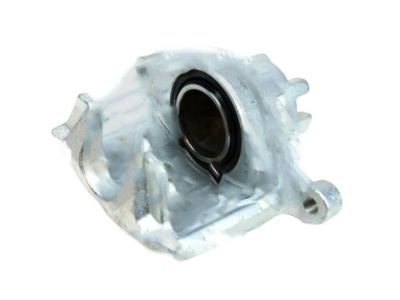
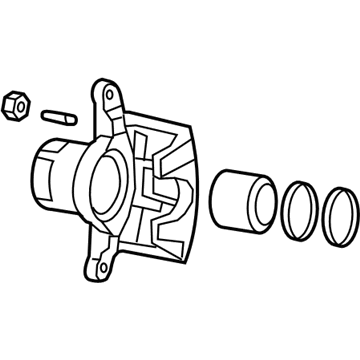
Jeep Compass Caliper, Front Driver Side Part Number: 5191239AA
$118.61 MSRP: $178.00You Save: $59.39 (34%)Ships in 1-2 Business DaysJeep Compass Caliper, Rear Driver Side Part Number: 5191267AA
$61.06 MSRP: $132.00You Save: $70.94 (54%)Ships in 1-2 Business DaysJeep Compass Caliper, Front Passenger Side Part Number: 5191238AA
$123.07 MSRP: $185.00You Save: $61.93 (34%)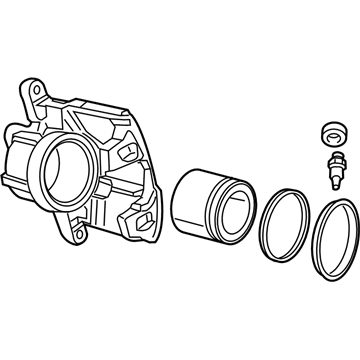

Jeep Compass Caliper, Front Driver Side Part Number: 68346907AB
$172.13 MSRP: $257.00You Save: $84.87 (34%)Jeep Compass Caliper, Front Passenger Side Part Number: 68346906AB
$172.13 MSRP: $257.00You Save: $84.87 (34%)Ships in 1-2 Business Days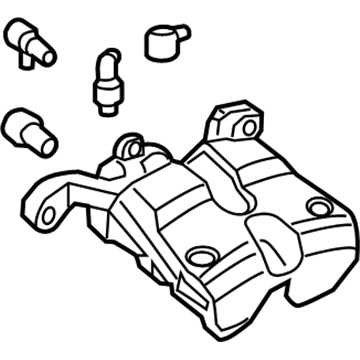
Jeep Compass Caliper, Rear Passenger Side Part Number: 68338708AA
$186.63 MSRP: $279.00You Save: $92.37 (34%)Ships in 1-2 Business DaysJeep Compass Caliper, Rear Driver Side Part Number: 68338709AA
$189.97 MSRP: $284.00You Save: $94.03 (34%)Ships in 1-2 Business DaysJeep Compass Caliper, Rear Driver Side Part Number: 68519248AA
$182.48 MSRP: $275.00You Save: $92.52 (34%)Jeep Compass Caliper, Rear Passenger Side Part Number: 68020252AB
$108.73 MSRP: $145.00You Save: $36.27 (26%)Ships in 1-2 Business DaysJeep Compass Caliper, Rear Passenger Side Part Number: 68519247AA
$176.35 MSRP: $264.00You Save: $87.65 (34%)Jeep Compass Caliper, Rear Driver Side Part Number: 68020261AB
$126.18 MSRP: $188.00You Save: $61.82 (33%)Jeep Compass Caliper, Front Passenger Side Part Number: 68443750AA
$227.73 MSRP: $340.00You Save: $112.27 (34%)
Jeep Compass Brake Caliper
Choose OEM Brake Caliper that meet Jeep factory standards. Jeep designs and tests every component for precision and durability. Each Brake Caliper follows strict manufacturing steps to lock in quality and fit. If your Jeep Compass matters to you, OEM parts make the smart choice. You'll get the exact look, feel, and performance you expect. Shop genuine Compass parts at the highly competitive prices online. Enjoy a manufacturer's warranty, a hassle-free return policy, and rapid delivery. No more guesswork with off brands. Get genuine parts with exact fit and true factory performance. Shop with confidence today at JeepPartsDeal.com.
The Brake Caliper utilized in Jeep Compass cars helps in the working of the braking system provided that it changes hydraulic pressure arising from the master cylinder into mechanical force. This force tries to thrust the brake pads on the rotors, thus helping decrease or bring the auto to a standstill. Jeep Compass models utilize two primary types of Brake Calipers: It is divided into two main types, the fixed and the floating roofs. While in the fixed calipers, there are several pistons on the two sides of the rotor to create pressure and enhance performance of the brake, the floating calipers, however, has only one piston that slides within the caliper to compress the rotor. The Jeep Compass Brake Calipers have changed through the years both having the models that Jeep produced from the original equipment to the performance boosters. Complete performance calibrated brakes are available with extra feel enhancing stopping power and new designs, to meet all driving demands. An important aspect to note is that we have floating calipers and fixed calipers and these have variations concerning how complex they are, how costly they are and the performance levels identified with the fixed calipers performing better than the floating calipers. Maintenance of Brake Caliper is critical for the proper functioning of Jeep Compass automobiles and therefore it should be checked and serviced often.
Jeep Compass Brake Caliper Parts and Q&A
- Q:How to Remove and Replace a Rear Brake Caliper on Jeep Compass?A:To make replacing the rear brake caliper easier, start by using a brake pedal holding tool to lock the brake in the first inch which will protect the system from any fluid release. After that, lift and hold up the vehicle, unscrew the three wheel bolts and then pull off the rear wheel and tire. Unscrew the brake tube nut at the rear flex hose and remove the clip holding the rear flex hose to the bracket. Pull out and take off the brake flex hose from the brake caliper. If the brake caliper guide pin bolts are removed, you will notice that one has a special sleeve and isn't the other; the sleeve may be on either the top or bottom bolt, but they should be reinstalled in the same spots to avoid NVH issues. Loosen and take out both of the brake guide pin bolts, then move and take out the disc brake caliper together with the outboard brake pad from the disc brake adapter bracket, inboard brake pad and rotor. After that, lift the brake pad retaining clip past the caliper's raised tab to remove the outboard brake pad.
- Q:How to Install a Brake Caliper on the Rear on Jeep Compass?A:Before attaching the rear brake caliper, use a C-clamp and a wood block to hold the piston back while it is retracted into the bore. After that, position the outboard brake pad into the caliper and ensure the retaining clip is seating on top of the lowered depressed areas past the existing raised retaining bead in the caliper. Install the caliper, putting the outboard brake pad over the inboard brake pad and rotor to the adapter bracket. Afterward, replace the caliper guide pin bolts where they were before to prevent issue with noise, vibrations and harshness (NVH), noting the special sleeve bolt can be positioned differently. Place the caliper guide pin bolt holes on the adapter bracket, install the lower caliper guide pin bolt and the special sleeve, then tighten both to 43 Nm (32 ft. lbs.). When installation is complete, check that the outboard brake pad is sitting correctly, with the retaining clip correctly in place and the steel backing plate's nubs all the way into the caliper fingers, without revealing any gaps. Push the rear brake hose into the brake caliper, tighten the fitting until it reaches 15 Nm (133 in. lbs.) and attach it to the trailing link bracket with the clip. Line the brake tube nut to go into the brake flex hose and tighten it to 17 Nm (150 in. lbs.). Attach the wheel and tire assembly, tighten the wheel mounting nuts to 135 Nm (100 ft lb.), lower the car, remove the brake pedal holding device and bleed the caliper as required. After that, take the vehicle on a road test to make sure the brakes are working properly and that the brake shoes settle in place.
Related Jeep Compass Parts
 Jeep Compass Speed Sensor
 Jeep Compass ABS Control Module
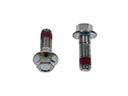 Jeep Compass Brake Caliper Bolt
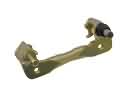 Jeep Compass Brake Caliper Bracket
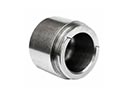 Jeep Compass Brake Caliper Piston
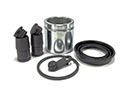 Jeep Compass Brake Caliper Repair Kit
 Jeep Compass Brake Line
 Jeep Compass Brake Shoe Set
 Jeep Compass Hydraulic Hose
 Jeep Compass Parking Brake Cable
 Jeep Compass Wheel Hub Bolt
 Jeep Compass Wheel Stud