JeepParts
My Garage
My Account
Cart
OEM Jeep Wrangler Wheel Cylinder
Brake Wheel Cylinder- Select Vehicle by Model
- Select Vehicle by VIN
Select Vehicle by Model
orMake
Model
Year
Select Vehicle by VIN
For the most accurate results, select vehicle by your VIN (Vehicle Identification Number).
4 Wheel Cylinders found

Jeep Wrangler Wheel Cylinder Part Number: 4761748AB
$65.63 MSRP: $112.00You Save: $46.37 (42%)Ships in 1-2 Business DaysJeep Wrangler Wheel Cylinder Part Number: 4761749AB
$64.01 MSRP: $91.80You Save: $27.79 (31%)Ships in 1-2 Business Days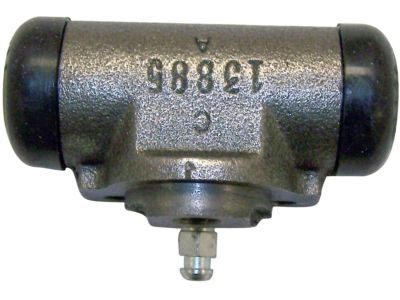
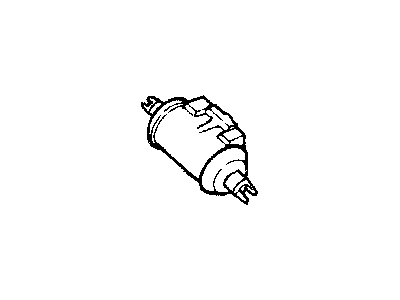
Jeep Wrangler Wheel Cylinder Part Number: 4313056
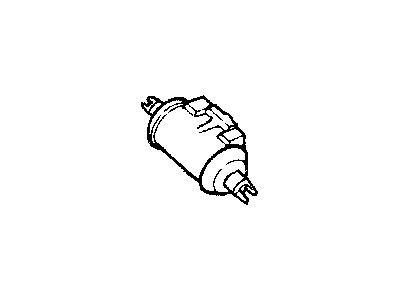
Jeep Wrangler Wheel Cylinder Part Number: 4423601
Jeep Wrangler Wheel Cylinder
Choose OEM Wheel Cylinder that meet Jeep factory standards. Jeep designs and tests every component for precision and durability. Each Wheel Cylinder follows strict manufacturing steps to lock in quality and fit. If your Jeep Wrangler matters to you, OEM parts make the smart choice. You'll get the exact look, feel, and performance you expect. Shop genuine Wrangler parts at the highly competitive prices online. Enjoy a manufacturer's warranty, a hassle-free return policy, and rapid delivery. No more guesswork with off brands. Get genuine parts with exact fit and true factory performance. Shop with confidence today at JeepPartsDeal.com.
Jeep Wrangler automobiles are equipped with a hydraulic drum brake system where the Wheel Cylinder plays a critical role of applying pressure on the brake shoes for proper stopping of the car. It works through a procedure whereby hydraulic pressure acts on some pistons inside the cylinder thus forcing the shoes against the drum. Jeep Wrangler Wheel Cylinders have also changed from the older cast iron types to today's aluminum type which does not rust and is durable. Throughout the years countless varieties of Wheel Cylinders have been used and some even included dual single-piston arrangement. Regardless of the design, the primary function remains the same: in order to attain safe and sound braking operation. It is imperative to perform frequent check-ups and servicing because when the brake system possesses pin holes or corrotes, then it weakens the grinding force. Another important recommendation during servicing of brake shoes is replacement of Wheel Cylinder in your Jeep Wrangler vehicles to ensure maximum performance.
Jeep Wrangler Wheel Cylinder Parts and Q&A
- Q:How to Maintain and Fix a Wheel Cylinder on Jeep Wrangler?A:Before servicing or replacing a wheel cylinder, take off the tire and wheel and then remove the Brake Drum. Disconnect the Brake Line from the wheel cylinder and remove the brake shoe return springs to back out the shoes from the cylinders' push rods. After that, remove the cylinder attaching bolts to take the cylinder off the support plate. Begin by removing the push rods and boots, then push out the Pistons, cups and spring and expander from the cylinder bore before you remove the bleed screw. Only use brake fluid or brake cleaner to wash the cylinder and pistons; drying them with compressed air is recommended so cotton residue from cleaning clothes doesn't get on them. Look inside the cylinder if you can and see if there are light and dark spots; these do not matter, but if you notice any scoring, pitting or severe corrosion, get a new cylinder, since replenishing with a honing process is not advised. Check the shape of the piston surfaces and change any that have scratches, scoring or corrosion. No need to use the old piston cups and spring and expander, but if the original dust boots look new, they may be reused. It is important to place a coat of clean brake fluid on all wheel cylinder parts when you set them up-the bore, pistons, piston cups and spring and expander. Position the lip of the cup toward the piston and have the side against the cylinder facing outwards. After that, insert the spring and expander before installing the extra piston cup and piston. Bolt on the boots to both ends of the cylinder, then slide the push rods into the boots. After that, insert the bleed screw. When you install, apply a bead of silicone sealer around where the cylinder mounts to the support plate, fitting the mounting bolts and tightening them to 10 Nm (7 ft. lbs.). After connecting the brake line to the cylinder (and tightening to 16 Nm or 12 ft. lbs.) you can then fit the brake shoe return spring, brake drum and wheel and tire assembly. The last step is to bleed the base brake system.
- Q:How to Effectively Service and Repair a Wheel Cylinder on Jeep Wrangler?A:In order to repair or service the wheel cylinder, pull off the wheel and tire and then the Brake Drum. After that, pull the Brake Line from the wheel cylinder and take out the brake shoe return springs so the shoes come off from their push rods. To remove the cylinder, first loosen the attaching bolts and the cylinder will slip off the support plate. Put a thin bead of silicone around the cylinder mounting edge of the support plate, install the bolts and tighten them to 10 Nm (7 ft. lbs.). Add a connector to the brake line and tighten it to 16 Nm (12 ft. lbs.). Then, fix the brake shoe return spring into position. Next, fix back the brake drum and the wheel and tire assembly and let the technician bleed the system.
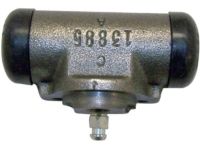
Related Jeep Wrangler Parts
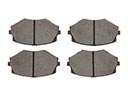 Jeep Wrangler Brake Pads
 Jeep Wrangler ABS Sensor
 Jeep Wrangler Speed Sensor
 Jeep Wrangler Brake Line
 Jeep Wrangler Backing Plate
 Jeep Wrangler Brake Caliper Bolt
 Jeep Wrangler Brake Caliper Piston
 Jeep Wrangler Brake Caliper Repair Kit
 Jeep Wrangler Brake Drum
 Jeep Wrangler Brake Rotor
 Jeep Wrangler Brake Shoe Set
 Jeep Wrangler Hydraulic Hose