JeepParts
My Garage
My Account
Cart
OEM 2000 Dodge Stratus Camshaft
Cam- Select Vehicle by Model
- Select Vehicle by VIN
Select Vehicle by Model
orMake
Model
Year
Select Vehicle by VIN
For the most accurate results, select vehicle by your VIN (Vehicle Identification Number).
3 Camshafts found
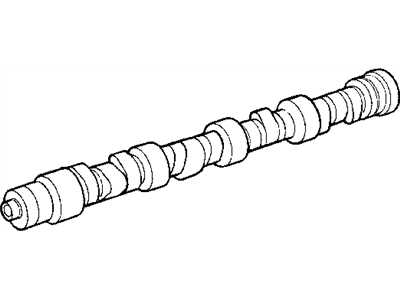
2000 Dodge Stratus Camshaft Part Number: 4777128
$314.32 MSRP: $398.46You Save: $84.14 (22%)Ships in 1-2 Business DaysProduct Specifications- Other Name: Camshaft, Machined
- Item Weight: 6.70 Pounds
- Condition: New
- Fitment Type: Direct Replacement
- SKU: 4777128
- Warranty: This genuine part is guaranteed by Mopar's factory warranty.
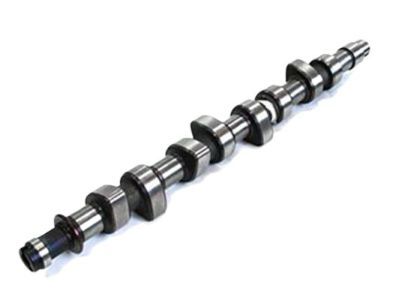
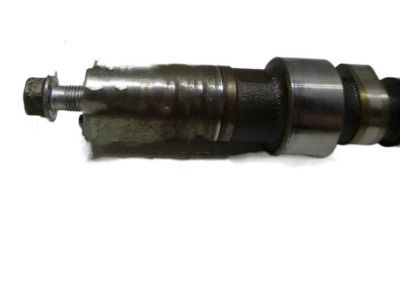
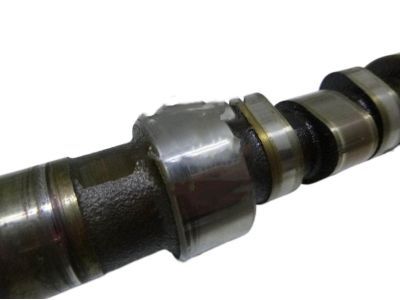
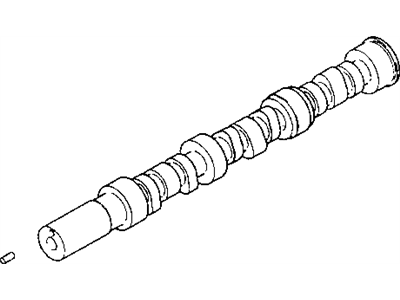
2000 Dodge Stratus Camshaft Part Number: MD318241
Product Specifications- Other Name: Camshaft Engine
- Item Weight: 6.50 Pounds
- Condition: New
- Fitment Type: Direct Replacement
- SKU: MD318241
- Warranty: This genuine part is guaranteed by Mopar's factory warranty.
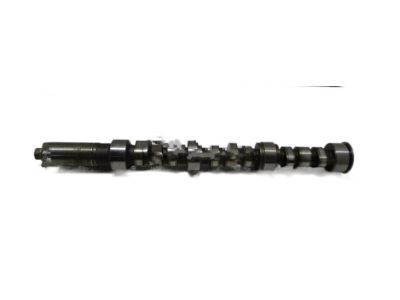
2000 Dodge Stratus Camshaft Part Number: MD321178
Product Specifications- Other Name: Camshaft Engine
- Item Weight: 5.90 Pounds
- Condition: New
- Fitment Type: Direct Replacement
- SKU: MD321178
- Warranty: This genuine part is guaranteed by Mopar's factory warranty.
2000 Dodge Stratus Camshaft Parts and Q&A
- Q: How to Successfully Remove and Install a Camshaft on 2000 Dodge Stratus?A: Pressure in the car's fuel system should be released first, then the cylinder head cover taken off and both rocker arm shafts marked before taking out the camshaft. After that, remove the bolts on the rocker arm shaft, the timing belt, the timing belt tensioner and the camshaft sprocket, plus the rear timing belt cover and the cylinder head. Next, take the camshaft sensor and camshaft target magnet out and remove the camshaft at the back of the cylinder head. Watch for obstructions in the cylinder head oil feed holes, indications of worn camshaft bearings and scratches on the camshaft journal bearings. 400 grit sandpaper is enough for light scratches, but deep scratches require both the camshaft and possibly the cylinder head to be replaced. Evaluate both lobes for any pitting or erosion and then examine the matching rocker arm roller for harm. In case of damage, swap out the rocker arm/hydraulic lash adjuster. When you see pitting in the lobes at the nose, the flank or base circle, it's time to replace the camshaft. Once the camshaft journals are well oiled, put the camshaft into place without attaching the rocker arm assemblies. Position the camshaft target magnet and loosen the mounting screw to 3.4 Nm (30 in. lbs.) and then fix the camshaft position sensor and tighten its mounting bolts to 9 Nm (80 in. lbs.). Mount a dial indicator at a stationary point on the cylinder head, move the camshaft to the back, zero the dial, move the camshaft forward to its maximum point and confirm the end play travel is between 0.13 - 0.33 mm (0.005 - 0.013 inch). Before fitting the camshaft completely, place the front camshaft seal, then mount the cylinder head, fit the camshaft sprocket (torque to 85 ft. lbs.), fit the rear timing belt cover, fit the timing belt tensioner and on top, put the timing belt. Secure each rocker arm assembly where it belongs, tighten them in order to 28 Nm (250 in. lbs.), then fasten the cylinder head cover to 12 Nm (105 in. lbs.) and slot the ignition coil and cables into place.
Related 2000 Dodge Stratus Parts
 2000 Dodge Stratus Oil Filter
 2000 Dodge Stratus Oil Pan
 2000 Dodge Stratus Engine Mount
 2000 Dodge Stratus Oil Pump
 2000 Dodge Stratus Balance Shaft Chain
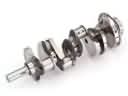 2000 Dodge Stratus Crankshaft
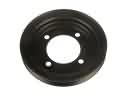 2000 Dodge Stratus Crankshaft Pulley
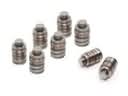 2000 Dodge Stratus Lash Adjuster
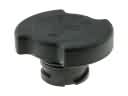 2000 Dodge Stratus Oil Filler Cap
 2000 Dodge Stratus Rocker Arm
 2000 Dodge Stratus Timing Cover Gasket
 2000 Dodge Stratus Transmission Mount