JeepParts
My Garage
My Account
Cart
OEM 2000 Jeep Wrangler Muffler
Exhaust Muffler- Select Vehicle by Model
- Select Vehicle by VIN
Select Vehicle by Model
orMake
Model
Year
Select Vehicle by VIN
For the most accurate results, select vehicle by your VIN (Vehicle Identification Number).
1 Muffler found
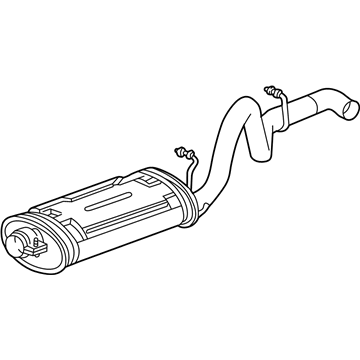
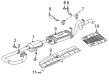
2000 Jeep Wrangler Muffler W/Tpipe Part Number: 52019241AF
Product Specifications- Other Name: Muffler - Exhaust; Exhaust Muffler; Exhaust Pipe; Resonator; Muffler; Muffler And Tailpipe Exhaust
- Item Weight: 57.90 Pounds
- Item Dimensions: 78.8 x 19.2 x 12.2 inches
- Condition: New
- Fitment Type: Direct Replacement
- SKU: 52019241AF
- Warranty: This genuine part is guaranteed by Mopar's factory warranty.
2000 Jeep Wrangler Muffler Parts and Q&A
- Q: How to Safely and Effectively Service a Muffler on 2000 Jeep Wrangler?A: Do not try to work on the exhaust system until it is cool, as the catalytic converter can quickly reach very high temperatures. If you're using torches, avoid bringing flames near fuel lines. Make sure to remove the connector(s) of the oxygen sensor to keep the wiring and sensor safe. The original tailpipe on an exhaust system is welded to the muffler, but service repair parts can be held in place with clamps instead. To take out the exhaust system, raise the vehicle and hold it up by the side rails, so the axle hangs down. First, undo the clamp holding the catalytic converter and muffler together and next take off the tailpipe hangers from the insulators. Heat up the link between the catalytic converter and the muffler using an oxyacetylene torch until it's hot and red. After that, use a wrench to separate the exhaust tailpipe/muffler assembly from the catalytic converter. For any original equipment, slice the tailpipe near the muffler and fold the rest inside. For service parts, continue heating until the part is cherry red, then lift the clamp and twist the tailpipe free of the engine. To install, put the catalytic converter and muffler together loosely, fit the exhaust tailpipe into the rear of the muffler and attach the whole piece to the rear exhaust tailpipe hanger, allowing it to clear the floor pan. After tightening the muffler-catalytic clamp torque to 48 Nm (35 ft. lbs.), insert the rods into the isolators, lower the vehicle, start it up and check for exhaust leaks against body panels, adjusting the alignment where needed.
Related 2000 Jeep Wrangler Parts
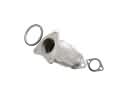 2000 Jeep Wrangler Catalytic Converter
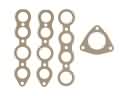 2000 Jeep Wrangler Exhaust Manifold
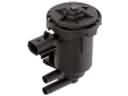 2000 Jeep Wrangler Canister Purge Valve
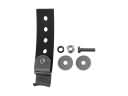 2000 Jeep Wrangler Exhaust Hanger
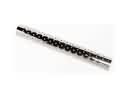 2000 Jeep Wrangler Exhaust Heat Shield
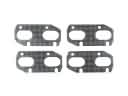 2000 Jeep Wrangler Exhaust Manifold Gasket
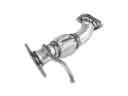 2000 Jeep Wrangler Exhaust Pipe
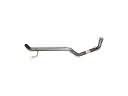 2000 Jeep Wrangler Tail Pipe
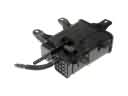 2000 Jeep Wrangler Vapor Canister
 2000 Jeep Wrangler Exhaust Seal Ring