JeepParts
My Garage
My Account
Cart
OEM 2001 Jeep Cherokee Air Bag
Air Bag Module- Select Vehicle by Model
- Select Vehicle by VIN
Select Vehicle by Model
orMake
Model
Year
Select Vehicle by VIN
For the most accurate results, select vehicle by your VIN (Vehicle Identification Number).
2 Air Bags found

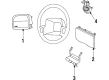 Product Specifications
- Other Name: Airbag - Passenger; Passenger Inflator Module
- Position: Passenger Side
- Item Weight: 10.50 Pounds
- Item Dimensions: 18.2 x 11.3 x 10.2 inches
- Condition: New
- Fitment Type: Direct Replacement
- SKU: 5GE02LAZAB
- Warranty: This genuine part is guaranteed by Mopar's factory warranty.
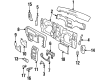
2001 Jeep Cherokee Air Bag Door, Passenger Side Part Number: 5EB72LAZ
Product Specifications- Other Name: Door Passenger Air Bag
- Position: Passenger Side
- Item Weight: 1.20 Pounds
- Condition: New
- Fitment Type: Direct Replacement
- SKU: 5EB72LAZ
- Warranty: This genuine part is guaranteed by Mopar's factory warranty.
2001 Jeep Cherokee Air Bag Parts and Q&A
- Q: What Steps Should Be Taken After an Air Bag Deployment on 2001 Jeep Cherokee?A: If a deployment takes place with a passive restraint system, the vehicle can no longer be used until every item on that list is replaced, as these parts are meant to be used just once and may look fine after deployment even if they are damaged. Other vehicle parts should be carefully observed and swapped out only after noticing harm. With the air bags deployed, you'll notice a powdery material on the interior, mostly from the charge that sets them off, although there could also be some sodium hydroxide powder that can irritate your skin, eyes, nose or throat. When cleaning up, make sure to line up by wearing safety glasses, rubber gloves and a shirt that covers your arms. If you experience skin irritation, gently run cool water over the area and if irritation to the nose or throat develops, go outside and breathe fresh air until it goes away; if problems continue, seek medical help. When supplemental air bags or seat belt tensioners are broken, they must be removed and discarded using Hazardous Substance Control System rules and broken air bags should be handled using the Hazard Waste Control System. State, provincial, local and federal rules require you to dispose of all non-deployed and deployed supplemental restraints safely and appropriately. To clean up, begin by extracting both air bags and both seat belt tensioners, following by using a vacuum around the interior from outside, slowly going in toward the car interior to avoid touching dirt. Remember to vacuum out the heater and air conditioning outlets, using the blower in its lowest speed to vacuum any powder coming out, followed by a second vacuum of the room to get all the residue.
Related 2001 Jeep Cherokee Parts
 2001 Jeep Cherokee Ignition Coil
 2001 Jeep Cherokee Neutral Safety Switch
 2001 Jeep Cherokee Headlight Switch
 2001 Jeep Cherokee Clock Spring
 2001 Jeep Cherokee Dimmer Switch
 2001 Jeep Cherokee Ignition Lock Cylinder
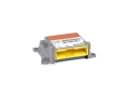 2001 Jeep Cherokee Air Bag Control Module
 2001 Jeep Cherokee Antenna Mast
 2001 Jeep Cherokee Door Jamb Switch
 2001 Jeep Cherokee Engine Control Module
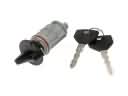 2001 Jeep Cherokee Ignition Lock Assembly
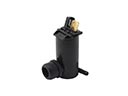 2001 Jeep Cherokee Washer Pump