JeepParts
My Garage
My Account
Cart
OEM 2002 Dodge Neon Parking Brake Cable
Emergency Parking Brake Release Cable- Select Vehicle by Model
- Select Vehicle by VIN
Select Vehicle by Model
orMake
Model
Year
Select Vehicle by VIN
For the most accurate results, select vehicle by your VIN (Vehicle Identification Number).
3 Parking Brake Cables found
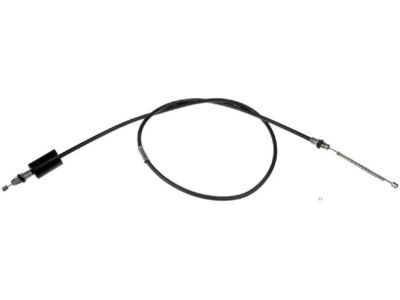
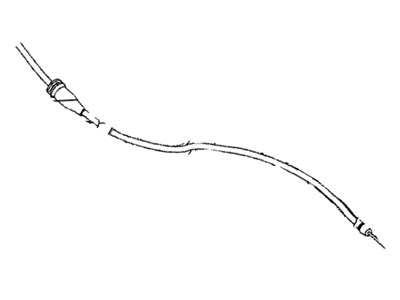
2002 Dodge Neon Cable Part Number: 4509895AE
Product Specifications- Other Name: Cable - Parking Brake; Cable Parking Brake
- Item Weight: 2.10 Pounds
- Item Dimensions: 73.6 x 0.7 x 0.7 inches
- Condition: New
- Fitment Type: Direct Replacement
- SKU: 4509895AE
- Warranty: This genuine part is guaranteed by Mopar's factory warranty.
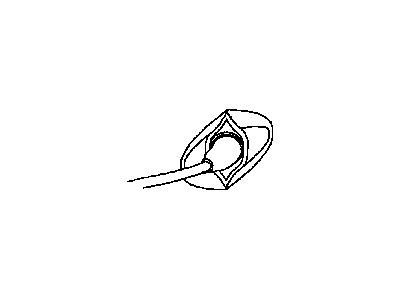
2002 Dodge Neon Cable Part Number: 4509893AE
Product Specifications- Other Name: Cable - Parking Brake; Cable Parking Brake
- Replaces: 4509893AD
- Item Weight: 2.20 Pounds
- Item Dimensions: 15.7 x 14.7 x 3.5 inches
- Condition: New
- Fitment Type: Direct Replacement
- SKU: 4509893AE
- Warranty: This genuine part is guaranteed by Mopar's factory warranty.
2002 Dodge Neon Cable Part Number: 4509894AE
Product Specifications- Other Name: Cable - Parking Brake; Brake Cable; Cable Parking Brake
- Item Weight: 2.20 Pounds
- Item Dimensions: 32.9 x 1.0 x 0.6 inches
- Condition: New
- Fitment Type: Direct Replacement
- SKU: 4509894AE
- Warranty: This genuine part is guaranteed by Mopar's factory warranty.
2002 Dodge Neon Parking Brake Cable Parts and Q&A
- Q: How to Service and Repair a Parking Brake Cable on 2002 Dodge Neon?A: Before starting to work on the parking brake cable, use blocks to hold the tires so the car will stay still after the brake lever is let go. After you stop, use the parking brake lever and place your car into neutral. Unscrew the center console and lower the parking brake lever handle afterwards. Raise the output cable until a pin punch can be put through the main lever and its right side bracket to lock the automatic adjustment mechanism. Pull both rear parking brake cables away from the parking brake cable equalizer and take the rear seat cushion out. To reach the parking brake cables at the back floor, shift the rear carpeting forward. Press on the retainer fingers with a to inch wrench and then pull the whole cable housing straight up from the bracket. Elevate the vehicle and take out the rear tire and wheel set. If your vehicle has rear drum brakes, remove the drum and for rear disc brakes, detach the disc brake caliper, unscrew the guide pin bolts and hang the caliper somewhere else before unscrewing the rotor. Start by removing the dust cap from both the rear hub and bearing, then remove both nuts and the hub and bearing. For rear disc brake vehicles, detach the upper spring assembly and hold-down clips, then gently pull both shoes away from each other and take them out as an assembly. To work on the parking brake on rear brake systems, disconnect the parking brake cable from the support plate and parking brake lever with a to inch box wrench to press down on the locking fingers in the retainer. On rear disc brake vehicles, pull the parking brake actuating lever away from the cable and unhook the cable from the rear disc brake adapter using a 4-5 inch offset box wrench. Take out the nuts and the parking brake bracket from the tension strut bolts, then remove both the cable and sealing grommet from under the floor. While installing, push the parking brake cable through the floor pan hole and confirm that the sealing grommet is sitting right. Place the parking brake cable routing bracket on the tension strut mounting bolts and turn the nuts to 28 Nm (250 in. lbs.). Attach the end of the parking cable to the brake support plate or rear disc adapter and push the locking fingers on the retainer out. In vehicles equipped with rear drum brakes, put the parking brake cable on the actuating lever and the actuating spring to the brake shoe and the adjustment lever. On rear disc brake trucks, place the cable parking brake shoes actuator lever on the cable and install the parking brake shoes assemblies on the disc brake adapter. Put in the hub and bearing onto the rear spindle, use a new retaining nut and tighten until you reach 217 Nm (160 ft. lbs.), then fit the dust cap. On vehicles with drum brakes, insert the rear brake drum; for those with disc brakes, add the rotor, then fasten the calipers and guide pins at 22 Nm (192 in. lbs.). Place the rear tire and wheel back in position, tighten the wheels by hand in the proper patterns and then torque them to 100 ft. lbs. (135 Nm). Seat the seal grommet entirely in the floor pan, rout all of the parking brake cable through the carpet under the car and push it to make sure the locking fingers fasten it in the bracket. Attach the rear parking brake cables into the equalizer attached to the parking brake lever output cable, keeping everything in place. Removing the pin held by the parking brake lever will let the cables self-adjust. Set the parking brake lever, checking where the cables are resting and then place it back where it releases the mechanism. See that the rear wheels turn freely and do not stick, put the rear carpeting in position, tighten the rear seat cushion, fully apply the parking brake and fasten the center console back using its screws before removing the wheel blocks.
Related 2002 Dodge Neon Parts
 2002 Dodge Neon Brake Booster
 2002 Dodge Neon Brake Drum
 2002 Dodge Neon Speed Sensor
 2002 Dodge Neon Wheel Cylinder
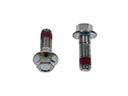 2002 Dodge Neon Brake Caliper Bolt
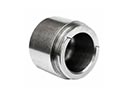 2002 Dodge Neon Brake Caliper Piston
 2002 Dodge Neon Brake Disc
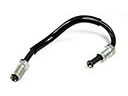 2002 Dodge Neon Brake Line
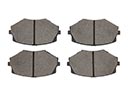 2002 Dodge Neon Brake Pad
 2002 Dodge Neon Hydraulic Hose
 2002 Dodge Neon Wheel Bearing Dust Cap
 2002 Dodge Neon Wheel Stud