JeepParts
My Garage
My Account
Cart
OEM 2004 Jeep Grand Cherokee Air Bag
Air Bag Module- Select Vehicle by Model
- Select Vehicle by VIN
Select Vehicle by Model
orMake
Model
Year
Select Vehicle by VIN
For the most accurate results, select vehicle by your VIN (Vehicle Identification Number).
6 Air Bags found
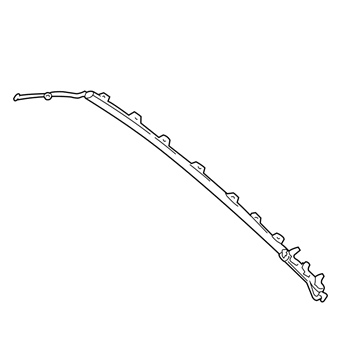
 Product Specifications
- Other Name: Airbagg - Side Curtain; Curtain Air Bag, Left; Side Air Bag
- Position: Driver Side
- Item Weight: 9.30 Pounds
- Item Dimensions: 31.8 x 12.7 x 4.7 inches
- Condition: New
- Fitment Type: Direct Replacement
- SKU: 55116437AK
- Warranty: This genuine part is guaranteed by Mopar's factory warranty.
- Product Specifications
- Other Name: Airbagg - Side Curtain; Curtain Air Bag, Right; Side Air Bag
- Position: Passenger Side
- Item Weight: 5.20 Pounds
- Item Dimensions: 30.3 x 12.5 x 4.6 inches
- Condition: New
- Fitment Type: Direct Replacement
- SKU: 55116436AK
- Warranty: This genuine part is guaranteed by Mopar's factory warranty.
 Product Specifications
- Other Name: Airbag - Driver; Steering Wheel Air Bag; Driver Air Bag; Air Bag Driver
- Position: Driver Side
- Item Weight: 2.80 Pounds
- Item Dimensions: 13.0 x 8.5 x 4.9 inches
- Condition: New
- Fitment Type: Direct Replacement
- SKU: 5GV61XTMAC
- Warranty: This genuine part is guaranteed by Mopar's factory warranty.
- Product Specifications
- Other Name: Airbag - Driver; Steering Wheel Air Bag; Air Bag Driver
- Position: Driver Side
- Item Weight: 3.40 Pounds
- Item Dimensions: 12.8 x 8.3 x 4.8 inches
- Condition: New
- Fitment Type: Direct Replacement
- SKU: 5GV61XDVAC
- Warranty: This genuine part is guaranteed by Mopar's factory warranty.
- Product Specifications
- Other Name: Airbag - Driver; Steering Wheel Air Bag; Air Bag Driver
- Position: Driver Side
- Item Weight: 2.80 Pounds
- Item Dimensions: 12.9 x 8.3 x 4.9 inches
- Condition: New
- Fitment Type: Direct Replacement
- SKU: 5GV61WL8AC
- Warranty: This genuine part is guaranteed by Mopar's factory warranty.
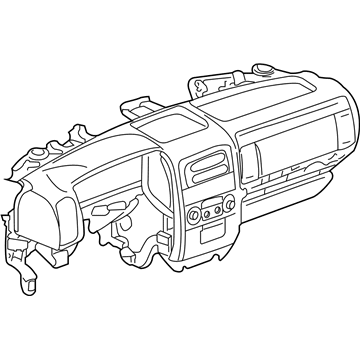 Product Specifications
- Other Name: Airbag - Passenger; Instrument Panel Air Bag; Passenger Inflator Module; Air Bag Passenger
- Position: Passenger Side
- Item Weight: 7.00 Pounds
- Item Dimensions: 21.2 x 12.3 x 9.6 inches
- Condition: New
- Fitment Type: Direct Replacement
- SKU: 55116438AD
- Warranty: This genuine part is guaranteed by Mopar's factory warranty.
2004 Jeep Grand Cherokee Air Bag Parts and Q&A
- Q: What Steps Should Be Taken After an Air Bag Deployment on 2004 Jeep Grand Cherokee?A: Any vehicle using the road after its supplemental restraints deploy needs to have its deployed restraints replaced. The Clock Spring should be replaced after a driver air bag deployment; after a passenger air bag deployment, the instrument panel top pad must be replaced. If a side curtain air bag deploys, all parts of the air bag assembly, plus the headliner and trims on the upper A, B, C and D pillars, must be replaced since using them again would not be safe. Damage to the mounting points for passenger air bags on the instrument panel structural duct needs to be looked for and a replacement of the whole instrument panel assembly is required if duct damage is found. You should examine the sunroof drain tubes and hoses of any car with a sunroof after a side curtain air bag is deployed. Make sure to check and repair the mounting brackets and places for the Acm and sensors following any accident, since positioning and fixing issues here could keep air bags trapped. Any component not already mentioned should be looked at and replaced if it is damaged. The air bag system should always be inspected after a crash to confirm all squibs used their charge. Deployment of the driver and passenger air bags happens when electrical messages come directly from the Acm through squib 1 and squib 2 circuits. Both initiators should be applied to make sure no one handles hazardous materials in an unsafe way. To test both air bag squibs, attach a Drbiii scanner to the 16-way Data Link Connector at the bottom of the driver side's instrument panel, turn the ignition to the On position and review the Diagnostic Trouble Code data. If you find no active codes for either Driver or Passenger Squib 1 or 2 open, act as though they are live and deal with the air bag as usual. Some time after deployment, the vehicle cab will hold a harmless powder residue mixed with sodium hydroxide powder which may irritate your skin, eyes, nose or throat. When vacuuming, remember to use safety glasses, rubber gloves and a long shirt. If you have eye or skin discomfort, rinse with cool water or vacate the vehicle for some fresh air. First, clean the insides of the vehicle from the open window, don't skip the heat and air conditioning system outlets. After vacuuming, take out the deployed supplemental restraints and properly throw away all other supplemental restraints according to the rules in your state, province, local area and country. Another pass with the vacuum could be needed to take up all the powder.
Related 2004 Jeep Grand Cherokee Parts
 2004 Jeep Grand Cherokee Headlight Switch
 2004 Jeep Grand Cherokee Neutral Safety Switch
 2004 Jeep Grand Cherokee Brake Light Switch
 2004 Jeep Grand Cherokee Ignition Switch
 2004 Jeep Grand Cherokee Clock Spring
 2004 Jeep Grand Cherokee Ignition Lock Cylinder
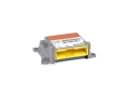 2004 Jeep Grand Cherokee Air Bag Control Module
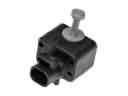 2004 Jeep Grand Cherokee Air Bag Sensor
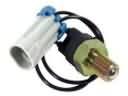 2004 Jeep Grand Cherokee Back Up Light Switch
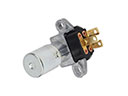 2004 Jeep Grand Cherokee Dimmer Switch
 2004 Jeep Grand Cherokee Seat Heater Switch
 2004 Jeep Grand Cherokee Transmitter