JeepParts
My Garage
My Account
Cart
OEM 2010 Dodge Caliber Parking Brake Cable
Emergency Parking Brake Release Cable- Select Vehicle by Model
- Select Vehicle by VIN
Select Vehicle by Model
orMake
Model
Year
Select Vehicle by VIN
For the most accurate results, select vehicle by your VIN (Vehicle Identification Number).
4 Parking Brake Cables found
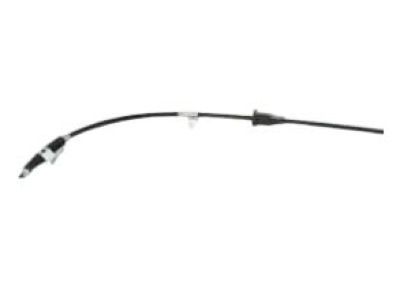
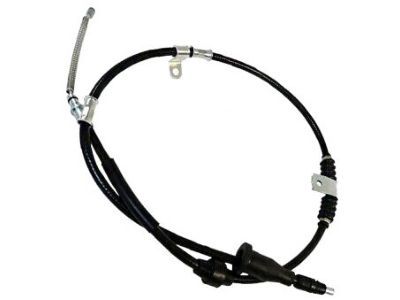
2010 Dodge Caliber Rear Cable Part Number: 4877017AC
$34.48 MSRP: $51.40You Save: $16.92 (33%)Ships in 1-2 Business DaysProduct Specifications- Other Name: Cable - Parking Brake; Brake Cable; Cable Parking Brake
- Replaces: 5105141AD, 4877017AA, 4877017AB, 5105141AC
- Item Weight: 2.00 Pounds
- Item Dimensions: 28.5 x 12.6 x 1.7 inches
- Condition: New
- Fitment Type: Direct Replacement
- SKU: 4877017AC
- Warranty: This genuine part is guaranteed by Mopar's factory warranty.
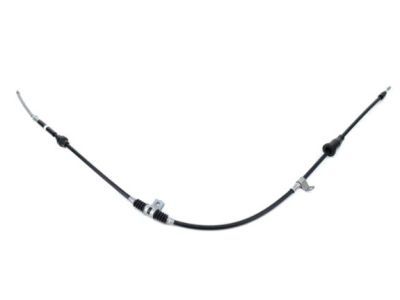
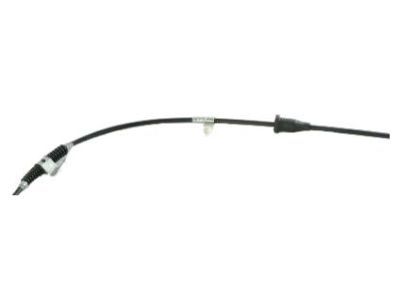
2010 Dodge Caliber Rear Cable Part Number: 4877016AC
$34.48 MSRP: $51.40You Save: $16.92 (33%)Ships in 1-2 Business DaysProduct Specifications- Other Name: Cable - Parking Brake; Brake Cable; Cable Parking Brake
- Replaces: 5105140AC, 4877016AB, 5105140AD, 4877016AA
- Item Weight: 2.00 Pounds
- Item Dimensions: 31.3 x 0.5 x 0.2 inches
- Condition: New
- Fitment Type: Direct Replacement
- SKU: 4877016AC
- Warranty: This genuine part is guaranteed by Mopar's factory warranty.
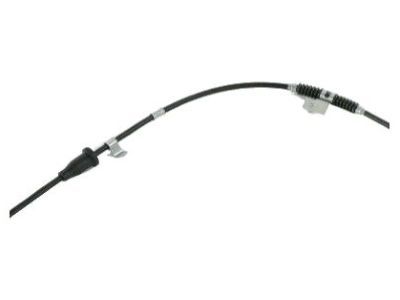
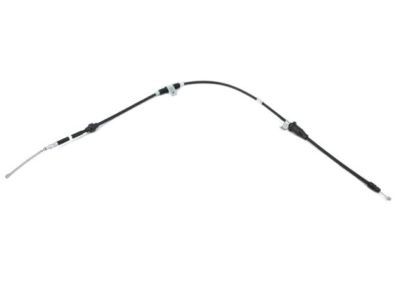
2010 Dodge Caliber Rear Cable Part Number: 4877012AC
$34.14 MSRP: $50.20You Save: $16.06 (32%)Ships in 1-2 Business DaysProduct Specifications- Other Name: Cable - Parking Brake; Brake Cable; Cable Parking Brake
- Replaces: 4877012AB, 5105138AE, 5105138AF, 4877012AA, 5105138AD
- Item Weight: 2.10 Pounds
- Item Dimensions: 32.3 x 14.6 x 1.8 inches
- Condition: New
- Fitment Type: Direct Replacement
- SKU: 4877012AC
- Warranty: This genuine part is guaranteed by Mopar's factory warranty.
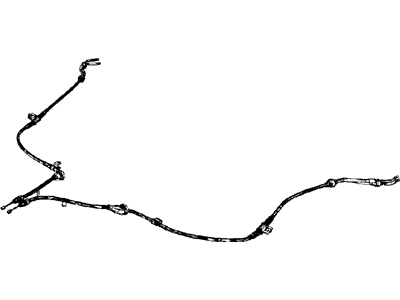
2010 Dodge Caliber Rear Cable Part Number: 4877013AC
$33.69 MSRP: $50.20You Save: $16.51 (33%)Ships in 1-2 Business DaysProduct Specifications- Other Name: Cable - Parking Brake; Brake Cable; Cable Parking Brake
- Replaces: 4877013AA, 4877013AB, 5105139AF, 5105139AD, 5105139AE
- Item Weight: 2.10 Pounds
- Item Dimensions: 31.0 x 14.8 x 1.8 inches
- Condition: New
- Fitment Type: Direct Replacement
- SKU: 4877013AC
- Warranty: This genuine part is guaranteed by Mopar's factory warranty.
2010 Dodge Caliber Parking Brake Cable Parts and Q&A
- Q: How is the Parking Brake Cable Installed on 2010 Dodge Caliber?A: Once you have your parking brake cable, push it through the hole in the floor pan and make sure the grommet fits tightly on the cable for a fine seal. Lift up the cable routing clamp, over the stud on the strap of the fuel tank and then install the nut. Cable routing clamp and screw the cable into the mainframe. Afterward, feed the parking brake cable through the hole in the trailing link and support plate and then fasten it with a hair pin to the brake support plate. Replace the parking brake shoes and components you removed earlier and then fit the wheel and tire assembly to the car. While installing, tighten the wheel nuts to 135 Nm (100 ft. lbs.). Lower the vehicle and put construction blocks in front of the wheel to stop movement when you release the parking brake. Guarantee the grommet at the seal is all the way in the floor pan and pass the parking brake cable beneath the carpet, securing it at the retaining bracket. A replacement for the parking brake cable equalizer should be installed, along with its bent nail tensioner which has to be stretched after you install it. Disconnect and fit a new parking brake lever output cable equalizer onto the original cable and then press the rear parking brake cables into the equalizer, checking their alignment. After tightening the adjustment nut, fully operating the parking brake lever will apply tension to the segment of the equalizer with the bent nail. Pull the lever on the parking brake all the way to the minimum position, then use the adjusting nut to expose eight thread units which should read 31 millimeters. Motion the lever to its full extent, then move it back to the released end. Lift the vehicle until the rear wheels are off the floor and make sure they rotate freely as they should. Use the parking brake to hold the car, check that the rear wheels aren't moving, then let go of the lever and check again. When you've applied the parking brake, put the vehicle on the ground, secure the center console, take the tires' blocks out and reconnect the negative terminal to the battery.
Related 2010 Dodge Caliber Parts
 2010 Dodge Caliber Brake Caliper
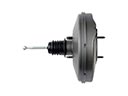 2010 Dodge Caliber Brake Booster
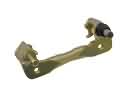 2010 Dodge Caliber Brake Caliper Bracket
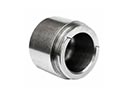 2010 Dodge Caliber Brake Caliper Piston
 2010 Dodge Caliber Brake Disc
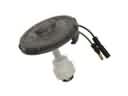 2010 Dodge Caliber Brake Fluid Level Sensor
 2010 Dodge Caliber Brake Line
 2010 Dodge Caliber Brake Pad
 2010 Dodge Caliber Hydraulic Hose
 2010 Dodge Caliber Parking Brake Shoe
 2010 Dodge Caliber Wheel Stud
 2010 Dodge Caliber Yaw Sensor