JeepParts
My Garage
My Account
Cart
OEM Chrysler 300 Steering Knuckle
Front Steering Knuckle- Select Vehicle by Model
- Select Vehicle by VIN
Select Vehicle by Model
orMake
Model
Year
Select Vehicle by VIN
For the most accurate results, select vehicle by your VIN (Vehicle Identification Number).
32 Steering Knuckles found
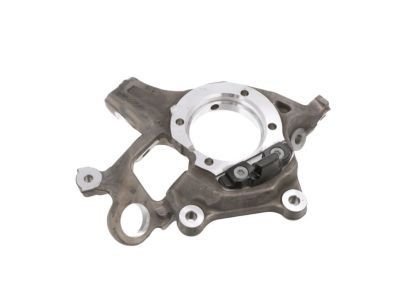
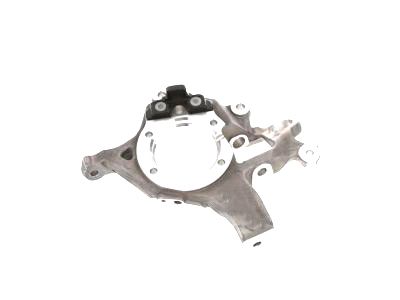
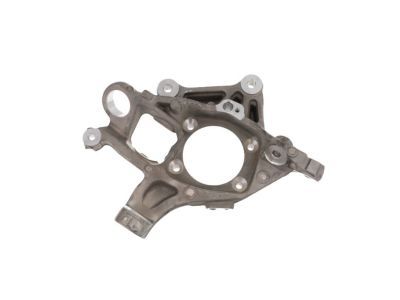
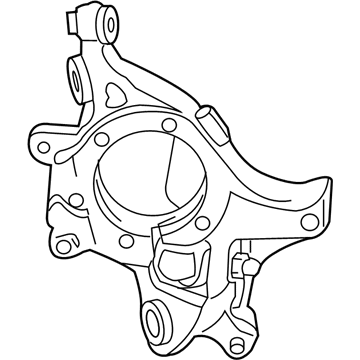
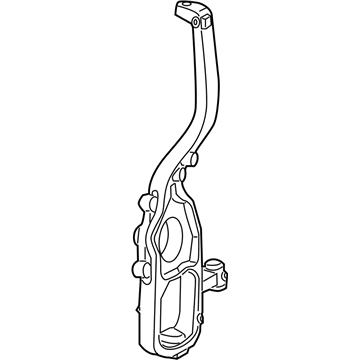
Chrysler 300 Knuckle, Rear Passenger Side Part Number: 4854458AH
$303.88 MSRP: $459.00You Save: $155.12 (34%)Ships in 1-2 Business Days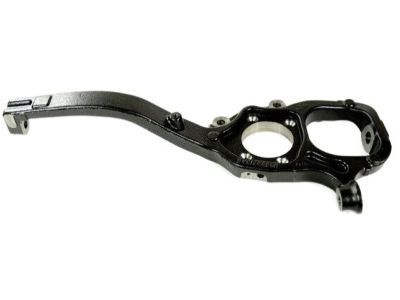
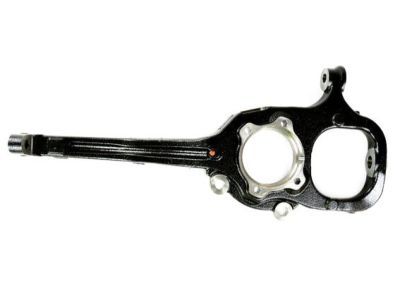
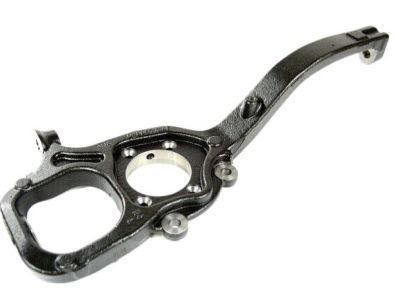
Chrysler 300 Knuckle, Front Driver Side Part Number: 68234397AC
$176.17 MSRP: $264.00You Save: $87.83 (34%)Ships in 1-2 Business Days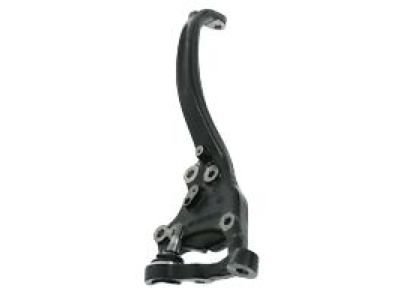
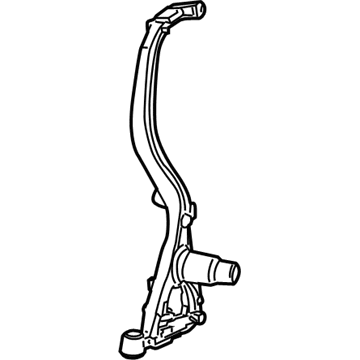
Chrysler 300 Knuckle, Front Driver Side Part Number: 5181895AD
$610.29 MSRP: $889.00You Save: $278.71 (32%)Ships in 1-3 Business Days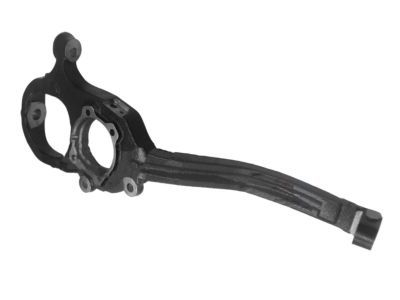
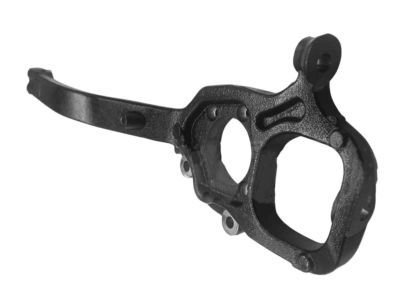
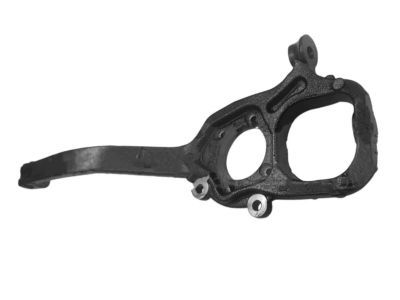
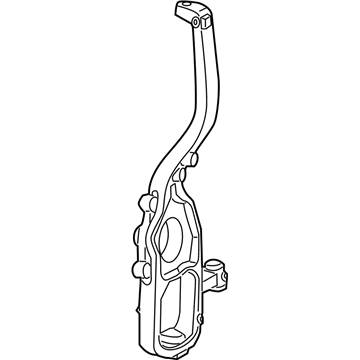
Chrysler 300 Knuckle, Front Passenger Side Part Number: 4877274AB
$580.13 MSRP: $878.00You Save: $297.87 (34%)Ships in 1-2 Business Days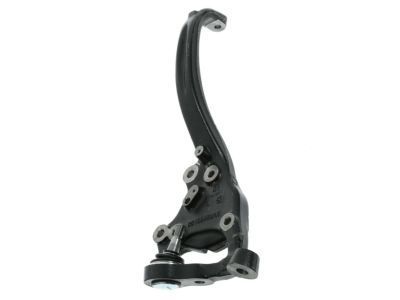
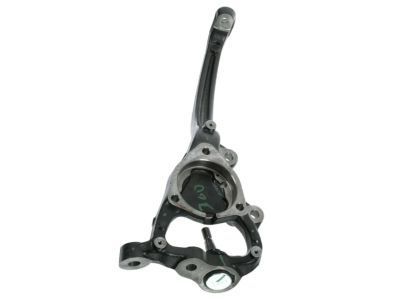
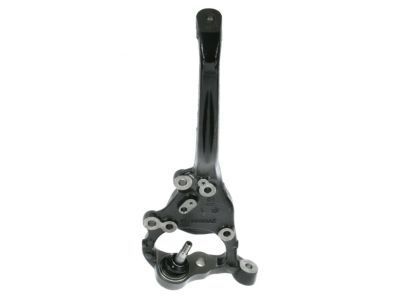
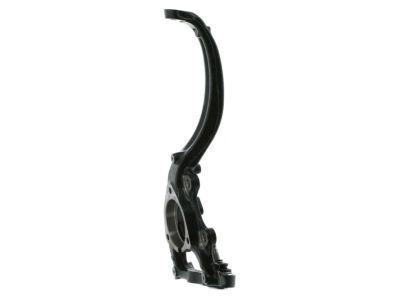
Chrysler 300 Knuckle, Front Driver Side Part Number: 5168421AF
$661.90 MSRP: $1005.00You Save: $343.10 (35%)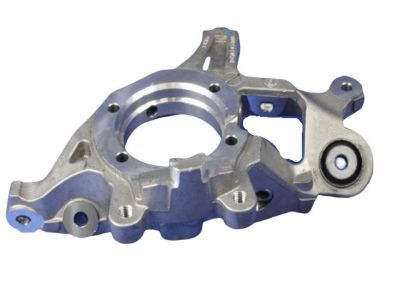
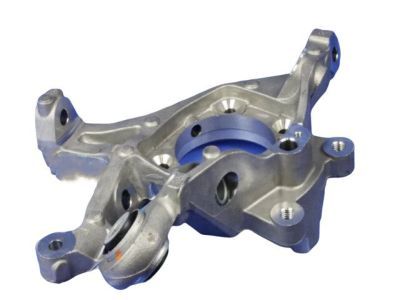
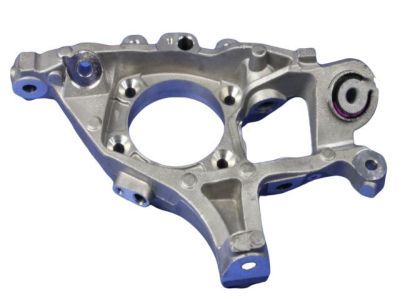
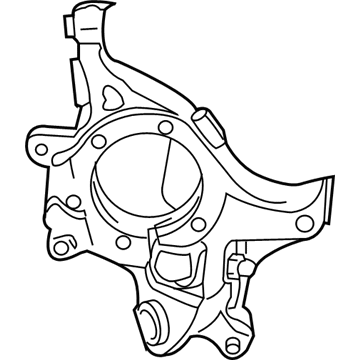
Chrysler 300 Knuckle, Rear Driver Side Part Number: 4782587AF
$622.12 MSRP: $943.00You Save: $320.88 (35%)Ships in 1-2 Business Days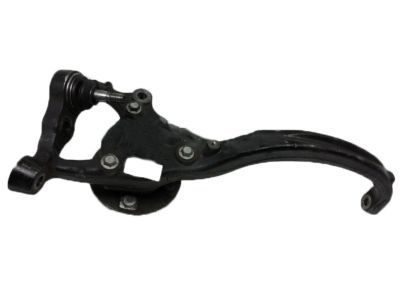
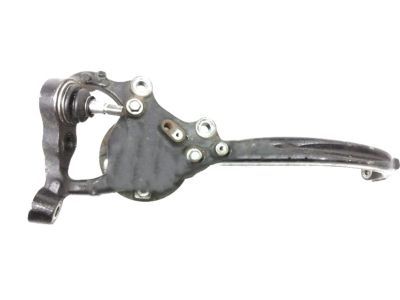
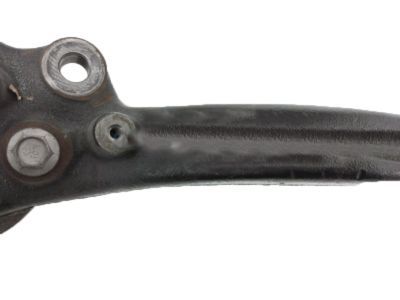
Chrysler 300 Knuckle, Front Driver Side Part Number: 5181896AD
$565.63 MSRP: $823.95You Save: $258.32 (32%)Ships in 1-3 Business Days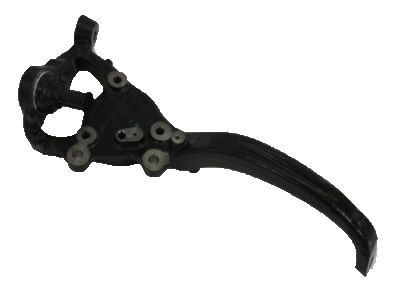
Chrysler 300 Knuckle, Front Passenger Side Part Number: 5168420AF
$863.01 MSRP: $1315.00You Save: $451.99 (35%)
Chrysler 300 Knuckle, Rear Driver Side Part Number: 68079767AB
$611.07 MSRP: $928.00You Save: $316.93 (35%)Ships in 1-2 Business DaysChrysler 300 Knuckle, Rear Part Number: 68079766AB
$625.43 MSRP: $948.00You Save: $322.57 (35%)Ships in 1-2 Business DaysChrysler 300 Knuckle, Front Passenger Side Part Number: 68234396AC
$684.00 MSRP: $1045.00You Save: $361.00 (35%)Ships in 1-2 Business DaysChrysler 300 Knuckle, Rear Passenger Side Part Number: 4782586AF
$609.96 MSRP: $924.00You Save: $314.04 (34%)Ships in 1-2 Business Days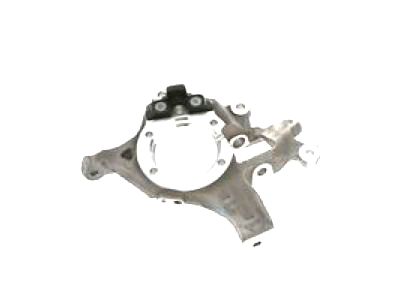
Chrysler 300 Knuckle, Rear Driver Side Part Number: 4854459AH
$321.77 MSRP: $480.10You Save: $158.33 (33%)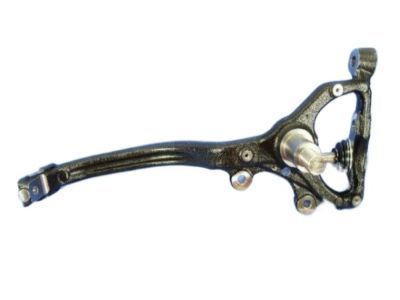
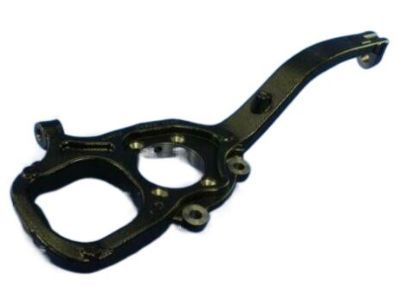
Chrysler 300 Knuckle, Front Passenger Side Part Number: 4782740AE
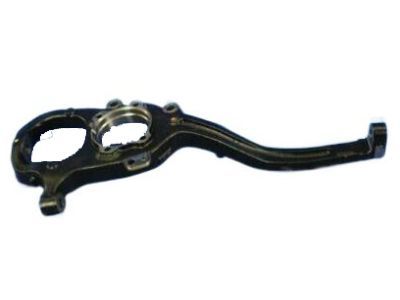
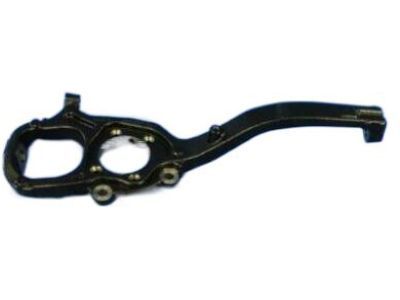
Chrysler 300 Knuckle, Front Driver Side Part Number: 4877275AB
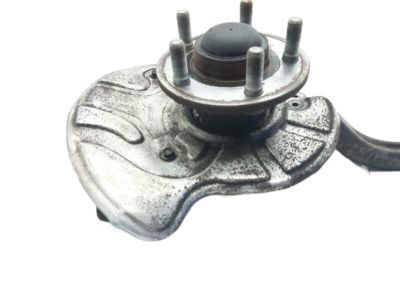
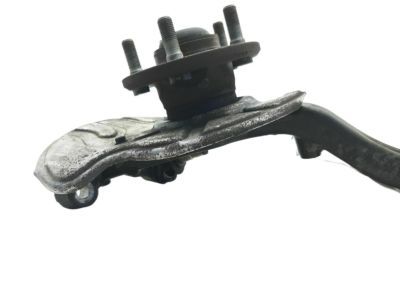
Chrysler 300 Knuckle, Front Driver Side Part Number: 4782741AD
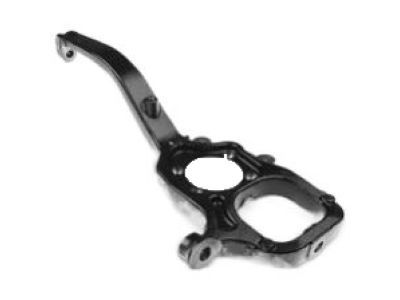
Chrysler 300 Knuckle, Front Driver Side Part Number: 5039027AE
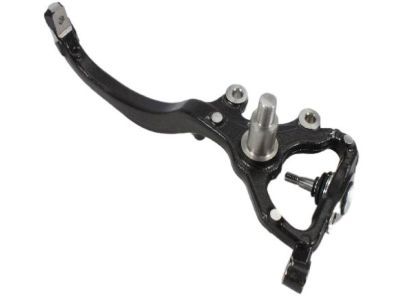
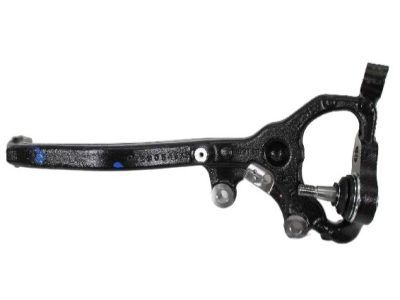
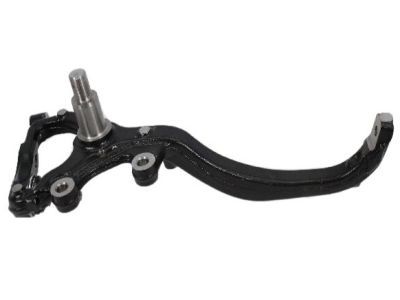
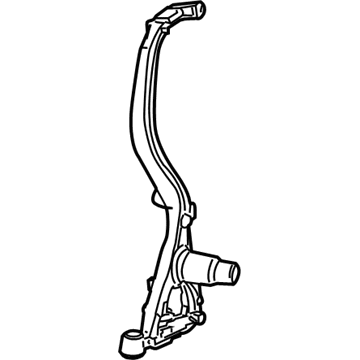
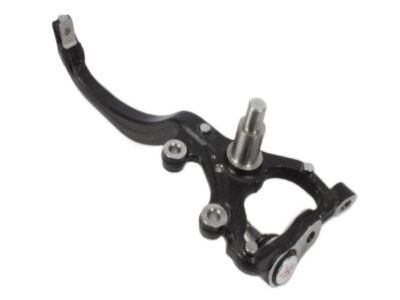
Chrysler 300 Knuckle, Front Driver Side Part Number: 5290547AB
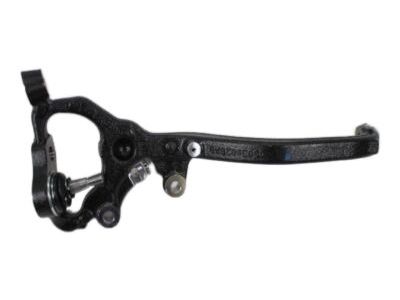
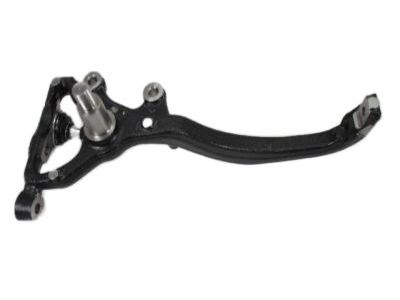

Chrysler 300 Knuckle, Front Part Number: 5039030AE
Chrysler 300 Knuckle, Front Passenger Side Part Number: 5290539AB
$796.92 MSRP: $1160.00You Save: $363.08 (32%)
| Page 1 of 2 |Next >
1-20 of 32 Results
Chrysler 300 Steering Knuckle
Choose OEM Steering Knuckle that meet Chrysler factory standards. Chrysler designs and tests every component for precision and durability. Each Steering Knuckle follows strict manufacturing steps to lock in quality and fit. If your Chrysler 300 matters to you, OEM parts make the smart choice. You'll get the exact look, feel, and performance you expect. Shop genuine 300 parts at the highly competitive prices online. Enjoy a manufacturer's warranty, a hassle-free return policy, and rapid delivery. No more guesswork with off brands. Get genuine parts with exact fit and true factory performance. Shop with confidence today at JeepPartsDeal.com.
The Steering Knuckle of Chrysler 300 vehicles refers to that part that connects the suspension as well as steering to the front wheels. It offers a place where control arms, tie-rod ends and spindle or hub can fit and allows the vertical movement according to the condition of the road and horizontal movement during the operation of the steering system. Chrysler 300 Steering Knuckles could also be a different depending on the kind of drive, rear-wheel drive (RWD) and front/all-wheel/four-wheel drive (FWD/AWD/4WD). RWD models may include an integration of a spindle and a bolted hub while FWD/AWD/4WD designs include the extension of a drive axle through the Steering Knuckle. Over the years, this Steering Knuckle has experienced transition from kingpin designs to modern ball joint systems thus improve on performance and steadiness. The Steering Knuckle of the Chrysler 300 should be inspected and serviced regularly to maximize the car's life and to avoid mishaps.
Chrysler 300 Steering Knuckle Parts and Q&A
- Q:How to Safely Remove a Steering Knuckle on Chrysler 300?A:First, raise and support your rear-wheel drive vehicle, then remove the wheel mounting nuts and the tire and wheel assembly to take out the steering knuckle. After that, unscrew the wheel speed sensor from the knuckle and gently remove the sensor head. Unhook the wheel speed sensor cable routing clip from the brake flex hose routing bracket and remove the screw connecting the bracket to the knuckle. Take out the front Brake Rotor and next remove the nut from the outer tie rod end stud. Use Puller, Special Tool 9360, to take apart the tie rod stud from the knuckle. Back off the nut holding the upper ball joint stud to the knuckle so that it is even with the stud, as this will help stop any distortion as you continue. With care, push the Puller through so it goes past the seal boot and then separates the upper ball joint stud from the knuckle. Remove the nut from the upper ball joint stud at the end of the Control Arm and loosen the nut attaching the tension strut ball joint stud to the knuckle just as you removed the earlier nut. Once more, watch out not to pull on the ball joint seal boot when you use the Puller to separate the ball joint stud from the knuckle. Take out the nut from the tension strut ball joint stud, then loosen the nut on the ball joint stud attaching to the lower control arm and only back it off slightly to keep it from bending. Pull the ball joint stud from the lower control arm using the puller and then take off the nut at the end of the stud that holds the ball joint to the knuckle. When you're done, take the knuckle off your vehicle. When you need to remove both the hub and bearing, take care not to harm the internal hub bore when you remove the dust cap, then unscrew the hub nut and free the hub and bearing from the knuckle spindle. Should you require it, unscrew the three jaws on the adjustment base and remove the protection shield from the knuckle.
- Q:How to Install a Hub, Bearing, and Dust Shield on a Steering Knuckle on Chrysler 300?A:Start by fitting the shield onto the rear of the hub, then place the hub and bearing into the knuckle until the holes in the shield, knuckle and hub meet up. Fix down the hub and bearing using four bolts and tighten them to 68 Nm (50 ft. lbs.). When putting the hub and bearing on the axle, check that the isolation washer is present and operating as it should, since you can put it on in either direction. Then, place the knuckle over the lower ball joint stud and help the hub and bearing onto the axle half shaft. At first, slide a new nut over the lower ball joint stud and hold it in place. Place the upper ball joint stud into the top knuckle hole and fasten the nut by holding the stud with a hex wrench and turning the nut with a second wrench, also using a crow foot on a torque wrench for 47 Nm more than a 90° twist (equal to 35 ft. lbs. and three full turns). Go over this procedure for the ball joint on the lower control arm and tighten it to 68 Nm plus a 90° turn (50 ft. lbs. plus a 90° turn), too. Move on to insert the outer tie rod stud through the knuckle, secure the nut and tighten it to 85 Nm (63 ft. lbs.) while you hold the stud with a wrench. Now, install the Brake Rotor, then the disc Brake Caliper and finally the adapter assembly. First, attach the hub nut at the last part of the axle half shaft and with someone applying the brakes so the hub doesn't move, crank it to a tightness of 213 Nm (157 ft. lbs.). Once you have done this, place the wheel speed sensor head in the knuckle, secure it with a 11 Nm (95 in. lbs.) screw and attach the wheel speed sensor cable routing clip to the knuckle. Put the tire and wheel assembly on the car and tighten the wheel mounting nuts to 150 Nm (110 ft. lbs.) for all Dodge models or to 190 Nm (140 ft. lbs.) for Dodge police cars. Let off the jack, sit in the car, press on the brake pedal several times and then start rolling the vehicle. Check the brake fluid level in the reservoir, top it up if required and then do a wheel alignment.
Related Chrysler 300 Parts
 Chrysler 300 Control Arm
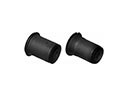 Chrysler 300 Control Arm Bushing
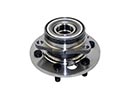 Chrysler 300 Wheel Hub
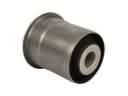 Chrysler 300 Axle Support Bushings
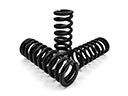 Chrysler 300 Coil Springs
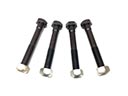 Chrysler 300 Control Arm Bolt
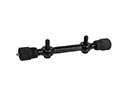 Chrysler 300 Control Arm Shaft Kit
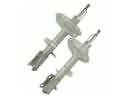 Chrysler 300 Strut Housing
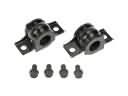 Chrysler 300 Sway Bar Bracket
 Chrysler 300 Sway Bar Bushing
 Chrysler 300 Sway Bar Link Bushing
 Chrysler 300 Sway Bars