JeepParts
My Garage
My Account
Cart
OEM Chrysler 300 Sway Bar Kit
Stabilizer Sway Bar Set- Select Vehicle by Model
- Select Vehicle by VIN
Select Vehicle by Model
orMake
Model
Year
Select Vehicle by VIN
For the most accurate results, select vehicle by your VIN (Vehicle Identification Number).
19 Sway Bar Kits found
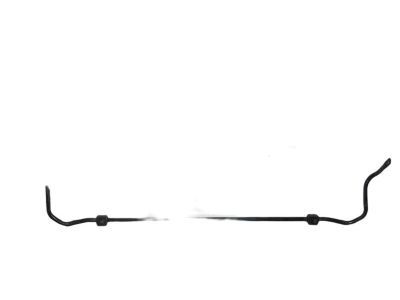
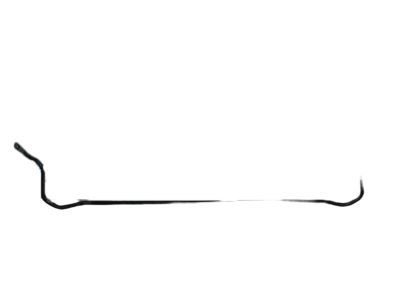
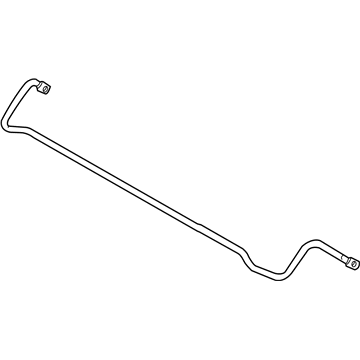
Chrysler 300 Stabilizer Bar, Rear Part Number: 4782873AB
$120.89 MSRP: $154.00You Save: $33.11 (22%)Ships in 1-2 Business Days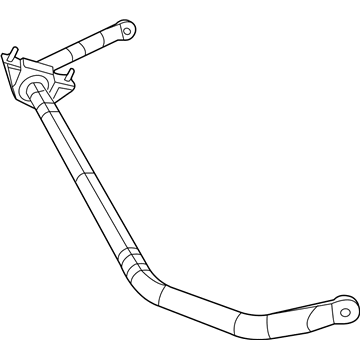
Chrysler 300 Stabilizer Bar, Front Part Number: 4782950AC
$135.96 MSRP: $155.00You Save: $19.04 (13%)Ships in 1-2 Business Days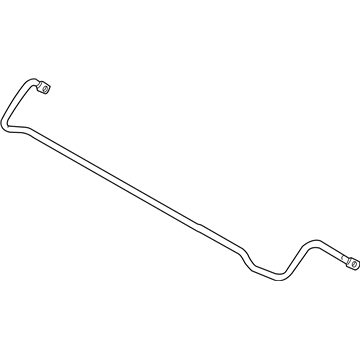
Chrysler 300 Stabilizer Bar, Rear Part Number: 4782871AB
$60.84 MSRP: $89.50You Save: $28.66 (33%)Ships in 1-3 Business Days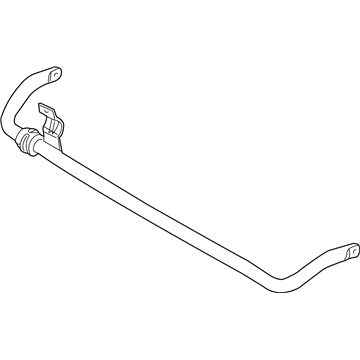
Chrysler 300 Stabilizer Bar, Front Part Number: 68184222AB
$122.65 MSRP: $184.00You Save: $61.35 (34%)Ships in 1-2 Business Days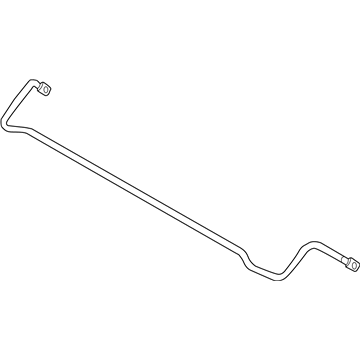
Chrysler 300 Stabilizer Bar, Rear Part Number: 68046012AA
$79.57 MSRP: $168.00You Save: $88.43 (53%)Ships in 1-2 Business DaysChrysler 300 Stabilizer Bar, Rear Part Number: 5180016AA
$114.38 MSRP: $169.00You Save: $54.62 (33%)Ships in 1-3 Business Days
Chrysler 300 Stabilizer Bar, Front Part Number: 68184224AA
$248.63 MSRP: $379.00You Save: $130.37 (35%)
Chrysler 300 Stabilizer Bar, Front Part Number: 68184221AB
$183.98 MSRP: $279.00You Save: $95.02 (35%)Ships in 1-2 Business Days
Chrysler 300 Stabilizer Bar, Rear Part Number: 68184225AA
$63.76 MSRP: $140.00You Save: $76.24 (55%)Ships in 1-2 Business Days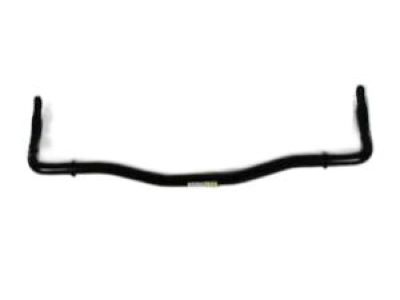
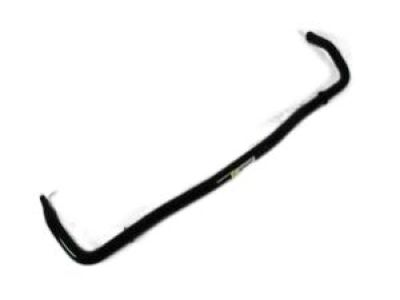
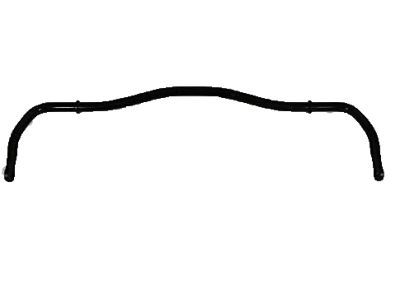
Chrysler 300 Stabilizer Bar, Front Part Number: 4782544AC
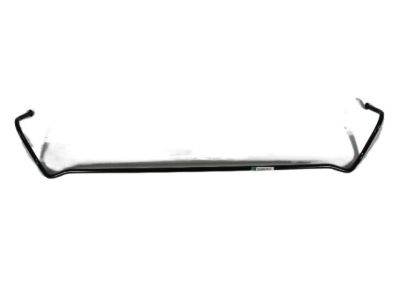
Chrysler 300 Stabilizer Bar, Front Part Number: 4782541AC
Chrysler 300 Stabilizer Bar, Rear Part Number: 4782872AB
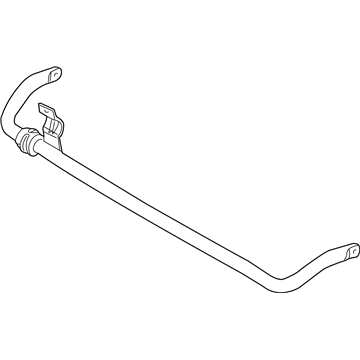
Chrysler 300 Stabilizer Bar, Front Part Number: 68080740AA
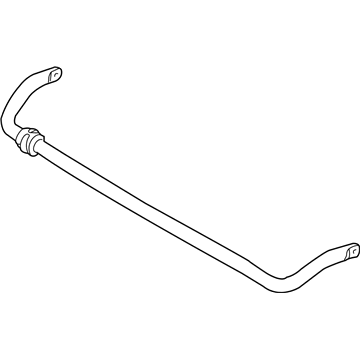
Chrysler 300 Stabilizer Bar, Front Part Number: 4782950AB
Chrysler 300 Stabilizer Bar, Front Part Number: 4782543AC
Chrysler 300 Stabilizer Bar, Front Part Number: 68184220AB
$188.08 MSRP: $282.00You Save: $93.92 (34%)Chrysler 300 Stabilizer Bar, Rear Part Number: 68184226AA
$133.69 MSRP: $199.00You Save: $65.31 (33%)Chrysler 300 Stabilizer Bar, Rear Part Number: 68184227AA
$147.29 MSRP: $219.00You Save: $71.71 (33%)Chrysler 300 Stabilizer Bar, Front Part Number: 68184223AB
$233.40 MSRP: $347.00You Save: $113.60 (33%)
Chrysler 300 Sway Bar Kit
Choose OEM Sway Bar Kit that meet Chrysler factory standards. Chrysler designs and tests every component for precision and durability. Each Sway Bar Kit follows strict manufacturing steps to lock in quality and fit. If your Chrysler 300 matters to you, OEM parts make the smart choice. You'll get the exact look, feel, and performance you expect. Shop genuine 300 parts at the highly competitive prices online. Enjoy a manufacturer's warranty, a hassle-free return policy, and rapid delivery. No more guesswork with off brands. Get genuine parts with exact fit and true factory performance. Shop with confidence today at JeepPartsDeal.com.
The Sway Bar Kit in Chrysler 300 vehicles plays a great part in improving the characteristics of the driving and equally reduces body roll in the vehicle during cornering over surfaces. This anti-roll bar links the opposite wheel and uses a torsion spring so as to increase roll bar while maintaining the vertical spring rate. Since, Chrysler 300 Sway Bar Kit, shapes the car's wheel in such a manner that forces the wheels to be of the similar height, the sideways tilt of the car is decreased which significantly increases the automobiles ability to grip the roads. In Chrysler 300 models, there has been an evolution of Sway Bar Kit mechanisms, which may be adjusted from or active providing variable stiffness. Some of these are complex systems especially in today's racing as well as modern automobiles, which may be good in handling by improving their adaptability depending on the prevailing conditions. At the same time, a new Sway Bar Kit contributes to the improved stability of the vehicle, however, it can transmit shock between wheels that creates a' waddling' feel during off road driving.
Chrysler 300 Sway Bar Kit Parts and Q&A
- Q: How to Install a Sway Bar Kit for the Rear on Chrysler 300?A:Initially, you should place isolators under the end of the sway bar kit, so that the bushing slits point forward and the flat part faces away from the crossmember. Link the retainers with the isolators and install the bar with both above the crossmember. Install the isolator retainer mounting bolts for now, making no attempt to tighten them and also fit the sway bar kit ends to each stabilizer link using bolts and nuts, again not tightening them. After that, secure the isolator retainer mount with 61 Nm (45 ft. lbs.) of torque. Slide out the Coil Springs with isolators from the spring links, then lift the crossmember up to its body mounting points as you attach the propeller shaft to the rear axle differential flange and align the shocks with the openings in the spring links. Make sure you don't mix up the front and rear bolts, because the rear ones are designed to be longer. Install the left side bolts after you have raised the crossmember enough for them and leave the corresponding bolts on the right loose. Raise the jack very slowly to let the right side of the crossmember settle just enough so you can fit the coil springs on top of the isolators. Put the coil spring into the spring pocket and match it with the body mount, use the jack to raise the car as you slide the coil spring and Shock Absorber down onto the body mount, then stop once the shock absorber's lower holding point is lined up with the spring link. Attach the bolt and nut to the mounting at the bottom, but don't tighten them yet. Top your right mounting bushings for the crossmember with spacers prior to lifting the crossmember for AWD. Put the crossmember's right side up and secure the bolts for now; just do not tighten them all the way yet. Lift up on the crossmember the same distance as before, detach the bolts on the left attachment, allow the crossmember to drop and see that the isolator is placed properly. Do the same steps for the left, guide in the coil spring and shock absorber and bolt the lower hole on the shock to the frame without tightening yet. For AWD cars, put spacers on top of the left mount bushings before you lift the crossmember. At this stage, lift the crossmember on the left and get the bolts close together, while leaving them loose. Align the crossmember mounts at their holes marked on the body and check to see that there is at least 12 mm between the tension link and the weld flange for optimal suspension travel. Should there be a difference, move the Rear Crossmember slightly backward and tighten everything again. Screw the crossmember mounting bolts to 180 Nm or 133 ft. lbs. and after that, take off the jack from under the rear axle differential and the propeller shaft bungee cord. Line up the two sets of index marks and install and tighten the rear coupler-to-axle screws to 81 Nm (60 ft. lbs.). Attach the new fuel filler tube, clip the cable for the left rear wheel sensor to the guide clip and insert the left wheel sensor into the connector meant for the right wheel speed sensor. Attach the speed sensor connectors to the body wiring harness connector and make sure the clip holds them securely. Always clean the caliper guide pin bolt threads and use Lock & Seal Adhesive during installation. For either standard or premium disc brakes, insert the caliper guide pins into the caliper adapter, move the caliper down through the rear suspension and fit and fasten the guide pin bolts to 31 Nm (23 ft. lbs.) while making sure the brake hose is routed OK. With SRT8 disc brakes, prop up the spring link, place the caliper with pads over the brake rotor and attach the caliper to the mounts, turning the bolts tightly to 130 Nm (96 ft. lbs.). Place the routing front Parking Brake Cable bracket locating pin in the front part of the crossmember and screw the cable bracket in place. Place the cable for the rear parking brake above the crossmember and join the cable for the front parking brake to the right rear parking brake cable. Reattach the rear exhaust system afterward, then fit the tire and wheel units, ensuring all wheel mounting nuts are tightened to either 150 Nm (110 ft. lbs.) or 190 Nm (140 ft. lbs.) for police vehicles. Lower the car so the rear wheels are just above the floor, press the parking brake lever and confirm that the wheels stay still as you press the lever again. When the vehicle is down, attach the negative Battery Cable, pump the brake pedal at least 10 times and check how firm the brake is after that. Lift the vehicle on the alignment rack until it is stable and tighten the shock absorber lower mounting bolt nuts as well as the sway bar kit fasteners, to 72 Nm (53 ft. lbs.) and 61 Nm (45 ft. lbs.), respectively. After that, get the suspension's wheel alignment, making sure the thrust angle is correct and fine-tune the rear crossmember if necessary to ensure the tension links are properly clear.
- Q: How to Remove a Sway Bar Kit from the Rear on Chrysler 300?A:Begin by taking the battery negative cable away from the post and set it somewhere safe. Lift the vehicle and then unbolt the nut that holds the wheel mount on each side of the rear. After that, take out the rear exhaust system. Rubber band the shaft coupler to the axle flange, mark them both for alignment, then take out the bolts and nuts from the shaft-to-axle-flange flange assembly and use the fuel tank straps to prop up the shaft while it is disconnected. Raise the front parking brake, disconnect the front cable at the connector next to the rear cable and unscrew the routing bracket from the Rear Crossmember front flange. When the brake is mounted with standard or premium disc brakes, first take out the bolts holding the caliper guide pin, then remove the Brake Caliper along with its pads from the bracket and guide it up through the suspension to be sure it isn't brought too far up and presses too hard on the brake hose. Use a trim stick on the SRT8 disc brakes to get the pistons all the way in, help hold the brake spring with a jack and then remove the bolts and caliper with pads from the knuckle. Detach the wheel speed sensor connectors from the main body harness connector in the floor of the luggage compartment, pull out the left wheel speed sensor cable and remove both the shock absorber lower mounting bolt and nut on either side of the car. Place a mark on the body for each rear crossmember attachment point and then jack stands should be used to support the engine cradle's front. Slide a jack under the middle of the rear axle differential, raise it to touch the differential and secure the jack without touching the sway bar kit. Take out the fuel filler tube and next remove the bolts that hold the crossmember in the front and rear. Remove the propeller shaft from the rear axle differential by slowly lifting the crossmember with the jack just a little and lower it enough that you can reach the sway bar kit fasteners at a comfortable level. First, unbolt the sway bar kit from the link, then from each isolator retainer to the crossmember, then take out the bar with isolators and retainers, after which remove the retainers from the isolators and the isolators from the bar using the slits in the bushings.
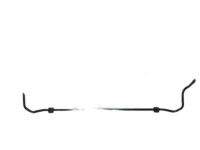
Related Chrysler 300 Parts
 Chrysler 300 Control Arm
 Chrysler 300 Ball Joint
 Chrysler 300 Wheel Bearing
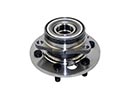 Chrysler 300 Wheel Hub
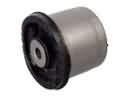 Chrysler 300 Axle Beam Mount
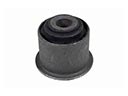 Chrysler 300 Axle Pivot Bushing
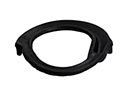 Chrysler 300 Coil Spring Insulator
 Chrysler 300 Coil Springs
 Chrysler 300 Lateral Link
 Chrysler 300 Leaf Spring Bushing
 Chrysler 300 Shock And Strut Mount
 Chrysler 300 Sway Bar Bracket