JeepParts
My Garage
My Account
Cart
OEM Chrysler Pacifica Brake Rotor
Disc Rotor- Select Vehicle by Model
- Select Vehicle by VIN
Select Vehicle by Model
orMake
Model
Year
Select Vehicle by VIN
For the most accurate results, select vehicle by your VIN (Vehicle Identification Number).
8 Brake Rotors found
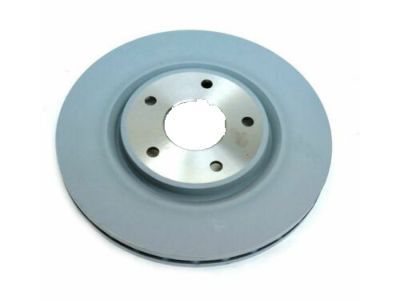
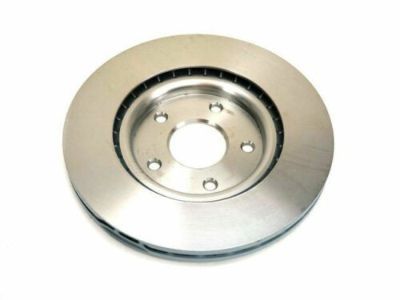
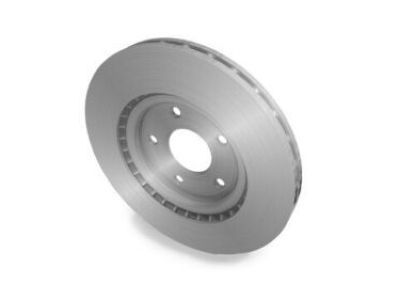
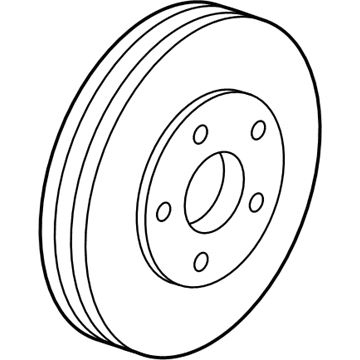
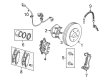
Chrysler Pacifica Rotor, Front Part Number: 4779712AB
$107.76 MSRP: $162.00You Save: $54.24 (34%)Ships in 1-2 Business Days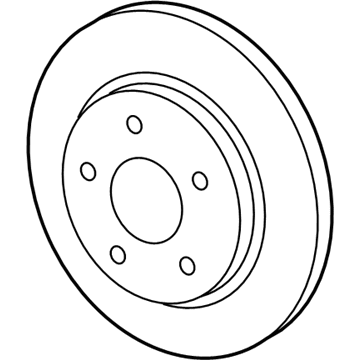
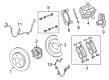
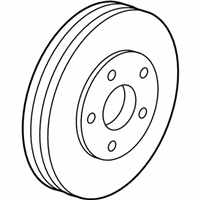
Chrysler Pacifica Rotor, Rear Part Number: 68223507AB
$45.18 MSRP: $113.00You Save: $67.82 (61%)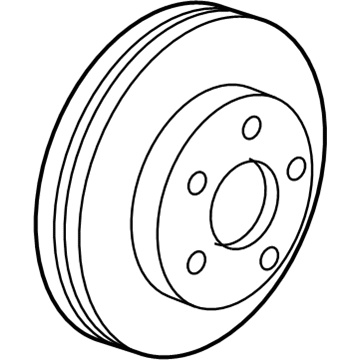
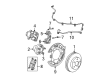
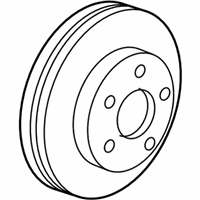
Chrysler Pacifica Rotor, Rear Part Number: 4721240AG
$126.23 MSRP: $226.00You Save: $99.77 (45%)Ships in 1-2 Business Days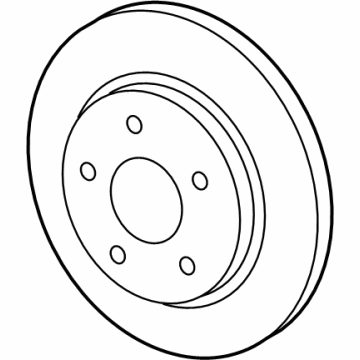
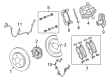
Chrysler Pacifica Rotor - Brake Part Number: 68420068AB
$101.04 MSRP: $157.00You Save: $55.96 (36%)Ships in 1-2 Business Days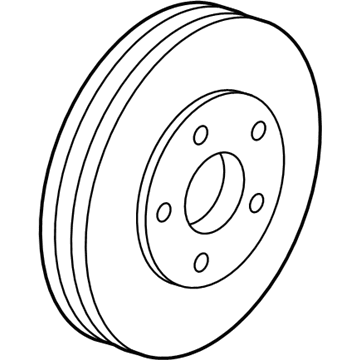
Chrysler Pacifica Rotor, Front Part Number: 4721234AA
$101.77 MSRP: $157.00You Save: $55.23 (36%)Ships in 1-2 Business Days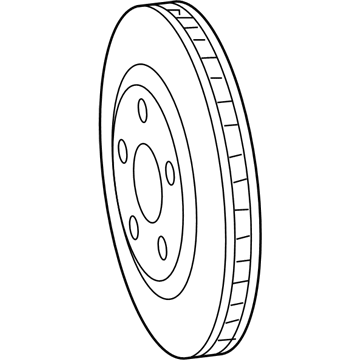
Chrysler Pacifica Rotor - Brake Part Number: 68227781AC
$170.60 MSRP: $260.00You Save: $89.40 (35%)Ships in 1-2 Business Days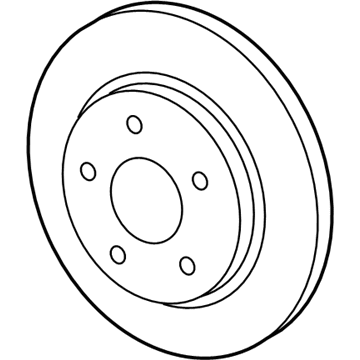
Chrysler Pacifica Rotor - Brake Part Number: 68227707AC
$75.62 MSRP: $117.00You Save: $41.38 (36%)Ships in 1-2 Business Days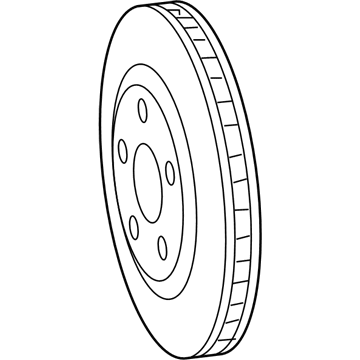
Chrysler Pacifica Rotor, Front Part Number: 68280438AB
$164.29 MSRP: $246.00You Save: $81.71 (34%)
Chrysler Pacifica Brake Rotor
Choose OEM Brake Rotor that meet Chrysler factory standards. Chrysler designs and tests every component for precision and durability. Each Brake Rotor follows strict manufacturing steps to lock in quality and fit. If your Chrysler Pacifica matters to you, OEM parts make the smart choice. You'll get the exact look, feel, and performance you expect. Shop genuine Pacifica parts at the highly competitive prices online. Enjoy a manufacturer's warranty, a hassle-free return policy, and rapid delivery. No more guesswork with off brands. Get genuine parts with exact fit and true factory performance. Shop with confidence today at JeepPartsDeal.com.
Chrysler Pacifica Brake Rotor Parts and Q&A
- Q:How to Remove and Replace a Front Brake Rotor on Chrysler Pacifica?A:Before taking off or changing the front brake rotor/disc, you need to raise and secure the vehicle. Following that, undo the mounting nuts and pull out the tire and wheel from the car. At times, you may need to pull the caliper pistons back just a small amount so the shoes are farther from the rotor and caliper can be easily removed from the knuckle; this can often be done by holding the caliper at its rear and pulling away while still using the guide pins, making sure not to touch the piston to keep it safe. After that, unscrew the two bolts that hold the disc Brake Caliper adapter to the knuckle. Remove the disc brake caliper and adapter as one part from the knuckle, then hang it clear of other work using wire or a bungee cord so the hose isn't stretched. After that, take off any clips locking the brake rotor to the wheel studs and remove the brake rotor from the hub and bearing.
- Q:How to Service the Rear Brake Rotor on Chrysler Pacifica?A:Raise and support your vehicle, then take the tire and wheel assembly off. Before removing the caliper, you may need to slightly stiff the caliper with the piston, working gently so pressure doesn't damage it. After that, take out the two caliper guide pin bolts and lift the caliper assembly up and away from the upper adapter abutment by turning the caliper bottom away from the brake disc. Hanging the caliper with wire or cord from the vehicle will prevent damage to the brake hose. Remove the clips attaching the brake disc to the wheel mounting studs and take it off the hub. Before putting in the brakes, look over the disc and Parking Brake Shoes and then clean off any debris or corrosion on the hub face. Put the new brake disc in place on the wheel mounting studs of the hub, checking that all abutment shims are set on the caliper adapter's slide abutments. Be careful not to harm the guide pin bushings and sleeves when mounting the caliper assembly by pulling back the caliper guide pins to avoid contact with the mounting bosses. Placement has the caliper and brake shoes over top the brake disc, aligning the high end of the outside shoe with the caliper slide groove and fit and set the bottom of the caliper on the adapter on your car. Make sure to install the caliper guide pin bolts with care so they don't become cross-threaded and tighten them to 23 Nm (200 inch-lbs.). Place the wheel and tire assembly in its proper place, adjusting the nuts to 135 Nm (100 ft. lbs.) before relaxing the lowering stand for the car. First, brake several times while the car is parked to overcome air gaps and to confirm a good brake response, monitor and maintain the brake fluid and finally drive the car slowly a few times to get brakes working properly.
Related Chrysler Pacifica Parts
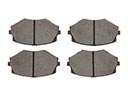 Chrysler Pacifica Brake Pads
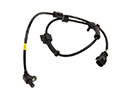 Chrysler Pacifica Speed Sensor
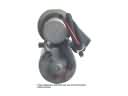 Chrysler Pacifica ABS Pump And Motor Assembly
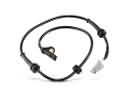 Chrysler Pacifica ABS Sensor
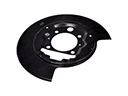 Chrysler Pacifica Backing Plate
 Chrysler Pacifica Brake Caliper
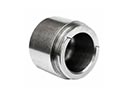 Chrysler Pacifica Brake Caliper Piston
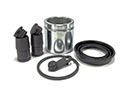 Chrysler Pacifica Brake Caliper Repair Kit
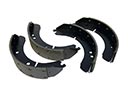 Chrysler Pacifica Brake Shoe Set
 Chrysler Pacifica Parking Brake Cable
 Chrysler Pacifica Parking Brake Shoes
 Chrysler Pacifica Wheel Stud