JeepParts
My Garage
My Account
Cart
OEM Chrysler Rack and Pinion Boot
- Select Vehicle by Model
- Select Vehicle by VIN
Select Vehicle by Model
orMake
Model
Year
Select Vehicle by VIN
For the most accurate results, select vehicle by your VIN (Vehicle Identification Number).
5 Rack and Pinion Boots found
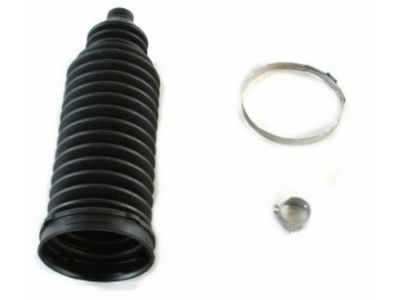
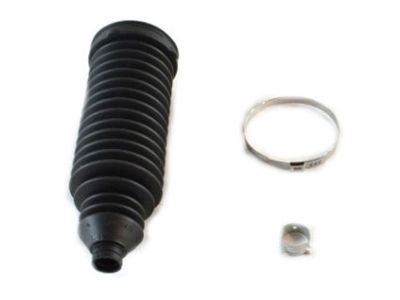
Chrysler Tie Rod Boot, Front Part Number: 68263723AA
$27.38 MSRP: $37.30You Save: $9.92 (27%)Product Specifications- Other Name: Boot - Steering Gear; Rack and Pinion Bellows, Front; Power Steering Cylinder Boot Kit; Rack and Pinion Boot; Boot Kit; Boot; Boot Kit Steering Gear
- Position: Front
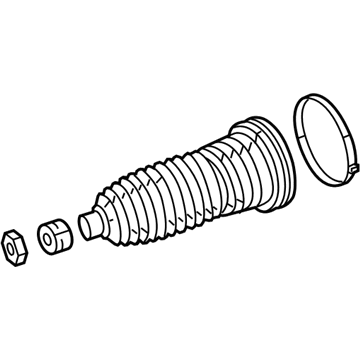
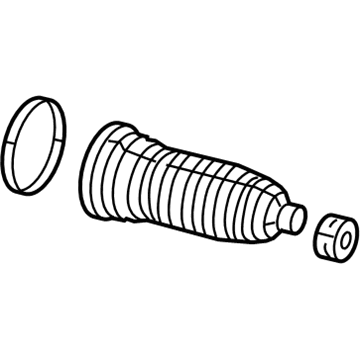
Chrysler Tie Rod Boot Part Number: 68184560AA
$68.04 MSRP: $101.00You Save: $32.96 (33%)Product Specifications- Other Name: Boot - Steering Gear; Power Steering Cylinder Boot Kit; Rack and Pinion Boot; Boot; Boot Kit Steering Gear
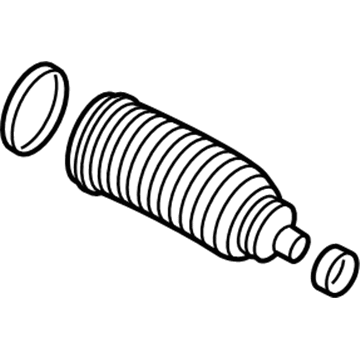
Chrysler Boot, Front Part Number: 68318138AB
$32.89 MSRP: $47.40You Save: $14.51 (31%)Product Specifications- Other Name: Boot - Steering Gear; Rack and Pinion Bellows, Front; Power Steering Cylinder Boot Kit; Rack and Pinion Boot; Boot Kit Steering Gear If Shaded Out Of Catalog, Then Serviced In Assembly
- Position: Front
- Replaces: 68318138AA
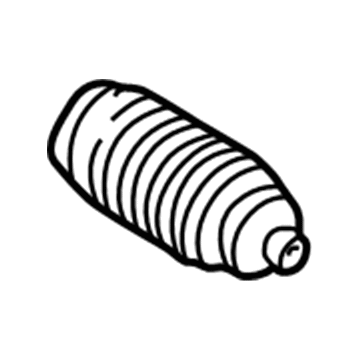
Chrysler Tie Rod Boot Part Number: MR519053
Product Specifications- Other Name: Boot - Steering Gear; Rack and Pinion Bellows; Power Steering Cylinder Boot Kit; Rack and Pinion Boot; Boot; Boot Steering Gear
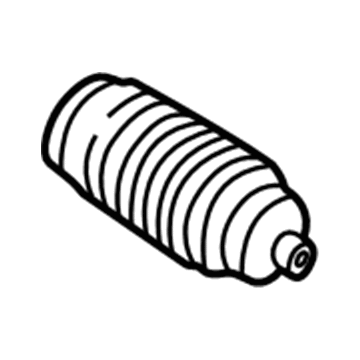
Chrysler Tie Rod Boot Part Number: MR198993
Product Specifications- Other Name: Steering Gear Bellows; Power Steering Cylinder Boot Kit; Rack and Pinion Boot; Boot; Bellows, Steering Gear; Boot Steering Gear
Chrysler Rack and Pinion Boot
OEM parts sourced directly from Chrysler deliver superior quality, long lasting strength, and a precise fit you can trust. Each item goes through strict quality checks to ensure safety, toughness, and performance that matches your factory equipment. At JeepPartsDeal online shop, you'll get top-quality, budget-friendly OEM Chrysler Rack and Pinion Boot for your vehicle. We focus on giving you a high standard without pushing up the price. Our full selection of genuine factory products comes backed by the original manufacturer's warranty. You'll love our fast delivery, seamless shopping experience, and convenient return policy, saving you all the hassle.
The Chrysler Rack and Pinion Boot is a rubber covering that protects the ends of steering racks, keeping the grease within the racks and preventing road grit from entering, to maintain smooth handling. Decades of evolution have given Chrysler models the DNA of what they initially had, the Floating Power concept, and thus the cabin remains composed even when the engine is straining. Aerodynamic modifications of the classic Chrysler Airflow shape slice the wind, reducing noise and saving fuel without any fancy gimmicks. The first actual minivan design is still applauded by families since Chrysler maintained the low sliding door design, flat floor, and collapsible seats, allowing children to enter the vehicle without any melodramatic effects and cargo to be loaded with no backache. The controls are natural, the prices are fair, and each new dashboard creates additional knee space, which is why Chrysler is more concerned with comfort than glittering jargon. Hard suspension components shake off potholes without wearing out tires, and steering geometry is also accurate with the Rack and Pinion Boot not cracking due to early wear. In case replacement is required, it is simple to swap the Rack and Pinion Boot, jack the front, remove the wheel, pop the outer tie rod, slide the old Rack and Pinion Boot off, wipe the rack clean, and lightly grease it with oil before installing the new boot and locking the small and large clamps, reinstalling the tie rod, adjusting to specification, and finally connecting the wheel lock to lock.
Related Chrysler Parts
 Chrysler Power Steering Pump
 Chrysler Power Steering Hose
 Chrysler Drag Link
 Chrysler Idler Arm
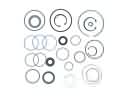 Chrysler Power Steering Gear Seal
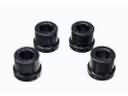 Chrysler Rack & Pinion Bushing
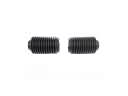 Chrysler Rack And Pinion
 Chrysler Radius Heat Shield
 Chrysler Steering Column Seal
 Chrysler Tie Rod Adjusting Sleeve
 Chrysler Tie Rod Bushing
 Chrysler Tie Rod End