JeepParts
My Garage
My Account
Cart
OEM Chrysler Sebring Parking Brake Cable
Emergency Parking Brake Release Cable- Select Vehicle by Model
- Select Vehicle by VIN
Select Vehicle by Model
orMake
Model
Year
Select Vehicle by VIN
For the most accurate results, select vehicle by your VIN (Vehicle Identification Number).
12 Parking Brake Cables found
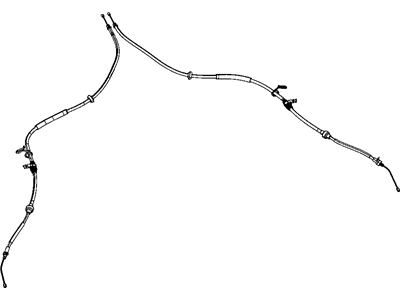
Chrysler Sebring Cable Part Number: 5085747AH
$48.85 MSRP: $71.70You Save: $22.85 (32%)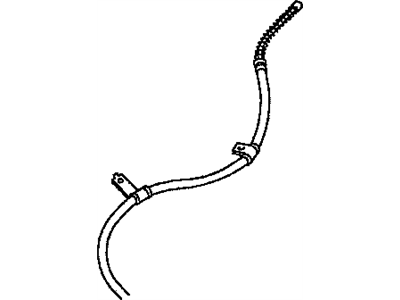

Chrysler Sebring Cable Part Number: MR205956
$6.73 MSRP: $8.54You Save: $1.81 (22%)Ships in 1-2 Business Days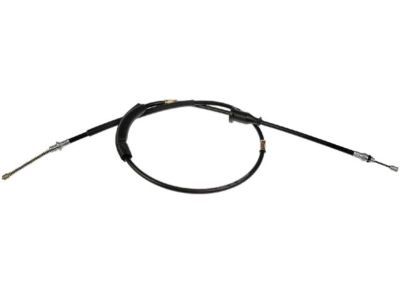
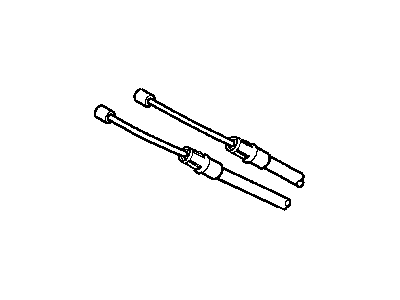
Chrysler Sebring Cable Part Number: 4779251AD
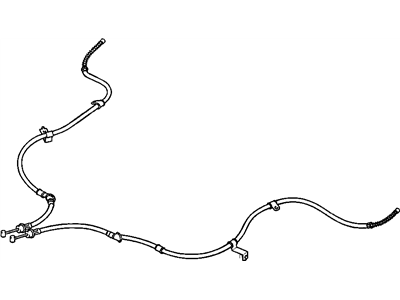
Chrysler Sebring Cable Part Number: MR449512
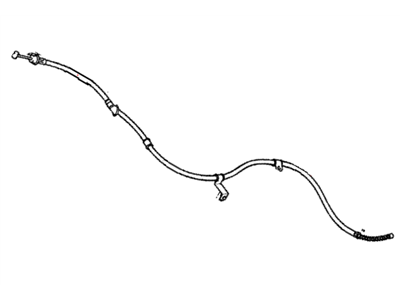
Chrysler Sebring Cable Part Number: MR449511
Chrysler Sebring Cable Part Number: MR205957
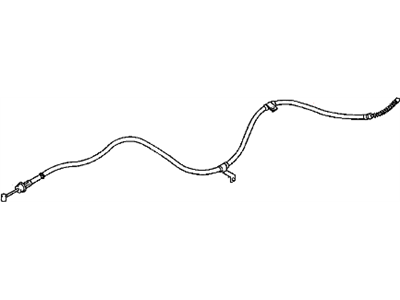
Chrysler Sebring Cable Part Number: MR128339
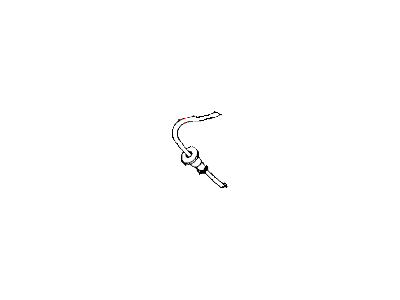
Chrysler Sebring Cable Part Number: 4626976
Chrysler Sebring Cable Part Number: 4779287AB
Chrysler Sebring Cable Part Number: 5085745AE
Chrysler Sebring Cable Part Number: 5085744AE
Chrysler Sebring Cable Part Number: 5085746AG
Chrysler Sebring Parking Brake Cable
Choose OEM Parking Brake Cable that meet Chrysler factory standards. Chrysler designs and tests every component for precision and durability. Each Parking Brake Cable follows strict manufacturing steps to lock in quality and fit. If your Chrysler Sebring matters to you, OEM parts make the smart choice. You'll get the exact look, feel, and performance you expect. Shop genuine Sebring parts at the highly competitive prices online. Enjoy a manufacturer's warranty, a hassle-free return policy, and rapid delivery. No more guesswork with off brands. Get genuine parts with exact fit and true factory performance. Shop with confidence today at JeepPartsDeal.com.
The Chrysler Sebring Parking Brake Cable is an important unit of Chrysler Sebring parking brake which helps in applying and keeping the car parked especially on a slope. This genuine Parking Brake Cable ensures that the parking brake is positively linked with the whole braking mechanism and gives proper engagement for improved performance and security. Chrysler has created, therefore, several designs of the Parking Brake Cable that can accommodate all Sebring models Autotrac has been developing for years; including coupes, convertibles, and sedans manufactured between 1995 and 2010. This explains why Chrysler Sebring Parking Brake Cable has a reputation for performance due to its ability in not easily getting worn out or stretched which are major drawbacks causing the lack of adequate force or complete failure of the parking brake cable. It is thus important to maintain the Parking Brake Cable due to the following signs that convey its malfunctioning; Failure to secure the car and the parking brake warning light. First of all, one could single out the Chrysler Sebring Parking Brake Cable as this component is considered to be rather powerful and rather durable, which enables the car to be safe. Due to its updates over the years and the ability to work on several Chrysler Sebring models, Chrysler Sebring Parking Brake Cable is seen as an essential component of car braking and parking.
Chrysler Sebring Parking Brake Cable Parts and Q&A
- Q:How to Remove a Parking Brake Cable on Chrysler Sebring?A:Before removing the parking brake cable, separate and guard the negative side of the car battery from its post. Press the tire and wheel blocks to stop your car when you release the parking brake lever. Get rid of the Center Console and lower the parking brake lever. Turn the adjusting nut on the output lever counterclockwise to pull slack on the parking brake cables before you separate the cables from the equalizer. Take out the rear Seat Cushion, then pull the rear flooring forward to see the parking brake cables. Attach a 1/2 inch (13 mm) wrench to the retainer's hook and squeeze the retainer to make it smaller, then yank out the cable housing from the bracket. Elevate the car, loosen and eliminate the mounting nuts and remove both the rear tire and its wheel assembly. Take out the shoes of your parking brake and unscrew the hair pin that connects the cable to the brake support plate. Pull the cable from both the support and the trailing link holes, next remove the screw and nut that hold the cable routing clamp to the chassis. After that, remove the parking brake cable with sealing grommet through the opening in the floor pan.
- Q:How is the Parking Brake Cable Installed on Chrysler Sebring?A:Pull the cable all the way through the floor on the car, while at the same time making sure the seal for the hole is properly fitted. Cover the stud with the routing clamp over the body, then place the nut and fix the cable to the body by using the second routing clamp and a screw. The parking brake cable should go through the hole between the trailing link and the support plate; clip it in position with a hair pin. Put the Parking Brake Shoes and removed parts back in place, then set the wheel onto the hub and tighten the nuts to 135 Nm (100 ft. lbs.). Set the parking brake lever and then lower the vehicle to make sure the tires and wheels don't move. Ensure the grommet for the seal is fitted snugly into the floor pan and then run the parking brake cable under the carpeting until it meets the retaining bracket. Then, insert the cable through the mounting hole so its fingers can secure it. You need to attach a new parking brake cable equalizer and make sure to stretch the cable's integrated bent nail tensioner to ensure the cables are correctly adjusted. Get rid of the old equalizer, then fit the new one to the parking brake lever cable and hook up the rear parking brake cables to these, keeping them lined up with the cable track. Following the tightening of the adjustment nut, pull the parking brake lever to its farthest position to stretch the equalizer, then move the cable lever to its released position, where 22 millimeters of thread will appear as you fully tighten it. Repeat the earlier step to raise the rear of the vehicle until the wheels overcome the thresholds. After setting the parking brake, push the lever back to "released" and watch the wheels rotating normally. After the parking brake is back on, move the vehicle back down, install the Center Console and disconnect the negative cable from the battery.
Related Chrysler Sebring Parts
 Chrysler Sebring ABS Pump And Motor Assembly
 Chrysler Sebring Brake Booster
 Chrysler Sebring Brake Caliper
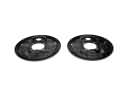 Chrysler Sebring Brake Dust Shields
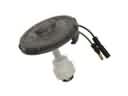 Chrysler Sebring Brake Fluid Level Sensor
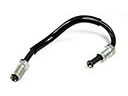 Chrysler Sebring Brake Line
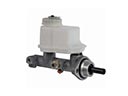 Chrysler Sebring Brake Master Cylinder
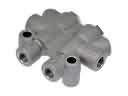 Chrysler Sebring Brake Proportioning Valve
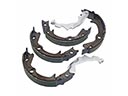 Chrysler Sebring Parking Brake Shoes
 Chrysler Sebring Wheel Bearing Dust Cap
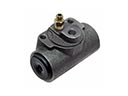 Chrysler Sebring Wheel Cylinder
 Chrysler Sebring Yaw Sensor