JeepParts
My Garage
My Account
Cart
OEM Chrysler Sebring Wheel Cylinder
Brake Wheel Cylinder- Select Vehicle by Model
- Select Vehicle by VIN
Select Vehicle by Model
orMake
Model
Year
Select Vehicle by VIN
For the most accurate results, select vehicle by your VIN (Vehicle Identification Number).
5 Wheel Cylinders found
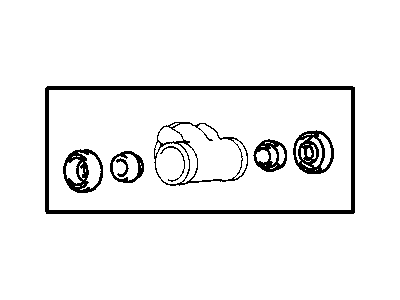
Chrysler Sebring Wheel Cylinder Overhaul Kit Part Number: MB134975
$7.23 MSRP: $11.54You Save: $4.31 (38%)Ships in 1-2 Business Days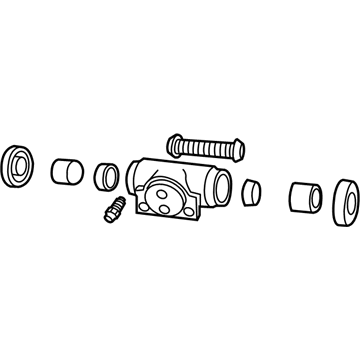
Chrysler Sebring Wheel Cylinder, Rear Part Number: 5191305AA
$39.26 MSRP: $59.12You Save: $19.86 (34%)Ships in 1-2 Business Days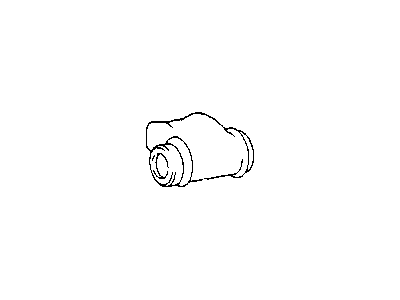
Chrysler Sebring Wheel Cylinder Part Number: 4762296
$36.14 MSRP: $45.81You Save: $9.67 (22%)Ships in 1-2 Business Days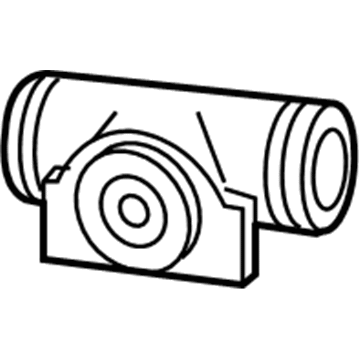
Chrysler Sebring Wheel Cylinder, Rear Part Number: 5096244AA
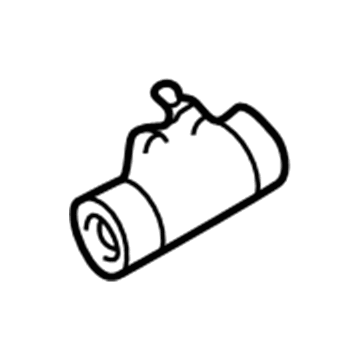
Chrysler Sebring Wheel Cylinder, Rear Part Number: MB193411
Chrysler Sebring Wheel Cylinder
Choose OEM Wheel Cylinder that meet Chrysler factory standards. Chrysler designs and tests every component for precision and durability. Each Wheel Cylinder follows strict manufacturing steps to lock in quality and fit. If your Chrysler Sebring matters to you, OEM parts make the smart choice. You'll get the exact look, feel, and performance you expect. Shop genuine Sebring parts at the highly competitive prices online. Enjoy a manufacturer's warranty, a hassle-free return policy, and rapid delivery. No more guesswork with off brands. Get genuine parts with exact fit and true factory performance. Shop with confidence today at JeepPartsDeal.com.
Wheel Cylinder is an essential component which is found in Chrysler Sebring vehicles for applying pressure on the brake shoes in order to touch the brake drum for stopping the automobile. This hydraulic system uses a pair of pistons, a pair of cup seals, and an expander spring to force the brake shoes out into the brake drum and to pull them back to their initial position when the brake pedal is released. It is stuck to the brake shoe and is often exposed to various harsh conditions therefore it corrodes, develops leaks and reduces the braking force as time goes on. A maintenance schedule is advised for the examination and care of the apparatus to guarantee peak functionality and security. If the damage is present, the wheel cylinder can be refurbished or the wheel cylinder can be changed for a new one which is more durable and has better features such as anti corrosive properties. It must be noted that the wheel cylinders should always be renewed when the brake shoes are attended to for servicing to guarantee safe operational conditions.
Chrysler Sebring Wheel Cylinder Parts and Q&A
- Q:How to Remove and Replace a Wheel Cylinder on Chrysler Sebring?A:First, keep yourself safe by holding the brake pedal, using an aid, so that just one inch of pedal travel occurs without affecting the master cylinder. After raising the vehicle, take out the mounting nuts from the suspension and remove the wheel and tire unit. Take out the drum brake shoes from the support plate. First, separate the brake tube at the wheel cylinder, after that unscrew the attachments and then remove the wheel cylinder from the support plate.
- Q:How to Effectively Service and Repair a Wheel Cylinder on Chrysler Sebring?A:Be sure to keep the parking brake down when you raise the vehicle, while servicing and repairing the wheel cylinder. Press on the brake pedal until you've gone past the first inch, then use a brake pedal manometer to keep the master cylinder from draining. Raise the vehicle so you can take off the tire and wheel. Remove the nut at the wheel cylinder from the flex hose tube and unscrew the hose from the brake caliper after capping its end with the adapter. Remove the Brake Drum and unbolt the wheel cylinder. Carefully pull the wheel cylinder and seal out of the space between the brake shoes and support plate. For installation, stick the seal onto the wheel cylinder mounting surface and fix the wheel cylinder between the brake shoes on the support plate, tighten all the mounting bolts to 13 Nm (115 inch lbs.). After measuring the brake shoes to the size of the brake drum, install the brake drum. Place the nut on the flex hose tube into the wheel cylinder, then tighten it to 17 Nm (145 inch lbs.) torque. Retrieve the tire and wheel and apply 135 Nm (100 ft. lbs.) to the wheel mounting nuts as you put the tire assembly back on. Turn the wheel while applying very light pressure, so that the brake drum lightly scrapes the shoes; then take off the brake pedal depressor and take out your wheel. When needed, bleed the wheel cylinder or circuit, take the vehicle on a road test and ensure it stops efficiently in both directions, with the automatic-adjuster adjusting the brakes while driving.
Related Chrysler Sebring Parts
 Chrysler Sebring Brake Pads
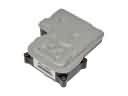 Chrysler Sebring ABS Control Module
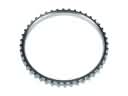 Chrysler Sebring ABS Reluctor Ring
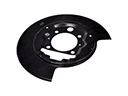 Chrysler Sebring Backing Plate
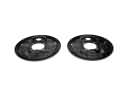 Chrysler Sebring Brake Dust Shields
 Chrysler Sebring Brake Rotor
 Chrysler Sebring Brake Shoe Set
 Chrysler Sebring Hydraulic Hose
 Chrysler Sebring Parking Brake Shoes
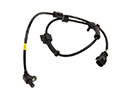 Chrysler Sebring Speed Sensor
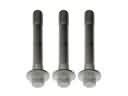 Chrysler Sebring Wheel Hub Bolt
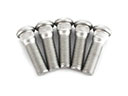 Chrysler Sebring Wheel Stud