JeepParts
My Garage
My Account
Cart
OEM Dodge Fuel Tank Strap
Gas Tank Strap- Select Vehicle by Model
- Select Vehicle by VIN
Select Vehicle by Model
orMake
Model
Year
Select Vehicle by VIN
For the most accurate results, select vehicle by your VIN (Vehicle Identification Number).
70 Fuel Tank Straps found
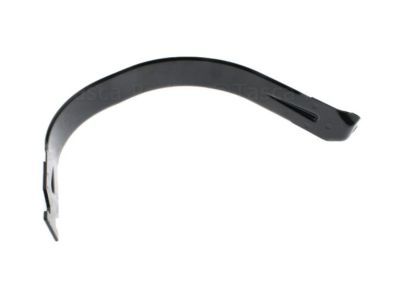
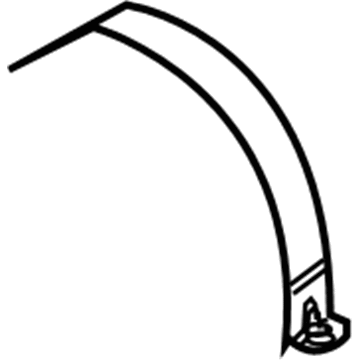
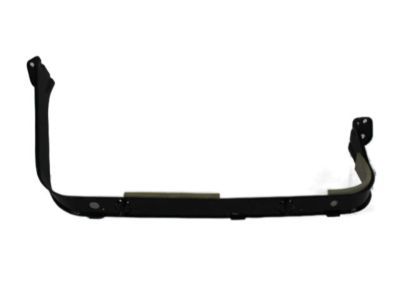
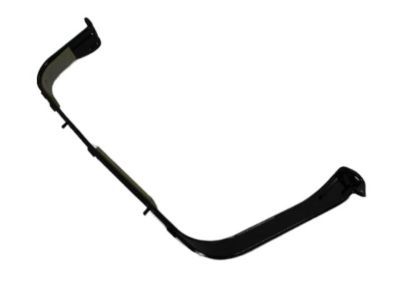
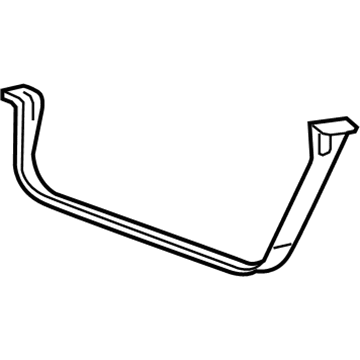
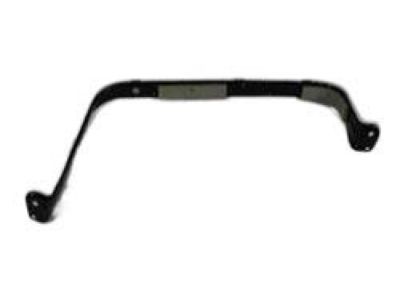
Dodge Fuel Tank Strap, Front Part Number: 52102671AB
$64.56 MSRP: $96.80You Save: $32.24 (34%)Ships in 1-2 Business DaysProduct Specifications- Other Name: Strap - Fuel Tank; Fuel Tank Strap, Front; Strap Fuel Tank
- Position: Front
- Replaces: 52102671AA
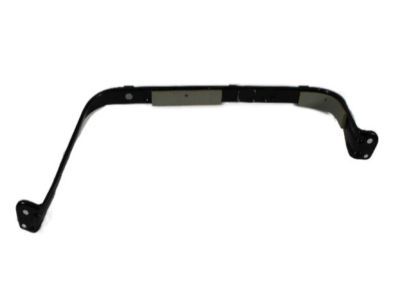
Dodge Mount Strap, Driver Side Part Number: 4578653AB
$60.49 MSRP: $90.65You Save: $30.16 (34%)Ships in 1-2 Business DaysProduct Specifications- Other Name: Strap - Fuel Tank; Fuel Tank Strap, Left; Strap Fuel Tank Left; Strap Fuel Tank; Fuel Tank Strap
- Position: Driver Side
- Replaces: 4581413AD, 4581413AE, 4578653AA, 4581413AB, 4581413AC
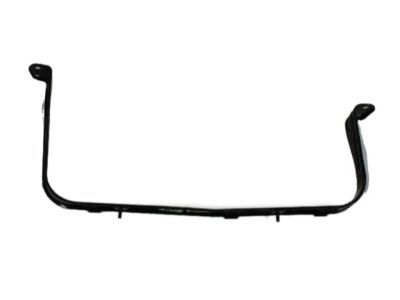
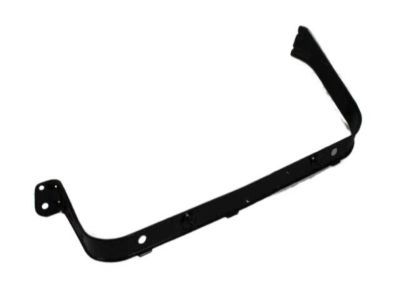
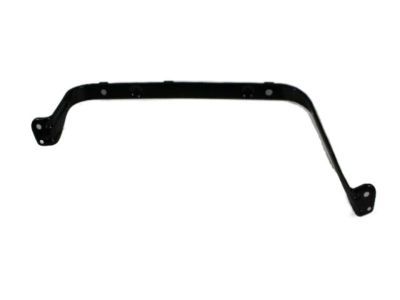
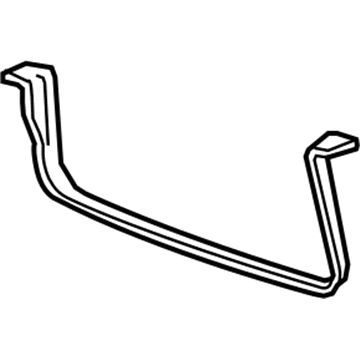
Dodge Mount Strap, Passenger Side Part Number: 4578652AB
$60.88 MSRP: $91.30You Save: $30.42 (34%)Ships in 1-2 Business DaysProduct Specifications- Other Name: Strap - Fuel Tank; Fuel Tank Strap, Right; Strap Fuel Tank Right; Strap Fuel Tank; Fuel Tank Strap
- Position: Passenger Side
- Replaces: 4581414AC, 4578652AA, 4581414AD, 4581414AB
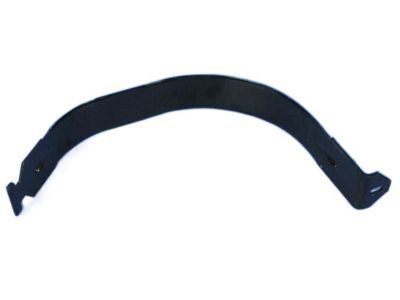
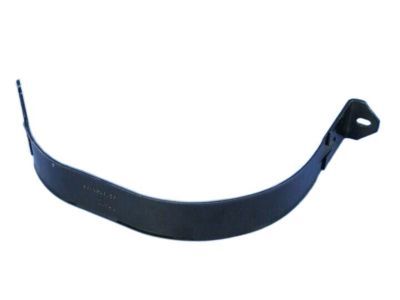
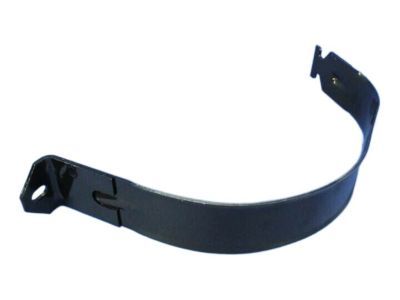
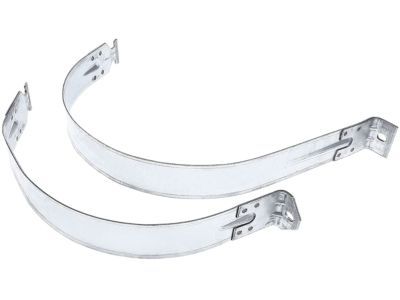
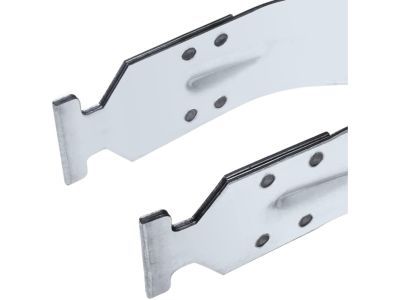
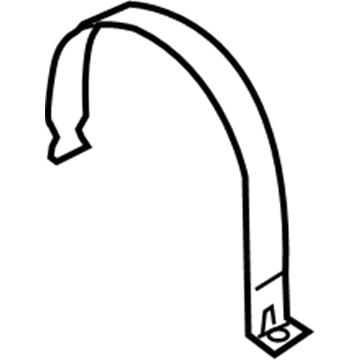
Dodge Tank Strap, Front Part Number: 52102527AB
$26.05 MSRP: $38.45You Save: $12.40 (33%)Ships in 1-2 Business DaysProduct Specifications- Other Name: Strap - Fuel Tank; Fuel Tank Strap, Front, Rear; Fuel Tank Strap; Strap Fuel Tank
- Position: Front
- Replaces: 52102527AA
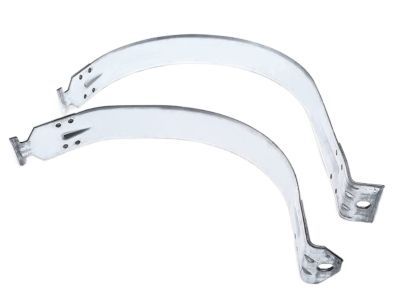
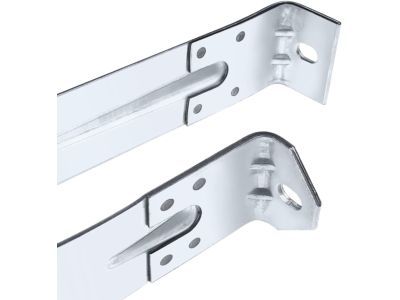
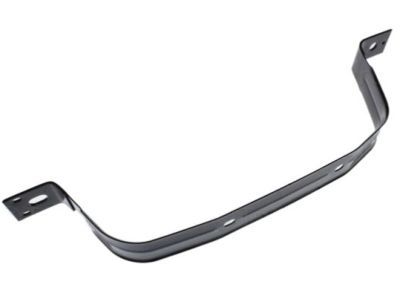
Dodge Tank Strap, Rear Part Number: 68299820AA
$34.60 MSRP: $50.90You Save: $16.30 (33%)Ships in 1-2 Business DaysProduct Specifications- Other Name: Strap - Fuel Tank; Fuel Tank Strap, Rear; Fuel Tank Strap; Strap Fuel Tank
- Position: Rear
- Replaces: 52102522AD, 52102522AA, 52102522AC, 52102522AB

Dodge Tank Strap, Rear Part Number: 4726070AB
$45.09 MSRP: $66.05You Save: $20.96 (32%)Ships in 1-2 Business DaysProduct Specifications- Other Name: Strap - Fuel Tank; Fuel Tank Strap, Rear; Strap Fuel Tank; Fuel Tank Strap
- Position: Rear
- Replaces: 68148069AB, 68148069AA
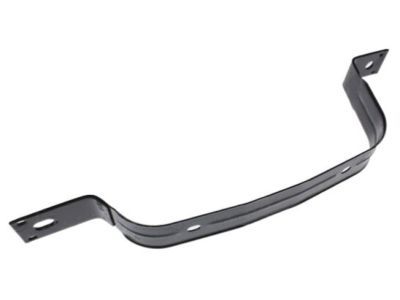

Dodge Tank Strap, Front Part Number: 4578793AC
$44.49 MSRP: $66.05You Save: $21.56 (33%)Ships in 1-2 Business DaysProduct Specifications- Other Name: Strap - Fuel Tank; Fuel Tank Strap, Front; Strap Fuel Tank; Fuel Tank Strap
- Position: Front
- Replaces: 68148068AB, 68148068AA
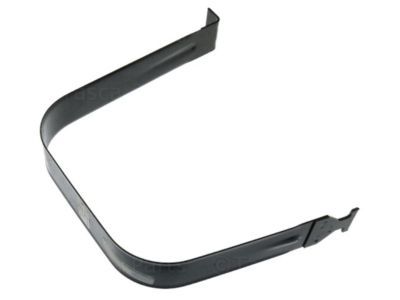
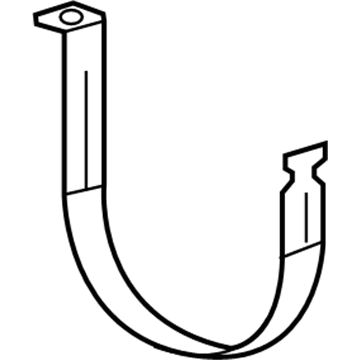
Dodge Tank Strap, Rear Part Number: 55398299AA
$49.13 MSRP: $72.05You Save: $22.92 (32%)Ships in 1-3 Business DaysProduct Specifications- Other Name: Strap - Fuel Tank; Fuel Tank Strap, Rear; Strap Fuel Tank; Fuel Tank Strap
- Position: Rear
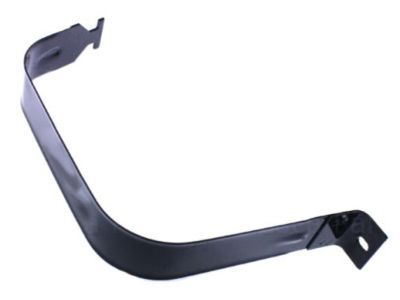
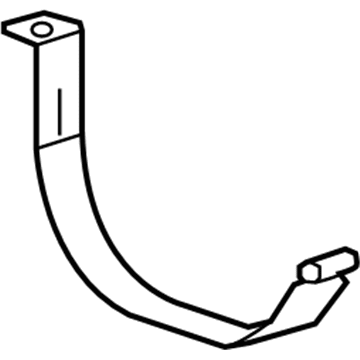
Dodge Tank Strap, Front Part Number: 55398298AA
$32.38 MSRP: $47.35You Save: $14.97 (32%)Ships in 1-2 Business DaysProduct Specifications- Other Name: Strap - Fuel Tank; Fuel Tank Strap, Front; Strap Fuel Tank; Fuel Tank Strap
- Position: Front
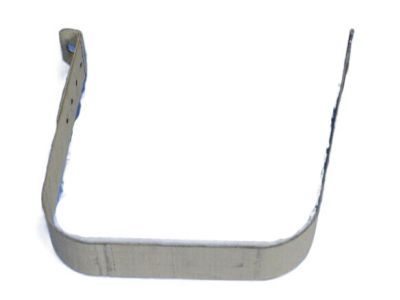
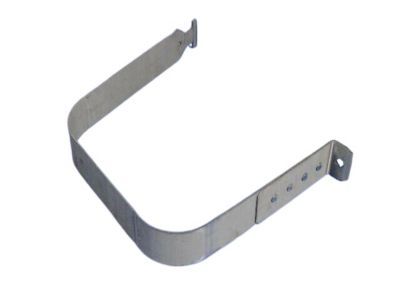
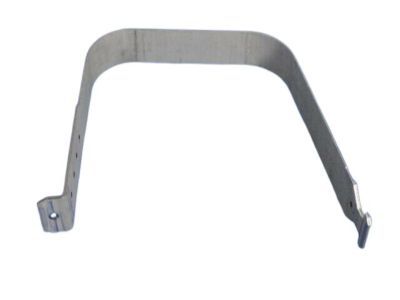
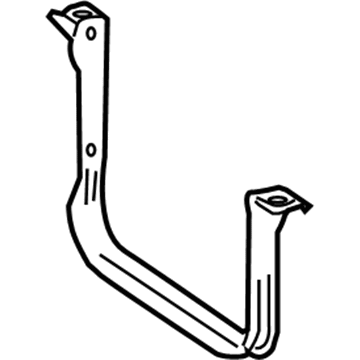
Dodge Fuel Tank Strap Part Number: 52102058AC
$54.87 MSRP: $69.56You Save: $14.69 (22%)Ships in 1-2 Business DaysProduct Specifications- Other Name: Strap - Fuel Tank; Strap Fuel Tank
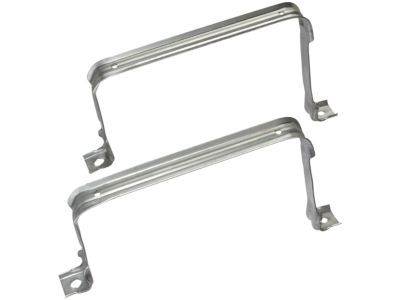
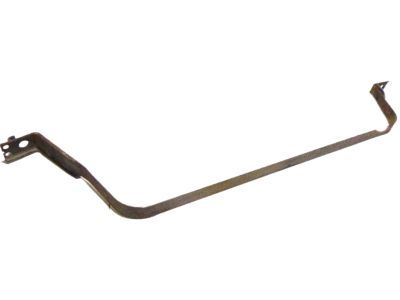
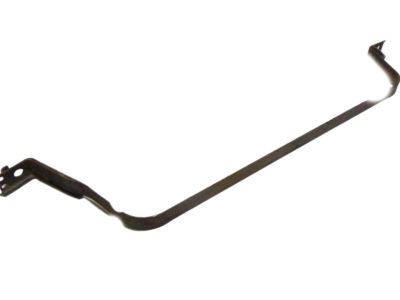
Dodge Tank Strap Part Number: 68013514AA
$18.15 MSRP: $20.85You Save: $2.70 (13%)Ships in 1-2 Business DaysProduct Specifications- Other Name: Strap - Fuel Tank; Fuel Tank Strap; Strap Fuel Tank
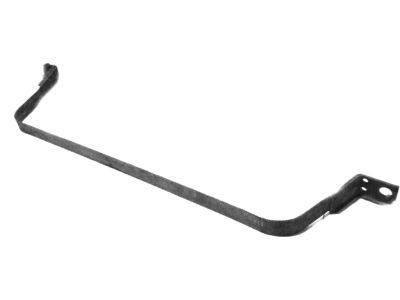

Dodge Cover Mount Strap, Driver Side Part Number: MR271383
Product Specifications- Other Name: Strap - Fuel Tank; Fuel Tank Strap, Left; Strap Fuel Tank; Fuel Tank Strap
- Position: Driver Side
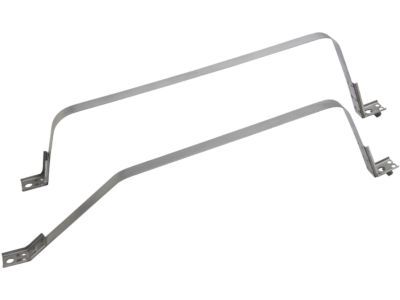
Dodge Cover Mount Strap, Passenger Side Part Number: MR271382
Product Specifications- Other Name: Strap - Fuel Tank; Fuel Tank Strap, Right; Strap Fuel Tank
- Position: Passenger Side
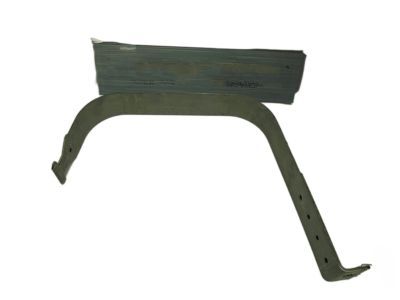
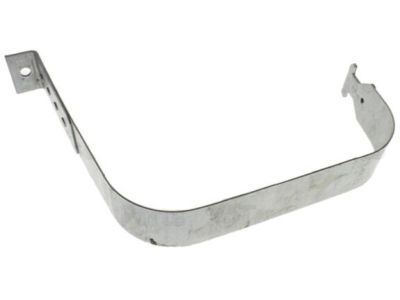
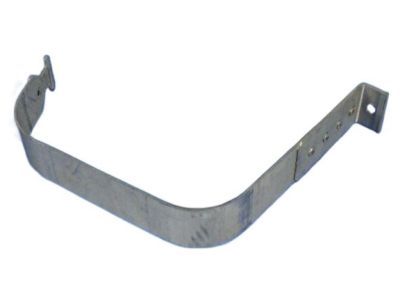
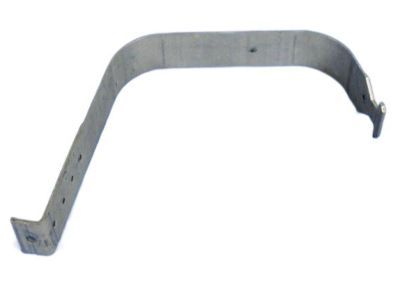
Dodge Fuel Tank Strap Part Number: 52102059
Product Specifications- Other Name: Strap - Fuel Tank; Strap Fuel Tank
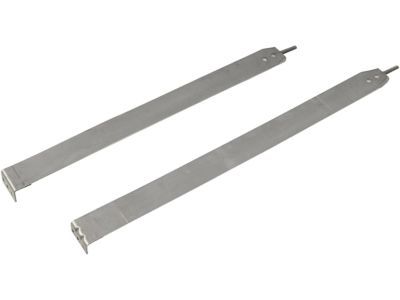
Dodge Fuel Tank Strap, Rear Part Number: 52004683
Product Specifications- Other Name: Strap - Assembly - Fuel Tank Rear Support; Strap, Fuel Tank - Rear; Strap, Rear Support
- Position: Rear

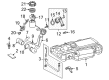
Dodge Tank Strap Part Number: 5104102AA
Product Specifications- Other Name: Strap - Fuel Tank; Fuel Tank Strap; Strap Fuel Tank
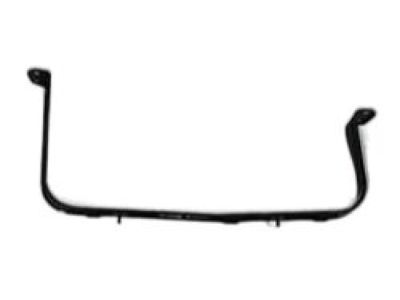
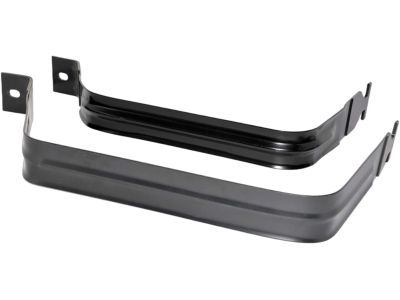
Dodge Tank Strap Part Number: 4279174
Product Specifications- Other Name: Strap; Fuel Tank Strap; Support Strap; Tank Assembly Mount Strap; Tank Assembly Strap; Strap, Fuel Tank Support, Right; Strap, Fuel Tank Support
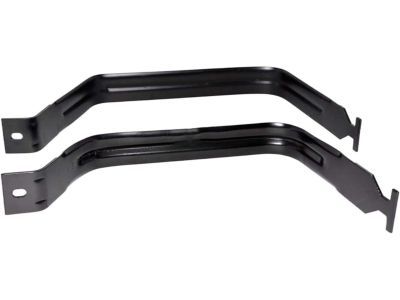
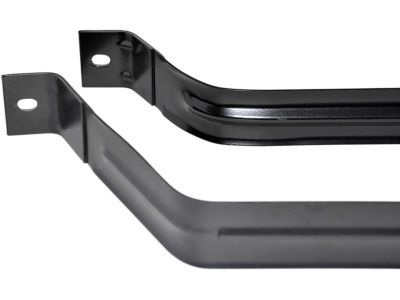
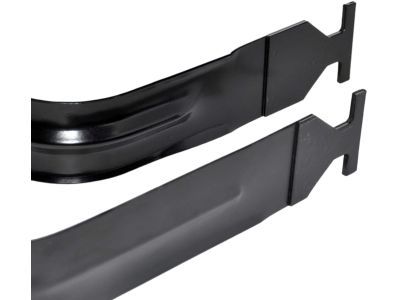
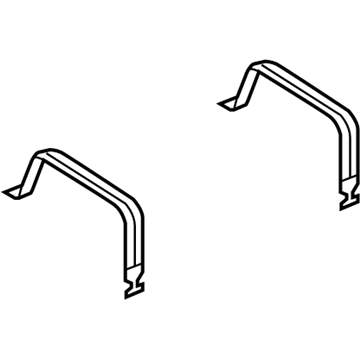
Dodge Fuel Tank Strap, Front Part Number: 52113397AA
Product Specifications- Other Name: Strap - Fuel Tank; Fuel Tank Strap, Front; Strap Fuel Tank
- Position: Front
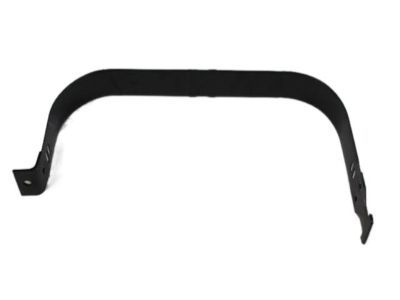
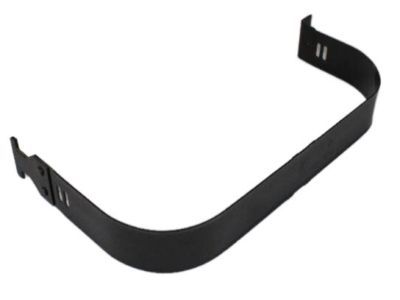
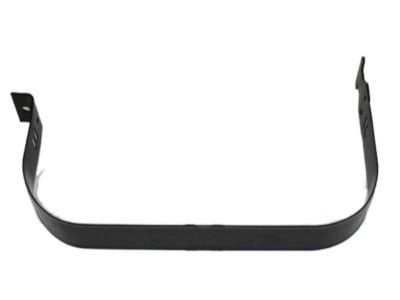
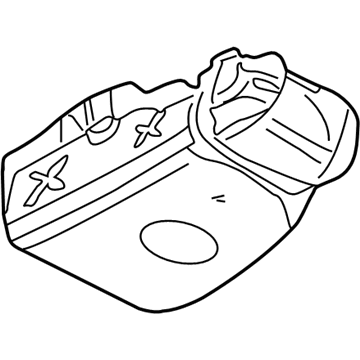
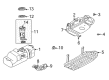
Dodge Fuel Tank Strap, Rear Part Number: 52102141AE
Product Specifications- Other Name: Strap - Fuel Tank; Fuel Tank Strap, Rear; Strap Fuel Tank
- Position: Rear
- Replaces: 52102141AD

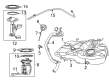
Dodge Fuel Tank Strap, Driver Side Part Number: 5105549AC
$39.27 MSRP: $56.55You Save: $17.28 (31%)Product Specifications- Other Name: Strap - Fuel Tank; Fuel Tank Strap, Left; Strap; Strap Fuel Tank
- Position: Driver Side
- Replaces: 5105549AB, 5105549AA
| Page 1 of 4 |Next >
1-20 of 70 Results
Dodge Fuel Tank Strap
OEM parts sourced directly from Dodge deliver superior quality, long lasting strength, and a precise fit you can trust. Each item goes through strict quality checks to ensure safety, toughness, and performance that matches your factory equipment. At JeepPartsDeal online shop, you'll get top-quality, budget-friendly OEM Dodge Fuel Tank Strap for your vehicle. We focus on giving you a high standard without pushing up the price. Our full selection of genuine factory products comes backed by the original manufacturer's warranty. You'll love our fast delivery, seamless shopping experience, and convenient return policy, saving you all the hassle.
The Dodge Fuel Tank Strap is applied to ensure that the gas reservoir is firmly fixed to the chassis to prevent vibration, and also provide the drivers with confidence on any road. Dodge has been a symbol of brute strength and manliness since 1914, the first all steel body, famous HEMI engines, Dodge Viper supercar, and the recent Fratzonic Chambered Exhaust that allows electric muscle to roar or whisper in Stealth Mode. Raw design will combine with intelligent technology allowing a switch between Drag, Donut, and Sport Modes, therefore, making all Dodges feel like they are on the track but remain social to drive in real life. This tradition requires even a minor component such as the Fuel Tank Strap to consist of heavy, corrosion resistant steel which encircles the lines of the tank and clings to it during the hard takeoffs or rough avenues. The owners of a modern Dodge have faith in power. A new Fuel Tank Strap is fitted by parking the Dodge on a level floor, disconnecting the battery and holding up the tank using a jack and wood block. Disconnect fuel line pressure, then unclip hoses, wiring, and filler neck in order to have nothing snag. One hand holds the tank even, loosen and take off rusty hardware and the old straps. Install the fresh Fuel Tank Strap around the tank, hand thread all the bolts. Screw them, and do not get the band twisted, to make sure they clear of the lines and the exhaust, to reconnect all the hoses and wires, to bring the vehicle down, and to run the engine a little and see whether the hoses hold water.
Related Dodge Parts
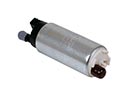 Dodge Fuel Pump
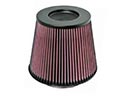 Dodge Air Filter
 Dodge Fuel Pressure Regulator
 Dodge Intake Manifold
 Dodge Intake Manifold Gasket
 Dodge Air Intake Coupling
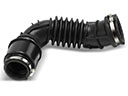 Dodge Air Intake Hose
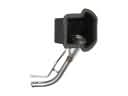 Dodge Fuel Filler Neck
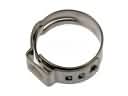 Dodge Fuel Line Clamps
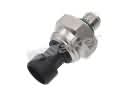 Dodge Fuel Pressure Sensor
 Dodge Fuel Pump Tank Seal
 Dodge Fuel Pump Wiring Harness
Browse Dodge Fuel Tank Strap by Models
Charger Challenger Ram 1500 Dakota Durango Viper Dart Grand Caravan Ram 2500 Journey Caravan Avenger D150 Magnum Neon Caliber Dynasty Intrepid Ram 3500 Shadow Spirit Stratus W250 B250 B350 D250 D350 Daytona Hornet Ram 1500 Van Sprinter 2500 Sprinter 3500 W150 W350 B2500 Lancer B150 B1500 B3500 Ram 2500 Van Ram 3500 Van