JeepParts
My Garage
My Account
Cart
OEM Dodge Magnum Brake Disc
Disc Rotor- Select Vehicle by Model
- Select Vehicle by VIN
Select Vehicle by Model
orMake
Model
Year
Select Vehicle by VIN
For the most accurate results, select vehicle by your VIN (Vehicle Identification Number).
6 Brake Discs found
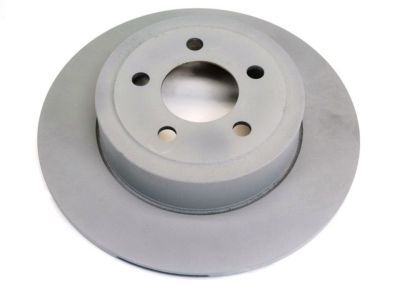
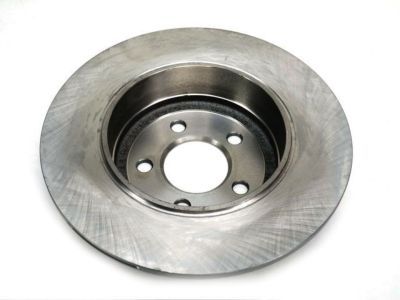
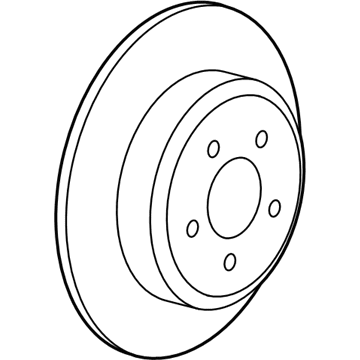
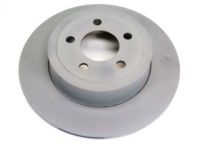
Dodge Magnum Rotor, Rear Part Number: 68368070AA
$100.68 MSRP: $151.00You Save: $50.32 (34%)Ships in 1-2 Business Days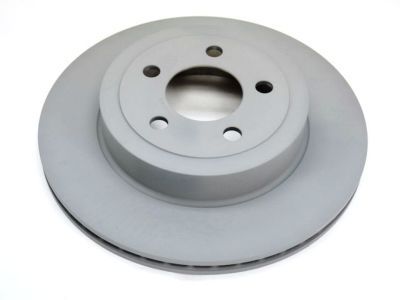
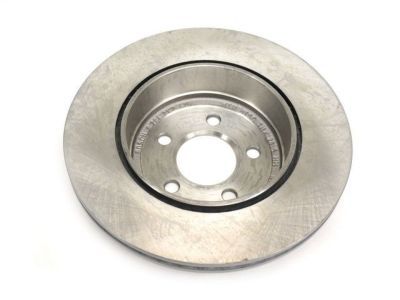
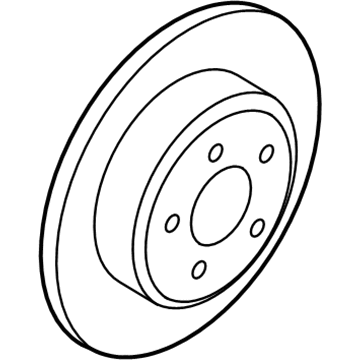
Dodge Magnum Rotor, Rear Part Number: 68368071AA
$123.04 MSRP: $189.00You Save: $65.96 (35%)Ships in 1-2 Business Days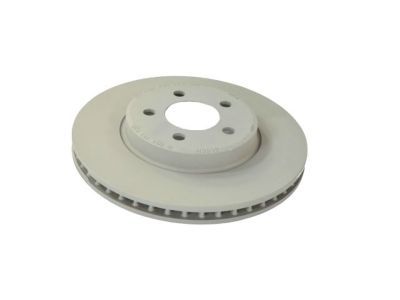
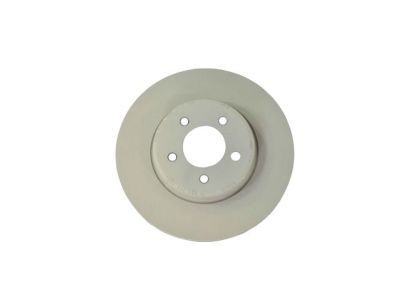
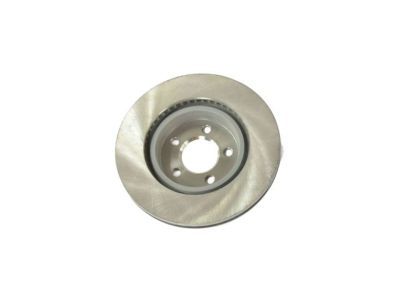
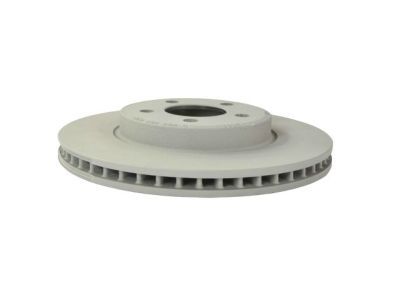
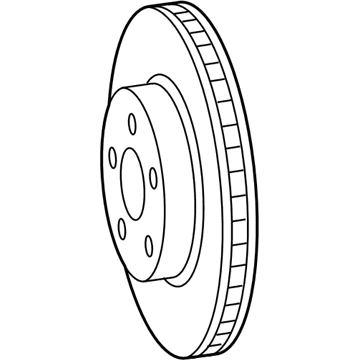
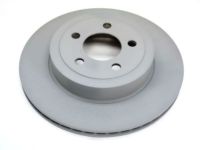
Dodge Magnum Rotor, Front Part Number: 68368064AA
$99.20 MSRP: $152.00You Save: $52.80 (35%)Ships in 1-2 Business Days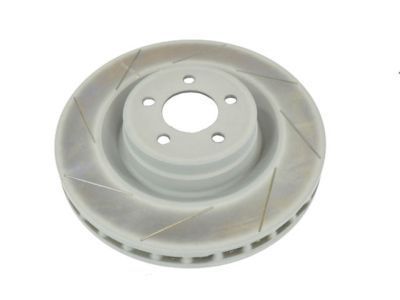
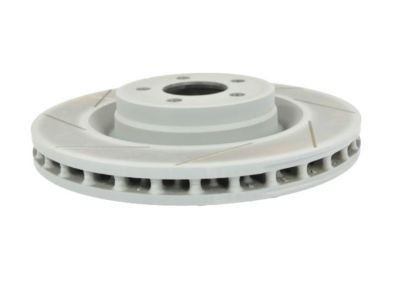
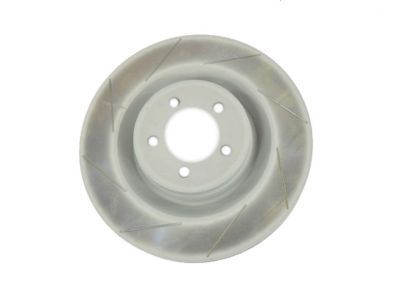
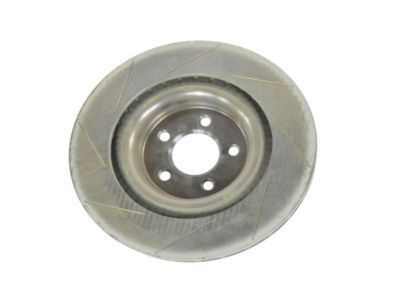
Dodge Magnum Rotor, Front Part Number: 5290537AD
$130.30 MSRP: $192.00You Save: $61.70 (33%)Ships in 1-2 Business Days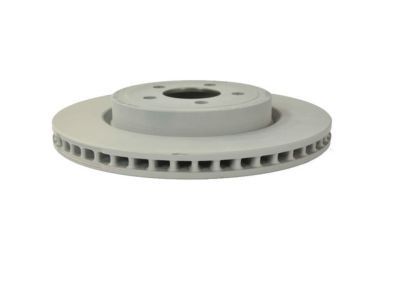
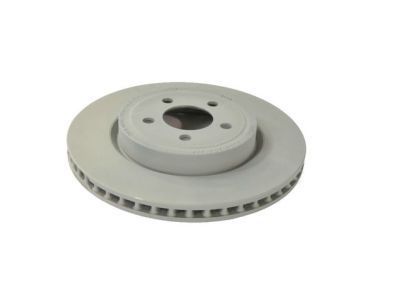
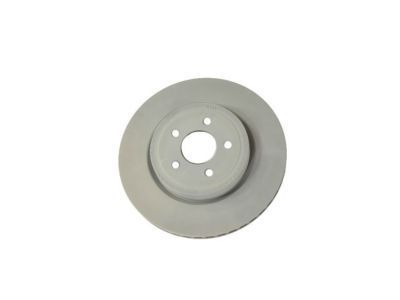
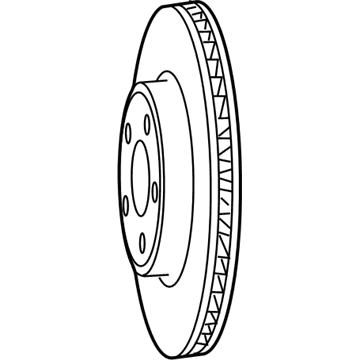
Dodge Magnum Rotor, Front Part Number: 68368065AA
$125.22 MSRP: $192.00You Save: $66.78 (35%)Dodge Magnum Rotor, Rear Part Number: 68368073AA
$125.22 MSRP: $192.00You Save: $66.78 (35%)
Dodge Magnum Brake Disc
Choose OEM Brake Disc that meet Dodge factory standards. Dodge designs and tests every component for precision and durability. Each Brake Disc follows strict manufacturing steps to lock in quality and fit. If your Dodge Magnum matters to you, OEM parts make the smart choice. You'll get the exact look, feel, and performance you expect. Shop genuine Magnum parts at the highly competitive prices online. Enjoy a manufacturer's warranty, a hassle-free return policy, and rapid delivery. No more guesswork with off brands. Get genuine parts with exact fit and true factory performance. Shop with confidence today at JeepPartsDeal.com.
The Brake Disc in Dodge Magnum vehicles is quite an important component of the entire disc brake system; this because it affords the much needed friction surface to the brake pads with which to slow or halt the car's movement. It is attached to the axle or hub and turns with the wheel, and when the brake is applied, hydraulic pressure is used to squeeze the caliper and squash the pads against the rotor. This design also for the flow of heat, particularly in the vented rotors which are designed with cooling fins. Dodge Magnum vehicles may also come in various Brake Discs styles; these may be the solid and the vented styles. Drum Brake Discs are generally anodized for all vehicle models except for sports or economy car models that use solid Brake Discs to reduce their unsprung weight while Sport brake or high-performance models use ventilated or twin drilled Brake Discs for better cooling. The main differences are based on the cooling performance and the conditions on the road for which these types are fit for purpose. Checking and servicing the Brake Disc occasionally is crucial for avoiding troubles such as warping or extreme wear of the part to provide perfect braking.
Dodge Magnum Brake Disc Parts and Q&A
- Q: How to Remove and Replace a Brake Disc on an SRT8 for Rear on Dodge Magnum?A:Before changing the rear brake rotor/disc on your SRT8, remember to raise and lift the vehicle with a support jack. Undo the wheel mounting nuts and remove the whole tire and wheel together. When you push the Pistons back, use only a soft tool to prevent anything from touching or scratching the Brake Pad, rotor or dust seals. Slip the trim stick beneath the brake pad and against the rotor's outside edge, then continue to press until the piston on each side goes all the way down into the caliper bore. Also perform this task on the other brake pad and pistons if needed. Raise the link only enough with a transmission jack to make the lower Brake Caliper bolt visible above the spring compressor. Take the brake caliper with pads off of the knuckle and rotor after removing the caliper mounting bolts. Hang the assembly from the wheel with some wire or a bungee cord to keep it out of the way, making sure you do not extend the brake hose too far. After that, disconnect the retained clips holding the brake rotor to the wheel mounting studs, then lift the brake rotor off the hub and bearing.
- Q: How to Service and Repair a Brake Disc on Dodge Magnum?A:Raise and support the vehicle to start and then remove the nuts holding the wheels before taking out the tire and wheel assembly. Sometimes, you'll need to push the caliper piston back so there's enough room to remove the caliper, but make sure not to press directly on the piston. On all-wheel drive (AWD) vehicles, undo the two bolts that attach the disc Brake Caliper and adapter to the knuckle. Afterward, remove the caliper and adapter from the knuckle, let it hang and be certain the brake hose is not too stretched out. Be sure to tighten and loosen the bolts on the rear knuckle for rear-wheel drive (RWD) vehicles the same way. After that, unclip any brake rotor fasteners connecting it to the Wheel Studs and pull the rotor off the hub and bearing. Check the brake shoes before you install them. After cleaning the hub face, remove any filth or corrosion and install the new brake rotor over the studs and bearing on the hub. Tighten the screws of the adapter and caliper on the rotor to 95 Nm (70 ft. lbs.) for AWD. Proceed with the caliper and adapter assembly, adding the appropriate bolts after checking the tightness with the torque multiple times. After you have put the tire and wheel back on, fasten the wheel mounting nuts to 150 Nm (110 ft. lbs.) and cruise over the brake pedal insistently. Check the brake fluid in the reservoir and repeat a road test to allow the brakes to seat the linings correctly.
Related Dodge Magnum Parts
 Dodge Magnum ABS Control Module
 Dodge Magnum Brake Booster
 Dodge Magnum Brake Caliper
 Dodge Magnum Brake Caliper Bolt
 Dodge Magnum Brake Caliper Bracket
 Dodge Magnum Brake Caliper Piston
 Dodge Magnum Brake Dust Shield
 Dodge Magnum Brake Line
 Dodge Magnum Brake Pad
 Dodge Magnum Hydraulic Hose
 Dodge Magnum Wheel Bearing Dust Cap
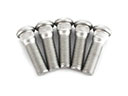 Dodge Magnum Wheel Stud