JeepParts
My Garage
My Account
Cart
OEM Dodge Spindle
Axle Spindle- Select Vehicle by Model
- Select Vehicle by VIN
Select Vehicle by Model
orMake
Model
Year
Select Vehicle by VIN
For the most accurate results, select vehicle by your VIN (Vehicle Identification Number).
5 Spindles found

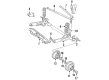
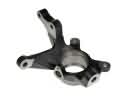
Dodge Spindle, Rear Part Number: 4228117
Product Specifications- Other Name: Spindle, Rear Wheel Mounting
- Position: Rear
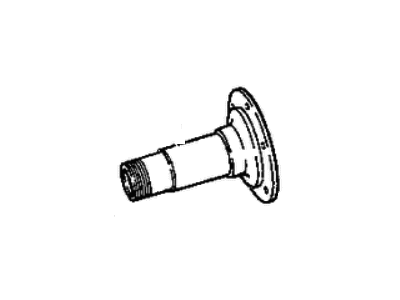
Dodge Spindle Part Number: 4089295
Product Specifications- Other Name: Front/Wheel Bearing Dana #620061D; Spindle, Front Wheel Bearing
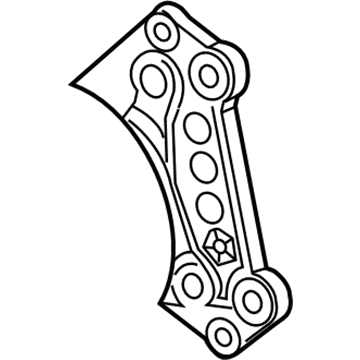
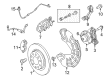
Dodge Spindle, Rear Driver Side Part Number: 68081547AA
Product Specifications- Other Name: Spindle - Rear; Suspension Knuckle, Rear Left; Spindle Rear
- Position: Rear Driver Side
Dodge Spindle, Rear Passenger Side Part Number: 68081546AA
Product Specifications- Other Name: Spindle - Rear; Suspension Knuckle, Rear Right; Spindle Rear
- Position: Rear Passenger Side

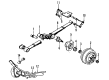
Dodge Spindle Part Number: 4228124
Product Specifications- Other Name: Spindle - Rear Suspension Wheel Mounting; Spindle, Rear Suspension W/Standard Suspension; W/4 Hole Flange; Wheel Mounting.
Dodge Spindle
OEM parts sourced directly from Dodge deliver superior quality, long lasting strength, and a precise fit you can trust. Each item goes through strict quality checks to ensure safety, toughness, and performance that matches your factory equipment. At JeepPartsDeal online shop, you'll get top-quality, budget-friendly OEM Dodge Spindle for your vehicle. We focus on giving you a high standard without pushing up the price. Our full selection of genuine factory products comes backed by the original manufacturer's warranty. You'll love our fast delivery, seamless shopping experience, and convenient return policy, saving you all the hassle.
The stout steel shaft that holds the front hub to the suspension is called the Dodge Spindle and allows the wheels to turn true as it gulps cornering loads without difficulty. Developed out of the same grit that took Dodge to the racetracks, the part carries with it the brute reliability obsession of the brand. The Dodge rides of modernity are pushed to giant torque via all-steel frames and the beating is absorbed by the Spindle which does not flex, enabling tires to remain flat and grip more. Experienced Dodge enthusiasts like alloys that do not corrode as the roads salt them and alloys that reduce vibration which normally cuts bearings with precision ground journals. Add it to the new Fratzonic Chambered Exhaust and even an electric muscle car maintains its posture on launch, the exhaust scream equally the assertive handling sensation provided by the Spindle. Every Dodge part comes pre-treated with high moly grease that saves you the hassle of preparing parts and half the time of installing the part with a slicing tool. The more thread pitch on the nut, the better the preload is controlled; hence, alignment is maintained after several months of potholes. To install the second Spindle, park on level ground, chock the rear tires, loosen the axle nut, jack, move the caliper and rotor, slide the hub down, tap the previous part out with a soft mallet, clean the knuckle bore, apply fresh grease, press the new shaft until it snaps in place, tighten the nut to specification, reassemble the brake stack, spin the wheel by hand with zero drag, and drop the car; finally, re-torque it after testing it briefly with a short run.