JeepParts
My Garage
My Account
Cart
OEM Dodge Trailing Arm
Trailing Control Arm- Select Vehicle by Model
- Select Vehicle by VIN
Select Vehicle by Model
orMake
Model
Year
Select Vehicle by VIN
For the most accurate results, select vehicle by your VIN (Vehicle Identification Number).
13 Trailing Arms found
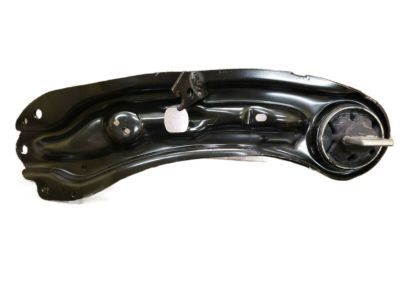
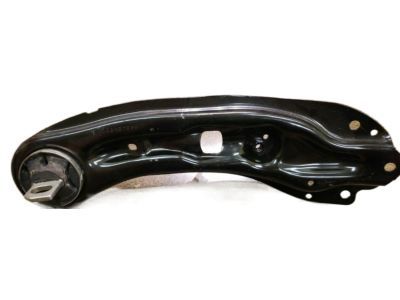
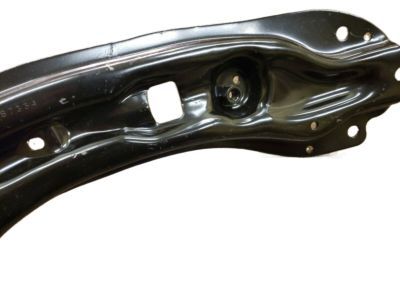
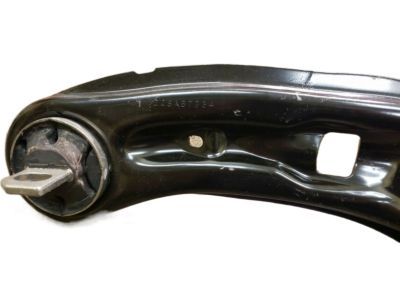
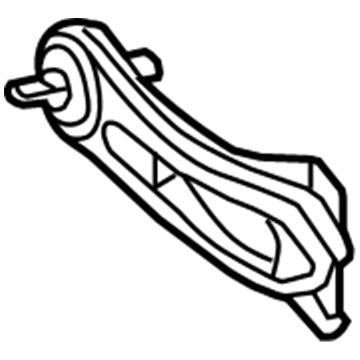
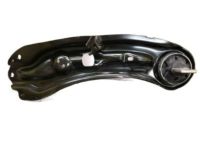
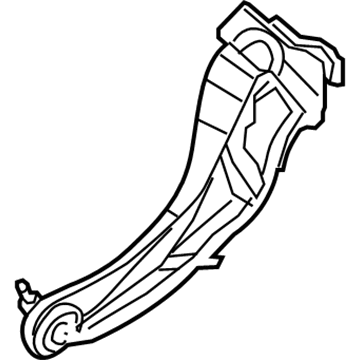
Dodge Trailing Arm, Rear Passenger Side Part Number: 68275401AC
$166.14 MSRP: $249.00You Save: $82.86 (34%)Ships in 1-2 Business DaysProduct Specifications- Other Name: Link - Trailing Arm; Suspension Trailing Arm, Rear Right; Suspension Control Arm, Rear Right; Link Assembly Trailing Arm; Suspension Trailing Arm
- Position: Rear Passenger Side
- Replaces: 5085416AD, 5085416AF, 5085416AE, 68275401AB, 68275401AA
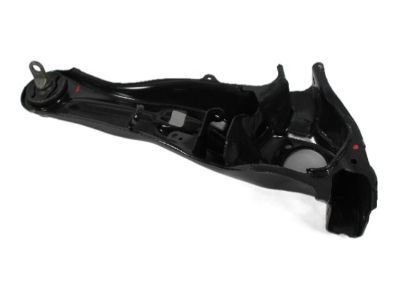
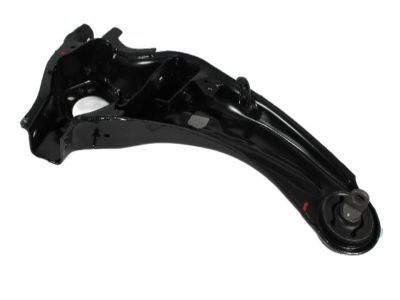
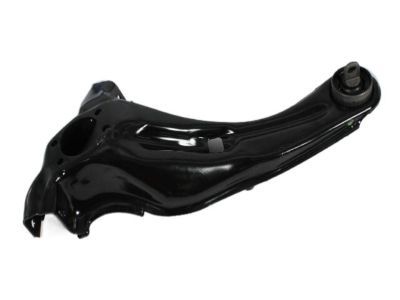
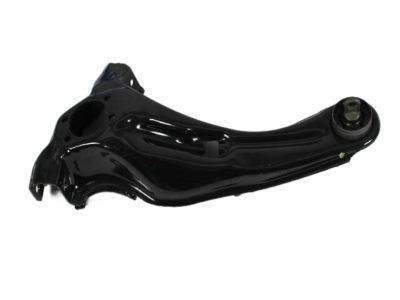
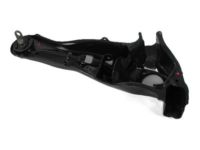
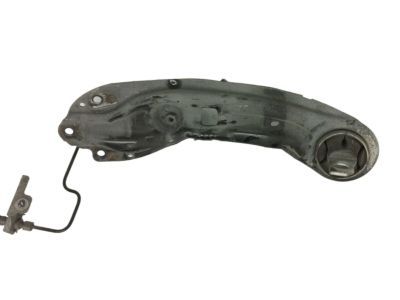
Dodge Trailing Arm, Rear Passenger Side Part Number: 5105930AB
$135.88 MSRP: $202.00You Save: $66.12 (33%)Product Specifications- Other Name: Link - Trailing Arm; Suspension Trailing Arm, Rear Right; Link Trailing Rear Suspension; Link Trailing Arm; Link
- Position: Rear Passenger Side
- Replaces: 5105930AA, 5272714AD, 5272714AB, 5272714AC, 5272714AA
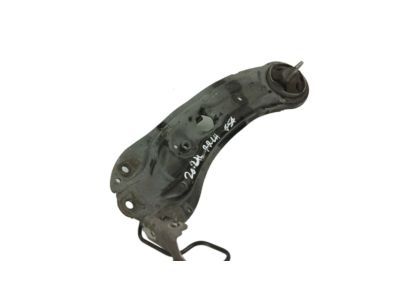
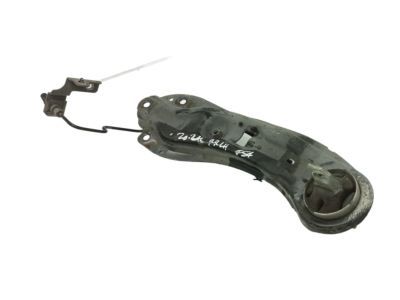
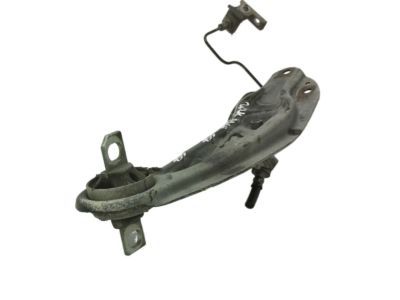
Dodge Trailing Arm, Rear Driver Side Part Number: 68275399AC
$170.60 MSRP: $258.04You Save: $87.44 (34%)Product Specifications- Other Name: Link - Trailing Arm; Suspension Trailing Arm, Rear Left; Suspension Control Arm, Rear Left; Link Assembly Trailing Arm; Suspension Trailing Arm
- Position: Rear Driver Side
- Replaces: 5085415AE, 5085415AF, 5085415AD, 68275399AB, 68275399AA
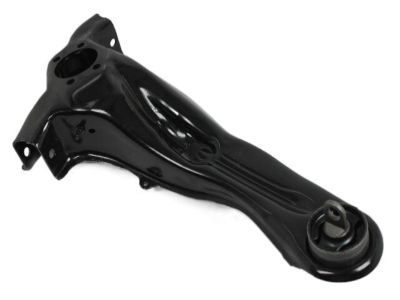
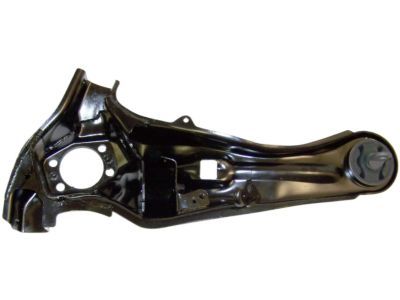
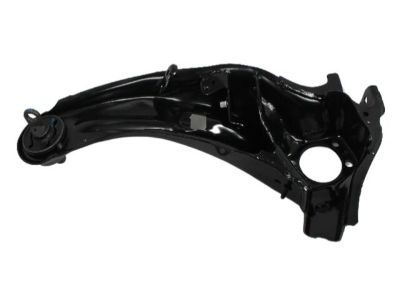
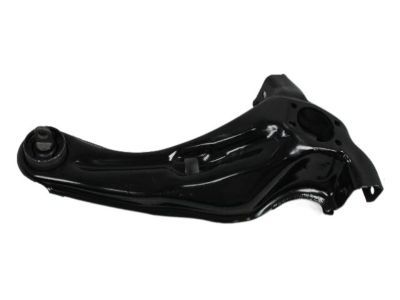
Dodge Trailing Arm, Rear Driver Side Part Number: 5272715AD
$247.52 MSRP: $374.00You Save: $126.48 (34%)Ships in 1-2 Business DaysProduct Specifications- Other Name: Link - Trailing Arm; Suspension Trailing Arm, Rear Left; Link Trailing Rear Suspension; Link Trailing Arm; Link
- Position: Rear Driver Side
- Replaces: 5272715AA, 5272715AB, 5272715AC
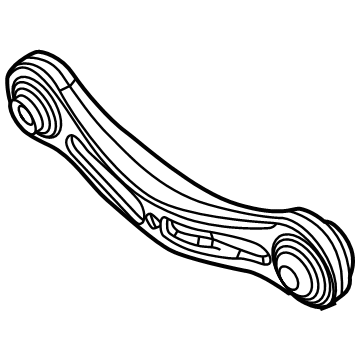
Dodge Link - Suspension Part Number: 68590964AB
$79.50 MSRP: $119.00You Save: $39.50 (34%)Ships in 1-2 Business DaysProduct Specifications- Other Name: LINK-SUSPENSION
- Replaced by: 68590964AC
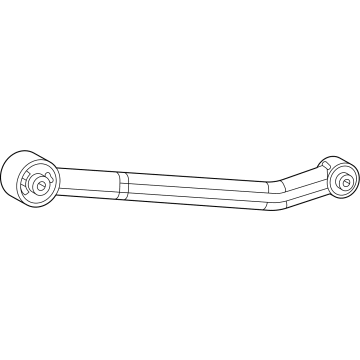
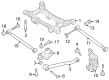
Dodge Link - Trailing Arm Part Number: 68645315AA
$50.18 MSRP: $74.45You Save: $24.27 (33%)Product Specifications- Other Name: LINK-TRAILING ARM
Dodge Link - Trailing Arm Part Number: 68645317AA
$123.55 MSRP: $169.00You Save: $45.45 (27%)Ships in 1-2 Business DaysProduct Specifications- Other Name: LINK-TRAILING ARM
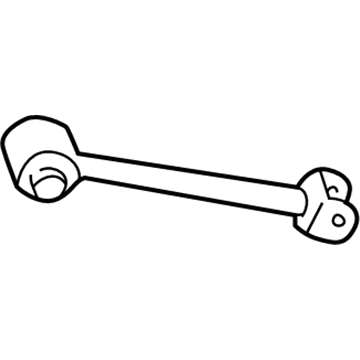
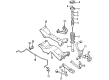
Dodge Trailing Arm, Rear Part Number: MB864731
$95.34 MSRP: $120.86You Save: $25.52 (22%)Ships in 1-2 Business DaysProduct Specifications- Other Name: Arm - Trailing; Suspension Trailing Arm, Rear; Arm Assembly, Rear Suspension Trailing; Arm Trailing
- Position: Rear

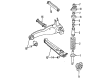
Dodge Trailing Arm Part Number: MR223145
$218.67 MSRP: $357.41You Save: $138.74 (39%)Ships in 1-2 Business DaysProduct Specifications- Other Name: Arm - Trailing
- Replaced by: MR297388
Dodge Link - Suspension Part Number: 68590965AB
$75.12 MSRP: $112.00You Save: $36.88 (33%)Product Specifications- Other Name: LINK-SUSPENSION
Dodge Trailing Arm Part Number: MB870330
Product Specifications- Other Name: Arm - Trailing; Suspension Trailing Arm; Arm Assembly, Rear Suspension Trailing; Arm Trailing
Dodge Trailing Arm Part Number: 4582534
Product Specifications- Other Name: Link - Trailing; Link, Trailing Body To Knuckle; Arm Trailing
Dodge Trailing Arm Part Number: MR297388
Product Specifications- Other Name: Arm - Trailing
- Replaces: MR223145
Dodge Trailing Arm
OEM parts sourced directly from Dodge deliver superior quality, long lasting strength, and a precise fit you can trust. Each item goes through strict quality checks to ensure safety, toughness, and performance that matches your factory equipment. At JeepPartsDeal online shop, you'll get top-quality, budget-friendly OEM Dodge Trailing Arm for your vehicle. We focus on giving you a high standard without pushing up the price. Our full selection of genuine factory products comes backed by the original manufacturer's warranty. You'll love our fast delivery, seamless shopping experience, and convenient return policy, saving you all the hassle.
Dodge Trailing Arm holds the rear axle in a straight path, providing a more stable cornering on any uneven section. Having been born in a shabby machine shop, Dodge marked its name on steel rather than on marketing slogans. Dodge unleashed the first mass-produced all-steel bodied car in 1914 and demonstrated that the cars could withstand punches like paper doves. Dodge subsequently unleashed raving HEMI blocks, the poisonous Viper program, and the Fratzonic Chambered Exhaust that exhausts 600 watts of artificial thunder to electric propulsion that is silent. Dodge continues to pursue crude and straightforward speed today, replacing corporate smoothness with a wheel-spinning attitude. The drive modes called Drag, Donut, and Sport challenge the drivers to treat weekdays commute as heats in short tracks. Trailing Arm connects the rear axle to the chassis in such a manner that the wheels follow a straight path once the pavement has rippled or a pothole has bitten. A Trailing Arm can cut body roll by controlling fore-aft movement, sharpen turn-in, and maintain braking lines predictable even on live-axle configurations. Semi-Trailing Arm models are pointed further, allowing each rear wheel greater independent travel and leveling broken asphalt without the use of huge subframes. Replace with a high-tensile Trailing Arm and the ride becomes firm enough to be felt planted without cluttering the cargo space or the hardware beneath.
Dodge Trailing Arm Parts and Q&A
- Q:How to Install a Trailing Arm on Dodge Avenger?A:The first part of installing the trailing link is to mount it and fasten it with three bolts to the knuckle, tightening each to a torque of 60 Nm (44 ft. lbs.). Put the forward end of the trailing link on the body, then add two mounting bolts and do not tighten them. Connect the parking brake cable with trailing link on the inward side of the car and place its other end into the brake support plate at the outer side. Fasten the cable at the brake support plate by using a hair pin, then attach it to the lever on the parking brake shoe. Bolt on the hub and bearing and place the brake rotor or brake drum attached to them. Should your vehicle have rear disc brakes, after locking the wheel remove one bolts and release the disc caliper to pass the assembly over the rotor and brake support plate. Secure the caliper adapter to the bracket using two bolts, making sure they are tightened to 105 Nm (77 ft. lbs.). If needed, attach routing clips to the trailing link and push the brake tube into the routing clip you just fitted. Place the brake flex hose and tube bracket at the trailing link bracket and tighten the mounting screw to 23 Nm (17 ft. lbs.). Fit the tire and wheel to the car and turn the wheel mounting nuts to 135 Nm (100 ft. lbs.). Roll the vehicle to a rack or lift platform, support it if needed and access the bolts underneath you can't tighten yet. Tighten the bolts on the leading end of the trailing link to the body to 110 Nm (81 ft. lbs.). After that, perform wheel alignment as is required.
- Q:How to install a trailing arm on Dodge Caliber?A:Attach the trailing link to the body with two bolts tightened to 60 Nm (44 ft. lbs.). After that, join the upper control arm with a bolt and nut to the trailing link, tightening it as much as 95 Nm (70 ft. lbs.) and then connect the lower control arm with a bolt and nut, tightening equally. Following this, attach the bolt holding the toe link to the trailing link and while you may need to flex the trailing link's body mount bushing with a prying tool, ensure the bolt is tightened to a torque of 95 Nm (70 ft. lbs.). Put the parking brake cable under the trailing link through the car from the inboard side, slide it into the brake support plate with parking brake shoes and attach it with a hair pin. Fasten the parking brake cable to the lever on the parking brake shoe. When you have the sensor, mount it onto the rotating wheel and install the screw to the trailing link, tightening to 18 Nm (13 ft. lbs.) and add the original routing clip. First, insert the hub and bearing into the wheel studs and then add the brake rotor. Put the disc brake caliper and adapter over the brake rotor and its support plate, then attach the adapter to the plate using two Safety LED bolts tightened to 71 Nm (52 ft. lbs.). Support the brake tube on the trailing link, slide the insert into its clip and then place it through the routing bracket over the welded stud. Install a nut and tighten it to 15 Nm (11 ft. lbs.). Clamp the brake flex hose onto the link bracket and insert the screw at the other end, tightening to 23 Nm (17 ft. lbs.). Lastly, put on the tire and wheel assembly, ensure the wheel lugs are tightened to 135 Nm (100 ft. lbs.), take the vehicle down and carry out wheel alignment if it's required.