JeepParts
My Garage
My Account
Cart
OEM Dodge Stratus Valve Stem Seal
Engine Valve Seal- Select Vehicle by Model
- Select Vehicle by VIN
Select Vehicle by Model
orMake
Model
Year
Select Vehicle by VIN
For the most accurate results, select vehicle by your VIN (Vehicle Identification Number).
4 Valve Stem Seals found
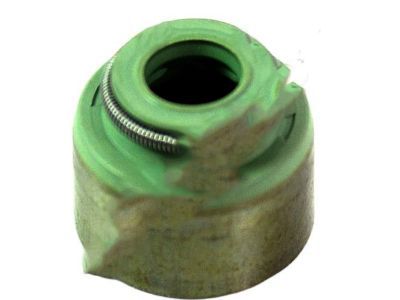
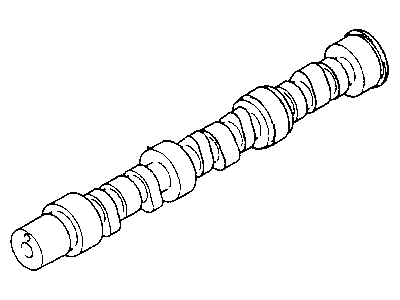
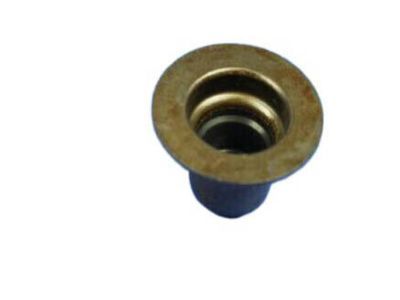
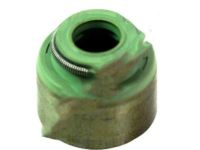
Dodge Stratus Valve Seals Part Number: MD307342
$1.86 MSRP: $3.00You Save: $1.14 (38%)Ships in 1-2 Business Days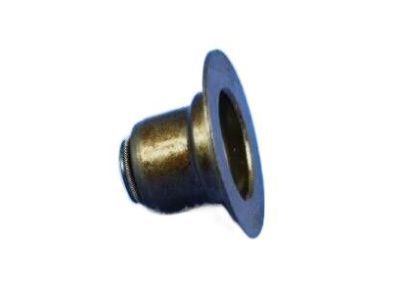
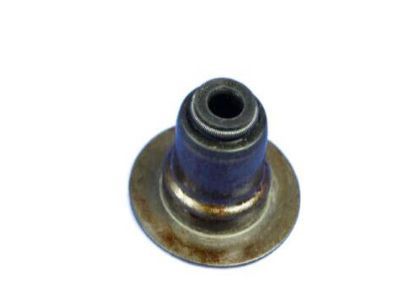

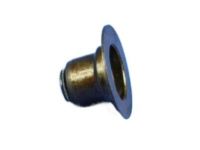
Dodge Stratus Valve Seals Part Number: 4648619
$6.58 MSRP: $8.34You Save: $1.76 (22%)Ships in 1-2 Business Days
Dodge Stratus Valve Seals Part Number: MD184303
$2.90 MSRP: $4.60You Save: $1.70 (37%)Ships in 1-2 Business Days
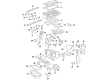
Dodge Stratus Valve Seals Part Number: 4663904
$10.56 MSRP: $15.25You Save: $4.69 (31%)Ships in 1-2 Business Days
Dodge Stratus Valve Stem Seal
Choose OEM Valve Stem Seal that meet Dodge factory standards. Dodge designs and tests every component for precision and durability. Each Valve Stem Seal follows strict manufacturing steps to lock in quality and fit. If your Dodge Stratus matters to you, OEM parts make the smart choice. You'll get the exact look, feel, and performance you expect. Shop genuine Stratus parts at the highly competitive prices online. Enjoy a manufacturer's warranty, a hassle-free return policy, and rapid delivery. No more guesswork with off brands. Get genuine parts with exact fit and true factory performance. Shop with confidence today at JeepPartsDeal.com.
The Dodge Stratus Valve Stem Seal functions as a vital component which guarantees reliable operations and improved performance of Dodge Stratus vehicles throughout the production years spanning from 1995 to 2005. The Valve Stem Seal features a tight fit which blocks oil leakage into the combustion chambers yet permits the needed valve stem movement. A proper seal from the Dodge Stratus Valve Stem Seal ensures both efficient engine performance and reduced oil consumption which directly benefits vehicle safety and operational efficiency. Among its engine configurations, the Dodge Stratus sedan and coupe models use an innovative sealing technology for all variants of the 2.0 L I4 and 2.7 L V6 engines. Durability combined with performance improvement makes the Valve Stem Seal a top choice in automotive markets. The Dodge Stratus Valve Stem Seal builds automotive reliability reputation which boosts vehicle performance and smooth operation so budget-minded vehicle owners find great value in this quality-sealed component. The engine system of the car depends on the the automaker model Valve Stem Seal to maintain its reliability and performance excellence as a dependable mid-size car.
Dodge Stratus Valve Stem Seal Parts and Q&A
- Q:How to Replace a Valve Stem Seal with the Cylinder Head Removed on Dodge Stratus?A:For this process, with the cylinder head removed from the cylinder block, first gently press all valve springs with a universal valve spring compressor. This will allow you to eliminate the valve retaining locks, valve spring retainers, valve stem seals and the valve springs. It is important to smooth down any burrs from the valve stem lock spots, check the tags on the assemblies and set aside the valves, locks and retainers to be installed again where they were initially. Inspect the valves and each time you remove them for inspection, reconditioning or replacement, test their spring tension against the standards of 76 lbs. @ 38.0 mm (1.50 in.) for closed tension and 136 lbs. @ 29.75 mm (1.17 in.) for open tension. Examine each valve spring with a steel square and surface plate from the center and from each end; replace it if it's out of square by more than 1.5 mm (1/16 in.). When installing, grease the valve stems with clean engine oil, insert them into the cylinder head and position new valve stem seals over each valve stem using the proper tool. To avoid wearing down the guide by a lot, use valve seals that are designed for larger valves. You should now put in the valve springs and retainers, just enough to install the locks, with the compression aiming straight so you don't accidentally nick the valves. Ensure that both safeties are in place after you have used the valve spring compressor. After refacing your valve and seat, measure between the top of the spring seat and the bottom of its retainer; if the measurement is above 38.75 mm (1.525 in.), place a 0.762 mm (0.030 in.) spacer under the spring seat.
- Q:How to Service and Repair a Valve Stem Seal on Dodge Stratus?A:Before servicing or replacing the valve stem seal, pull the rocker arm shaft assembly out and rotate the Crankshaft until the Piston is at top dead center on the compression stroke. Use an air inflator, connect its hose to the installed tool on the spark plug and pressure the air to about 90 - 120 psi. With the MD-998772A Special Tool and adapter 6779, compress the springs, remove the locks and take out the spring. You should remove the valve stem seal with a special tool meant for the job. To fit the valve seal/valve spring seat assembly, press the valve springs into position with Special Tool MD-998772A only enough to secure the locks and keep both valve stems and pistons in place at idling point. Rocker arm shaft assemblies should be reinstalled along with the cylinder head cover last.
Related Dodge Stratus Parts
 Dodge Stratus Oil Pan
 Dodge Stratus Timing Belt
 Dodge Stratus Engine Mount
 Dodge Stratus Crankshaft Seal
 Dodge Stratus Engine Mount Bracket
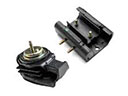 Dodge Stratus Motor And Transmission Mount
 Dodge Stratus Oil Pan Gasket
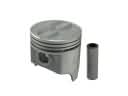 Dodge Stratus Piston
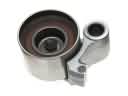 Dodge Stratus Timing Belt Idler Pulley
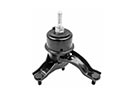 Dodge Stratus Transmission Mount
 Dodge Stratus Valve Cover Gasket
 Dodge Stratus Variable Timing Sprocket