JeepParts
My Garage
My Account
Cart
OEM 2004 Dodge Dakota Fuel Rail
Engine Fuel Rail- Select Vehicle by Model
- Select Vehicle by VIN
Select Vehicle by Model
orMake
Model
Year
Select Vehicle by VIN
For the most accurate results, select vehicle by your VIN (Vehicle Identification Number).
2 Fuel Rails found
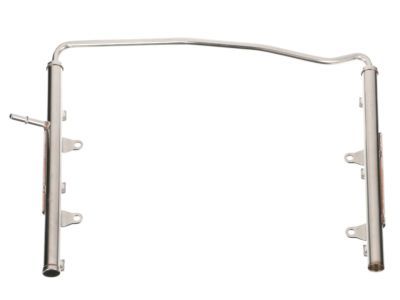
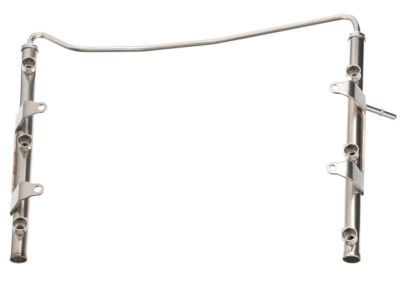
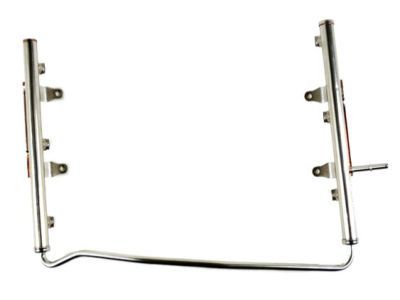
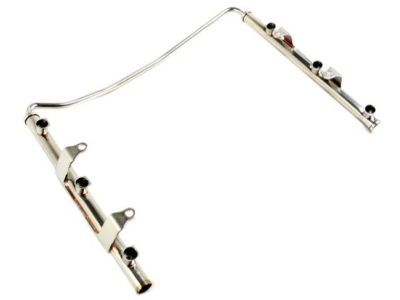
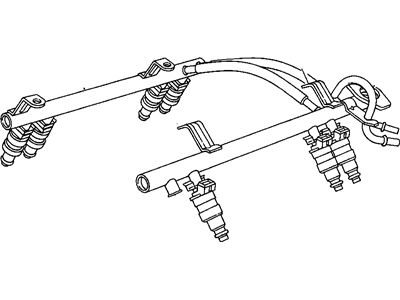
2004 Dodge Dakota Fuel Rail Part Number: 53031102AB
$512.72 MSRP: $777.00You Save: $264.28 (35%)Product Specifications- Other Name: Rail - Fuel; Rail Fuel
- Replaces: 53031102AC
- Item Weight: 4.30 Pounds
- Item Dimensions: 22.2 x 20.1 x 5.3 inches
- Condition: New
- Fitment Type: Direct Replacement
- SKU: 53031102AB
- Warranty: This genuine part is guaranteed by Mopar's factory warranty.
2004 Dodge Dakota Fuel Rail Part Number: 53032721AA
Product Specifications- Other Name: Rail - Fuel; Rail Fuel
- Item Weight: 4.40 Pounds
- Item Dimensions: 21.8 x 20.7 x 8.8 inches
- Condition: New
- Fitment Type: Direct Replacement
- SKU: 53032721AA
- Warranty: This genuine part is guaranteed by Mopar's factory warranty.
2004 Dodge Dakota Fuel Rail Parts and Q&A
- Q: How to Properly Service and Install a Fuel Rail on 2004 Dodge Dakota?A: You should start by releasing the fuel system pressure before you any fuel rail service, since it is always under pressure, even when the engine isn't running. Since there are no clamps in the design, it's necessary to replace the fuel rails in pairs and cannot be separated by opening the connector tube. Be careful not to change the shape of the tube while removing it. Beginnef by removing the fuel tank filler tube cap and then press the fuel system pressure release button. Raise the vehicle, remove the negative cable from the battery, open the air duct and take out the air box and unhook the fuel line with a tool. If the factory harness isn't tagged, remember where the wires from each fuel injector went and remove them as well as the vacuum lines. Take out the sensors from the throttle body, take off all six ignition coils and unbolt the four bolts that connect the fuel rails. Gently move and straighten the left fuel rail to clear its injectors in the machined holes of the cylinder head and then do the same for the right side. Pull off the fuel rail and leave its injectors attached to it. If replacing your fuel injectors, smear a small drop of engine oil on every O-ring to help with insertion. Slide the injector assembly onto the fuel rail and then place the fuel rail to the openings in the cylinder head, taking care not to tear the O-rings as you place the injectors. Rest the fuel rail on the cylinder head and push down so the injectors sit on the shoulder, then install each fuel rail mounting bolt to the correct torque. Set the ignition coils back into place, reattach the connectors to the throttle body and also to the sensors known as MAP and IAT. Link up the electrical wires at all fuel injectors, then apply a little pressure to ensure they are in place. Replace the vacuum lines, reattach the fuel line latch clip and attach the fuel line again to the fuel rail, then work on wiring at the back of the generator. Reinstall the air box and the air duct, reattach the battery cable and turn on the engine to look for any leaks.
Related 2004 Dodge Dakota Parts
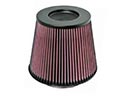 2004 Dodge Dakota Air Filter
 2004 Dodge Dakota Fuel Filter
 2004 Dodge Dakota Fuel Injector
 2004 Dodge Dakota Fuel Sending Unit
 2004 Dodge Dakota Fuel Tank
 2004 Dodge Dakota Throttle Body
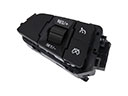 2004 Dodge Dakota Cruise Control Switch
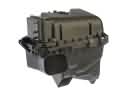 2004 Dodge Dakota Air Filter Box
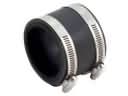 2004 Dodge Dakota Air Intake Coupling
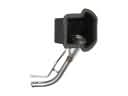 2004 Dodge Dakota Fuel Filler Neck
 2004 Dodge Dakota Intake Manifold Gasket
 2004 Dodge Dakota Throttle Cable