JeepParts
My Garage
My Account
Cart
OEM 2006 Chrysler PT Cruiser Parking Brake Cable
Emergency Parking Brake Release Cable- Select Vehicle by Model
- Select Vehicle by VIN
Select Vehicle by Model
orMake
Model
Year
Select Vehicle by VIN
For the most accurate results, select vehicle by your VIN (Vehicle Identification Number).
4 Parking Brake Cables found
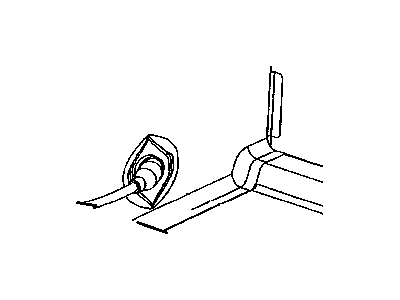

2006 Chrysler PT Cruiser Cable Part Number: 5273965AF
$70.54 MSRP: $99.55You Save: $29.01 (30%)Ships in 1-2 Business DaysProduct Specifications- Other Name: Cable - Parking Brake; Brake Cable; Cable Parking Brake
- Replaces: 5273965AE, 5273965AB, 5273965AC
- Item Weight: 2.30 Pounds
- Item Dimensions: 11.2 x 11.2 x 1.5 inches
- Condition: New
- Fitment Type: Direct Replacement
- SKU: 5273965AF
- Warranty: This genuine part is guaranteed by Mopar's factory warranty.
2006 Chrysler PT Cruiser Cable Part Number: 5273221AE
Product Specifications- Other Name: Cable - Parking Brake; Brake Cable; Cable Parking Brake
- Replaces: 5273221AA
- Item Weight: 2.20 Pounds
- Item Dimensions: 14.4 x 14.3 x 1.5 inches
- Condition: New
- Fitment Type: Direct Replacement
- SKU: 5273221AE
- Warranty: This genuine part is guaranteed by Mopar's factory warranty.
2006 Chrysler PT Cruiser Cable Part Number: 5273964AF
Product Specifications- Other Name: Cable - Parking Brake; Brake Cable; Cable Parking Brake
- Replaces: 5273964AC, 5273964AB
- Item Weight: 2.30 Pounds
- Item Dimensions: 15.2 x 1.1 x 0.7 inches
- Condition: New
- Fitment Type: Direct Replacement
- SKU: 5273964AF
- Warranty: This genuine part is guaranteed by Mopar's factory warranty.
2006 Chrysler PT Cruiser Cable Part Number: 5273220AE
Product Specifications- Other Name: Cable - Parking Brake; Brake Cable; Cable Parking Brake
- Replaces: 5273220AC, 5273220AA
- Item Weight: 2.20 Pounds
- Item Dimensions: 70.7 x 1.0 x 0.7 inches
- Condition: New
- Fitment Type: Direct Replacement
- SKU: 5273220AE
- Warranty: This genuine part is guaranteed by Mopar's factory warranty.
2006 Chrysler PT Cruiser Parking Brake Cable Parts and Q&A
- Q: How to Service and Repair a Parking Brake Cable on Rear Disc Brake on 2006 Chrysler PT Cruiser?A: For rear disc brake vehicles, always follow safety measures such as disconnecting the battery negative cable and verifying that the system capacitor drains for two minutes, making certain the air bag will not go off by mistake. If the air cleaner is attached, release the clasp and unclip it, then detach the black cable from the battery negative terminal. Impress the tires against a surface so the car doesn't move, remove the center console and place a pin punch through the lever bracket to keep the automatic adjustment from moving. Take off the parking brake cables from the equalizer before pulling out the rear seat and folding the carpeting forward so you can find them. Open the retainer by twisting a 1/2 inch (13 mm) wrench and pull the housing for the parking brake cable out of the floor bracket. Change the car to raise the vehicle, using the wheel mounting nuts to remove them and finally take out the rear tire and wheel. After pulling out the guide pin bolts from the caliper, hang the caliper securely and then remove the clips and the rotor. Lift off the dust cap, hub nut and move the hub and bearing from the spindle. Clear the anchor by pulling the rear parking brake shoes apart, then remove all four (2 pairs) as an assembly after pulling out the spring and both shoe hold-down clips at the top. Remove the parking brake actuator lever from the cable, compress the locking fingers on the cable retainer with a 1/2 inch (13 mm) offset box wrench and slide the cable away from the rear disc brake adapter. Get rid of the bolts that hold the parking brake cable and routing brackets to the trailing arm, then tug the cable out of the trailing arm. Go forward by letting the parking brake cable run along the floor through the grommet, follow it behind the axle arm and fix it with the support brackets and screws. After inserting the cable into the rear disc brake adapter, unlock the locking fingers, then fix the actuator lever and parking brake shoe section to the rear of the car with hold-down pins and clips. Install the upper return spring, place the hub and bearing over the spindle and tighten a new hub nut to 217 Nm (160 ft. lbs.). Place the dust cap, the brake rotor and the caliper and tighten the caliper guide pin bolts to 22 Nm (192 inch lbs.). Install the tire and wheel assembly again, tightening the mounting nuts to 135 Nm (100 ft. lbs.), lower your vehicle and confirm the cable grommet sits correctly. Rout the cable for the parking brake underneath the carpeting to its bracket, locking it there. Then, join the park brake cables for the rear wheels to the equalizer connected to the lan output cable. First, move the parking brake lever to the applied position, remove the pin punch, cycle the lever, check that the rear wheels are not turning when the lever is applied. Release the lever, making sure the car can move smoothly, set the parking brake and then lower the car. Replace the center console, the rear window switch panel, remove the tire blocks and attach the negative battery cable. Only if needed, attach the air cleaner cover to the engine and for cars with rear brake drums, put the parking brake cable onto the pedal and the spring onto the brake shoe and adjustment lever and then fit the drum.
Related 2006 Chrysler PT Cruiser Parts
 2006 Chrysler PT Cruiser Brake Caliper
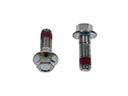 2006 Chrysler PT Cruiser Brake Caliper Bolt
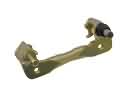 2006 Chrysler PT Cruiser Brake Caliper Bracket
 2006 Chrysler PT Cruiser Brake Disc
 2006 Chrysler PT Cruiser Brake Dust Shield
 2006 Chrysler PT Cruiser Brake Line
 2006 Chrysler PT Cruiser Brake Master Cylinder
 2006 Chrysler PT Cruiser Brake Pad
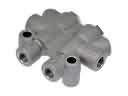 2006 Chrysler PT Cruiser Brake Proportioning Valve
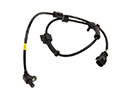 2006 Chrysler PT Cruiser Speed Sensor
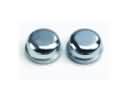 2006 Chrysler PT Cruiser Wheel Bearing Dust Cap
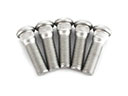 2006 Chrysler PT Cruiser Wheel Stud