JeepParts
My Garage
My Account
Cart
OEM 2006 Chrysler PT Cruiser Wheel Cylinder
Brake Wheel Cylinder- Select Vehicle by Model
- Select Vehicle by VIN
Select Vehicle by Model
orMake
Model
Year
Select Vehicle by VIN
For the most accurate results, select vehicle by your VIN (Vehicle Identification Number).
1 Wheel Cylinder found
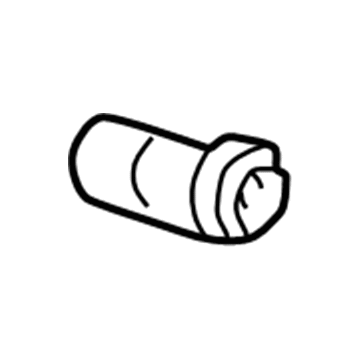
2006 Chrysler PT Cruiser Wheel Cylinder, Rear Part Number: 5140708AA
$34.66 MSRP: $63.65You Save: $28.99 (46%)Ships in 1-2 Business DaysProduct Specifications- Other Name: Wheel Cylinder - Wheel; Drum Brake Wheel Cylinder, Rear; Drum Barke Wheel Cylinder; Wheel Cylinder Repair Kit; Cylinder Wheel; Drum Brake Wheel Cylinder
- Position: Rear
- Item Weight: 1.00 Pounds
- Item Dimensions: 3.3 x 2.4 x 1.7 inches
- Condition: New
- Fitment Type: Direct Replacement
- SKU: 5140708AA
- Warranty: This genuine part is guaranteed by Mopar's factory warranty.
2006 Chrysler PT Cruiser Wheel Cylinder Parts and Q&A
- Q: How to Maintain and Fix a Wheel Cylinder in Drum Brakes on 2006 Chrysler PT Cruiser?A: To work on or fix the wheel cylinder for drum brakes, first use a pedal holder to depress the brake pedal only the first inch, separating the master cylinder from the braking fluid. Lift the vehicle and remove the nuts holding the wheel and tire mounting. Separate the brake tube from the wheel cylinder, get rid of the clips helping the drum and remove the drum itself. Remove the cap covering the dust seal on the bearing of the rear hub and take out the nut holding these components in place. Remove the lower return spring when the cable return spring is compressed and then the parking brake cable itself, pulled from the lever. Push the shoe clips in, pressurize the brakes and at the same time both shoes and remaining parts will be ejected along with the wheel cylinder and anchor. Unbolt the brakes wheel cylinder and pull it off the support plate. Look for leaks, cuts, tears or heat cracks on the wheel cylinder boots; if anything is wrong, remove the boots, clean and test the wheel cylinders and replace damaged parts as required. Should leaking happen and the brakes become wet, change out the brake shoes. Put the wheel cylinder squarely onto the brake support plate and tighten the bolts to 13 Nm. Work the nut on the end of the brake tube to the wheel cylinder and tighten it to 17 Nm. Put lubricant where the shoes touch the plate and anchor, then set the brake shoe assembly carefully over the wheel cylinder and the anchor. Run both screw pins through the rear, the support plate and the shoes, squeeze the shoe hold-down clips in place and after that, set the lower return spring. Apply pressure to the parking brake cable return spring, mount the cable to the parking brake lever and loosen the spring beneath the retaining tab. Fit the hub and bearing onto the spindle, set a new hub nut and tighten it to 217 Nm. Attach the driveline hub, bearing dust seal, set up the brake shoes to fit the width of the drum and place the brake drum. Instal the wheel and tire assembly again, tightening the wheel mounting nuts to 135 Nm as you work. Apply some pressure to the rear wheel so it just barely comes into contact with the brake shoes. Then, lower the vehicle, unbolt the brake pedal holder and give the wheel cylinder a bleed if required, before making sure the brakes are operating correctly during a road test.
Related 2006 Chrysler PT Cruiser Parts
 2006 Chrysler PT Cruiser Brake Caliper
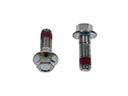 2006 Chrysler PT Cruiser Brake Caliper Bolt
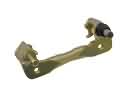 2006 Chrysler PT Cruiser Brake Caliper Bracket
 2006 Chrysler PT Cruiser Brake Caliper Piston
 2006 Chrysler PT Cruiser Brake Disc
 2006 Chrysler PT Cruiser Brake Drum
 2006 Chrysler PT Cruiser Brake Dust Shield
 2006 Chrysler PT Cruiser Brake Line
 2006 Chrysler PT Cruiser Parking Brake Shoe
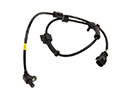 2006 Chrysler PT Cruiser Speed Sensor
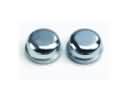 2006 Chrysler PT Cruiser Wheel Bearing Dust Cap
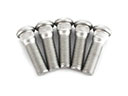 2006 Chrysler PT Cruiser Wheel Stud