JeepParts
My Garage
My Account
Cart
OEM 2007 Jeep Commander Air Bag
Air Bag Module- Select Vehicle by Model
- Select Vehicle by VIN
Select Vehicle by Model
orMake
Model
Year
Select Vehicle by VIN
For the most accurate results, select vehicle by your VIN (Vehicle Identification Number).
5 Air Bags found
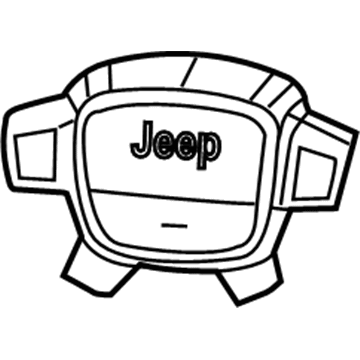
2007 Jeep Commander Driver Air Bag, Driver Side Part Number: 5JY991J8AI
$854.17 MSRP: $1245.00You Save: $390.83 (32%)Ships in 1-3 Business DaysProduct Specifications- Other Name: Air Bag - Driver; Steering Wheel Air Bag
- Position: Driver Side
- Replaces: 5JY991J8AB, 5JY991J8AD, 5JY991J8AH, 5JY991J8AG, 5JY991J8AE, 5JY991J8AC, 5JY991J8AF
- Item Weight: 5.40 Pounds
- Item Dimensions: 19.3 x 10.5 x 6.7 inches
- Condition: New
- Fitment Type: Direct Replacement
- SKU: 5JY991J8AI
- Warranty: This genuine part is guaranteed by Mopar's factory warranty.
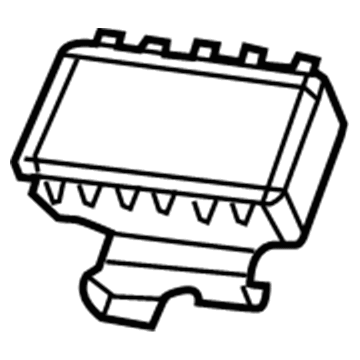
2007 Jeep Commander Passenger Air Bag, Upper Passenger Side Part Number: 55197376AC
$618.30 MSRP: $900.00You Save: $281.70 (32%)Ships in 1-3 Business DaysProduct Specifications- Other Name: Airbagg - Passenger; Instrument Panel Air Bag, Upper; Passenger Inflator Module; Air Bag Passenger
- Position: Upper Passenger Side
- Replaces: 55197376AA, 55197376AB
- Item Weight: 8.60 Pounds
- Item Dimensions: 21.2 x 12.4 x 9.2 inches
- Condition: New
- Fitment Type: Direct Replacement
- SKU: 55197376AC
- Warranty: This genuine part is guaranteed by Mopar's factory warranty.
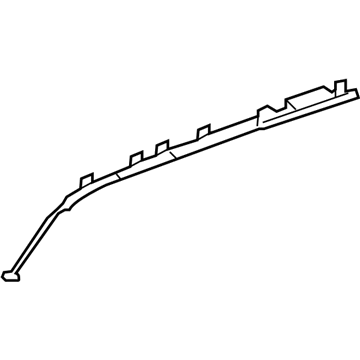
2007 Jeep Commander Inflator Curtain, Passenger Side Part Number: 55315092AF
$157.60 MSRP: $232.00You Save: $74.40 (33%)Ships in 1-3 Business DaysProduct Specifications- Other Name: Airbag - Side Curtain; Curtain Air Bag, Right; Head Air Bag; Air Bag Side Curtain
- Position: Passenger Side
- Replaces: 55315092AC, 55315092AE, 55315092AD
- Item Weight: 11.20 Pounds
- Condition: New
- Fitment Type: Direct Replacement
- SKU: 55315092AF
- Warranty: This genuine part is guaranteed by Mopar's factory warranty.
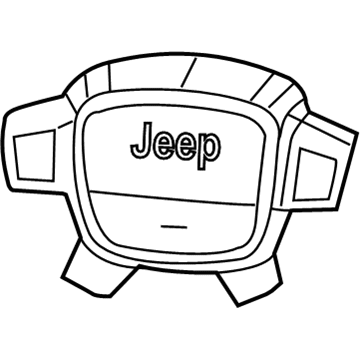
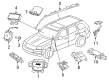 Product Specifications
- Other Name: Air Bag - Driver; Steering Wheel Air Bag; Driver Air Bag
- Position: Driver Side
- Replaces: 5JY991DVAC, 5JY991DVAD, 5JY991DVAH, 5JY991DVAE, 5JY991DVAB, 5JY991DVAF, 5JY991DVAG
- Item Weight: 5.10 Pounds
- Item Dimensions: 19.4 x 11.1 x 7.2 inches
- Condition: New
- Fitment Type: Direct Replacement
- SKU: 5JY991DVAI
- Warranty: This genuine part is guaranteed by Mopar's factory warranty.
- Product Specifications
- Other Name: Airbag - Side Curtain; Curtain Air Bag, Left; Head Air Bag; Air Bag Side Curtain
- Position: Driver Side
- Replaces: 55315093AC, 55315093AD, 55315093AE
- Item Weight: 10.00 Pounds
- Item Dimensions: 61.9 x 10.9 x 6.0 inches
- Condition: New
- Fitment Type: Direct Replacement
- SKU: 55315093AF
- Warranty: This genuine part is guaranteed by Mopar's factory warranty.
2007 Jeep Commander Air Bag Parts and Q&A
- Q: What Steps Should Be Taken After an Air Bag Deployment on 2007 Jeep Commander?A: Following a deployment, a vehicle must be brought back to service only after the deployed restraints are replaced. After a driver air bag deployment, customers must change the Steering Control Module/Clock Spring and for a passenger air bag deployment, they need to replace the instrument panel top pad. The seat belt tensioners should be replaced anytime either front air bag has been deployed. All side curtain air bag-equipped models require the air bag, headliner and upper pillar trim to be replaced, not reused, as they could be damaged after an air bag deployment. For cars that have a sunroof, inspect the sunroof's drain tubes and hoses right after the air bag on the side curtains deploys. Repair any impacts on the Occupant Restraint Controller (ORC) mounting surfaces and brackets, as well as on the side and front impact sensor areas, because any damage could affect air bag deployment. Each part of the vehicle, other than the interior and exterior, should be looked at and replaced as required. Both the multistage air bags and the squibs must be inspected to make sure every squib was used when the system was deployed. Both the driver and passenger air bags are triggered by signals sent by the ORC to the driver and passenger squib 1 and squib 2 circuits. To prevent accidents, be sure that both initiators are used correctly when working with pyrotechnics. To see if both air bag squibs are working, use a diagnostic scan tool, connect it to the DLC on the instrument panel's lower edge and turn the ignition to the ON position. In the absence of active codes for Driver or Passenger Squib 1 or 2, act and treat the air bag parts as though there is still life in both squibs. After deployment, there will be a residue inside the vehicle with main components of harmless particles and may occasionally include sodium hydroxide which might irritate skin and breathing. Always put on safety glasses, rubber gloves and a long-sleeved shirt when you clean up and if your eyes or skin are irritated, clean them with cool water and go somewhere with fresh air. Vacuum the inside of the car, especially the air heater and air conditioning outlets and you may have to clean twice to get all the powder out. Any additional safety equipment that is damaged or not put to use must be handled and thrown away following the Hazardous Substance Control System, according to both state, provincial, local and federal rules. When you're done, follow the proper steps to take out the deployed secondary restraints from your vehicle.
Related 2007 Jeep Commander Parts
 2007 Jeep Commander Ignition Switch
 2007 Jeep Commander Clock Spring
 2007 Jeep Commander MAP Sensor
 2007 Jeep Commander Air Bag Control Module
 2007 Jeep Commander Air Bag Sensor
 2007 Jeep Commander Antenna Mast
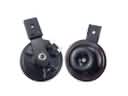 2007 Jeep Commander Horn
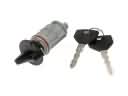 2007 Jeep Commander Ignition Lock Assembly
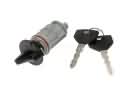 2007 Jeep Commander Ignition Lock Cylinder
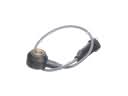 2007 Jeep Commander Knock Sensor
 2007 Jeep Commander Washer Pump
 2007 Jeep Commander Wiper Switch