JeepParts
My Garage
My Account
Cart
OEM 2010 Dodge Caliber Brake Master Cylinder
- Select Vehicle by Model
- Select Vehicle by VIN
Select Vehicle by Model
orMake
Model
Year
Select Vehicle by VIN
For the most accurate results, select vehicle by your VIN (Vehicle Identification Number).
2 Brake Master Cylinders found
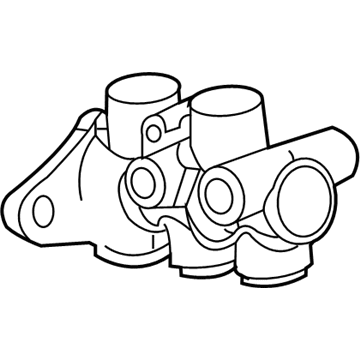

2010 Dodge Caliber Master Cylinder Part Number: 5175701AA
$90.92 MSRP: $151.00You Save: $60.08 (40%)Ships in 1-2 Business DaysProduct Specifications- Other Name: Cylinder - Brake; Brake Master Cylinder; Master Cylinder Brake
- Item Weight: 3.20 Pounds
- Item Dimensions: 10.1 x 10.2 x 7.8 inches
- Condition: New
- Fitment Type: Direct Replacement
- SKU: 5175701AA
- Warranty: This genuine part is guaranteed by Mopar's factory warranty.
2010 Dodge Caliber Master Cylinder Part Number: 5175093AB
Product Specifications- Other Name: Cylinder - Brake; Brake Master Cylinder; Clutch Master Cylinder; Master Cylinder Brake
- Replaces: 5175093AA
- Item Weight: 1.90 Pounds
- Item Dimensions: 10.1 x 6.0 x 5.2 inches
- Condition: New
- Fitment Type: Direct Replacement
- SKU: 5175093AB
- Warranty: This genuine part is guaranteed by Mopar's factory warranty.
2010 Dodge Caliber Brake Master Cylinder Parts and Q&A
- Q: How to Remove and Replace a Brake Master Cylinder Without ABS on 2010 Dodge Caliber?A: Before you remove and replace the brake master cylinder without ABS, place and tighten the proportioning valves in the master cylinder ports using 30 Nm (22 ft. lbs.). You need to bleed the master cylinder before putting it in place. Open the bleeder screw on the master cylinder and clean the spot at the booster where the master cylinder seal fits, so no cleaner or remains get inside the booster. If a new vacuum seal isn't on the master cylinder flange, take out the old one and add the new one, making sure it's placed correctly in the groove. When your master cylinder push rod butts up against something, reset its angle by matching it to the booster rod. Place the master cylinder over the power brake booster so its mounting holes line up with the booster's studs and then slowly slide the master cylinder onto the brake booster face. Put in two new master cylinder mounting nuts and tighten each to the required 18 ft. lbs. When the reservoir is new and the vehicle has a manual transaxle, make a cut at the center of the groove to release the hydraulic clutch and toss the piece of plug you cut out. Place the end of the clutch actuator hose onto the reservoir port and attach the hose clamp. After connecting the two rear brake tubes to the proportioning valves, tighten the tube nuts to 17 Nm (150 in. lbs.) and then attach both front brake lines, again tightening the tube nuts to the same torque. Connect the wiring harness to the switch that measures the level of brake fluid. For safety reasons, a reservoir blocker should be put on the master cylinder brake fluid reservoir, but if the blocker is not available, take it out of your original reservoir and place it securely. Linked the auto battery cable and make sure that the master cylinder reservoir is at the right level. Check to see that the brake pedal is firm and has plenty of flushing force; otherwise, bleed the hydraulic system and seek any leaks. Test the vehicle's brakes on the road to ensure it works correctly.
Related 2010 Dodge Caliber Parts
 2010 Dodge Caliber Brake Caliper
 2010 Dodge Caliber Speed Sensor
 2010 Dodge Caliber ABS Control Module
 2010 Dodge Caliber Brake Booster
 2010 Dodge Caliber Brake Caliper Bolt
 2010 Dodge Caliber Brake Disc
 2010 Dodge Caliber Brake Line
 2010 Dodge Caliber Brake Pad
 2010 Dodge Caliber Brake Proportioning Valve
 2010 Dodge Caliber Hydraulic Hose
 2010 Dodge Caliber Parking Brake Shoe
 2010 Dodge Caliber Wheel Cylinder