JeepParts
My Garage
My Account
Cart
OEM Chrysler Town & Country Sway Bar Kit
Stabilizer Sway Bar Set- Select Vehicle by Model
- Select Vehicle by VIN
Select Vehicle by Model
orMake
Model
Year
Select Vehicle by VIN
For the most accurate results, select vehicle by your VIN (Vehicle Identification Number).
9 Sway Bar Kits found
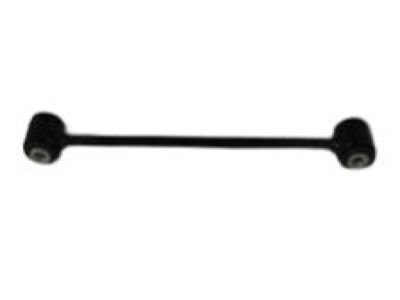
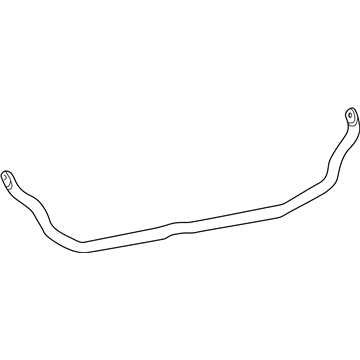
Chrysler Town & Country Stabilizer Bar, Front Part Number: 4743027AA
$116.36 MSRP: $147.51You Save: $31.15 (22%)Ships in 1-2 Business Days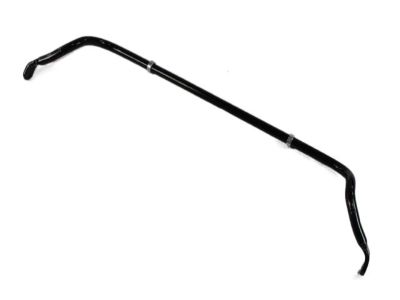
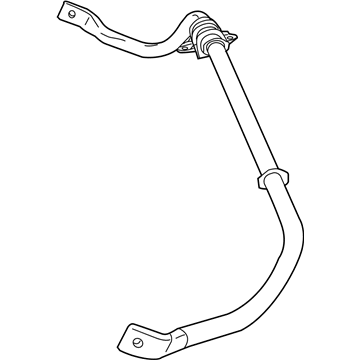
Chrysler Town & Country Stabilizer Bar, Front Part Number: 4721084AE
$197.65 MSRP: $296.00You Save: $98.35 (34%)Chrysler Town & Country Stabilizer Bar, Front Part Number: 4743026AA
$4.64 MSRP: $182.00You Save: $177.36 (98%)Ships in 1-2 Business Days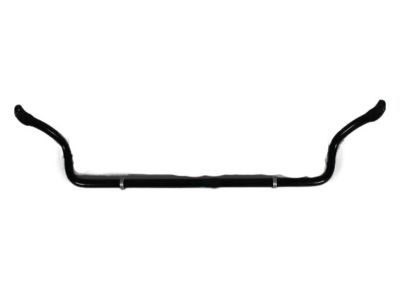
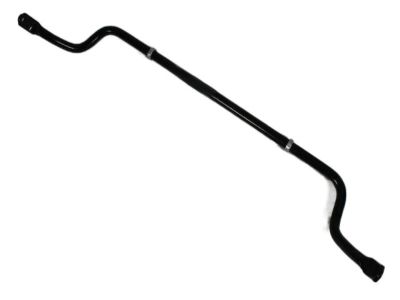
Chrysler Town & Country Stabilizer Bar, Front Part Number: 4721419AE
$168.82 MSRP: $249.00You Save: $80.18 (33%)
Chrysler Town & Country Sway Bar Part Number: 4637097
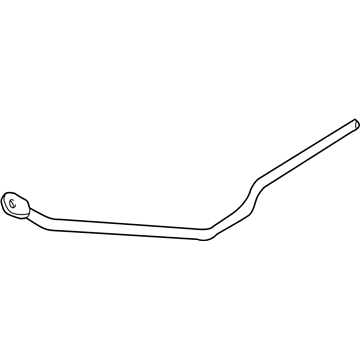
Chrysler Town & Country Stabilizer Bar, Rear Part Number: 5080990AA
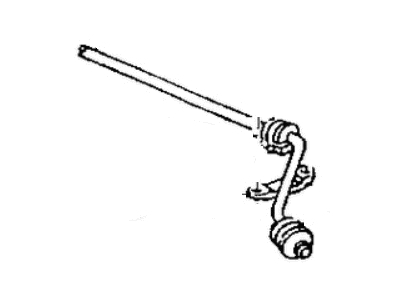
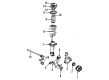
Chrysler Town & Country Stabilizer Bar, Front Part Number: 4856130
Chrysler Town & Country Stabilizer Bar, Rear Part Number: 4766031AC
Chrysler Town & Country Stabilizer Bar Part Number: 4694751
Chrysler Town & Country Sway Bar Kit
Choose OEM Sway Bar Kit that meet Chrysler factory standards. Chrysler designs and tests every component for precision and durability. Each Sway Bar Kit follows strict manufacturing steps to lock in quality and fit. If your Chrysler Town & Country matters to you, OEM parts make the smart choice. You'll get the exact look, feel, and performance you expect. Shop genuine Town & Country parts at the highly competitive prices online. Enjoy a manufacturer's warranty, a hassle-free return policy, and rapid delivery. No more guesswork with off brands. Get genuine parts with exact fit and true factory performance. Shop with confidence today at JeepPartsDeal.com.
The Sway Bar Kit in Chrysler Town & Country vehicles is highly important in improving the stability of the particular vehicle's handling. The Sway Bar Kit linking the opposite sides of the suspension system minimises side to side movement and improve on handling when cornering or driving on bumpy terrain. This is done in such a way that increases the roll stiffness using torsion spring while the vertical spring rate remains unchanged to increase the grip and decrease the sideways tilt. Year after year, Chrysler Town & Country has incorporated manifold Sway Bar Kit trends, some of them include adjustable as well as active ones. Some of these advanced Sway Bar Kits can have variable stiffness, this enhances the vehicle handling and its stability. Despite this, the amount of body lean is reduced when using traditional Sway Bar Kits but they transfer shocks between wheels, this makes a car unpleasant on rough surfaces. In all, the Sway Bar Kit serves the Chrysler Town & Country Vehicle's balance and performance.
Chrysler Town & Country Sway Bar Kit Parts and Q&A
- Q: How to Install a Sway Bar Kit and Ensure All Components Are Properly Secured on Chrysler Town & Country?A:Before fitting the front sway bar kit, look closely at the cushions and links for too much wear, any cracks, damage or signs of distortion and change any parts that don't meet the standards. Install the sway bar so that the ends curve downward on the underside of the steering gear tie rods. Open the door compartment and insert the sway bar at the driver's side of the vehicle, rotating it to line it up exactly above the suspension hanger. Slip the steel sleeve into the slit in the bushing, then place the sway bar bushing retainers on top of the slotted bushings. Secure the retainers to the crossmember using four screws and tighten those screws to 45 Nm (33 ft. lbs.). On the rear of the crossmember, place the pressure hose routing clamp and tighten the screw to 8 Nm (71 in. lbs.). Insert the engine rear mount, then lay the heat shield on top of the steering gear and mount the screws and push-pins, tightening them to 8 Nm (71 in. lbs.). Place the fore-aft crossmember in the engine compartment and fix the mounting bolts to it. On the front, tighten the bolts at the front mount to 113 Nm (83 ft. lbs.) and at the rear to the suspension crossmember bolts to 55 Nm (41 ft. lbs.). Screw in the front Engine Mount thru-bolt and tighten it correctly; it should be done to 57 Nm (42 ft. lbs.). Outside of the vehicle, connect the outer tie rod to the knuckle. Position a nut on the stud, then tighten it to 75 Nm (55 ft. lbs.) while holding the stud still and then tighten the nut by an extra two-thirds turn. Install the Sway Bar Link at the ends of the sway bar, tighten the nut while holding the stationary lower stud and tighten the link to 88 Nm (65 ft. lbs.). After that, attach the tires and wheels to each side, tightening all the wheel mounting nuts by hand in the correct sequence to 135 Nm (100 ft. lbs.) and then lower the vehicle.
- Q: How to remove a Sway Bar Kit on Chrysler Town & Country?A:The first part of removing the front sway bar kit is to raise and secure the vehicle. Take out the wheel nuts and the tires and wheels from the vehicle's sides. On both ends of the sway bar, keep the end of the Sway Bar Link stationary and take out the nut attaching the bar link to the bar. For both sides, take the nut that joins the outer tie rod to the knuckle and loosen it by holding the rod end stud still. Remove each of the outer tie rod ends from the knuckle using Special Tool 9360. After that, pull out the through-bolt on the front Engine Mount and the front bolt from the fore-aft crossmember, ending with the four bolts that fasten the crossmember to the back frame. When the fore-aft crossmember has been removed, unscrew and slide apart the screws and push-pins holding the heat shield in place and then you can remove the heat shield. Take out the rear engine mount and then remove the screws securing the power steering pressure hose routing clamp behind the crossmember. After that, unscrew the retainers holding the Sway Bar Bushing and then remove both the retainers. Last, pull the two cushions apart at the slit and then slowly rotate the sway bar until you can lift it out through the driver side wheel opening.
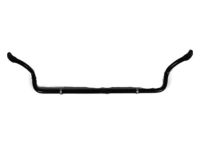
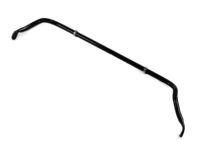
Related Chrysler Town & Country Parts
 Chrysler Town & Country Axle Beam Mount
 Chrysler Town & Country Axle Shaft Seal
 Chrysler Town & Country Axle Support Bushings
 Chrysler Town & Country Bump Stop
 Chrysler Town & Country Coil Spring Insulator
 Chrysler Town & Country Control Arm Bushing
 Chrysler Town & Country Crossmember Bushing
 Chrysler Town & Country Leaf Spring
 Chrysler Town & Country Leaf Spring Bushing
 Chrysler Town & Country Shock And Strut Mount
 Chrysler Town & Country Steering Knuckle
 Chrysler Town & Country Wheel Hub