JeepParts
My Garage
My Account
Cart
OEM Dodge Dakota Brake Drum
- Select Vehicle by Model
- Select Vehicle by VIN
Select Vehicle by Model
orMake
Model
Year
Select Vehicle by VIN
For the most accurate results, select vehicle by your VIN (Vehicle Identification Number).
4 Brake Drums found
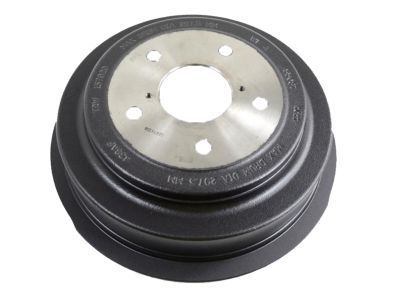
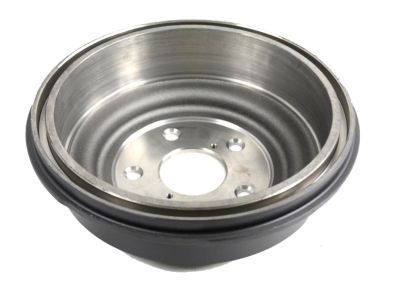
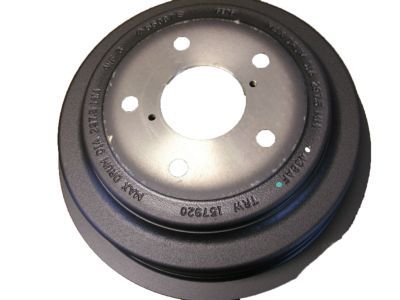
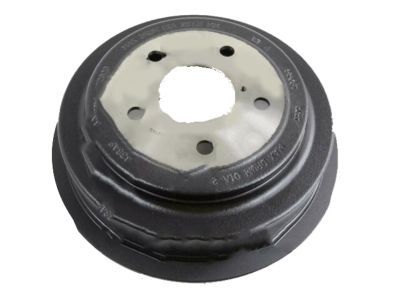
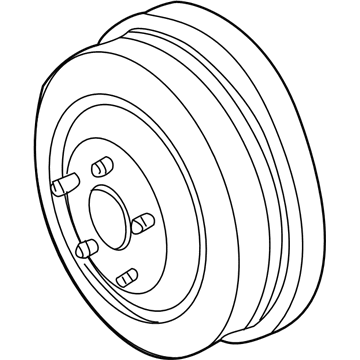
Dodge Dakota Drum, Rear Part Number: 52013438AF
$145.35 MSRP: $190.00You Save: $44.65 (24%)Ships in 1-2 Business Days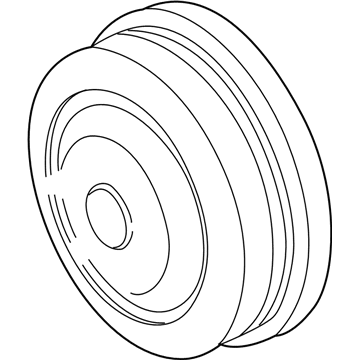
Dodge Dakota Drum, Rear Part Number: 52009595AC
$114.14 MSRP: $208.00You Save: $93.86 (46%)Ships in 1-2 Business Days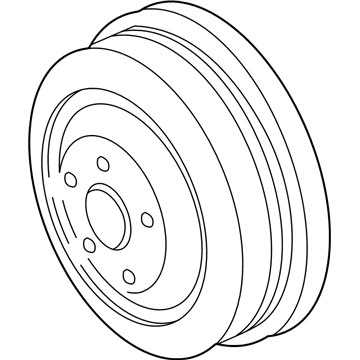
Dodge Dakota Drum, Rear Part Number: 52009938AA
$146.95 MSRP: $233.00You Save: $86.05 (37%)Ships in 1-2 Business Days
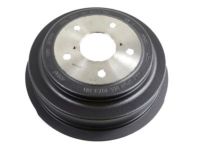
Dodge Dakota Drum, Rear Part Number: 52009595AE
Dodge Dakota Brake Drum
Choose OEM Brake Drum that meet Dodge factory standards. Dodge designs and tests every component for precision and durability. Each Brake Drum follows strict manufacturing steps to lock in quality and fit. If your Dodge Dakota matters to you, OEM parts make the smart choice. You'll get the exact look, feel, and performance you expect. Shop genuine Dakota parts at the highly competitive prices online. Enjoy a manufacturer's warranty, a hassle-free return policy, and rapid delivery. No more guesswork with off brands. Get genuine parts with exact fit and true factory performance. Shop with confidence today at JeepPartsDeal.com.
The Dodge Dakota Brake Drum is among the central parts of the braking system; well-known for its quality and efficiency in different versions of the Dakota vehicles. Having a primary function of clamping the brake shoes against the drum to cause the necessary friction and thereby slow or stop the car, this Brake Drum is an incredibly essential component of almost all cars. Made from heat-conductive as well as wear-resistant cast iron, the brake drum of the Dodge Dakota wears a long life and is capable of providing maximum heat dissipation during its use for braking system efficiency. This feature is vital because it allows consistent performance, and during steady use or frequent stops, high loads. This page is about Brake Drum of the Dodge Dakota that has experienced some changes since the initial manufacturing of this car in 1986, nevertheless, it has improved the durability and the braking system of the car. This versatility is captured by the fact that it can fit Dakota models that come with V6 and V8 engines among others. The Dodge Dakota Brake Drum equally serves the purpose of increasing the efficiency of the car and thus increasing safety by acting as a brake to ensure the car stops as and when required to. Also, there is an ergonomic design in Brake Drum that facilitated installations and maintenance, which further enhances it position in automotive market. Hence, the Dodge Dakota Brake Drum still holds its ground as one of the tested and trusted configurations that customers could request for when they aim for enhanced and reliable deceleration for the Dakota, which is a mid-size pickup truck.
Dodge Dakota Brake Drum Parts and Q&A
- Q:How Should Brake Drum Components Be Cleaned and What Precautions Are Necessary on Dodge Dakota?A:Brush or wipe down the brake area, including the support plate and the outside of the wheel cylinder, using only water or brake cleaner. If present, light rust and scale should be scrubbed off the brake shoe contact pads on the support plate using fine sandpaper.
- Q:How to Service and Repair a Brake Drum on Dodge Dakota?A:First, lift and support your vehicle, then remove the wheel and tire from the brake drum connection. After that, loosen the clip nuts that connect the brake drum to the Wheel Studs and take off the drum. Should the drum be difficult to pull out, take off the rear plug in the support plate, loosen the self-adjusting mechanism with a small screwdriver by pushing the lever and move the shoes back with an adjuster tool. Clean inside the brakes using a vacuum to pick up the dust, then remove the shoe return springs using a brake spring plier tool. Move the cable eye off the anchor pin and carefully remove it from the adjuster lever. Take out the cable guide from the secondary shoe, the anchor plate from the anchor pin and the adjuster lever by moving it so it comes off the spring. First, remove the adjuster lever spring from the pivot, then take out the shoe spring from the brake shoes and, next, eliminate the adjuster screw assembly. With the retainer and spring out of the way, remove the secondary brake shoe from the support plate and take out the strut and spring too. Remove the retaining clip from the secondary shoe and lift up the lever out of it. Afterwards, disconnect the parking brake lever from the cable by removing the primary shoe from the support plate. Moisten a cloth with water or use a brake cleaner to clean the support plate and the Wheel Cylinder exterior and don't use other cleaners. To get rid of light rust and scale from the brake shoe contact pads, use fine sandpaper. Trade out riveted shoes when the material is within 0.78 mm (1/32 inch) of the rivet heads and replace bonded shoes when the lining reaches a thickness of 1.6 mm (1/16 inch). Examine the drum's wear for any signs of its tapering and make sure shoes are making contact all the way to the edge; replace shoes whose contact is on one side only and have the drum checked for runout or uneven tension. Look at the adjusting screw assembly to make sure it is not broken or heavily rusted, throw away any parts that have rust and are warped and discard brake springs and retainer parts that might have caused brake drag. If the contact pads are worn down, rusted through or the plate is distorted, replace the support plate. When installing, check and clean the brakes, apply grease to the parts with contact on the support plate and also to the adjuster, nut and screw thread surfaces and smear high-temperature grease or Lubriplate onto the socket and pads on both sides of the brake shoes. Every so often, attach the Parking Brake Cable to the braking lever, insert the parking brake into the bottom part of the brake and secure it with a retaining pin. Affix the primary block to the support plate, secure it with updated spring retainers and a pin and pull the parking brake strut into the primary shoe. Lay the bolt that comes with the secondary shoe over the support plate's anchoring pin and attach it with a temporary pin to keep it from moving. Put the anchor plate and adjuster cable eyelet on the support plate anchor pin, set the cable guide on the secondary shoe and insert the cable into the guide. Slide the adjuster screw into place inside the brake shoes, checking that the little arrows are marked L for the left side and R for the right side. Put in the adjuster lever and the accompanying spring, then connect the adjuster cable to the lever and fasten the retainers and spring of the secondary shoe. Start by joining the spring to the secondary shoe, then to the primary shoe and ensure the adjuster is working by raising its cable and watching the lever lift and turn the star wheel in order to check engagement with its teeth. Set the brake shoes with a brake gauge in position against the drum and reattach the wheel and tire combination.
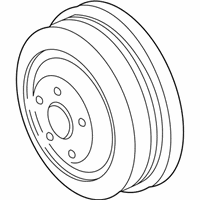
Related Dodge Dakota Parts
 Dodge Dakota Brake Pads
 Dodge Dakota ABS Sensor
 Dodge Dakota Brake Caliper
 Dodge Dakota Brake Caliper Bolt
 Dodge Dakota Speed Sensor
 Dodge Dakota Wheel Stud
 Dodge Dakota Brake Caliper Repair Kit
 Dodge Dakota Brake Dust Shields
 Dodge Dakota Brake Line
 Dodge Dakota Brake Rotor
 Dodge Dakota Hydraulic Hose
 Dodge Dakota Wheel Cylinder