JeepParts
My Garage
My Account
Cart
OEM Dodge Dakota Brake Pad
Disc Brake Pad Set- Select Vehicle by Model
- Select Vehicle by VIN
Select Vehicle by Model
orMake
Model
Year
Select Vehicle by VIN
For the most accurate results, select vehicle by your VIN (Vehicle Identification Number).
6 Brake Pads found
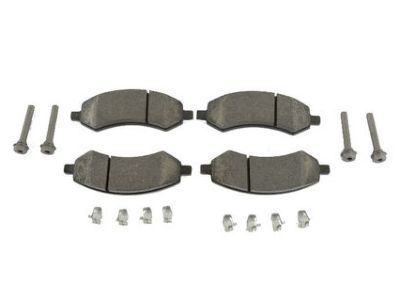
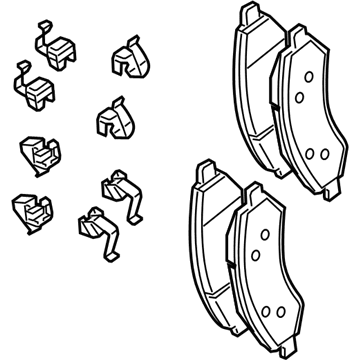
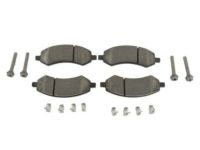
Dodge Dakota Brake Pads, Front Part Number: 68334862AB
$126.90 MSRP: $189.00You Save: $62.10 (33%)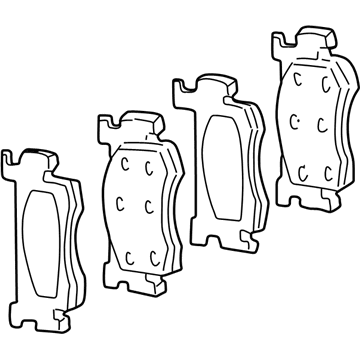
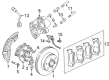
Dodge Dakota Brake Pads, Front Part Number: 5016167AC
$118.68 MSRP: $156.00You Save: $37.32 (24%)Ships in 1-2 Business DaysDodge Dakota Brake Pads, Front Part Number: 5014095AC
$213.81 MSRP: $246.00You Save: $32.19 (14%)Ships in 1-2 Business DaysDodge Dakota Brake Pads, Front Part Number: 5093331AB
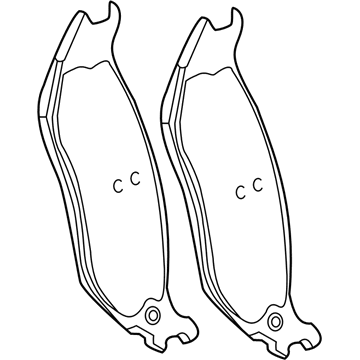
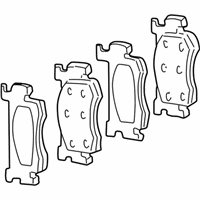
Dodge Dakota Brake Pads, Rear Part Number: 5093253AD
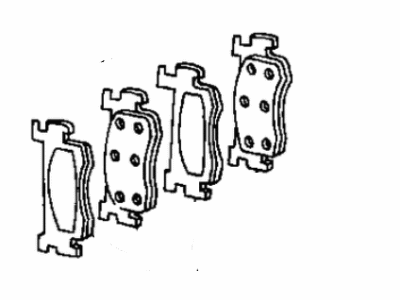
Dodge Dakota Front Pads Part Number: 4796368
Dodge Dakota Brake Pad
Choose OEM Brake Pad that meet Dodge factory standards. Dodge designs and tests every component for precision and durability. Each Brake Pad follows strict manufacturing steps to lock in quality and fit. If your Dodge Dakota matters to you, OEM parts make the smart choice. You'll get the exact look, feel, and performance you expect. Shop genuine Dakota parts at the highly competitive prices online. Enjoy a manufacturer's warranty, a hassle-free return policy, and rapid delivery. No more guesswork with off brands. Get genuine parts with exact fit and true factory performance. Shop with confidence today at JeepPartsDeal.com.
Brake pads are employed on Dodge Dakota vehicles as part of the braking system and works by the friction that is applied on the brake rotors to halt the car. They are produced through the use of a friction material which is either compressed into or mechanically fastened to the backing plate using different techniques such as bonding or riveting in order to provide resistance to high temperatures produced as a result of braking process. You have to remember to service it frequently, brake pads deteriorate with time and need replacement, about every five-zero thousand miles. Non- metallic, semi- metallic, fully-metallic and ceramic brake pads have been used in Dodge Dakota vehicles at some point of time. Each type has different characteristics and have advantages and disadvantage like friction, wear resistance and noise. Further it is understand that the brake pad for the Dodge Dakota can be influenced by the status of others related hardware such as the clips and spring which are critical starter for function and wear balancing. Maintenance of pads and hardware should be done frequently and they should also be replaced as often as possible so that the car may have the optimal braking system.
Dodge Dakota Brake Pad Parts and Q&A
- Q: How to Effectively Remove and Replace Brake Pads on Dodge Dakota?A:You should first use a C-clamp to press the pistons down and hold an old brake shoe against the piston and caliper while the bolts are removed. Clean both the caliper mounting adapter and the surrounding area and install fresh anti-rattle clips onto the brake pads. Following this, fill the adapter with the outboard brake pad first and then, insert the inboard brake pad. Hold the caliper so that it is over the rotor and then push it down onto the adapter. Mount the caliper slide pins using their bolts and ensure they are secure. Then, put on the wheel and tire together and lower the truck onto the ground. Pull the brakes up a few times so the pistons and brake shoes are flush within the system and add brake fluid up to the correct level in the master cylinder.
- Q: How to Effectively Service and Repair Brake Pads on Dodge Dakota?A:First, check the master cylinder reservoir and filler caps, next remove the filler cap and drain about 1/4 fluid with a clean suction gun. Pull the car up with a jack and afterward remove the front tires. Put a C-clamp at the bottom of each piston in the bore, with the clamp frame on the back of the caliper and the clamp screw next to the outboard brake shoe. Insert a screwdriver between the caliper spring and its clip, then pull up on the spring and move it out of the holes. Next, remove both slide pins, the caliper and the brake shoes. To remove the outboard brake shoe, pull one end of the spring away from the caliper, lift and swivel the shoe outwards. Tip the inboard shoe away from the caliper so the retainer spring passes over the caliper piston, but don't leave the hose to bear the caliper weight. The adapter ledges should be cleaned with a wire brush and then coated thinly with high-temperature grease before installation and only replace the slide pin bushings if they are damaged. Fix the inboard shoe, with the retainer spring securely in the piston and then insert the outboard shoe, with the retainer spring placed in the caliper. Set the caliper and brake shoes on top of the rotor within the adapter and after hand-turning the caliper slide pins, tighten them securely to 30 Nm (22 ft. lbs.). Cover one caliper hole with the spring and put the other end under the adapter, holding down the spring while you use a screwdriver to seat the spring in the caliper. Your last step should be to mount the wheels and tires, let go of the support stand, lower the vehicle, pump the brake, check the brake fluid and press the brake pedal to confirm it's firm.
Related Dodge Dakota Parts
 Dodge Dakota Brake Caliper
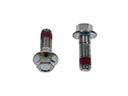 Dodge Dakota Brake Caliper Bolt
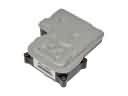 Dodge Dakota ABS Control Module
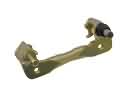 Dodge Dakota Brake Caliper Bracket
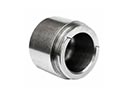 Dodge Dakota Brake Caliper Piston
 Dodge Dakota Brake Disc
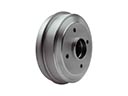 Dodge Dakota Brake Drum
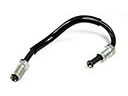 Dodge Dakota Brake Line
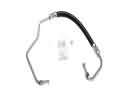 Dodge Dakota Hydraulic Hose
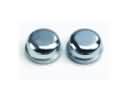 Dodge Dakota Wheel Bearing Dust Cap
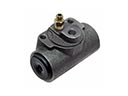 Dodge Dakota Wheel Cylinder
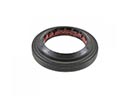 Dodge Dakota Wheel Seal