JeepParts
My Garage
My Account
Cart
OEM Dodge Ram 1500 Van Air Bag
Air Bag Module- Select Vehicle by Model
- Select Vehicle by VIN
Select Vehicle by Model
orMake
Model
Year
Select Vehicle by VIN
For the most accurate results, select vehicle by your VIN (Vehicle Identification Number).
8 Air Bags found
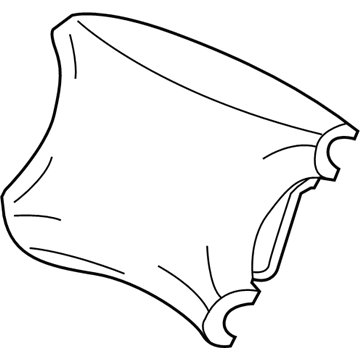
Dodge Ram 1500 Van Driver Inflator Module, Blue Spruce, Driver Side Part Number: EC27SP8
$40.12 MSRP: $50.86You Save: $10.74 (22%)Ships in 1-2 Business Days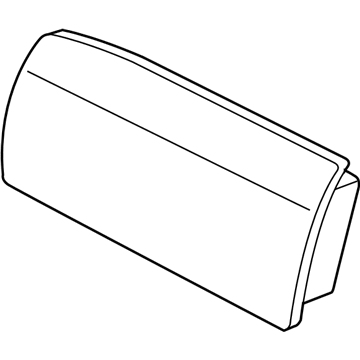
Dodge Ram 1500 Van Passenger Air Bag, Sandstone, Upper Passenger Side Part Number: 5EZ68XTMAE
$111.24 MSRP: $141.01You Save: $29.77 (22%)Ships in 1-2 Business DaysDodge Ram 1500 Van Passenger Air Bag, Slate Gray, Upper Passenger Side Part Number: 5EZ68XDVAE
$117.81 MSRP: $149.35You Save: $31.54 (22%)Ships in 1-2 Business Days
Dodge Ram 1500 Van Side Impact Inflator Module Part Number: 55361040AE
$112.29 MSRP: $142.35You Save: $30.06 (22%)Ships in 1-2 Business DaysDodge Ram 1500 Van Passenger Air Bag, Upper Passenger Side Part Number: 5EZ68VK9AE
$40.12 MSRP: $231.00You Save: $190.88 (83%)Ships in 1-2 Business DaysDodge Ram 1500 Van Passenger Air Bag, Upper Passenger Side Part Number: 5EZ68RC8AE
$114.58 MSRP: $658.00You Save: $543.42 (83%)Ships in 1-2 Business Days
Dodge Ram 1500 Van Side Impact Inflator Module Part Number: 55361055AG
$117.28 MSRP: $744.00You Save: $626.72 (85%)Ships in 1-2 Business Days
Dodge Ram 1500 Van Air Bag
Choose OEM Air Bag that meet Dodge factory standards. Dodge designs and tests every component for precision and durability. Each Air Bag follows strict manufacturing steps to lock in quality and fit. If your Dodge Ram 1500 Van matters to you, OEM parts make the smart choice. You'll get the exact look, feel, and performance you expect. Shop genuine Ram 1500 Van parts at the highly competitive prices online. Enjoy a manufacturer's warranty, a hassle-free return policy, and rapid delivery. No more guesswork with off brands. Get genuine parts with exact fit and true factory performance. Shop with confidence today at JeepPartsDeal.com.
Dodge Ram 1500 Van Air Bag Parts and Q&A
- Q: How to replace the passenger Air Bag door unit on Dodge Ram 1500 Van?A:Before installing a passenger air bag door unit, unhook the negative cable from the battery and make sure you wait at least two minutes for the system capacitor to discharge. Get rid of the passenger air bag from the instrument panel and settle it on an appropriate work area. Remove the screws connecting one end bracket to the air bag housing and remove the bracket. Draw the passenger air bag door to the end of the housing from where the end bracket was taken and free the beads from both the upper and lower return flanges of the door, then remove the door. Make sure the new passenger air bag door is positioned correctly at the end of the housing where the earlier bracket came off and insert the bead into both the upper and lower return flanges into the extruded channels. Place the door flanges within the channels, then fasten the end bracket to the housing so that the holes in both match. Schedule the two screws into the end bracket to hold it in place with force of at least 10 N.m (90 in.-lbs.). Once done, install the passenger air bag back into the instrument panel.
- Q: What are the essential steps to take after a vehicle collision involving an Air Bag on Dodge Ram 1500 Van?A:You must disable the air bag system after a collision before starting any work on the steering wheel, steering column, driver or passenger air bag, seat belt tensioner, side curtain air bag or components of the instrument panel. First, take off the battery negative cable and wait for two minutes so the systems capacitor can discharge. Any car or truck coming back onto roads after a supplemental restraint is used must have all the used restraints replaced. If the driver air bag has gone off, the Clock Spring has to be changed; if the passenger air bag has gone off, the passenger air bag door must be replaced. When one or both front air bags go off, the tensioners need to be replaced as well. When a side curtain air bag is used, all the parts linked to the bag-the air bag unit, headliner and upper A, B and C-pillar trim-must be replaced because they are not suitable for further use and could be damaged. air bag deployment leaves a powdery material in the cabin, made mostly from safe air bag activation particles and possibly traces of sodium hydroxide which can irritate your skin, eyes, nose or throat. For this reason, you should always have on safety glasses, rubber gloves and a long-sleeved shirt while cleaning up. In case the skin feels irritated, run cool water on it and if the nose or throat start to bother you, leave the vehicle to get fresh air. Follow the local laws when getting rid of all kinds of air bags and seat belt tensioners. First, take out both air bags and both seat belt tensioners and then use a vacuum cleaner to clean up any remaining powder inside the car, making sure you vacuum the heater and air conditioning ports. Use the blower on the lowest setting of both your heater and air conditioner to pick up the powder that comes out and you might have to vacuum the area a second time to clean everything.
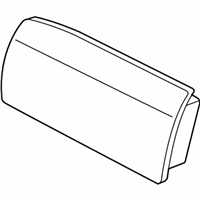
Related Dodge Ram 1500 Van Parts
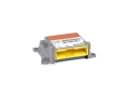 Dodge Ram 1500 Van Air Bag Control Module
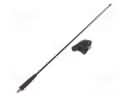 Dodge Ram 1500 Van Antenna
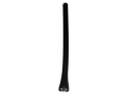 Dodge Ram 1500 Van Antenna Mast
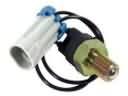 Dodge Ram 1500 Van Back Up Light Switch
 Dodge Ram 1500 Van Brake Light Switch
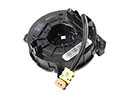 Dodge Ram 1500 Van Clock Spring
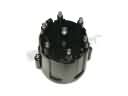 Dodge Ram 1500 Van Distributor Cap
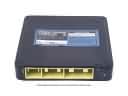 Dodge Ram 1500 Van Engine Control Module
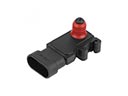 Dodge Ram 1500 Van MAP Sensor
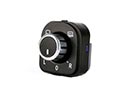 Dodge Ram 1500 Van Mirror Switch
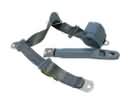 Dodge Ram 1500 Van Seat Belt
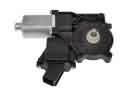 Dodge Ram 1500 Van Window Motor