JeepParts
My Garage
My Account
Cart
OEM Dodge Viper Rack And Pinion
Steering Gear- Select Vehicle by Model
- Select Vehicle by VIN
Select Vehicle by Model
orMake
Model
Year
Select Vehicle by VIN
For the most accurate results, select vehicle by your VIN (Vehicle Identification Number).
3 Rack And Pinions found
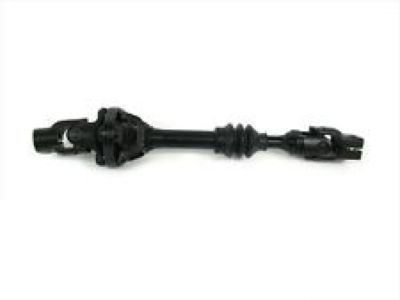
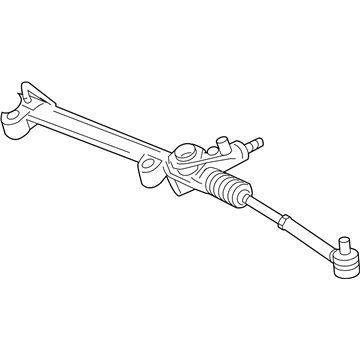
Dodge Viper Steering Gear, Front Part Number: 5104889AA
Dodge Viper Steering Gear Part Number: 4709489AB
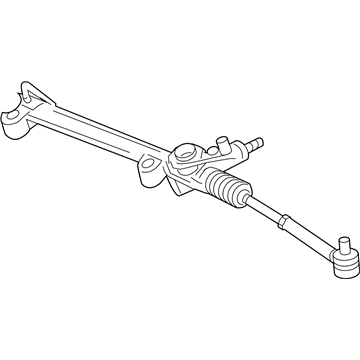
Dodge Viper Steering Gear Part Number: 4865678AH
Dodge Viper Rack And Pinion
Choose OEM Rack And Pinion that meet Dodge factory standards. Dodge designs and tests every component for precision and durability. Each Rack And Pinion follows strict manufacturing steps to lock in quality and fit. If your Dodge Viper matters to you, OEM parts make the smart choice. You'll get the exact look, feel, and performance you expect. Shop genuine Viper parts at the highly competitive prices online. Enjoy a manufacturer's warranty, a hassle-free return policy, and rapid delivery. No more guesswork with off brands. Get genuine parts with exact fit and true factory performance. Shop with confidence today at JeepPartsDeal.com.
The Rack And Pinion is a crucial component which has defined the performance and dependability, both of which are associate with Dodge Viper. It is another complex system designed to change the rotary motion of the steering wheel into turning motion at the front wheels for the drivers to realize excellent control and feel. Working with all kinds of Dodge Viper vehicles, the Rack And Pinion greatly improves the output and safety which make the possibility of maneuvering the vehicle even at high speed to be very real. Besides, hydraulic assistance in new generation Rack And Pinion makes the steering easier and it make it possible to be operated by any beginner. Even with possible problems like leakage or depreciated parts, Dodge Viper Rack And Pinion has been one of the crucial parts of the car's design and is essential for a car's stability that is classified as the sports car. In addition to the characteristics of the powerful design and reliability, there are particular features of the Rack And Pinion to distinguish it from other autos in the market: the strength and the complex construction make it reliable for performance. Thus, the reliability of Rack And Pinion system is one of many factors that paved the way for Dodge Viper to be considered as an iconic American sports car of the modern age. At the end of the day the Rack And Pinion is not just an assembly; it is much more; it is a reflection and interpretation of the essence of the Dodge Viper.
Dodge Viper Rack And Pinion Parts and Q&A
- Q:How to Install a Rack and Pinion Steering Gear on Dodge Viper?A:Install the rack and pinion by feeding it into the car through the left front wheel opening, once more from back to front and lower the vehicle to a height where you can get under it. You need to keep the rack and pinion in correctly adjusted dynamic toe and that is set by using shims to lift or lower the rack and pinion; always ensure the new shim has the same thickness as the old one and up to 11 mm (0.43 in. or 7/16 in.) shimming is available. Secure the early style toe pattern shims to their correct spots and make sure the open edges of the shim point along the rack and pinion's central line. Line up the rack and pinion and the rack and pinion brackets mounted on the frame, then put in two bolts with washers to connect them. Start tightening the driver side bolt into the nut on the frame, but don't finish just yet. With the special nut underneath, to avoid twisting it tightly, loosely attach it to the passenger side mounting bolt. Place the toe shims over the original size mounting bolts, then tighten the bolts to 203 Nm (150 ft. lbs). Hold and lift the vehicle prior to attaching the outer Tie Rod End to the Steering Knuckle and secure it using a new tie rod nut tightened to 75 Nm (55 ft. lbs). Put in all your wheels and attach the tires to them, torquing the mounting nuts to 135 Nm (100 ft. lbs) one by one as you go. Afterward, bring the car back down to the ground. Separately take the power steering pressure hose and return hose to the rack and pinion's fluid ports, closing and tightening the hose tube nuts to 28 Nm (21 ft. lbs). Place the Intermediate Shaft onto the rack and pinion shaft, push the coupling onto the shaft until the bolt hole matches and if you need to, tap it in with a soft brass drift and hammer, followed by tightening the coupling pinch bolt to 49 Nm (36 ft. lbs). Refit the housing of the air cleaner, remove the steering wheel from its holder and attach the battery negative cable to the negative battery post, not using automatic transmission fluid in the power steering; instead, use the recommended Mopar(R) Power Steering Fluid. After that, pump fluid into the power steering assembly, inspect every coupling for leaks and check the toe settings on the wheels.
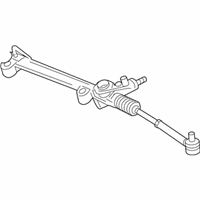
Related Dodge Viper Parts
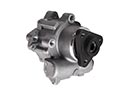 Dodge Viper Power Steering Pump
 Dodge Viper Power Steering Cooler
 Dodge Viper Power Steering Hose
 Dodge Viper Power Steering Reservoir
 Dodge Viper Rack & Pinion Bushing
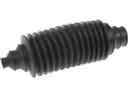 Dodge Viper Rack and Pinion Boot
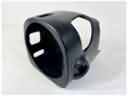 Dodge Viper Steering Column Cover
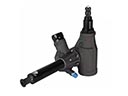 Dodge Viper Steering Gear Box
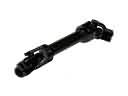 Dodge Viper Steering Shaft
 Dodge Viper Tie Rod
 Dodge Viper Tie Rod Bushing
 Dodge Viper Tie Rod End