JeepParts
My Garage
My Account
Cart
OEM Jeep Liberty A/C Accumulator
Accumulator- Select Vehicle by Model
- Select Vehicle by VIN
Select Vehicle by Model
orMake
Model
Year
Select Vehicle by VIN
For the most accurate results, select vehicle by your VIN (Vehicle Identification Number).
6 A/C Accumulators found
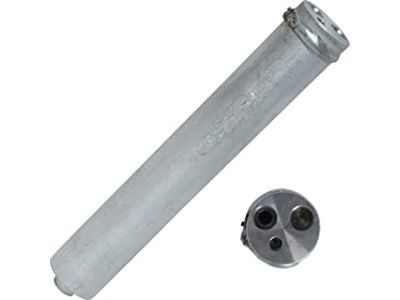

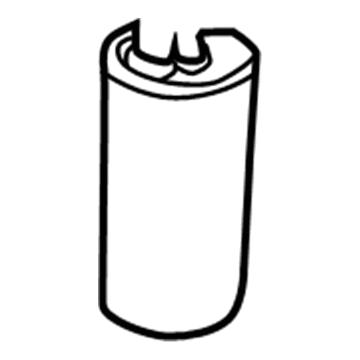
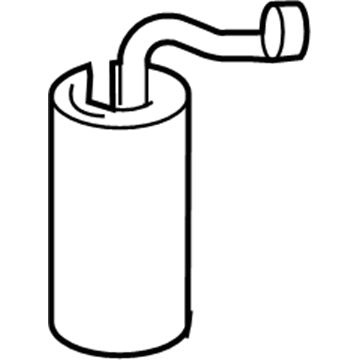
Jeep Liberty Dehydrator Part Number: 68003970AA
$48.56 MSRP: $72.47You Save: $23.91 (33%)Ships in 1-2 Business Days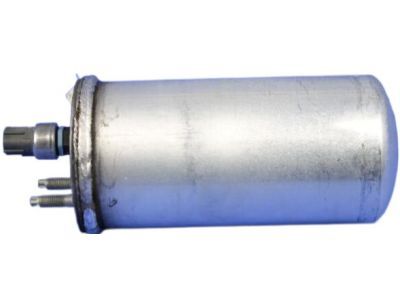
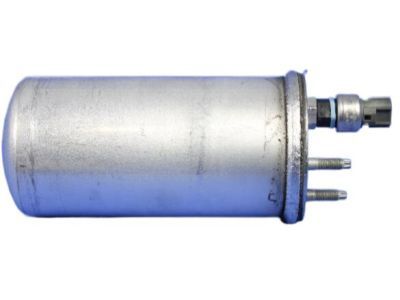
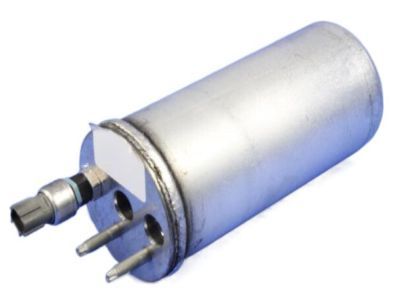
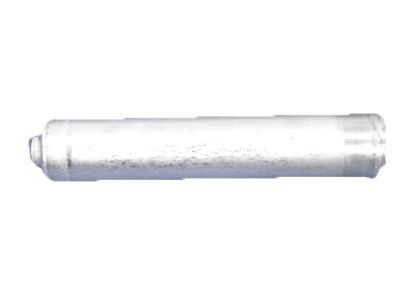
Jeep Liberty Dehydrator Part Number: 5072139AA
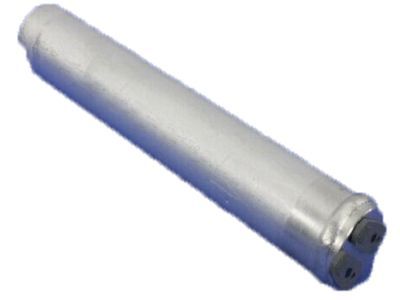
$93.84 MSRP: $118.96You Save: $25.12 (22%)Ships in 1-2 Business DaysJeep Liberty Dehydrator Part Number: 5189452AA
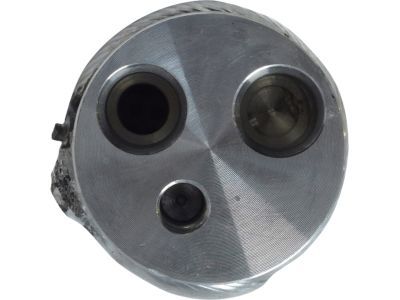
$147.11 MSRP: $220.81You Save: $73.70 (34%)Ships in 1-2 Business DaysJeep Liberty Dehydrator Part Number: 55037807AE
$324.88 MSRP: $428.00You Save: $103.12 (25%)Ships in 1-2 Business Days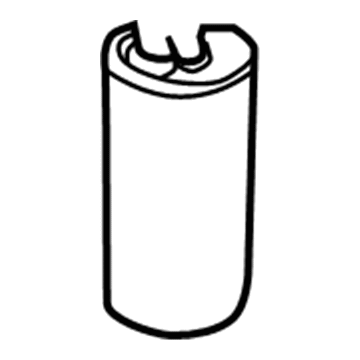
Jeep Liberty Dehydrator Part Number: 55037803AC
Jeep Liberty Dehydrator Part Number: 55037470AD
Jeep Liberty A/C Accumulator
Choose OEM A/C Accumulator that meet Jeep factory standards. Jeep designs and tests every component for precision and durability. Each A/C Accumulator follows strict manufacturing steps to lock in quality and fit. If your Jeep Liberty matters to you, OEM parts make the smart choice. You'll get the exact look, feel, and performance you expect. Shop genuine Liberty parts at the highly competitive prices online. Enjoy a manufacturer's warranty, a hassle-free return policy, and rapid delivery. No more guesswork with off brands. Get genuine parts with exact fit and true factory performance. Shop with confidence today at JeepPartsDeal.com.
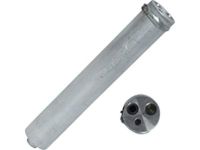
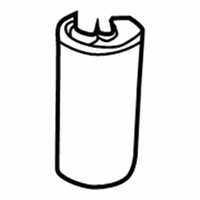
The A/C Accumulator in Jeep Liberty models plays important functions in the proper functioning and durability of A/C system. Mainly it is designed to remove dust and any excessive dampness to protect the underlying components of the A/C system. This cylindrical part has ports forConnections for flow of refrigerant to and from the condenser and expansion valve, and also includes a filter. Although the overview does not distinguish between the various types and configurations of A/C Accumulator applicable for different Liberty models, the basic workings remain the same for all. The A/C Receiver Drier is instrumental in maintaining a clean and dry conditions inside the A/C system, which is quite essential in enhancing both the efficiency and longevity of the system.
Jeep Liberty A/C Accumulator Parts and Q&A
- Q:How to remove an A/C Accumulator on Jeep Liberty?A:Before taking out the A/C accumulator, first separate and screw the negative Battery Cable to avoid electrical hazards. Take out the refrigerant from the refrigerant system. After that, remove the left Grille and the air seal from the cooling module assembly. After opening from the bottom of the front fascia, take out the bolt securing the A/C accumulator to the left side A/C Condenser. Separate the A/C accumulator from the A/C condenser and eliminate and throw away the O-ring gasket. Afterwards, insert the plastic plugs into or tape over all the opened places and ports of the A/C accumulator and condenser.
- Q:How to install an A/C Accumulator on Jeep Liberty?A:It is important to adjust the refrigerant oil to the right level before putting in the A/C accumulator to avoid issues and damage to the compressor. A leak in the A/C accumulator should be fixed as soon as an internal failure of the A/C Compressor is present. Whenever you change several components in the A/C system, use the Refrigerant Oil Capacities chart to find out the correct oil amount needed. If changing only the accumulator, include 120 milliliters (4 fluid ounces) of the oil in your refrigerant. Whenever you work on a refrigerant line, remember to change the O-ring seals to stop leaks. Place the A/C accumulator in the accumulator bracket to begin and then position the assembly under the hood. Tape or plugs on the refrigerant line fittings and the Evaporator and accumulator ports should be removed once the system is opened. Brush a little refrigerant oil onto new R-134a O-ring seals and put them over the fitting ends using only genuine O-rings for this system. Connect the suction lines (9 and 11) from the A/C with the A/C accumulator and attach with retaining nuts, placing the torque at 12.5 Nm (110 in. lbs.). For LHD models, pair the rear spring-lock coupler on the A/C suction line with the A/C evaporator and put the secondary retaining clip in place (6 & 4). For having AC with rear Heater ducts, unite the rear part of the suction line with the A/C evaporator and secure it with the nut at 12.5 Nm (110 in. lbs). Place the accumulator bracket on the dash panel, use two nuts and tighten them to 4.5 Nm (40 in. lbs.). If you remove it, fit the A/C low pressure switch onto the A/C accumulator, slide an O-ring seal over the switch and tighten it by hand. Connect the wire lead and connector to the A/C low pressure switch and put back the negative Battery Cable. Unload the refrigerant system and if you are changing the A/C accumulator, add 120 milliliters (4 fluid ounces) of refrigerant oil or turn to the Refrigerant Oil Capacities chart for advice on various component replacements. In the end, load the refrigerant system per the recommendation.
Related Jeep Liberty Parts
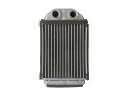 Jeep Liberty Heater Core
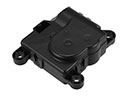 Jeep Liberty Blend Door Actuator
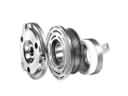 Jeep Liberty A/C Compressor Clutch
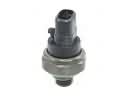 Jeep Liberty A/C Compressor Cut-Out Switches
 Jeep Liberty A/C Condenser
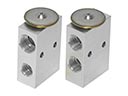 Jeep Liberty A/C Expansion Valve
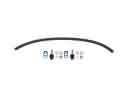 Jeep Liberty A/C Hose
 Jeep Liberty A/C Service Cap
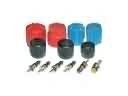 Jeep Liberty A/C System Valve Core
 Jeep Liberty Air Pump Check Valve
 Jeep Liberty Evaporator
 Jeep Liberty Temperature Sender