JeepParts
My Garage
My Account
Cart
OEM Jeep Liberty A/C Condenser
Air Conditioning Condenser- Select Vehicle by Model
- Select Vehicle by VIN
Select Vehicle by Model
orMake
Model
Year
Select Vehicle by VIN
For the most accurate results, select vehicle by your VIN (Vehicle Identification Number).
5 A/C Condensers found
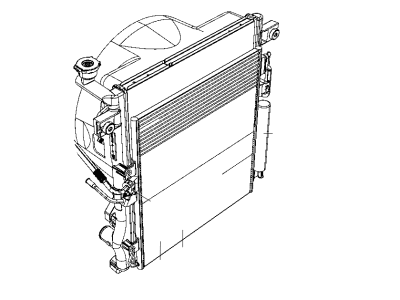
Jeep Liberty Condenser Part Number: 68033230AB
$308.24 MSRP: $490.00You Save: $181.76 (38%)Ships in 1-2 Business Days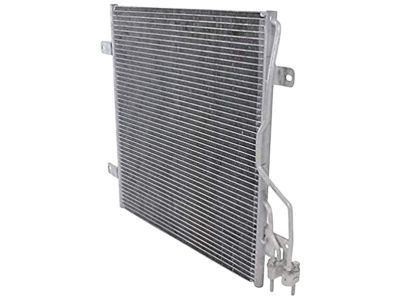
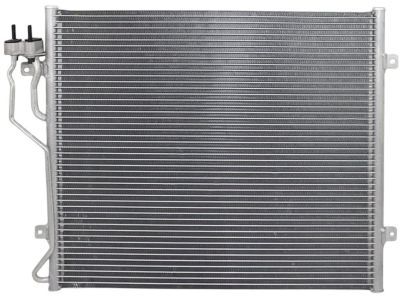
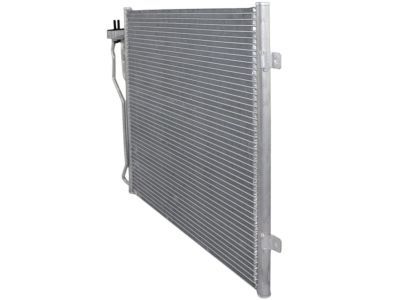
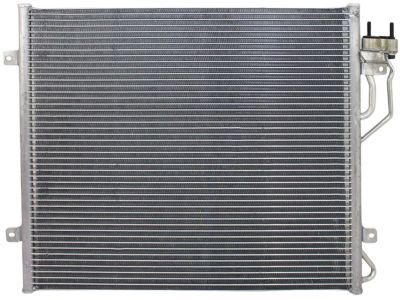
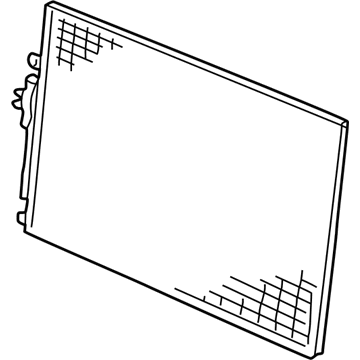
Jeep Liberty Condenser Part Number: 5183560AC
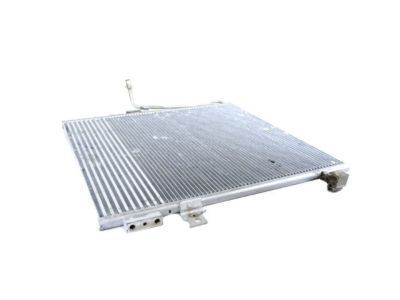
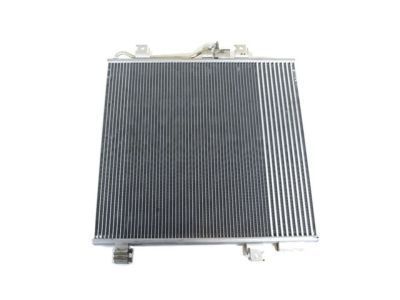
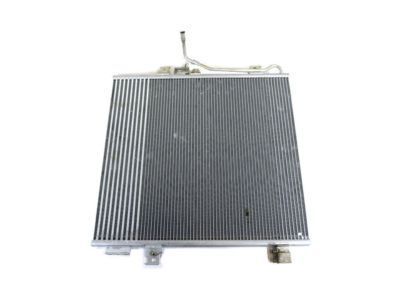
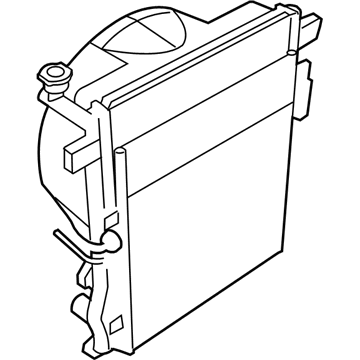
Jeep Liberty Condenser Part Number: 68033237AB
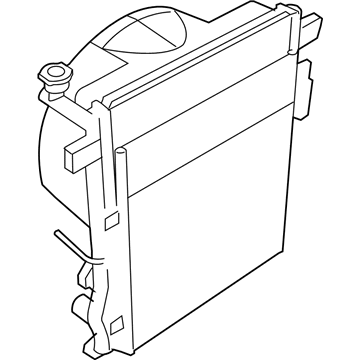
Jeep Liberty Condenser Part Number: 68033237AA
Jeep Liberty Condenser Part Number: 68033230AA
Jeep Liberty A/C Condenser
Choose OEM A/C Condenser that meet Jeep factory standards. Jeep designs and tests every component for precision and durability. Each A/C Condenser follows strict manufacturing steps to lock in quality and fit. If your Jeep Liberty matters to you, OEM parts make the smart choice. You'll get the exact look, feel, and performance you expect. Shop genuine Liberty parts at the highly competitive prices online. Enjoy a manufacturer's warranty, a hassle-free return policy, and rapid delivery. No more guesswork with off brands. Get genuine parts with exact fit and true factory performance. Shop with confidence today at JeepPartsDeal.com.
Due to its position and purpose, the A/C Condenser in Jeep Liberty auto serves as the heat exchanger to cool the gaseous refrigerant and condense it to liquid, before it is sent to the accumulator. Originally installed in front of the radiator, this part features a number of tubes that enable cooling. Here, the overview doesn't explain the difference in the types or Styles of the A/C Condensers being used in the different models of Jeep Liberty though the function remains the same as is; converting refrigerants. The efficiency of A/C Condenser plays the crucial role in keeping up the desired temperature in cabins and climate in a car.
Jeep Liberty A/C Condenser Parts and Q&A
- Q:How to Remove an A/C Condenser on Jeep Liberty?A:Before handling the A/C condenser, disconnect the negative battery terminal and drain the refrigerant from the car's system. After that, take out the engine air cleaner housing and the secondary retaining clip, using an A/C line disconnect tool (Special Tool Kit 7193 or the same) to detach the A/C liquid line from the condenser tube. Take out the Grille and, if your engine has an automatic transmission, disconnect the lines connecting the transmission cooler section of the A/C condenser. Move the right side air seal out of your way, then tilt and turn the A/C discharge line to detach it from the A/C condenser. Unscrew the nut attached to the end of the A/C discharge line and separate the hose it's attached to from the A/C condenser. Lift up the A/C condenser by its brackets on the Radiator by unbolting and removing the two bolts that secure it to the right side of the radiator. If this is needed, take out the A/C receiver/drier from the A/C condenser. Last, throw away the O-rings and gasket and install plugs in each of the opened refrigerant line fittings as well as those on the condenser and receiver/drier.
- Q:What Are the Best Practices for Installing an A/C Condenser to Ensure Optimal Performance on Jeep Liberty?A:You should always verify the refrigerant oil level as you install the A/C condenser to prevent issues in the system and harm to the compressor. Place the radiator/condenser air seals back where they belong for the unit to function well. When there are several A/C part replacements, use the Refrigerant Oil Capacities chart for the amount of oil required; if only the condenser is being replaced, add 30 milliliters (1 fluid ounce) of the suggested refrigerant oil. When opening refrigerant lines, be sure to change the rubber O-ring seals and metal gaskets so leaks don't occur. Tape and plugs should first be removed from the coldline fittings and ports on the receiver/drier and condenser. Use refrigerant oil to lubricate new rubber O-ring seals, fit them over the line fittings with a new gasket and do not use other types. If you took out the A/C receiver/drier, put it on the A/C condenser now. Hold the A/C condenser in place and tighten two bolts to 5 Nm (44 in. lbs.) on the mounting brackets which are found in the engine area. Hook the A/C discharge line to the condenser and nail down the nut at 22.5 Nm (200 in. lbs.), moving the pipe as needed for alignment. Put the right side condenser air seal in place, hook up the lines from the transmission cooler if you have an automatic transmission and install the Grille. Pull the A/C liquid line tube onto the condenser and fasten it with the secondary retaining clip. Slide the engine air cleaner housing into place and then fasten it back. Also, reconnect the negative Battery Cable. Get rid of the refrigerant and then, when the refrigerant oil is being replaced, use 30 milliliters (1 fluid ounce) of that kind of oil; for several component replacements, follow the guidelines in the Refrigerant Oil Capacities chart. After completing all the previous steps, it's time to charge the refrigerant.
Related Jeep Liberty Parts
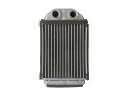 Jeep Liberty Heater Core
 Jeep Liberty Blend Door Actuator
 Jeep Liberty Blower Motor
 Jeep Liberty Blower Motor Resistor
 Jeep Liberty A/C Compressor Cut-Out Switches
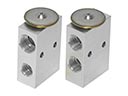 Jeep Liberty A/C Expansion Valve
 Jeep Liberty A/C Hose
 Jeep Liberty A/C Service Cap
 Jeep Liberty A/C System Valve Core
 Jeep Liberty Air Pump Check Valve
 Jeep Liberty Evaporator
 Jeep Liberty Temperature Sender