JeepParts
My Garage
My Account
Cart
OEM 2005 Chrysler Crossfire Brake Caliper
Caliper- Select Vehicle by Model
- Select Vehicle by VIN
Select Vehicle by Model
orMake
Model
Year
Select Vehicle by VIN
For the most accurate results, select vehicle by your VIN (Vehicle Identification Number).
8 Brake Calipers found
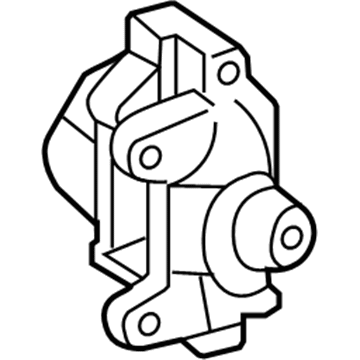
2005 Chrysler Crossfire Caliper, Rear Driver Side Part Number: 5126303AA
$67.99 MSRP: $86.18You Save: $18.19 (22%)Ships in 1-2 Business DaysProduct Specifications- Other Name: Caliper - Disc Brake; Disc Brake Caliper, Rear Left; Caliper Disc Brake; Brake Caliper
- Position: Rear Driver Side
- Item Weight: 3.20 Pounds
- Item Dimensions: 7.4 x 6.5 x 5.4 inches
- Condition: New
- Fitment Type: Direct Replacement
- SKU: 5126303AA
- Warranty: This genuine part is guaranteed by Mopar's factory warranty.
- Product Specifications
- Other Name: Caliper - Disc Brake; Disc Brake Caliper, Rear Left; Caliper Disc Brake; Brake Caliper
- Position: Rear Driver Side
- Replaces: 5143627AB
- Item Weight: 8.00 Pounds
- Item Dimensions: 8.3 x 6.8 x 5.8 inches
- Condition: New
- Fitment Type: Direct Replacement
- SKU: 5143627AA
- Warranty: This genuine part is guaranteed by Mopar's factory warranty.
2005 Chrysler Crossfire Caliper Part Number: 5143626AA
Product Specifications- Other Name: Caliper - Disc Brake; Brake Caliper; Caliper Disc Brake
- Condition: New
- Fitment Type: Direct Replacement
- SKU: 5143626AA
- Warranty: This genuine part is guaranteed by Mopar's factory warranty.
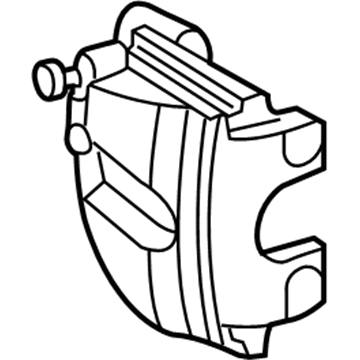
 Product Specifications
- Other Name: Caliper - Disc Brake; Disc Brake Caliper, Front Left; Caliper Disc Brake; Brake Caliper
- Position: Front Driver Side
- Item Weight: 11.20 Pounds
- Item Dimensions: 7.2 x 7.4 x 6.8 inches
- Condition: New
- Fitment Type: Direct Replacement
- SKU: 5143225AA
- Warranty: This genuine part is guaranteed by Mopar's factory warranty.
- Product Specifications
- Other Name: Caliper - Disc Brake; Disc Brake Caliper, Front Right; Caliper Disc Brake; Brake Caliper
- Position: Front Passenger Side
- Condition: New
- Fitment Type: Direct Replacement
- SKU: 5143224AA
- Warranty: This genuine part is guaranteed by Mopar's factory warranty.
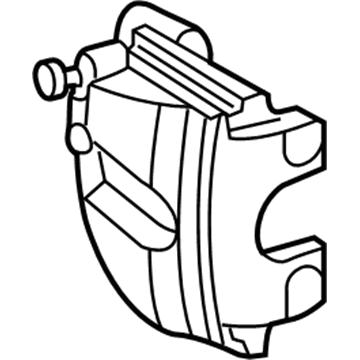
 Product Specifications
- Other Name: Caliper - Disc Brake; Disc Brake Caliper, Front Left; Caliper Disc Brake; Brake Caliper
- Position: Front Driver Side
- Item Weight: 9.20 Pounds
- Item Dimensions: 8.3 x 7.0 x 5.8 inches
- Condition: New
- Fitment Type: Direct Replacement
- SKU: 5139587AA
- Warranty: This genuine part is guaranteed by Mopar's factory warranty.
- Product Specifications
- Other Name: Caliper - Disc Brake; Disc Brake Caliper, Front Right; Caliper Disc Brake; Brake Caliper
- Position: Front Passenger Side
- Item Weight: 8.90 Pounds
- Item Dimensions: 8.4 x 6.7 x 5.9 inches
- Condition: New
- Fitment Type: Direct Replacement
- SKU: 5139586AA
- Warranty: This genuine part is guaranteed by Mopar's factory warranty.
- Product Specifications
- Other Name: Caliper - Disc Brake; Disc Brake Caliper, Rear Right; Caliper Disc Brake; Brake Caliper
- Position: Rear Passenger Side
- Item Weight: 6.60 Pounds
- Item Dimensions: 7.7 x 6.8 x 5.3 inches
- Condition: New
- Fitment Type: Direct Replacement
- SKU: 5126302AA
- Warranty: This genuine part is guaranteed by Mopar's factory warranty.
2005 Chrysler Crossfire Brake Caliper Parts and Q&A
- Q: How to Service and Repair a Rear Brake Caliper on 2005 Chrysler Crossfire?A: Before handling the rear brake caliper, support the vehicle on jacks, then take out the rear tire and wheel assembly. Take out some of the fluid using a clean syringe that sucks liquid from the master cylinder brake reservoir. Take out the bolts holding the caliper mount and carefully unfasten the caliper from the knuckle so you don't drip brake fluid onto painted areas. Rotate the caliper and hold the brake hose with a wrench to pull the brake hose out. Punch out the retaining pin and once it's out, remove the anti-rattle clip before taking out the brake pads from the caliper. Take apart the caliper to check it out for wear or damage; afterward, clean its inside parts with clean brake fluid or Brake Clean, not with gasoline, kerosene or other solvents. Check the caliper piston, since you should use a new one that matches the original in material, as steel and phenolic resin pistons are not the same. To clean the deposit from the piston, use a soft brass wire brush or roughened towel, but do not use anything that could cover or remove the chrome layer. If either the piston is stuck or the cylinder's bores are worn or rusted, you should replace the component whole of either the fixed or floating brake caliper. If rust is light, simply clean it with a polishing cloth; if it's heavier close to the piston seal groove, it should be removed with fine-grain emery paper. To install, first put on the rear brake pads, link the brake hose to the caliper and ensure the hose isn't twisted or folded before securing the caliper to the knuckle with the bolts tightened to 55 Nm (41 ft. lbs.). Whether you pressure-bleed or do it yourself, fill the brake system and then hook back up the wheel and tire assembly. Until you can push the brake pedal down with force, do not move, then set the car on firm ground, lower it, pump the brake pedal to make the caliper pistons and brake pads fit in place, top off the brake fluid reservoir if it's needed and finally, check for possible leaks.
Related 2005 Chrysler Crossfire Parts
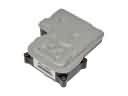 2005 Chrysler Crossfire ABS Control Module
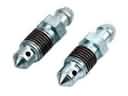 2005 Chrysler Crossfire Brake Bleeder Screw
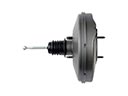 2005 Chrysler Crossfire Brake Booster
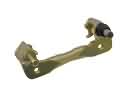 2005 Chrysler Crossfire Brake Caliper Bracket
 2005 Chrysler Crossfire Brake Disc
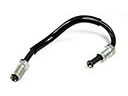 2005 Chrysler Crossfire Brake Line
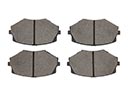 2005 Chrysler Crossfire Brake Pad
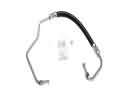 2005 Chrysler Crossfire Hydraulic Hose
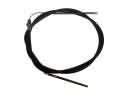 2005 Chrysler Crossfire Parking Brake Cable
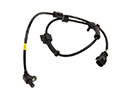 2005 Chrysler Crossfire Speed Sensor
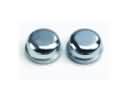 2005 Chrysler Crossfire Wheel Bearing Dust Cap
 2005 Chrysler Crossfire Wheel Seal