JeepParts
My Garage
My Account
Cart
OEM Chrysler Crossfire Brake Caliper
Caliper- Select Vehicle by Model
- Select Vehicle by VIN
Select Vehicle by Model
orMake
Model
Year
Select Vehicle by VIN
For the most accurate results, select vehicle by your VIN (Vehicle Identification Number).
8 Brake Calipers found
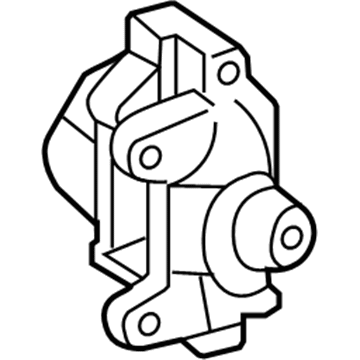
Chrysler Crossfire Caliper, Rear Driver Side Part Number: 5126303AA
$67.99 MSRP: $86.18You Save: $18.19 (22%)Ships in 1-2 Business DaysChrysler Crossfire Caliper Part Number: 5143626AA
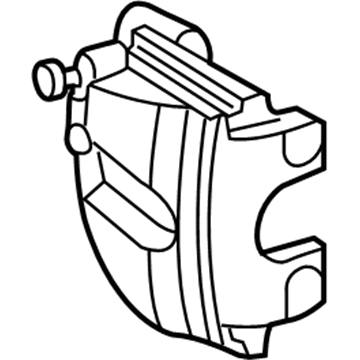
Chrysler Crossfire Caliper, Front Driver Side Part Number: 5143225AA
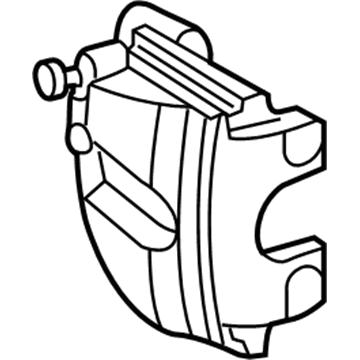
Chrysler Crossfire Caliper, Front Driver Side Part Number: 5139587AA
Chrysler Crossfire Caliper, Rear Passenger Side Part Number: 5126302AA
Chrysler Crossfire Caliper, Rear Driver Side Part Number: 5143627AA
Chrysler Crossfire Brake Caliper
Choose OEM Brake Caliper that meet Chrysler factory standards. Chrysler designs and tests every component for precision and durability. Each Brake Caliper follows strict manufacturing steps to lock in quality and fit. If your Chrysler Crossfire matters to you, OEM parts make the smart choice. You'll get the exact look, feel, and performance you expect. Shop genuine Crossfire parts at the highly competitive prices online. Enjoy a manufacturer's warranty, a hassle-free return policy, and rapid delivery. No more guesswork with off brands. Get genuine parts with exact fit and true factory performance. Shop with confidence today at JeepPartsDeal.com.
Chrysler Crossfire Brake Caliper is an important part in the brake system of Chrysler Crossfire cars due to the quality and efficiency. This Brake Caliper applies the hydraulic pressure supplied from master cylinder to mechanical pressure in order to push the brake pads onto the rotors to slow or stop the car. Chrysler Crossfire cars have both Fixed and Floating Brake Calipers, and the Fixed Calipers have a lot of advantages such as greater pressure compared to Floating type that is of malleable structure. Some of these Brake Calipers are made of cast iron for the caliper body, with steel or phenolic material being used for the pistons all these contribute to the durability and efficiency of Brake Calipers. This Chrysler Crossfire Brake Caliper can fit different models to guarantee that the drivers will have the prime braking ever in the line of the vehicles. Not only does this Brake Caliper make the car run much better, but it also plays a part in safety by providing that crucial ability to halt the vehicle in whichever situation the driver may need it. Depending on the nameplate, some special features like the optional performance oriented design can be enhanced to achieve better looking and performing products for the Chrysler Crossfire Brake Caliper in the automobile industry. In total, the Chrysler Crossfire Brake Caliper is a representation of the Chrysler's focus on quality and performance; this kind of brake caliper supports the Chrysler Crossfire image of a sensational and enjoyable sports car.
Chrysler Crossfire Brake Caliper Parts and Q&A
- Q:How to Remove and Replace a Front Disc Brake Caliper on Chrysler Crossfire?A:In order to remove and replace the front disc brake caliper, initially place the inboard and outboard brake pads onto the caliper. Use some silicone grease to massage the slide pins and slide pin bushings and after that, put the caliper into place on the mounting bracket. Secure both slides with pins by tightening each pin to 25 Nm. After that, add the slide pin caps and wear indicator to the caliper, tighten the bolt to 8 Nm, then install the remaining slide pin cap. The brake wear indicator should be attached to the brake pad. Put the spring end that is larger into the place above the mounting bracket in the top caliper. Insert the smaller end into the bottom hole of the caliper. Make sure the spring is pressed down as you work, carefully slide the brake loosener out from the bottom side of the holding bracket, check that the hose is not twisted and only retighten the clip when confirmed. Join the brake hose to the caliper, add brake fluid and bleed the brakes. After that, put the wheel and tire in place. Don't try to drive off until you can apply the brakes firmly and without touching the brake pedal. Decrease the car's height and then move the brake pedal completely. Fill the brake fluid reservoir with new liquid if it's low and verify for any sign of leaks.
- Q:How to Service and Repair a Front Brake Caliper on Chrysler Crossfire?A:Start by putting the vehicle on a jack and supporting it, then take out the wheel and tire assembly. Draw out a small amount of brake fluid from the master cylinder and take off the brake pad wear indicators' electrical connection. After removing the brake pad wear indicator using the retaining bolt, force the caliper piston into the bottom of the caliper with a pry bar. Remove the caliper support spring, get rid of the caps and pins from the slides and disconnect the caliper from its bracket so the brake fluid doesn't get on the paint. After that, free the brake hose from the caliper and extract the inboard and outboard brake pads. Dismantle the caliper, clear away the old brake fluid and examine it for damage before cleaning. Catch the caliper piston on a shop towel pressed against a block of wood, make sure the air pressure is low pressure for short bursts and never keep air pressure there for a long time to prevent it from bursting. With proper equipment, take out the piston dust boot and seal, clean all parts of the caliper with clean brake fluid or Brake Cleaner and do not use hazardous solvents. Look at the caliper piston and only replace it with the right type, then use a soft brass brush to wipe away deposits. If either the piston or the cylinder bores are damaged, always replace the full fixed brake caliper or the floating brake caliper cylinder housing. To clean the assembly area and dry it, remove old lubrication from the bore, piston and seals. Put brake fluid in the caliper bore, add a new piston seal, put a piston dust boot on and finally press the piston into the bore. Attach the new caliper bleed screw, along with the caliper and after that add the inboard and outboard brake pads. Apply silicone grease to each slide pin and bushing, attach the new caliper to the mounting bracket and tighten them to 25 Nm. Fix the slide pin caps, brake wear indicator and link it to the brake pad. Now secure the caliper support spring, so the brake hose is not bent as you tighten the fitting. Connect one end of the brake hose to the caliper, fill the brake system and afterwards bleed it, then put in the wheel and tire assembly. Don't move the vehicle until you get a solid brake pedal, secure the wheels, pump the brake pedal repeatedly until the rotation of the brakes stops and check and fill the brake fluid reservoir as needed.
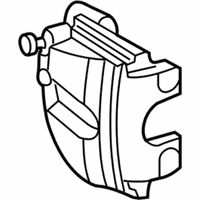
Related Chrysler Crossfire Parts
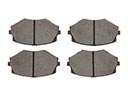 Chrysler Crossfire Brake Pads
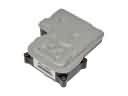 Chrysler Crossfire ABS Control Module
 Chrysler Crossfire ABS Pump And Motor Assembly
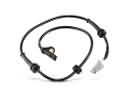 Chrysler Crossfire ABS Sensor
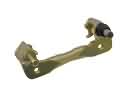 Chrysler Crossfire Brake Caliper Bracket
 Chrysler Crossfire Brake Controller
 Chrysler Crossfire Brake Line
 Chrysler Crossfire Brake Rotor
 Chrysler Crossfire Hydraulic Hose
 Chrysler Crossfire Speed Sensor
 Chrysler Crossfire Wheel Bearing Dust Cap
 Chrysler Crossfire Wheel Seal