JeepParts
My Garage
My Account
Cart
OEM Chrysler Catalytic Converter
Cat. Converter- Select Vehicle by Model
- Select Vehicle by VIN
Select Vehicle by Model
orMake
Model
Year
Select Vehicle by VIN
For the most accurate results, select vehicle by your VIN (Vehicle Identification Number).
210 Catalytic Converters found
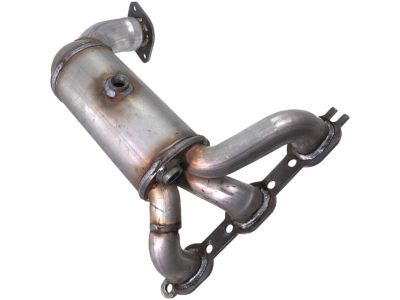
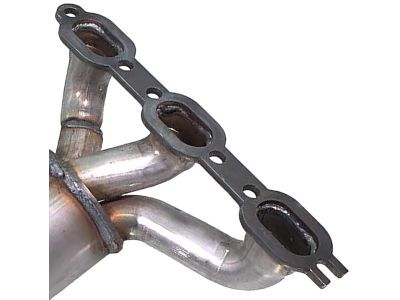
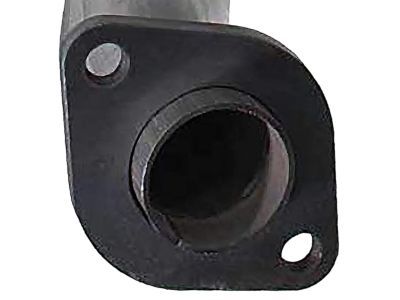
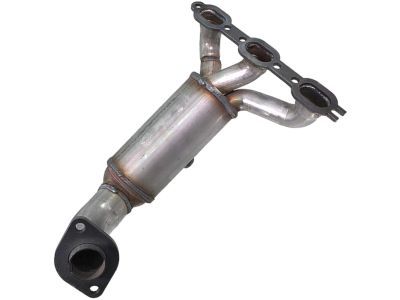
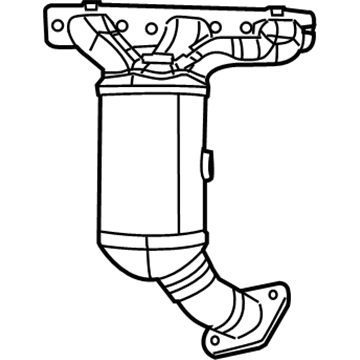
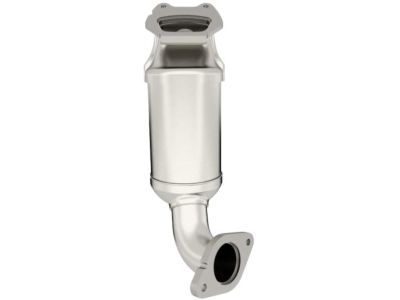
Chrysler Catalytic Converter, Passenger Side Part Number: 5171140AC
$1641.55 MSRP: $2400.86You Save: $759.31 (32%)Ships in 1-3 Business DaysProduct Specifications- Other Name: Converter - Exhaust and Catalytic Converter; Right Catalytic Converter with Integrated Manifold.; Manifold
- Position: Passenger Side
- Replaces: 5171140AB
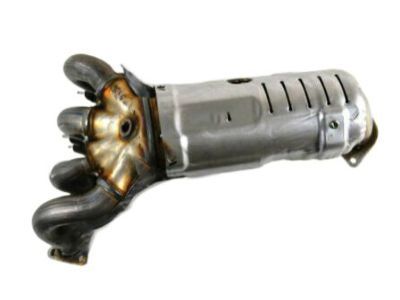
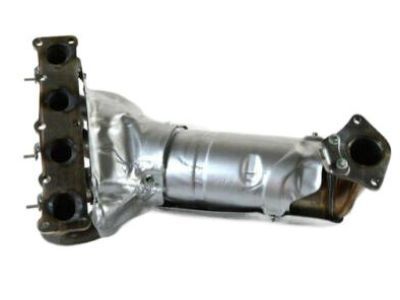
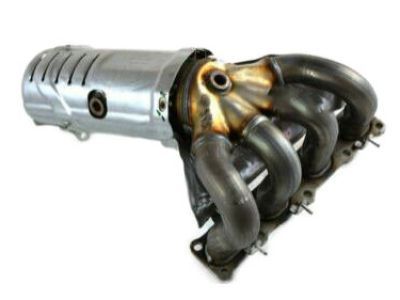
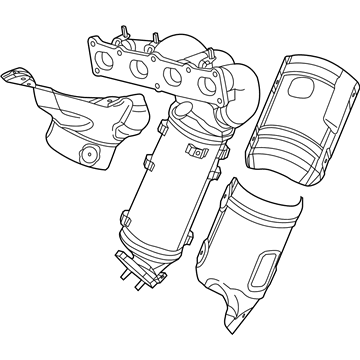
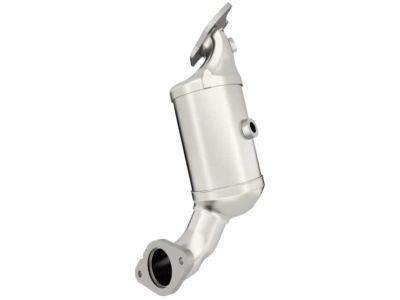
Chrysler Exhaust Manifold Part Number: 68432342AA
$1721.10 MSRP: $3075.00You Save: $1353.90 (45%)Ships in 1-3 Business DaysProduct Specifications- Other Name: Converter - Exhaust And Catalytic Converter; Catalytic Converter with Integrated Exhaust Manifold; Manifold W/Converter; Exhaust and Catalytic Converter Maniverter.
- Replaces: 68403179AA, 68367991AA, 68081821AB, 68081821AA
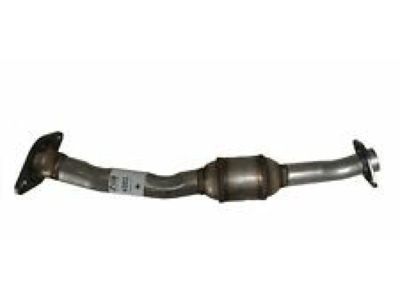
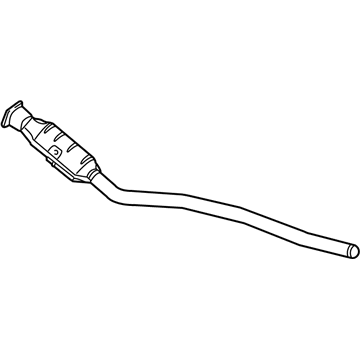
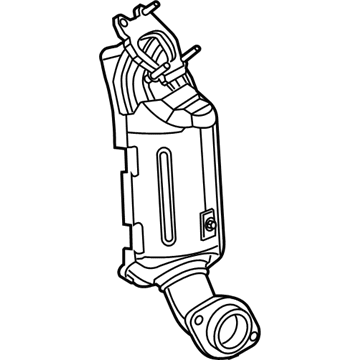
Chrysler Catalytic Converter Part Number: 4881024AD
$277.25 MSRP: $402.00You Save: $124.75 (32%)Ships in 1-3 Business DaysProduct Specifications- Other Name: Converter - Catalytic; Exhaust Pipe; Converter & Pipe; Converter Catalytic
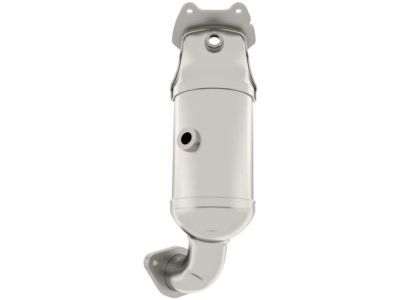
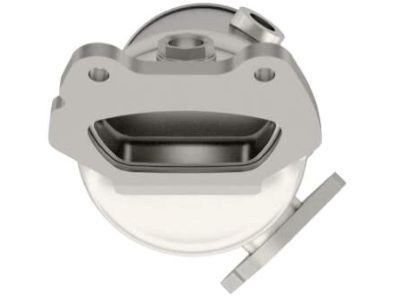
Chrysler Catalytic Converter, Rear Part Number: 68036150AL
$1435.45 MSRP: $2105.00You Save: $669.55 (32%)Ships in 1-3 Business DaysProduct Specifications- Other Name: Manifold - Exhaust And Catalytic Conve; Catalytic Converter, Rear; Exhaust Manifold; Manifold; Manifold Exhaust And Catalytic Converter Maniverter
- Position: Rear
- Replaces: 68036150AB, 68036150AC, 68036150AA, 68036150AJ, 68036150AI, 68036150AH, 68036150AF, 68036150AE, 68036150AD, 68036150AK, 68036150AG
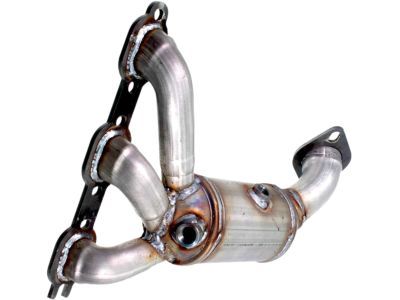
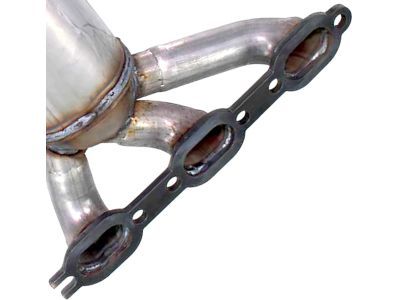
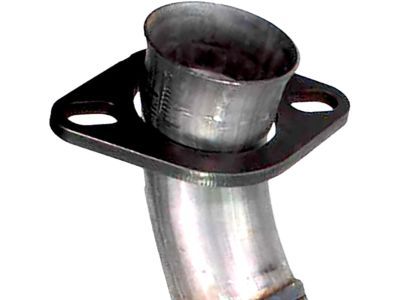
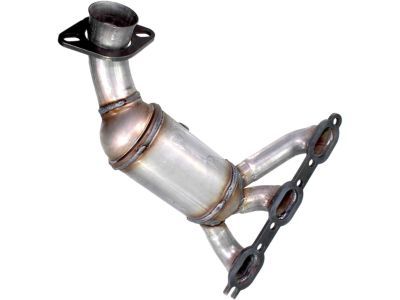
Chrysler Catalytic Converter, Driver Side Part Number: 5171141AC
$2065.20 MSRP: $3030.00You Save: $964.80 (32%)Ships in 1-3 Business DaysProduct Specifications- Other Name: Manifold - Exhaust And Catalytic Conve; Catalytic Converter with Integrated Exhaust Manifold, Left; Exhaust Manifold; Manifold; Manifold Exhaust And Catalytic Converter
- Position: Driver Side
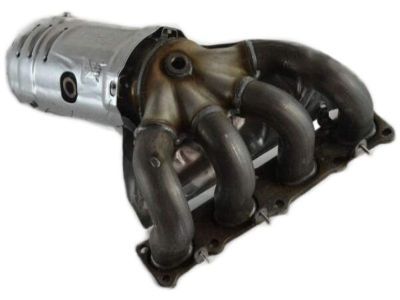
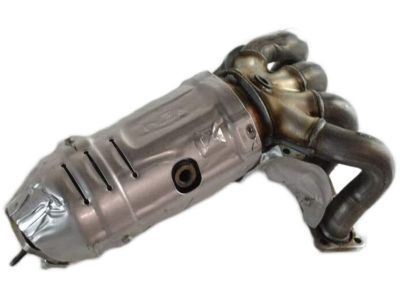
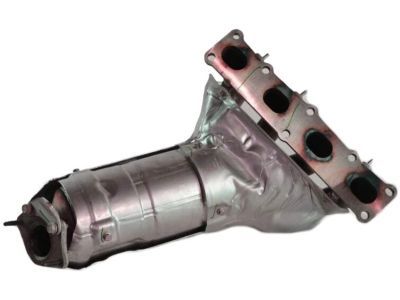
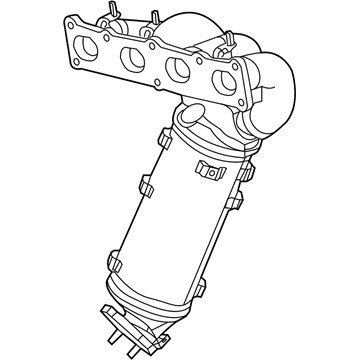
Chrysler Exhaust Manifold Part Number: 68234997AC
$1613.50 MSRP: $2335.00You Save: $721.50 (31%)Ships in 1-2 Business DaysProduct Specifications- Other Name: Converter - Exhaust And Catalytic Converter; Catalytic Converter with Integrated Exhaust Manifold; Manifold Converter; Manifold W/Converter; Manifold Exhaust And Catalytic Converter Maniverter; Manifold Exhaust
- Replaces: 68234997AB, 68197576AB, 68234997AA, 68197576AA
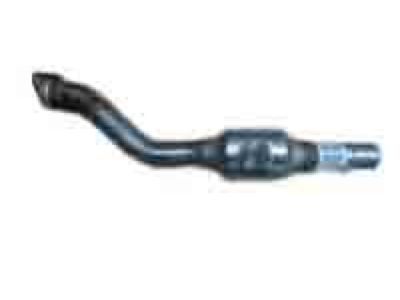
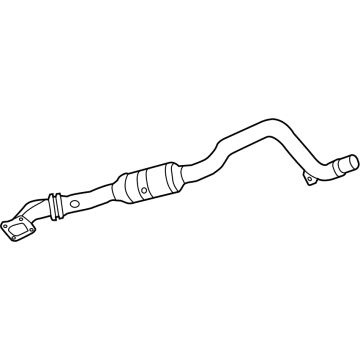
Chrysler Catalytic Converter, Front Passenger Side Part Number: 68038396AH
$1710.83 MSRP: $2475.00You Save: $764.17 (31%)Ships in 1-3 Business DaysProduct Specifications- Other Name: Converter - Front; Catalytic Converter, Right; Exhaust Pipe; Converter & Pipe; Pipe And Converter Front
- Position: Front Passenger Side
- Replaces: 68038396AF, 68038396AE, 68038396AC, 68038396AD, 68038396AG, 68038396AB
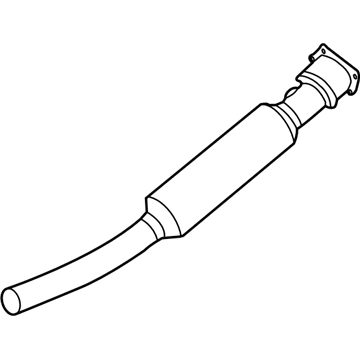

Chrysler Catalytic Converter, Front Part Number: 68083090AB
$517.76 MSRP: $926.32You Save: $408.56 (45%)Ships in 1-3 Business DaysProduct Specifications- Other Name: Converter - Front; Pipe And Converter Front
- Position: Front
- Replaces: 68083090AA
Chrysler Catalytic Converter Part Number: 68067130AB
$2051.21 MSRP: $3710.00You Save: $1658.79 (45%)Ships in 1-3 Business DaysProduct Specifications- Other Name: Converter - Catalytic; Converter Catalytic
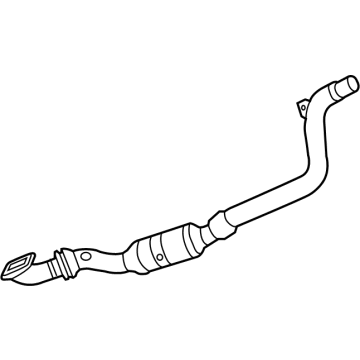
Chrysler Catalytic Converter, Front Driver Side Part Number: 68091591AG
$2858.72 MSRP: $5125.00You Save: $2266.28 (45%)Ships in 1-3 Business DaysProduct Specifications- Other Name: Converter - Front; Catalytic Converter, Left; Exhaust Pipe; Converter & Pipe; Pipe And Converter Front
- Position: Front Driver Side
- Replaces: 68091591AF, 68091591AB, 68091591AC, 68091591AD, 68091591AE
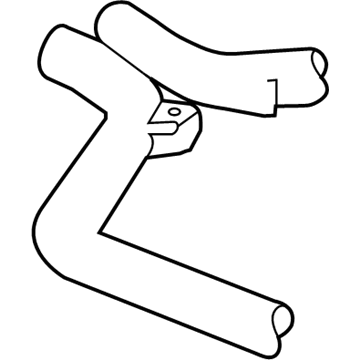
Chrysler Catalytic Converter, Front Part Number: 4578937AC
$769.06 MSRP: $1125.00You Save: $355.94 (32%)Ships in 1-3 Business DaysProduct Specifications- Other Name: Converter - Front; Pipe And Converter Front; Converter Catalytic
- Position: Front
- Replaces: 4578937AA, 4578937AB
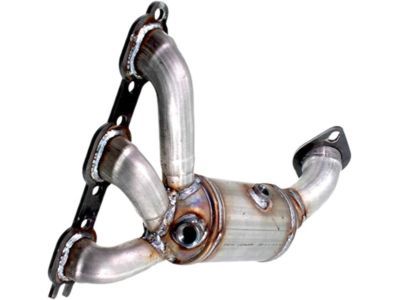
Chrysler Catalytic Converter, Driver Side Part Number: 5171143AD
$943.68 MSRP: $1360.00You Save: $416.32 (31%)Product Specifications- Other Name: Converter - Catalytic; Catalytic Converter with Integrated Exhaust Manifold, Left; Exhaust Manifold; Manifold
- Position: Driver Side
- Replaces: 5171143AC
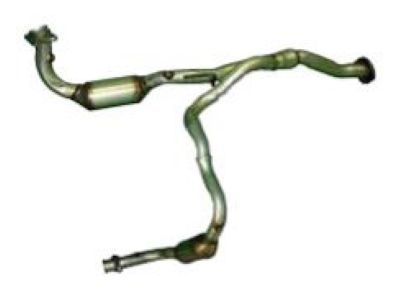
Chrysler Catalytic Converter Part Number: 4881224AB
Product Specifications- Other Name: Converter - Catalytic; Exhaust Pipe; Converter & Pipe; Converter Catalytic
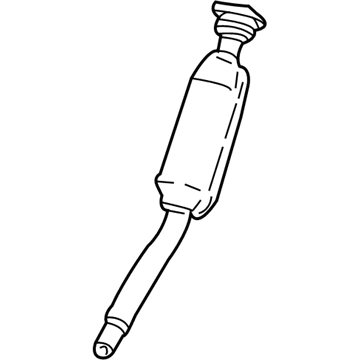
Chrysler Catalytic Converter Part Number: 4764618AD
Product Specifications- Other Name: Converter - Catalytic; Converter Catalytic [4 Cylinder Engines]; Converter Catalytic
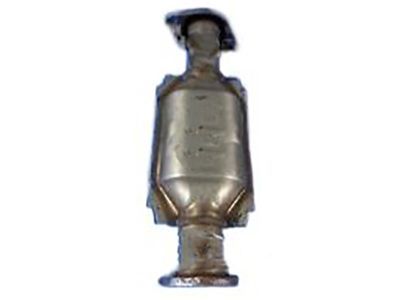
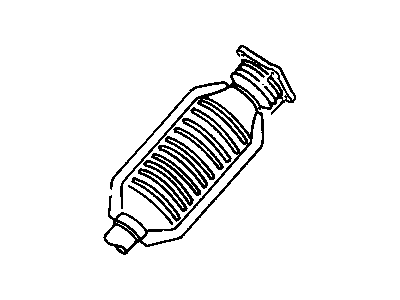
Chrysler Catalytic Converter Part Number: 4682996AC
Product Specifications- Other Name: Converter - Catalytic; Converter & Pipe; Converter Catalytic
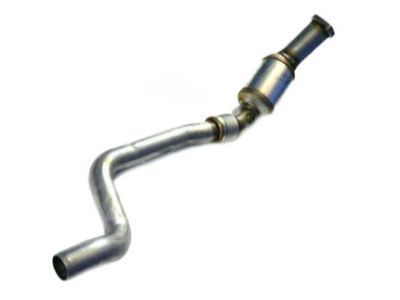
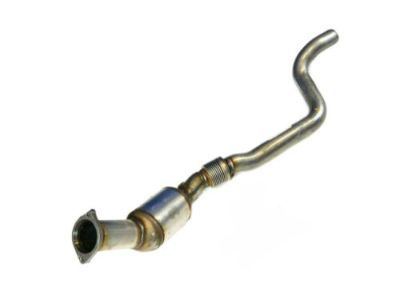
Chrysler Catalytic Converter, Driver Side Part Number: 4581749AB
Product Specifications- Other Name: Converter - Catalytic; Catalytic Converter, Left; Converter Catalytic
- Position: Driver Side
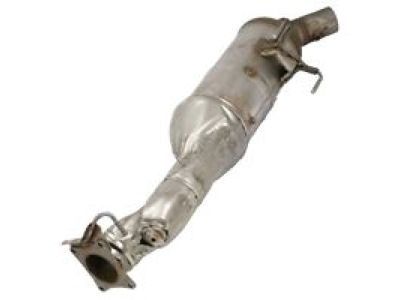
Chrysler Catalytic Converter Part Number: E0015031
Product Specifications- Other Name: Converter - Catalytic; Exhaust Pipe; Front Pipe; Catalytic Converter & Pipes - Front/Rear
- Replaces: E0015138, E0015181
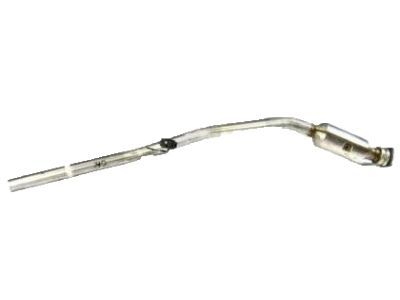
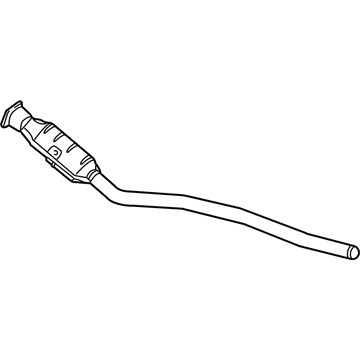
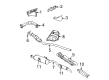
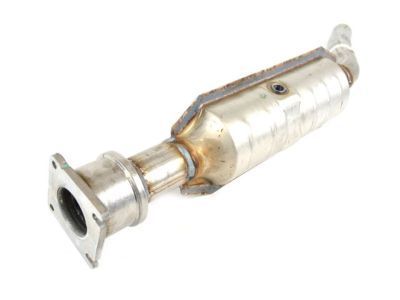
Chrysler Converter & Pipe Part Number: 68206652AA
Product Specifications- Other Name: Converter - Catalytic; Catalytic Converter; Exhaust Pipe
- Replaces: 4881638AC
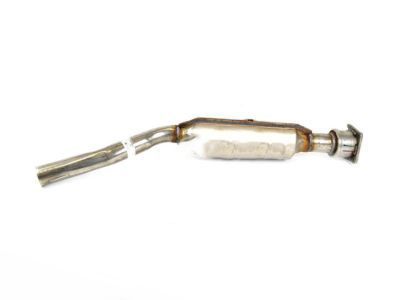
Chrysler Catalytic Converter Part Number: 4764618AF
Product Specifications- Other Name: Converter - Catalytic; Converter Catalytic [4 Cylinder Engines]
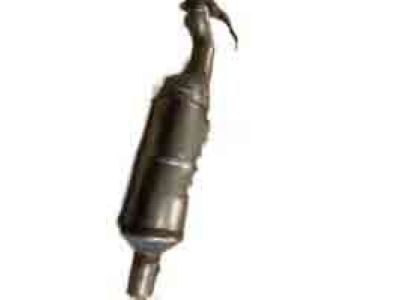
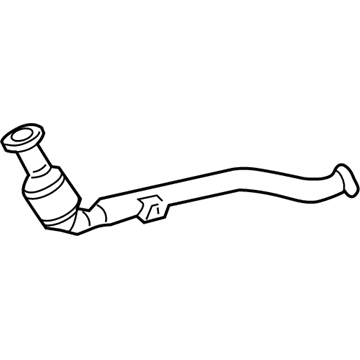
Chrysler Catalytic Converter, Passenger Side Part Number: 5114404AA
Product Specifications- Other Name: Converter - Catalytic; Catalytic Converter, Right; Converter Catalytic
- Position: Passenger Side
| Page 1 of 11 |Next >
1-20 of 210 Results
Chrysler Catalytic Converter
OEM parts sourced directly from Chrysler deliver superior quality, long lasting strength, and a precise fit you can trust. Each item goes through strict quality checks to ensure safety, toughness, and performance that matches your factory equipment. At JeepPartsDeal online shop, you'll get top-quality, budget-friendly OEM Chrysler Catalytic Converter for your vehicle. We focus on giving you a high standard without pushing up the price. Our full selection of genuine factory products comes backed by the original manufacturer's warranty. You'll love our fast delivery, seamless shopping experience, and convenient return policy, saving you all the hassle.
Chrysler Catalytic Converter cuts down toxic exhaust gases to maintain rides cleaner and the air easier to inhale. Since 1925, Chrysler has been working on good build quality and value which makes them able to continue purchasing without much difficulty by ordinary customers. Floating Power reduces engine vibration, as Chrysler Airflow styling compels cozier and peaceful cabin air flowing. Minivans later offered spacious interiors and convenient access, which made the brand fond of problem solving when the family goes out. The constant adjustment of ride quality and intelligent interior space demonstrates that Chrysler continues to make fun at the core of each upgrade that brings a consistent feel to the streets. The Catalytic Converter is installed into the exhaust and engages platinum, palladium, and rhodium in a dense honeycomb to ignite crucial chemical reactions. It transforms both carbon monoxide and un-oxidized hydrocarbons into carbon dioxide and water and reduces nitrogen oxides to non-toxic nitrogen. The jerking power rattles or glowing check engine light that refuses to fade away may be the first signs of the Catalytic Converter being clogged. Drivers can opt to install a high flow Catalytic Converter which can be easily bolstered and free to allow exhaust to flow at higher rates and the standards of emission are not violated. This remedy will also ensure that Chrysler vehicles do not exceed emission regulations and safeguard the city atmosphere, enabling everyone to inhale fresh air. Frequent updates make the Catalytic Converter active and free providing engines with the optimal blend of performance and accountability.
Chrysler Catalytic Converter Parts and Q&A
- Q:How to Maintain a Catalytic Converter on Chrysler 300?A:Before servicing the catalytic converter, allow the exhaust to cool because the catalyst runs hot. Grab the negative (black) connector from the battery and lift the vehicle up on a hoist. To do this on the right catalytic converter, take off the connectors from the downstream oxygen sensor, disconnect the muffler and resonator, remove the nuts and cross-brace on 2.7L/3.5L models, unwind the nuts at the catalytic converter ball flange and release the catalytic converter. On the left-hand catalytic converter, position the car so you can reach under it and unplug the downstream oxygen sensor wires, take out the muffler and resonator assembly and unscrew the ball flange nuts and the catalytic converter. Check for blocked pipes in the catalytic converter and visually inspect the element for any issues or cracks, be sure to find and fix the problem before swapping it. Install the catalytic converter onto the exhaust manifold ball flange and fasten everything with your fingers, then slide in the muffler and resonator assembly and secure all bolts and the cross brace with a torque wrench up to 55 Nm (40 ft. lbs.). Tighten the manifold ball flange nut to 12 Nm (106 inch lbs.), then look at the gap between the exhaust module and fuel tank and at the rear tunnel reinforcement area: it should measure 14 mm (0.55 inch) in V8s and 16 mm (0.62 inch) in V6s, replacing and adjusting as needed. Last, turn the ball flange nuts to a torque of 34 Nm (25 ft. lbs.), link the oxygen sensors, drive down the car, link back the negative battery cable, crank the engine and look for exhaust leaks, resolving them if they exist.
- Q:How to Service and Repair a Catalytic Converter for a 3.3/3.8L Engine on Chrysler Town & Country?A:For maintenance and repair of the catalytic converter on the 3.3/3.8L engine, loosen the clamp first and then take the muffler and resonator assembly off of the catalytic converter pipe. Disconnect the downstream oxygen sensor connector after that from the electrical system. After that, loosen the bolts that hold the catalytic converter to the exhaust manifold. Once done, remove the catalytic converter and the gasket.
Related Chrysler Parts
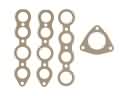 Chrysler Exhaust Manifold
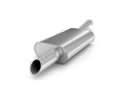 Chrysler Muffler
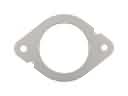 Chrysler Catalytic Converter Gasket
 Chrysler Exhaust Clamp
 Chrysler Exhaust Flange Gasket
 Chrysler Exhaust Hanger
 Chrysler Exhaust Heat Shield
 Chrysler Exhaust Manifold Gasket
 Chrysler Exhaust Pipe
 Chrysler Exhaust Resonator
 Chrysler Muffler Strap
 Chrysler Tail Pipe