JeepParts
My Garage
My Account
Cart
OEM Dodge Ram 1500 Van A/C Condenser
Air Conditioning Condenser- Select Vehicle by Model
- Select Vehicle by VIN
Select Vehicle by Model
orMake
Model
Year
Select Vehicle by VIN
For the most accurate results, select vehicle by your VIN (Vehicle Identification Number).
1 A/C Condenser found
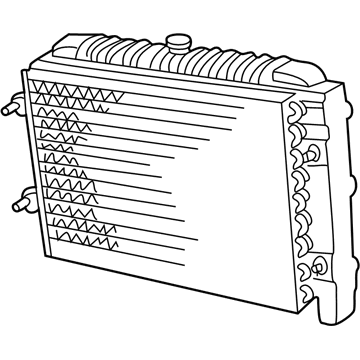
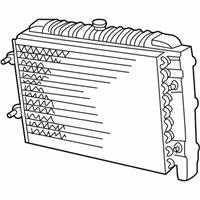
Dodge Ram 1500 Van Condenser Part Number: 55055471AB
Dodge Ram 1500 Van A/C Condenser
Choose OEM A/C Condenser that meet Dodge factory standards. Dodge designs and tests every component for precision and durability. Each A/C Condenser follows strict manufacturing steps to lock in quality and fit. If your Dodge Ram 1500 Van matters to you, OEM parts make the smart choice. You'll get the exact look, feel, and performance you expect. Shop genuine Ram 1500 Van parts at the highly competitive prices online. Enjoy a manufacturer's warranty, a hassle-free return policy, and rapid delivery. No more guesswork with off brands. Get genuine parts with exact fit and true factory performance. Shop with confidence today at JeepPartsDeal.com.
Dodge Ram 1500 Van A/C Condenser Parts and Q&A
- Q:What steps should be followed before and during the removal and installation of the A/C condenser in the air conditioning system on Dodge Ram 1500 Van?A:Notice where the air seals are on each of the condenser and radiator before you take out the condenser, so that you maintain an uninterrupted airflow over the engine and air conditioning parts during reassembly. First move on to isolate and cut power by unhooking the battery's negative cable, then remove the refrigerant from the system. Remove the radiator grille, unhook the line from the condenser inlet and put plugs or tape over all the radiator fittings you have removed. Then, take the liquid line off the condense outlet and cover the threaded openings with plugs or tape. Take out the nuts securing the condenser to the front of both radiator core supports and then remove the upper radiator support from the vehicle, removing the sensors at the same time. Attach one side bracket to the radiator core support screw on the right and the other side bracket to the support screw on the left side, replace the nuts and button them to tighten to 11.8 Nm (105 in. lbs.) Put back the upper radiator support, after that open the refrigerant plugs or remove the tape from the connectors on the liquid line and condenser outlet and join the liquid line to the outlet of the condenser. Do the same for the discharge line as well as the condenser inlet. Check that every seal on the condenser and radiator is fit, put the grille back on, link the battery's negative cable, remove the refrigerant and add it again after evacuating. If the condenser is replaced, pour 30 milliliters (one fluid ounce) of refrigerant oil into the refrigerant system using only the type that matches the compressor type for the vehicle.
Related Dodge Ram 1500 Van Parts
 Dodge Ram 1500 Van A/C Accumulator
 Dodge Ram 1500 Van A/C Compressor Clutch
 Dodge Ram 1500 Van A/C Compressor Cut-Out Switches
 Dodge Ram 1500 Van A/C Expansion Valve
 Dodge Ram 1500 Van A/C Hose
 Dodge Ram 1500 Van Blend Door Actuator
 Dodge Ram 1500 Van Blower Motor
 Dodge Ram 1500 Van Blower Motor Resistor
 Dodge Ram 1500 Van Evaporator
 Dodge Ram 1500 Van Heater Control Valve
 Dodge Ram 1500 Van Heater Core
 Dodge Ram 1500 Van HVAC Pressure Switch