JeepParts
My Garage
My Account
Cart
OEM Dodge Stratus Power Steering Hose
Power Steering Pressure Hose- Select Vehicle by Model
- Select Vehicle by VIN
Select Vehicle by Model
orMake
Model
Year
Select Vehicle by VIN
For the most accurate results, select vehicle by your VIN (Vehicle Identification Number).
18 Power Steering Hoses found
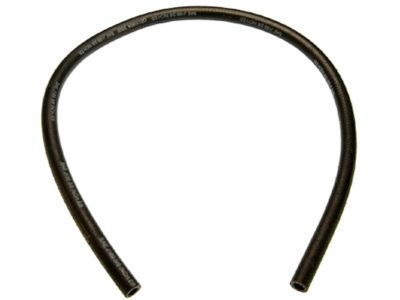
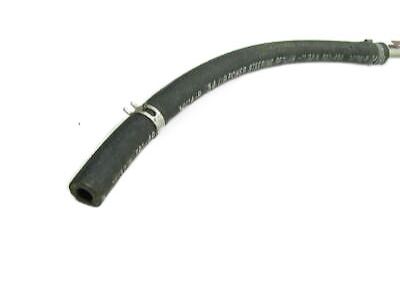
Dodge Stratus Power Steering Return Hose Part Number: 4879218AF
$12.20 MSRP: $17.50You Save: $5.30 (31%)Ships in 1-2 Business Days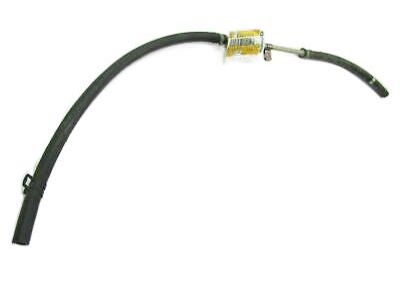
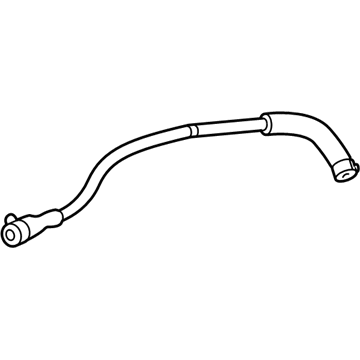
Dodge Stratus Power Steering Return Hose Part Number: 4695829
$34.14 MSRP: $43.28You Save: $9.14 (22%)Ships in 1-2 Business Days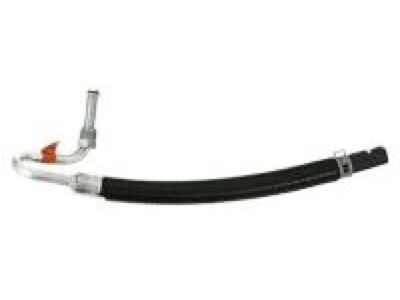
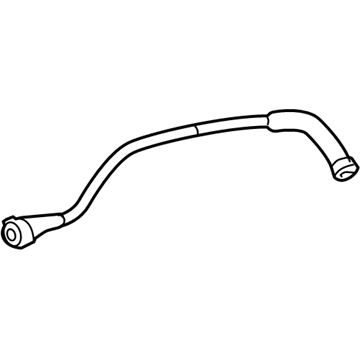

Dodge Stratus Reservoir Hose Part Number: 4764716AI
$39.66 MSRP: $48.20You Save: $8.54 (18%)Ships in 1-2 Business Days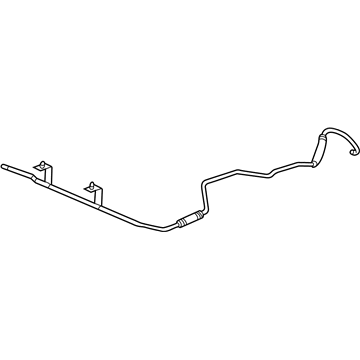
Dodge Stratus Power Steering Oil Cooler, Front Lower Part Number: 4879238AG
$33.24 MSRP: $95.35You Save: $62.11 (66%)Ships in 1-2 Business Days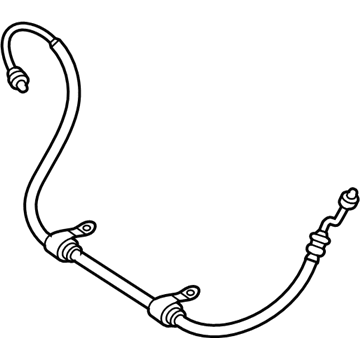
Dodge Stratus Power Steering Pressure Hose Part Number: 4764719AE
$50.50 MSRP: $88.04You Save: $37.54 (43%)Ships in 1-2 Business Days
Dodge Stratus Power Steering Pressure Hose Part Number: 4764347AF
$63.79 MSRP: $136.89You Save: $73.10 (54%)Ships in 1-3 Business Days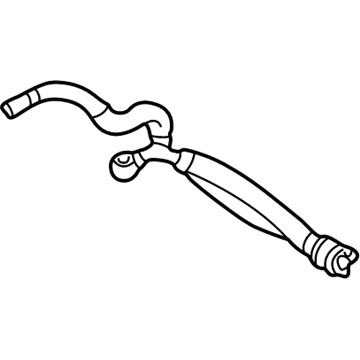
Dodge Stratus Power Steering Pressure Hose Part Number: MR272247
$72.48 MSRP: $91.89You Save: $19.41 (22%)Ships in 1-2 Business Days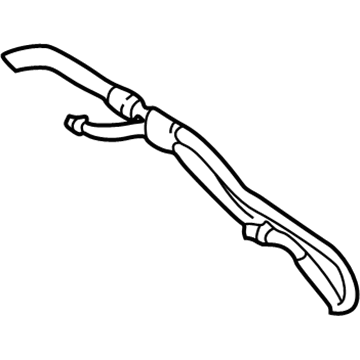
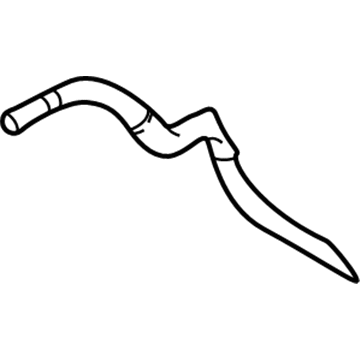
Dodge Stratus Power Steering Return Hose Part Number: MR333811
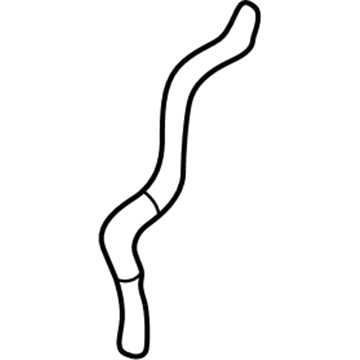
Dodge Stratus Power Steering Return Hose Part Number: MR333810
Dodge Stratus Power Steering Return Hose Part Number: MR333806

Dodge Stratus Center Return Hose Part Number: MR297550
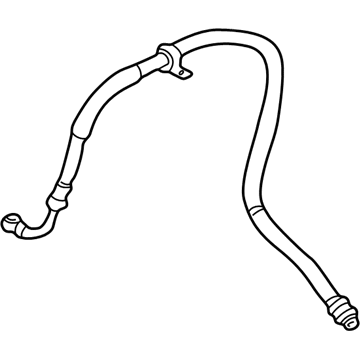
Dodge Stratus Power Steering Pressure Hose Part Number: MR130914
Dodge Stratus Power Steering Pressure Hose Part Number: 4764393AC

Dodge Stratus Suction Hose Part Number: 4626885
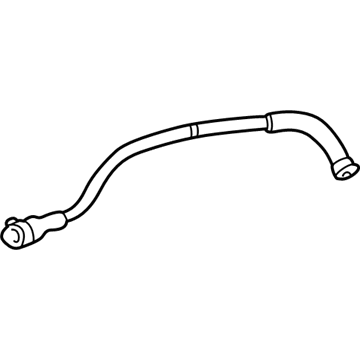
Dodge Stratus Reservoir Hose Part Number: 4764419AB
Dodge Stratus Power Steering Pressure Hose Part Number: 4764446AE
Dodge Stratus Power Steering Pressure Hose Part Number: 4764394AF
Dodge Stratus Power Steering Pressure Hose Part Number: 4764349AB
Dodge Stratus Power Steering Hose
Choose OEM Power Steering Hose that meet Dodge factory standards. Dodge designs and tests every component for precision and durability. Each Power Steering Hose follows strict manufacturing steps to lock in quality and fit. If your Dodge Stratus matters to you, OEM parts make the smart choice. You'll get the exact look, feel, and performance you expect. Shop genuine Stratus parts at the highly competitive prices online. Enjoy a manufacturer's warranty, a hassle-free return policy, and rapid delivery. No more guesswork with off brands. Get genuine parts with exact fit and true factory performance. Shop with confidence today at JeepPartsDeal.com.
The Dodge Stratus Power Steering Hose is one of the important parts that makes a big difference in the dependability of the Dodge Stratus vehicles manufactured between 1995 and 2005. This Power Steering Hose is responsible for conveying the high-pressure fluid through the product between the power steering pump and the steering gear to ease the power steering process. Made out of strengthened rubber material, the Dodge Stratus Power Steering Hose is made to be strong and pliable for the long term use, tend to have pre-bend metal tubing for added hardness. This capability fits different Dodge stratus model types, the type with four-wheeler and coupe body types or the sedan. Power steering hose is a very important system of a car; it has to work at optimal capacity for the car steering mechanism to work efficiently thus the safe handling of the car. A Dodge Stratus Power Steering Hose that has been properly maintained does not leak or lose fluid and this makes the driving to be excellent. Furthermore, the Dodge Stratus's Engine Performance is also well recognized and the car provides the prime 150 hp and prime fuel economy For this, it is also a fundamental component of the Power Steering Hose. Being a reliable product in the automotive market, the Power Steering Hose of the Dodge Stratus has something to offer to the drivers: smooth and responsive steering control in different conditions. In a nut shell, the Dodge Stratus Power Steering Hose is a perfect example of the company's dedication to producing high-quality parts that would deliver optimum performance; making it an absolute necessity for the Dodge Stratus models.
Dodge Stratus Power Steering Hose Parts and Q&A
- Q:How to Service and Repair a Power Steering Hose for Pressure Hose on Dodge Stratus?A:Lift your vehicle high enough to work under it, place caps on all open hose ends, pump fittings and the steering gear and you are ready to proceed. Recover the front crossmoemnt from below and note where it used to be to access the high and low pressure ports on the steering gear. Detach the power steering pressure hose from the steering gear and let the drain the power steering fluid. Remover the pressure hose routing bracket from the return hose and unbolt it from the cylinder head on vehicles with a 2.0 or 2.4 liter engine. On a 2.5 liter engine, eliminate the two routing brackets and bolts. Unfasten the tie-strap holding the supply hose to the pressure hose, then take off the pressure hose from the pump, never allowing the copper sealing washers to come loose in pumps that are speed sensitive. Throw away all used O-rings that you remove from the hose fittings. Replace the newly purchased pressure hose by fitting it in the reverse order of how you removed the old hose. Don't forget to use a dry cloth to remove any dirt from the inside of the hose ends and ports. For non-speed-sensitive systems, use new lubricated O-rings and for speed-sensitive systems, replace them with copper washers. Secure the pressure hose to the pump in an untightened way so that it doesn't block the exhaust and so hoses are loose on bends. Thread the hose to the steering gear, place on the tube nut and tighten the nut to 31 Nm (275 inch lbs.) using a crow foot. Put the front suspension crossmember back in its original spot before tightening the flow control valve fitting bolt to 275 inch lbs. and the banjo fitting flow bolt to 31 Nm. Put the tie-strap on the supply hose back onto the pressure hose, lower the vehicle, start the engine for a short time and add fluid where needed after checking. Lift the front end, turn the Steering Wheel in both directions and measure the fluid. Top up the fluid if necessary. In case your refrigerant looks foamy, give the vehicle some time and check again after a little while. Lastly, check all the hose links to make sure nothing is leaking.
Related Dodge Stratus Parts
 Dodge Stratus Tie Rod
 Dodge Stratus Drag Link
 Dodge Stratus Power Steering Cooler
 Dodge Stratus Power Steering Pump
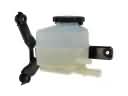 Dodge Stratus Power Steering Reservoir
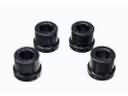 Dodge Stratus Rack & Pinion Bushing
 Dodge Stratus Rack And Pinion
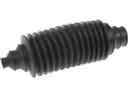 Dodge Stratus Rack and Pinion Boot
 Dodge Stratus Steering Column Seal
 Dodge Stratus Steering Gear Box
 Dodge Stratus Tie Rod Bushing
 Dodge Stratus Tie Rod End