JeepParts
My Garage
My Account
Cart
OEM Jeep Camshaft
Cam- Select Vehicle by Model
- Select Vehicle by VIN
Select Vehicle by Model
orMake
Model
Year
Select Vehicle by VIN
For the most accurate results, select vehicle by your VIN (Vehicle Identification Number).
65 Camshafts found
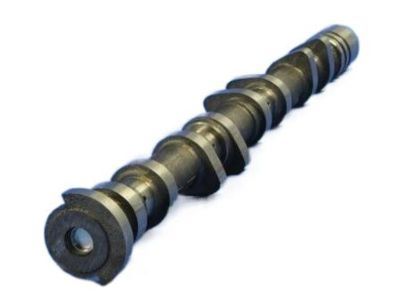
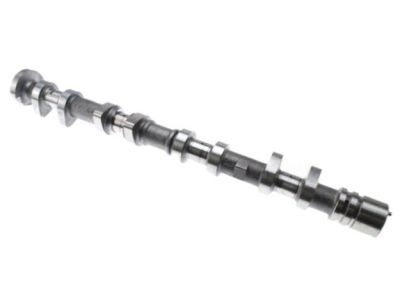
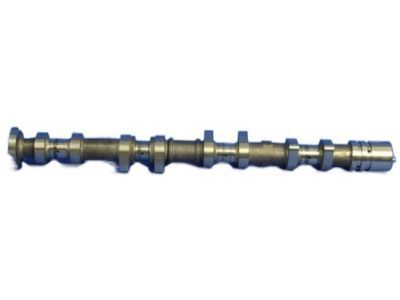
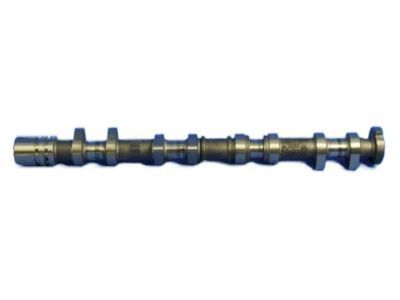
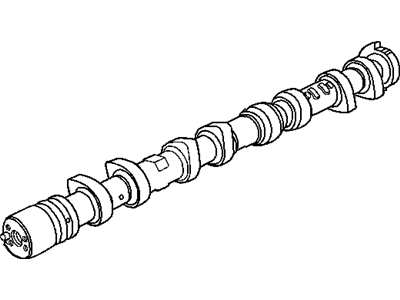
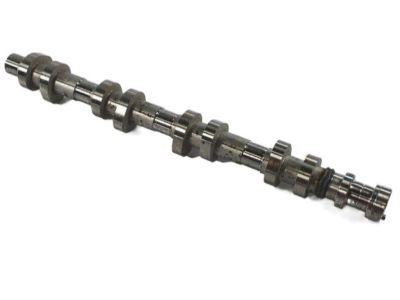
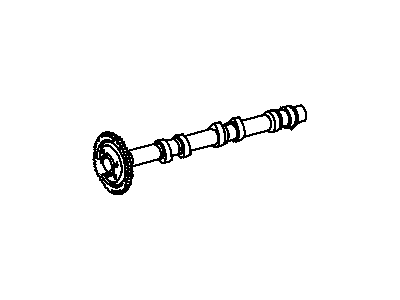
Jeep Exhaust Camshaft Part Number: 4884736AC
$225.15 MSRP: $467.00You Save: $241.85 (52%)Ships in 1-3 Business DaysProduct Specifications- Other Name: Camshaft - Exhaust; Camshaft; Camshaft Exhaust
- Replaces: 4884736AB
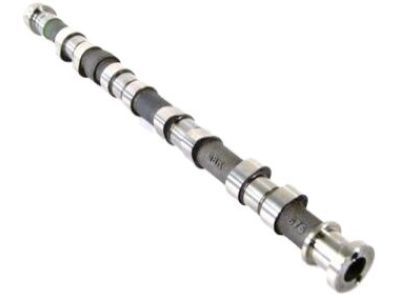
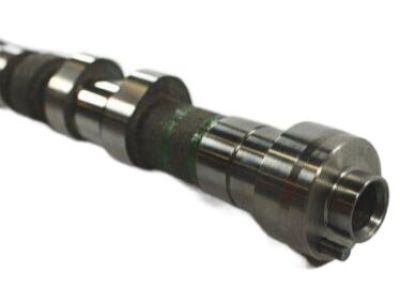
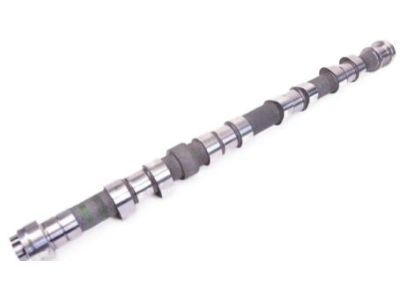
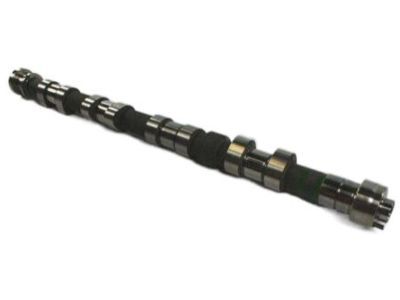
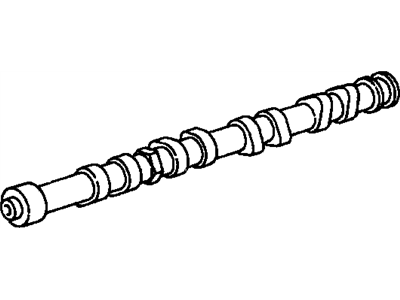
Jeep Camshaft Part Number: 4781681AB
$306.09 MSRP: $467.00You Save: $160.91 (35%)Product Specifications- Other Name: Camshaft - Intake; Camshaft Intake
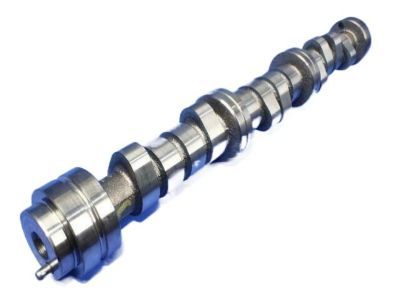
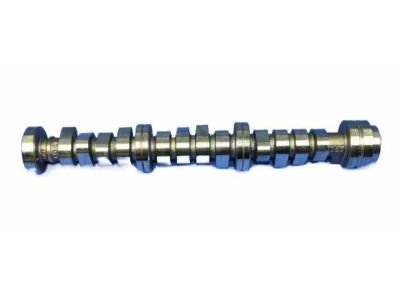
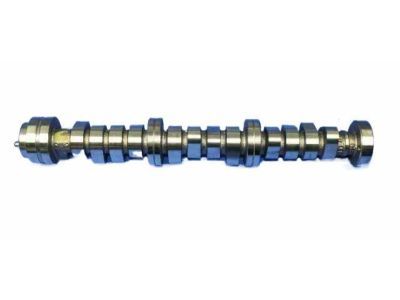
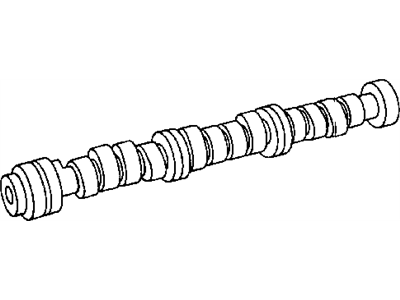
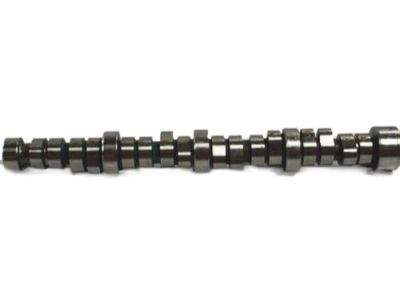
Jeep Camshaft Part Number: 4781061AA
$340.23 MSRP: $517.00You Save: $176.77 (35%)Ships in 1-2 Business DaysProduct Specifications- Other Name: Camshaft - Engine; Camshaft Engine
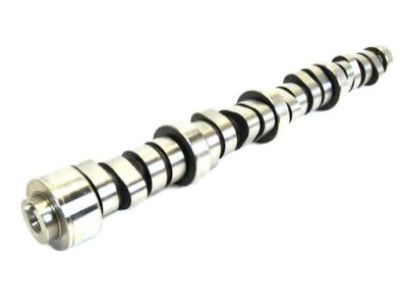
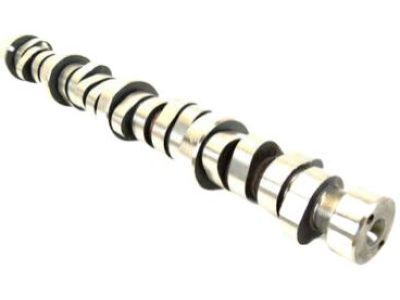
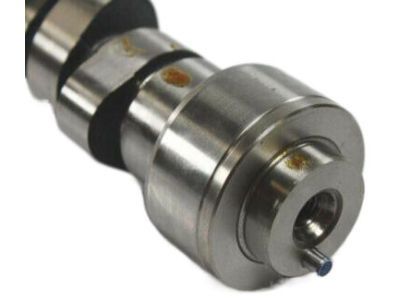
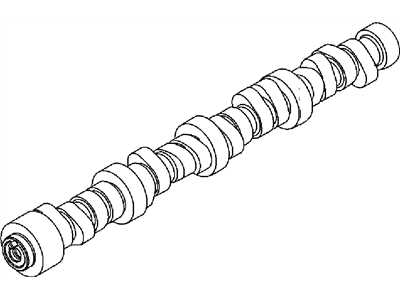
Jeep Camshaft Part Number: 53022065AB
$586.76 MSRP: $883.55You Save: $296.79 (34%)Ships in 1-2 Business DaysProduct Specifications- Other Name: Camshaft - Engine; Camshaft Engine
- Replaces: 53021731AD, 53021731AE
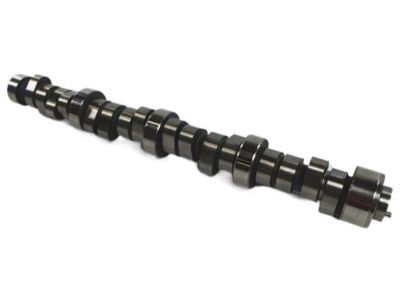
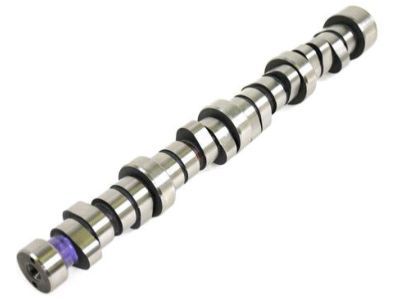
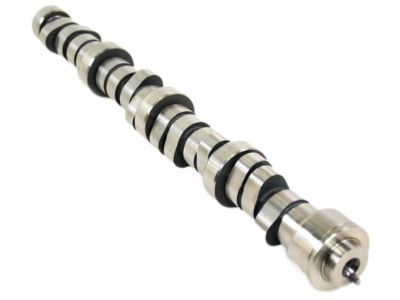
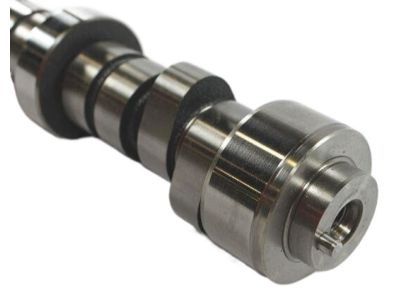
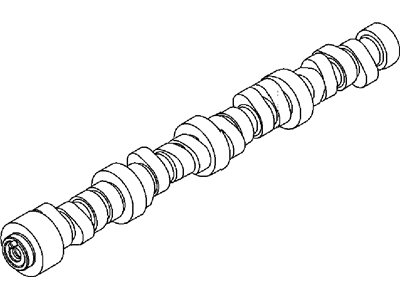
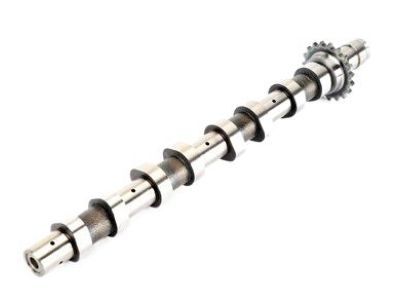
Jeep Camshaft Part Number: 5037379AD
$392.17 MSRP: $594.00You Save: $201.83 (34%)Ships in 1-2 Business DaysProduct Specifications- Other Name: Camshaft - Engine; Camshaft Engine
- Replaces: 5037379AC, 5037379AB
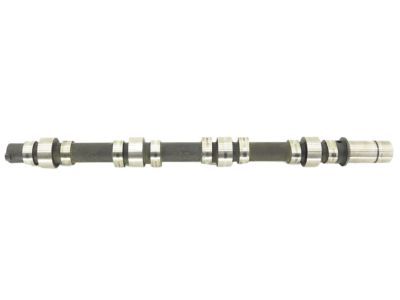
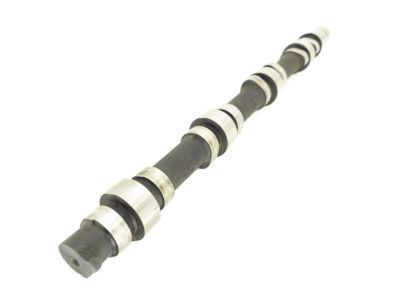
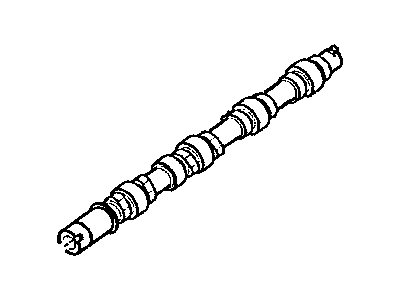
Jeep Camshaft Part Number: 5066847AB
$192.61 MSRP: $284.00You Save: $91.39 (33%)Ships in 1-3 Business DaysProduct Specifications- Other Name: Camshaft - Intake; Camshaft Intake
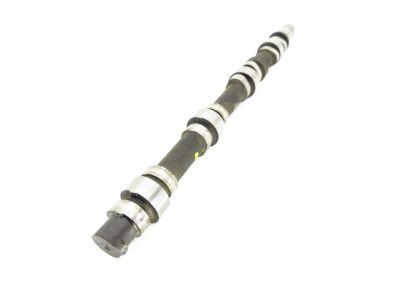
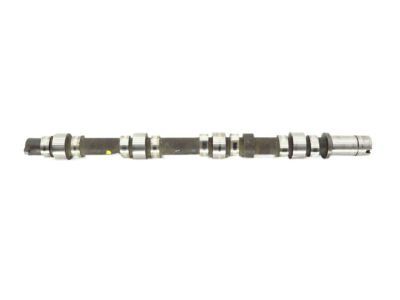
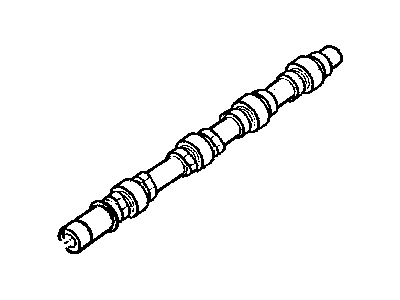
Jeep Camshaft Part Number: 5066850AB
$258.32 MSRP: $380.00You Save: $121.68 (33%)Ships in 1-3 Business DaysProduct Specifications- Other Name: Camshaft - Exhaust; Camshaft Exhaust
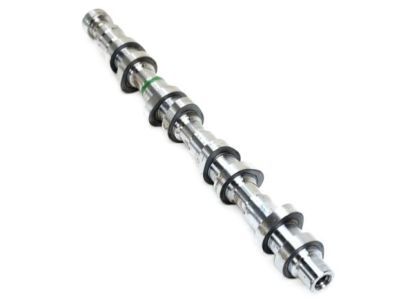
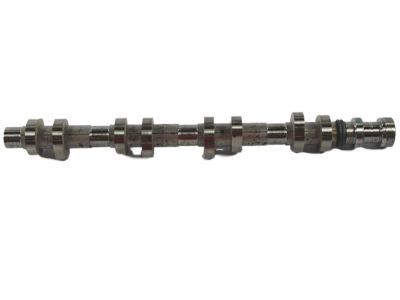
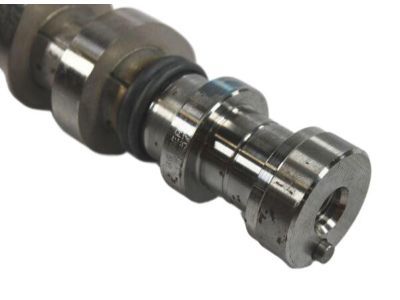
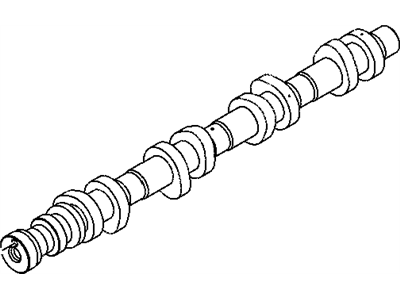
Jeep Camshaft Part Number: 53021159AE
$815.24 MSRP: $1190.00You Save: $374.76 (32%)Ships in 1-2 Business DaysProduct Specifications- Other Name: Camshaft - Engine; Camshaft Engine Left
- Replaced by: 53021159AG
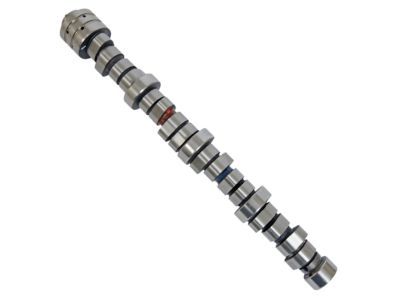
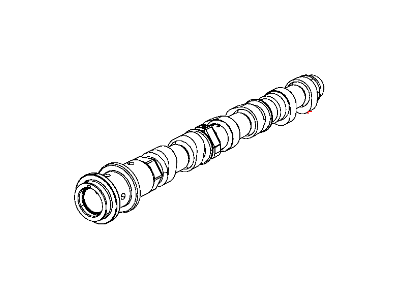
Jeep Camshaft Part Number: 53022065AA
$430.77 MSRP: $582.00You Save: $151.23 (26%)Product Specifications- Other Name: Camshaft - Engine; Camshaft Engine
Jeep Intake Camshaft Part Number: 68088713AC
$312.72 MSRP: $479.00You Save: $166.28 (35%)Product Specifications- Other Name: Camshaft - Intake
- Replaces: 68088713AB, 68088713AA
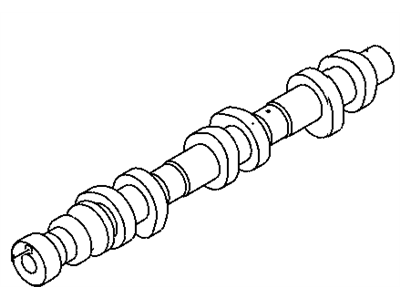
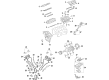
Jeep Right Side Intake Camshaft Part Number: 5184380AH
$354.71 MSRP: $541.00You Save: $186.29 (35%)Product Specifications- Other Name: Intake Camshaft, Intake
- Replaces: 5184380AE, 5184380AD, 5184380AG, 5184380AF
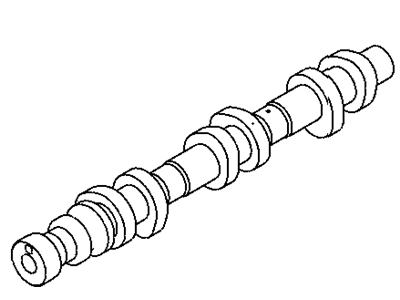
Jeep Intake Camshaft Part Number: 5184379AH
$354.71 MSRP: $541.00You Save: $186.29 (35%)Product Specifications- Other Name: Camshaft - Intake; Camshaft
- Replaces: 5184379AE, 5184379AG, 5184379AD, 5184379AF
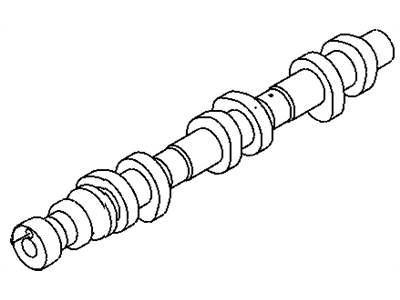
Jeep Exhaust Camshaft Part Number: 5184378AH
$354.71 MSRP: $541.00You Save: $186.29 (35%)Product Specifications- Other Name: Camshaft - Exhaust; Camshaft
- Replaces: 5184378AD, 5184378AE, 5184378AG, 5184378AF
Jeep Exhaust Camshaft Part Number: 5184377AH
$363.55 MSRP: $553.00You Save: $189.45 (35%)Product Specifications- Other Name: Camshaft - Exhaust; Camshaft
- Replaces: 5184377AG, 5184377AD, 5184377AF, 5184377AE
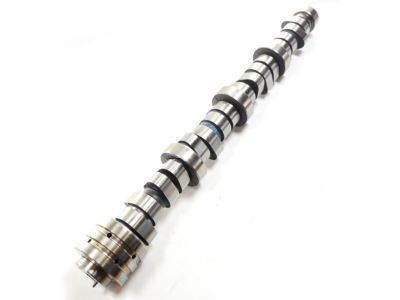
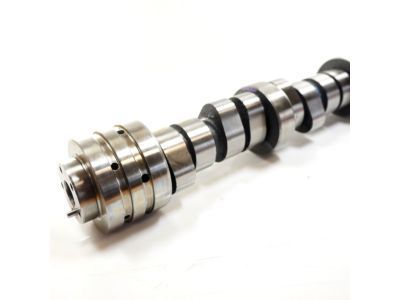
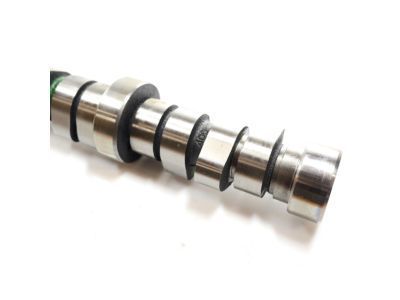
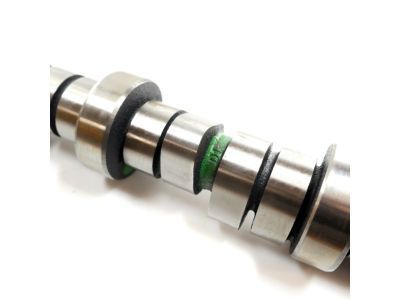
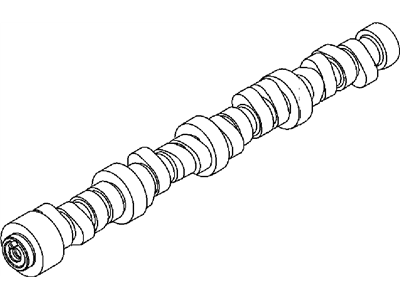
Jeep Camshaft Part Number: 53022372AA
$464.87 MSRP: $681.18You Save: $216.31 (32%)Product Specifications- Other Name: Camshaft - Engine; Camshaft Engine
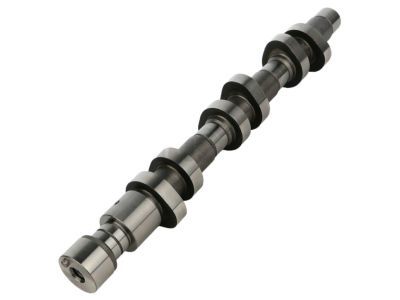
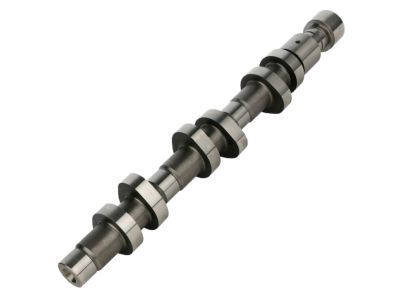
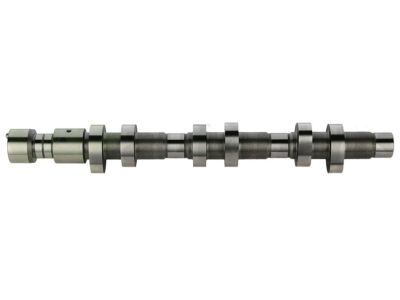
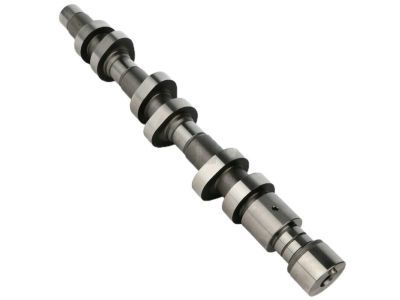
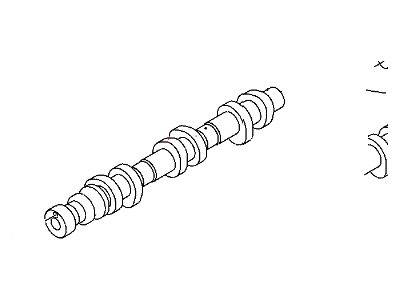
Jeep Camshaft Part Number: 53021892AC
$459.15 MSRP: $674.80You Save: $215.65 (32%)Product Specifications- Other Name: Camshaft - Engine; Camshaft Engine Right
- Replaces: 53021892AB, 53021892AA
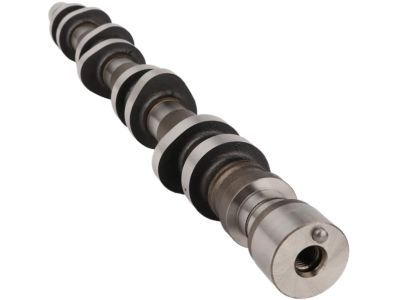
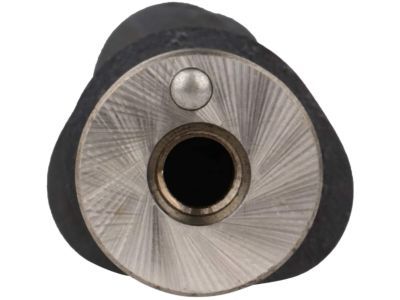
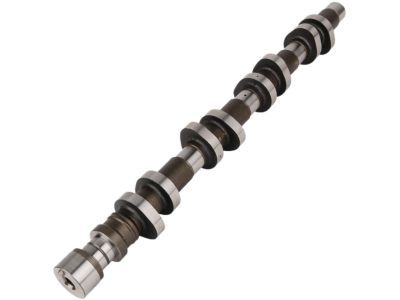
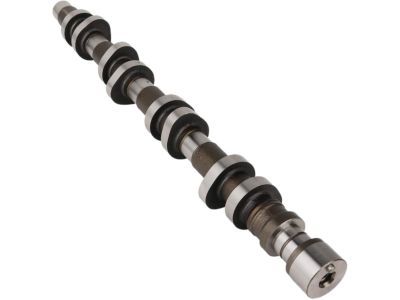
Jeep Camshaft Part Number: 53021160AE
Product Specifications- Other Name: Camshaft - Engine; Camshaft Engine Right
- Replaces: 53021160AD
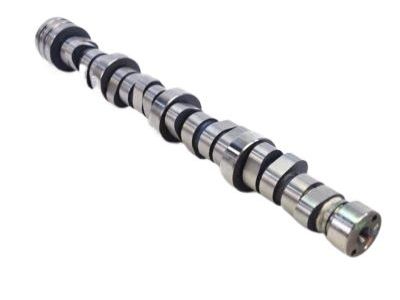
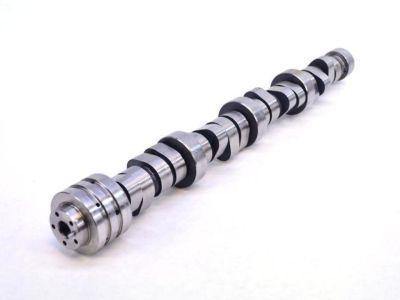
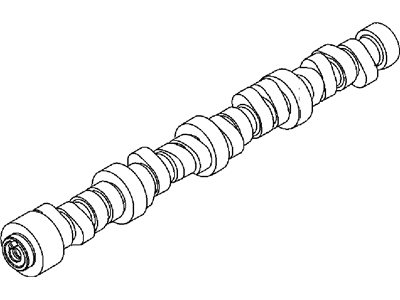
Jeep Camshaft Part Number: 5038419AB
Product Specifications- Other Name: Camshaft - Engine; Camshaft Engine
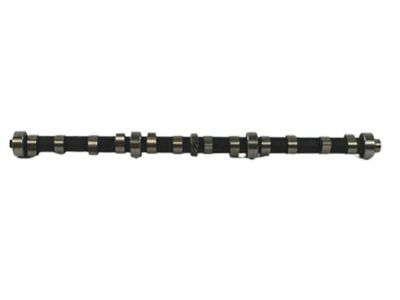
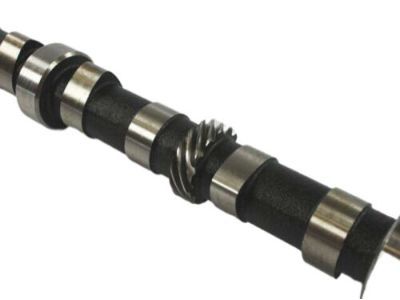
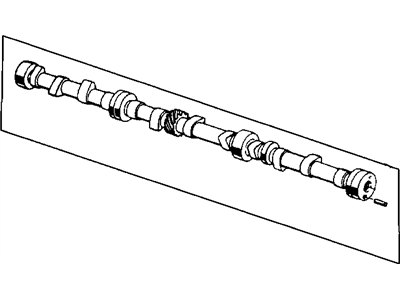
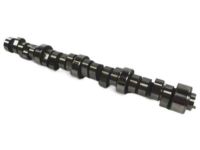
Jeep Camshaft Part Number: 53010448AA
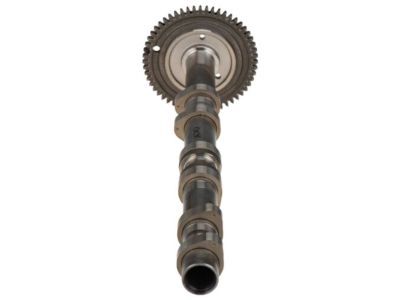
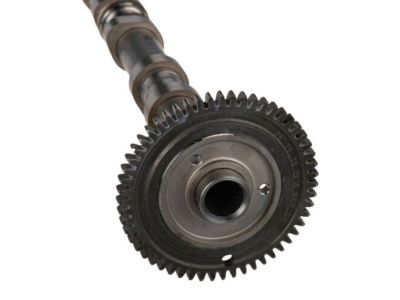
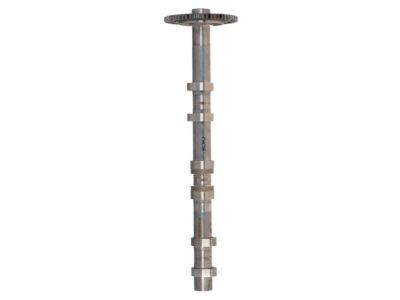
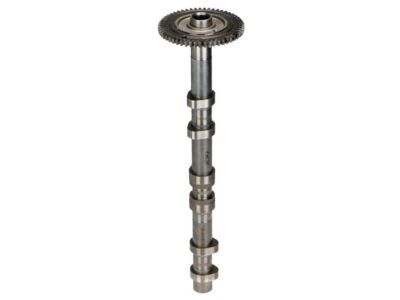
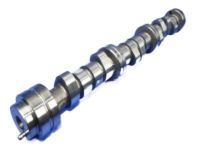
Jeep Camshaft Part Number: 5175452AA
Product Specifications- Other Name: Camshaft - Intake; Camshaft Intake
| Page 1 of 4 |Next >
1-20 of 65 Results
Jeep Camshaft
OEM parts sourced directly from Jeep deliver superior quality, long lasting strength, and a precise fit you can trust. Each item goes through strict quality checks to ensure safety, toughness, and performance that matches your factory equipment. At JeepPartsDeal online shop, you'll get top-quality, budget-friendly OEM Jeep Camshaft for your vehicle. We focus on giving you a high standard without pushing up the price. Our full selection of genuine factory products comes backed by the original manufacturer's warranty. You'll love our fast delivery, seamless shopping experience, and convenient return policy, saving you all the hassle.
Jeep Camshaft times accurate valves, increasing power and sustaining engines in off-road. Jeep had based its reputation on wartime toughness that translated into a machine that was able to hit the dirt, rocks, and rivers in the civilian world. Jeep introduces Selec-Terrain in order to make sure that a driver does not guess when traction is appropriate in snow, sand, or deep mud; all you have to do is flick a dial and find a suitable match. Jeep also crams in user-friendly screens, voice recognition, and rapid over-the-air updates which is an indication that rough rigs can still be modern. Jeepers gather on firesides and trailheads and trade tips and parts in a group that does not need to rely on a glossy showroom appearance. Heavy frames, large ground clearance, and easy mechanical design are challenges to weekend tinkerers to customize rigs to fit each climate. Lifters are forced to open intake and exhaust passages in perfect sequence by lobes on Camshaft steel, at precisely the correct crank angle to assure that fuel and spent gases do not steal any torque. Camshaft design, either OHV, SOHC, or DOHC allows makers to pursue either low-end grunt or high-rev punch by simply modifying lobe profiles and lobe separation angles. Durability of Camshafts is significant on rough roads, where grit and heat shock abrasion wear away heat-treated iron castings and billet steel on and on. The Camshaft improves sharp throttle response, eliminating idle, and squeezing more horsepower without plumbing up with the large turbo.
Jeep Camshaft Parts and Q&A
- Q:What special tools are necessary to complete this procedure, and what steps should be followed for camshaft inspection and installation in 3.7L V6 and 4.7L V8 engine on Jeep Grand Cherokee?A:Special tools are necessary to complete this procedure, so it is important to read through the entire process and obtain the required tools before beginning work. The camshafts should always be thoroughly inspected before installation, and camshaft endplay should be checked prior to removal. Start by disconnecting the cable from the negative terminal of the battery, then remove the valve covers. Rotate the engine clockwise by the crankshaft pulley/vibration damper bolt until the V6 or V8 marks on the camshaft sprockets are in the 12 o'clock position. Use a permanent marker to apply alignment marks to the secondary timing chain links on either side of the V6 or V8 marks on both camshaft sprockets. Hold the camshaft sprockets with a spanner wrench and loosen the sprocket bolts, retightening them by hand until snug. If the sprockets rotate during this process, realign them to the 12 o'clock position. Install a timing chain tensioner wedge to secure the chain and secondary tensioner in place while removing the camshaft. If both camshafts are being removed, two wedges will be necessary. Remove the Camshaft Position sensor and detach the camshaft sprocket retaining bolts, disengaging the camshaft chains from the sprockets. Make note of the markings on the camshaft bearing caps to ensure correct reinstallation, marking the caps from the left and right cylinder heads accordingly. Detach the bearing caps, keeping them in order, and remove the camshaft(s) from the cylinder head, marking them as Left or Right. Inspect the camshaft sprockets for wear, check the chains for cracks or excessive wear, and visually examine the camshaft bearing surfaces for damage. Measure the outside diameter of each camshaft bearing journal and the inside diameter of each bearing to determine oil clearance, ensuring measurements fall within specified limits. Check camshaft runout and endplay, replacing components if necessary. Compare camshaft lobe heights using a micrometer, ensuring differences do not exceed specified limits. For installation, apply moly-based engine assembly lubricant to the camshaft lobes and journals, installing the camshaft(s) with dowel pins in the 10 o'clock position. Install the bearing caps and bolts, tightening them hand tight before following the specified torque sequence. Engage the camshaft sprocket teeth with the drive chain links, ensuring proper alignment of marks. Clean the camshaft sprocket bolts thoroughly, lubricate the washers, and install the bolts, tightening them to the specified torque. Finally, remove the timing chain wedges, reinstall the Camshaft Position sensor, valve covers, and reconnect the cable to the negative terminal of the battery.
- Q:How to remove and reinstall the camshaft in 2.4L four cylinder engine on Jeep Wrangler?A:Remove the valve cover and the Camshaft Position Sensor (CMP) along with the camshaft target magnet. Take off the timing belt, camshaft sprockets, and the rear timing belt cover. The camshaft bearing caps are numbered for their specific locations in the cylinder head and must be returned accordingly; remove the front and rear bearing caps at each end of the camshafts, loosening the bolts gradually to avoid distorting the camshafts. Once loosened, if the caps are difficult to remove, use the bearing cap bolts for leverage and gently tap with a soft face mallet if necessary. Carefully lift the camshafts out of the cylinder head, marking them as INTAKE and EXHAUST since they cannot be interchanged, and remove the front seal from each camshaft. Clean the camshaft(s) and gasket surface, inspecting for wear or damage on the lobe surfaces, bearing journals, and seal contact surfaces, as well as the bearing surfaces in the cylinder head and caps. Measure the camshaft bearing journal diameters and the inside diameter of the bearing surfaces in the cylinder head, calculating the oil clearance and comparing it to the specified value; replace any worn components. If the camshaft fails inspection, it should be replaced, and the cylinder head may also need replacement if the bearing surfaces are damaged. Lubricate the camshaft(s) and cylinder head bearing journals with clean engine oil, placing the camshaft back in its original location without installing the rocker arms. Install the rear bearing cap and tighten the bolts to the specified torque. Use a dial indicator to measure the camshaft endplay by prying the camshaft fully to the rear and then to the front, comparing the travel to the tolerance; check for wear if excessive. Install the valve lash adjusters and rocker arms, clean the camshaft and bearing journals, and coat them with assembly lube or engine oil before carefully installing the camshafts in their original locations. Temporarily install the camshaft sprockets and align the timing marks, ensuring the crankshaft sprocket timing mark is positioned correctly. Install the bearing caps, except for the No. 1 and No. 6 end caps, tightening the bolts in the proper sequence. Apply a small bead of anaerobic sealant to the No. 1 and No. 6 bearing caps before installing and tightening them. Finally, install new camshaft oil seals, the timing belt, covers, and related components, and reinstall the valve cover.
Related Jeep Parts
 Jeep Engine Mount
 Jeep Rocker Arm
 Jeep Oil Pan Gasket
 Jeep Timing Cover
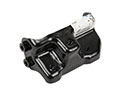 Jeep Engine Mount Bracket
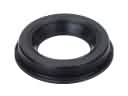 Jeep Camshaft Seal
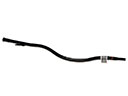 Jeep Dipstick Tube
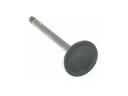 Jeep Intake Valve
 Jeep Motor And Transmission Mount
 Jeep Timing Belt Idler Pulley
 Jeep Timing Belt Tensioner
 Jeep Variable Timing Solenoid