JeepParts
My Garage
My Account
Cart
OEM Jeep Power Steering Pump
Power Steering Pump Unit- Select Vehicle by Model
- Select Vehicle by VIN
Select Vehicle by Model
orMake
Model
Year
Select Vehicle by VIN
For the most accurate results, select vehicle by your VIN (Vehicle Identification Number).
41 Power Steering Pumps found
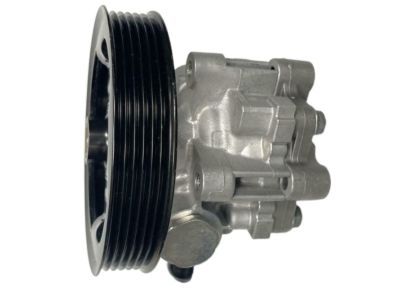
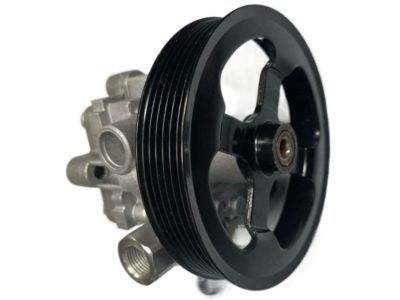
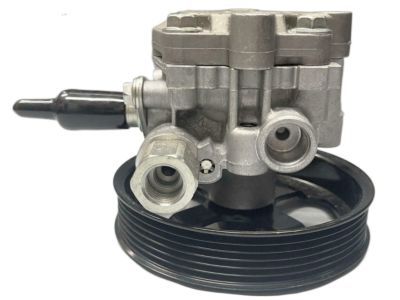
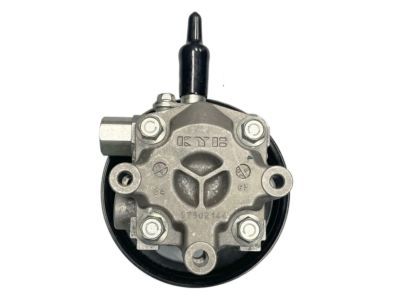
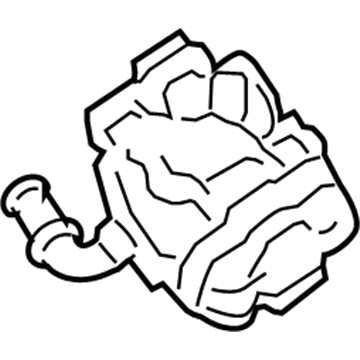
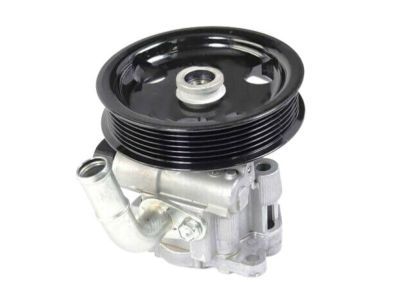
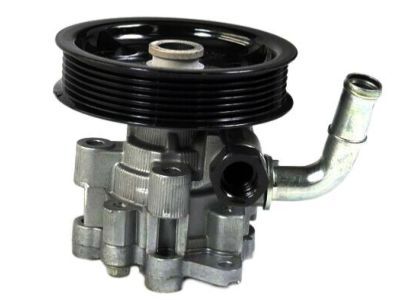
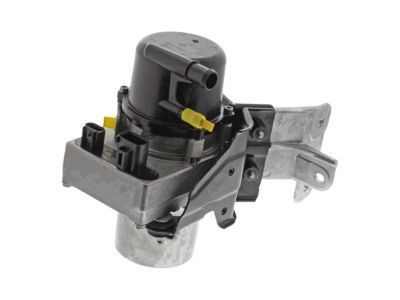
Jeep Power Steering Pump Part Number: 5105048AC
$182.38 MSRP: $269.00You Save: $86.62 (33%)Ships in 1-2 Business DaysProduct Specifications- Other Name: Pump - Power Steering; Pump Power Steering See Note; Pump Power Steering
- Replaces: 5105048AA, 5105048AB
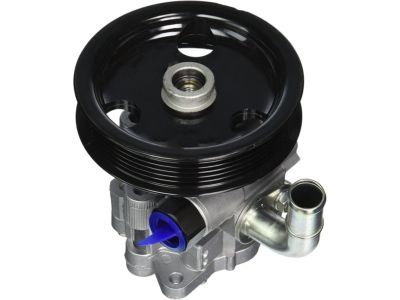
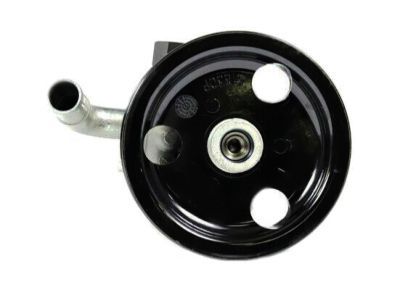
Jeep Power Steering Pump Part Number: 52089883AD
$429.21 MSRP: $646.00You Save: $216.79 (34%)Ships in 1-2 Business DaysProduct Specifications- Other Name: Pump - Power Steering With Pulley; Pump Assembly Power Steering With Pulley
- Replaces: 52089883AC
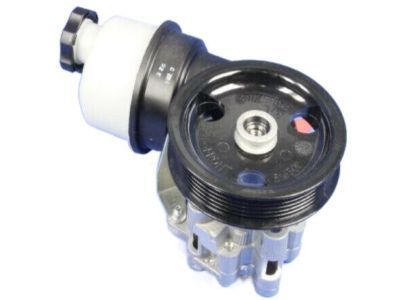
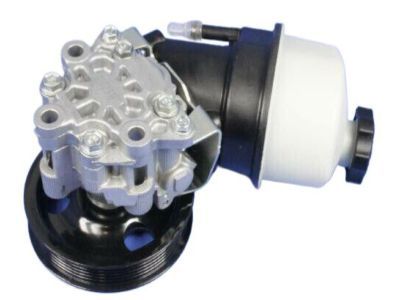
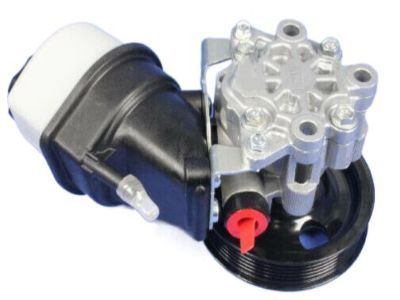
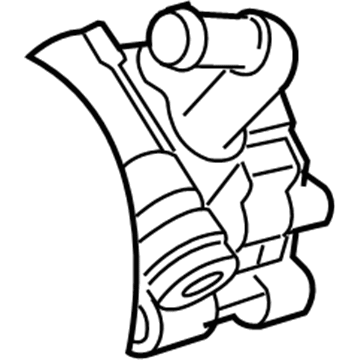
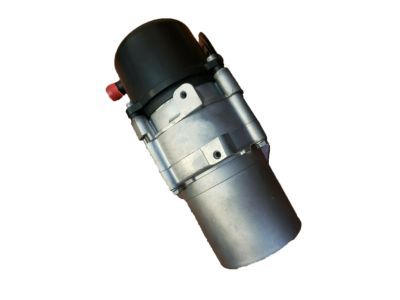
Jeep Power Steering Pump Part Number: 5290778AA
$468.99 MSRP: $705.00You Save: $236.01 (34%)Product Specifications- Other Name: Pump - Power Steering With Pulley; Pump Assembly Power Steering With Pulley; Pump
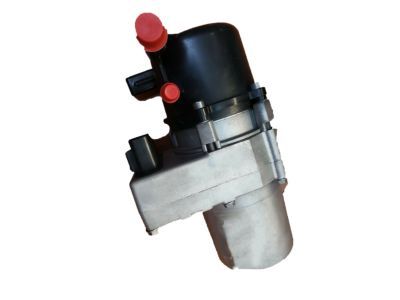
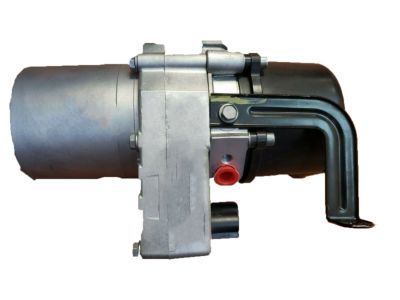
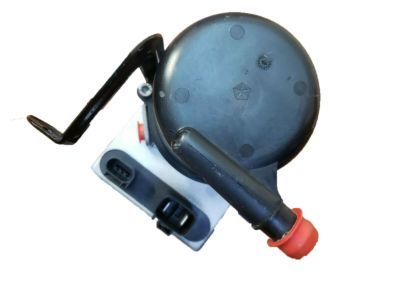
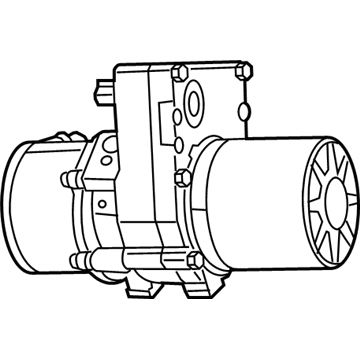
Jeep Power Steering Pump Part Number: 52124998AJ
$1614.88 MSRP: $2440.00You Save: $825.12 (34%)Product Specifications- Other Name: Pump - Power Steering
- Replaces: 52124998AH, 52124998AE, 52124998AI, 52124998AD, 52124998AC, 52124998AG, 52124998AB, 52124998AF, RL124998AE
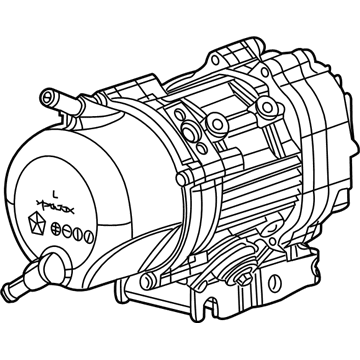
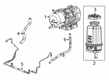
Jeep Power Steering Pump Part Number: 68529417AB
$810.44 MSRP: $1220.00You Save: $409.56 (34%)Ships in 1 Business DayProduct Specifications- Other Name: Pump - Power Steering
- Replaces: 68298668AF, 68529417AA, 68298668AE, 68298668AD
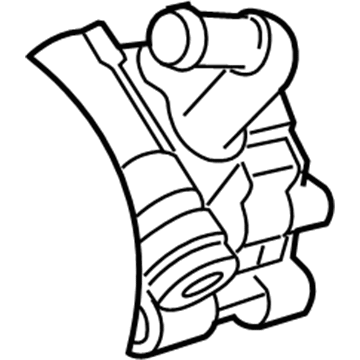
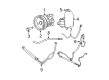
Jeep Power Steering Pump Part Number: 52089339AD
$385.65 MSRP: $582.00You Save: $196.35 (34%)Ships in 1-2 Business DaysProduct Specifications- Other Name: Pump - Power Steering With Pulley; Pump Assembly Power Steering With Pulley
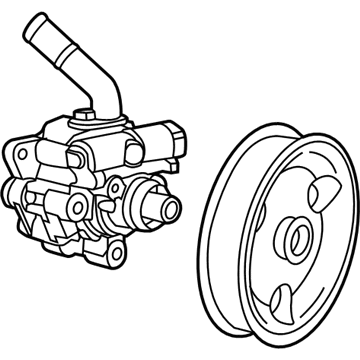
Jeep Power Steering Pump Part Number: 68068641AB
$411.53 MSRP: $619.00You Save: $207.47 (34%)Ships in 1-2 Business DaysProduct Specifications- Other Name: Pump - Power Steering; Pump Power Steering; Pump
- Replaces: 68068641AA
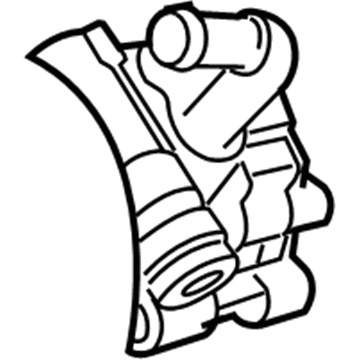
Jeep Power Steering Pump Part Number: 52089339AC
$529.77 MSRP: $797.00You Save: $267.23 (34%)Ships in 1-2 Business DaysProduct Specifications- Other Name: Pump - Power Steering With Pulley; Pump Assembly Power Steering With Pulley; Pump
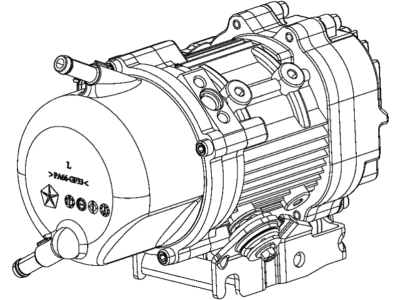
Jeep Power Steering Pump Part Number: 68529413AB
$570.65 MSRP: $864.00You Save: $293.35 (34%)Ships in 1 Business DayProduct Specifications- Other Name: Pump - Power Steering
- Replaces: 68247931AG, 68247931AH, 68529413AA
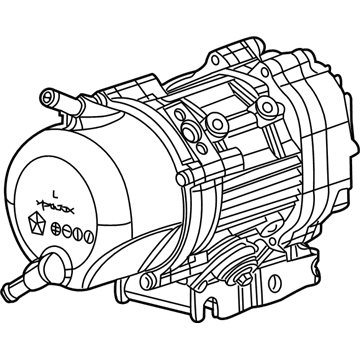
Jeep Power Steering Pump Part Number: 68581335AB
$661.26 MSRP: $1005.00You Save: $343.74 (35%)Ships in 1 Business DayProduct Specifications- Other Name: Pump - Power Steering
- Replaces: 68581335AA, 68529429AB, 68529429AC
Jeep Power Steering Pump Part Number: 68529426AD
$589.44 MSRP: $887.00You Save: $297.56 (34%)Ships in 1 Business DayProduct Specifications- Other Name: Pump - Power Steering
- Replaced by: 68529426AE
- Replaces: 68529426AB, 68529426AC, 68529426AA
Jeep Power Steering Pump Part Number: 68529412AB
$759.61 MSRP: $1145.00You Save: $385.39 (34%)Ships in 1 Business DayProduct Specifications- Other Name: Pump - Power Steering
- Replaces: 68529412AA, 68247930AI, 68247930AG, 68247930AH
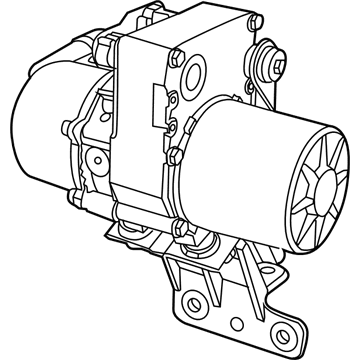
Jeep Power Steering Pump Part Number: 5154662AC
$1846.93 MSRP: $2790.00You Save: $943.07 (34%)Product Specifications- Other Name: Pump - Power Steering
- Replaces: 5154662AB
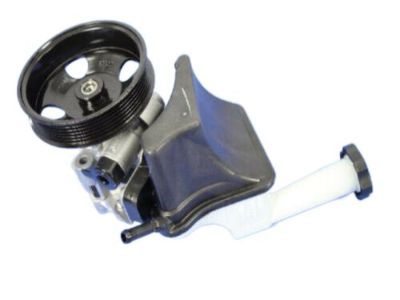
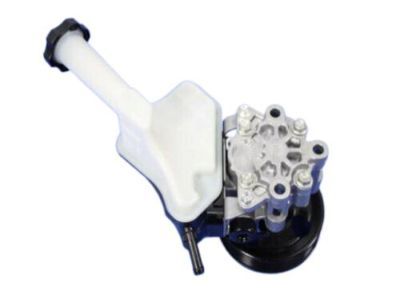
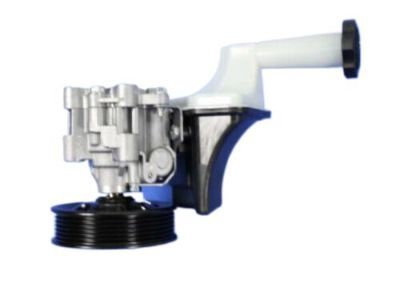
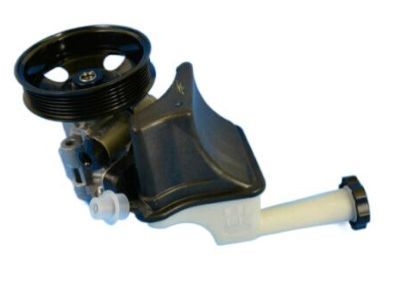
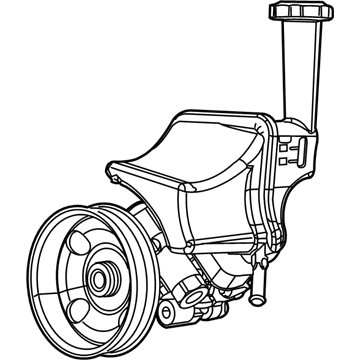
Jeep Power Steering Pump Part Number: RL181778AB
$358.82 MSRP: $522.00You Save: $163.18 (32%)Product Specifications- Other Name: Pump - Power Steering; Power Steering Hose; Power Steering Pressure Hose; Power Steering Pump Reservoir; Pump Power Steering
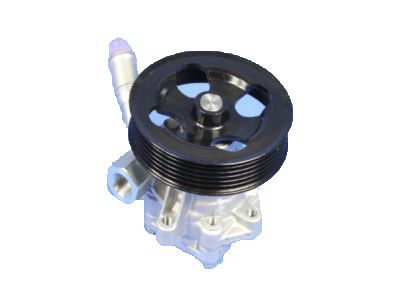
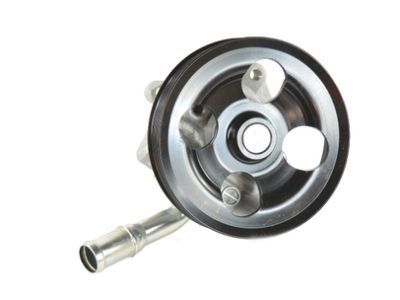
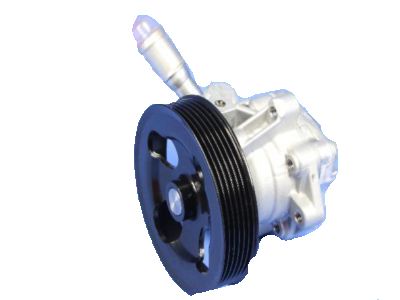
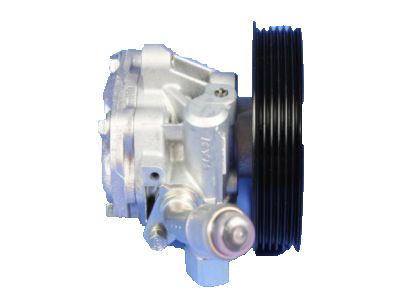
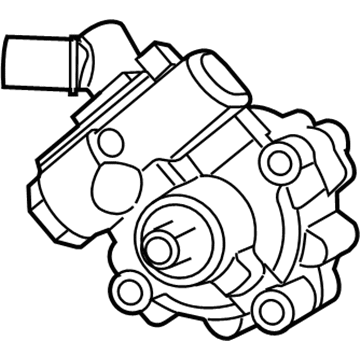
Jeep Power Steering Pump Part Number: 5154400AC
$356.10 MSRP: $519.00You Save: $162.90 (32%)Product Specifications- Other Name: Pump - Power Steering With Pulley; Pump Assembly Power Steering With Pulley
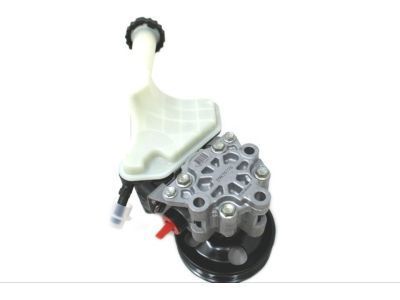
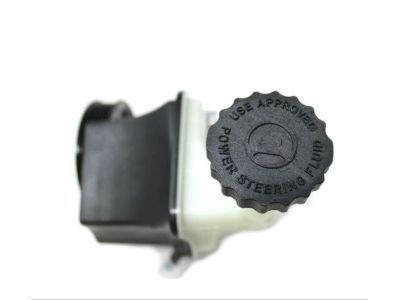
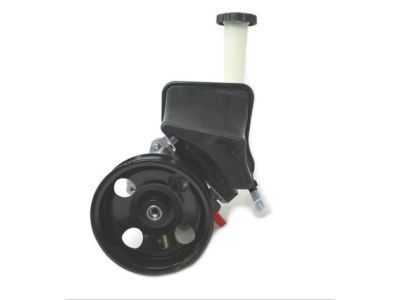
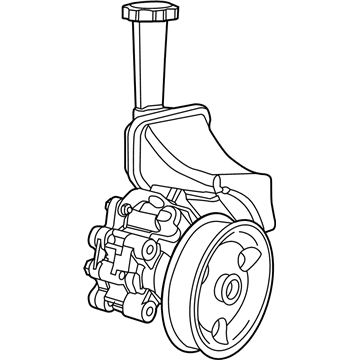
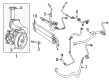
Jeep Power Steering Pump Part Number: 5181854AA
$578.23 MSRP: $843.00You Save: $264.77 (32%)Product Specifications- Other Name: Pump - Power Steering; Power Steering Hose; Power Steering Pressure Hose; Pump Power Steering
- Replaces: RL181854AA
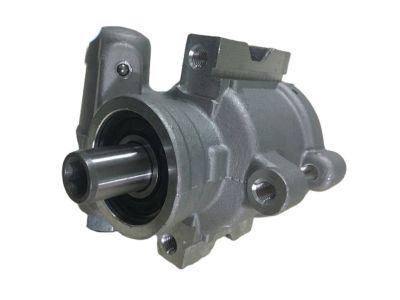
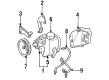
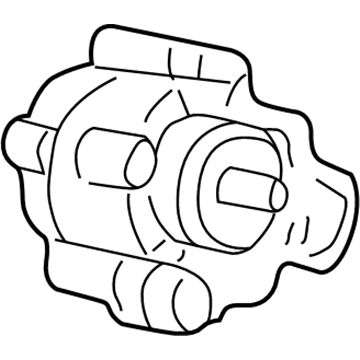
Jeep Power Steering Pump Part Number: 52088134
Product Specifications- Other Name: Pump - Power Steering W/Reservoir; Power Steering Pump Assy
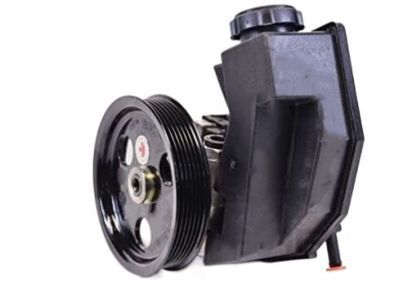
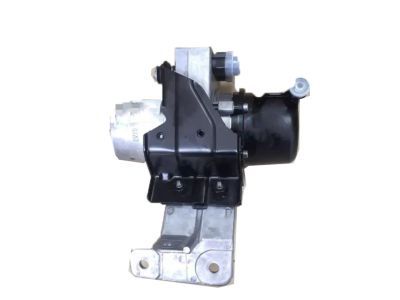
Jeep Power Steering Pump Part Number: RL080551AC
Product Specifications- Other Name: Pump - Power Steering; Pump Power Steering
- Replaces: 5080551AB, 5080551AA, 52088278AC, 5080551AC
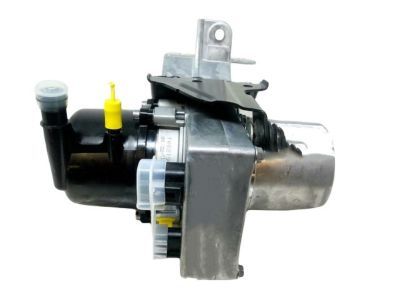
Jeep Power Steering Pump Part Number: 5154663AC
Product Specifications- Other Name: Pump - Power Steering
- Replaces: 5154663AB, 5154663AA
Jeep Power Steering Pump Part Number: 68529421AB
$1369.85 MSRP: $1990.00You Save: $620.15 (32%)Product Specifications- Other Name: Pump - Power Steering With Pulley
- Replaces: 68529421AA
| Page 1 of 3 |Next >
1-20 of 41 Results
Jeep Power Steering Pump
OEM parts sourced directly from Jeep deliver superior quality, long lasting strength, and a precise fit you can trust. Each item goes through strict quality checks to ensure safety, toughness, and performance that matches your factory equipment. At JeepPartsDeal online shop, you'll get top-quality, budget-friendly OEM Jeep Power Steering Pump for your vehicle. We focus on giving you a high standard without pushing up the price. Our full selection of genuine factory products comes backed by the original manufacturer's warranty. You'll love our fast delivery, seamless shopping experience, and convenient return policy, saving you all the hassle.
Jeep Power Steering Pump converts engine muscle to smooth steering muscle on any road. Jeep has evolved to become a symbol of toughness that scoffs at a rural dirt road, but its interiors are now illuminated with touch screens, voice responses, charging, and over-the-air updates that download themselves at night. Jeep models switch between Selec-Terrain in snow, sand, rock, or mud in a matter of seconds, allowing weekend campers to pursue trails, haul equipment, and still drive downtown without hassles all season long, regardless of where they go. The ownership of Jeeps also involves wave-back comradeship, open-air tops, half doors, collapsible windshields, and dashboard updates when you are asleep, making each trip part of a rolling club. The go-anywhere attitude, heavy frames, and the flick of a switch that customizes traction to the weather without murdering the mood or the playback of music make drivers appreciate each trip. These Jeep Power Steering Pumps distribute hydraulic energy to ensure that the wheel remains light either during crawling or lot shuffling and maintain control for anyone. The Power Steering Pump has a belt that drives a vane rotor that pressurizes fluid to the steering gear, which reduces arm strain even during oversizing of tires biting rocks or when the steering box struggles against deep ruts. Durability of Power Steering Pumps is important as leaks lower the pressure, increase efforts, add noise, and may run away to cause snowball effects on the rack, which ends up ruining the day. A healthy Power Steering Pump sneezes heat, maintains constant flow, resists diverticulitis, and maintains feedback when idling, maneuvering through city cones, or charging down gravel. The Power Steering Pump is essential for optimal performance.
Jeep Power Steering Pump Parts and Q&A
- Q:How to Service and Repair a Power Steering Pump on Jeep Grand Cherokee?A:It's important to turn off the engine and check the fluid level in the reservoir before handling the pump, to prevent injury from the system's moving parts. Choose hydraulic system/power steering fluid that matches Daimler Chrysler standard MS-10838 or a matching spec and be sure not to mix fluid types. Clean the filler cap first and check the message on the reservoir; it should read FULL when the car is at normal temperatures. Fill the pump's fluid reservoir to the proper amount and let the fluid sit for two minutes. Start the engine, let it stay on for a few seconds and turn it off afterward. Keep adding fluid as needed and run the engine two times more to see that the level does not drop when the engine is on. Raise just the front wheels in the air, turn right and left while spinning the steering wheel 20-30 times so it touches the stops on either end and then check the fluid level by dipping the dipstick and add if the level is low. Slowly drive the vehicle to the ground, activate the engine and guide the steering wheel from one lock position to the other. Shut off the engine, gauge the fluid level and add new fluid as necessary. In case the fluid is very foamy or milky, have the vehicle wait for several minutes and try the check again. If you use a hydraulic cooling fan, take out all the dirty fluid you can with a suction tool or a removed hose and restock it with fresh fluid until it's clean-you may have to do this several times. Keep your actions the same, apply the brakes, prepare the vehicle as described before and start the DRB III's Hydraulic Fan, slowly moving the wheel from lock to lock, at full power. Turn off the engine, check the oil level and add more if it's needed, doing this step again if the oil looks foamy. In the building, operate the hydraulic fan on max setting and for a moment rev the engine to 3000 rpm to truly run the fan.
- Q:How to Service and Repair a Power Steering Pump on Jeep Wrangler?A:Start by turning off the engine, then check that the fluid level is correct to keep the moving parts from injuring you. It's important to use Mopar Atf+4 for the power steering, because using something else may lead to damage; do not overfill the fluid reservoir. Remove any dirt from the filler cap and check that the fluid level is at Cold if the ambient temperature isn't very high. Pump the fluid reservoir up to the set level and wait for at least two minutes before operating. Run the engine for a little before turning it off. Should you need to, include more fluid and run the engine again until the level no longer increases. Raise the front of the car up and turn the steering wheel side to side, hitting the wheel stops at least 20 times as you do this. Look at the fluid level and make sure to add more if it's low. Slowly drive your vehicle down, start it up and then turn the steering wheel back and forth from one end to the other. When the engine is stopped, look at the fluid level and replace it if needed. If the fluid appears milky or really foamy, stay still for some time and perform the steps again afterwards. Try to avoid running the vehicle with foamy fluid for too long, since it might harm the pump.
Related Jeep Parts
 Jeep Drag Link
 Jeep Tie Rod
 Jeep Pitman Arm
 Jeep Power Steering Cooler
 Jeep Power Steering Hose
 Jeep Power Steering Reservoir
 Jeep Rack And Pinion
 Jeep Steering Gear Box
 Jeep Tie Rod End
 Jeep Rack & Pinion Bushing
 Jeep Radius Heat Shield
 Jeep Tie Rod Bushing