JeepParts
My Garage
My Account
Cart
OEM Dodge Neon Brake Pad
Disc Brake Pad Set- Select Vehicle by Model
- Select Vehicle by VIN
Select Vehicle by Model
orMake
Model
Year
Select Vehicle by VIN
For the most accurate results, select vehicle by your VIN (Vehicle Identification Number).
9 Brake Pads found
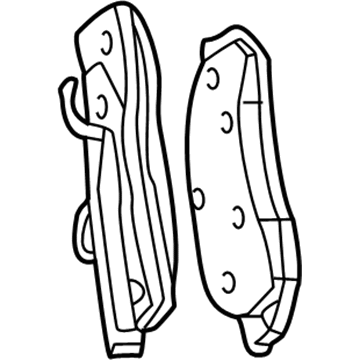
Dodge Neon Brake Pads, Front Part Number: 5086364AB
$112.35 MSRP: $143.00You Save: $30.65 (22%)Ships in 1-2 Business Days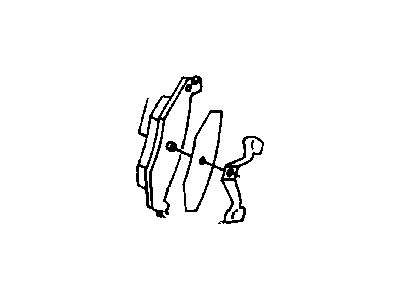
Dodge Neon Brake Pads Part Number: 5011630AB
$19.42 MSRP: $112.00You Save: $92.58 (83%)Ships in 1-2 Business Days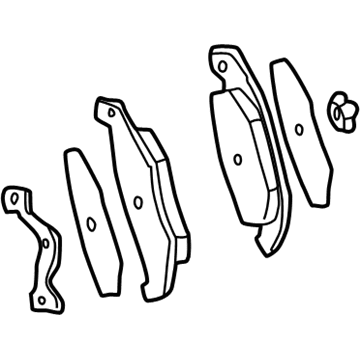
Dodge Neon Brake Pads, Rear Part Number: 5086567AB
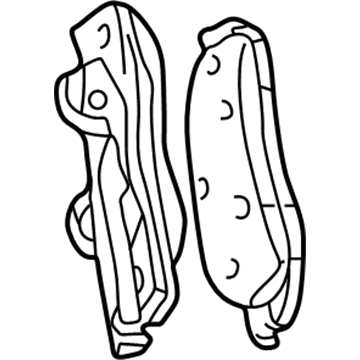
Dodge Neon Brake Pads, Front Part Number: 5014527AA
Dodge Neon Brake Pads, Front Part Number: 5014438AA

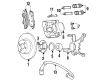
Dodge Neon Brake Pads, Front Part Number: 5011069AA
Dodge Neon Brake Pads, Black Part Number: 5011067AA
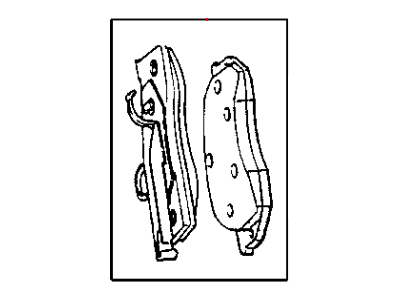
Dodge Neon Brake Pads, Front Part Number: 4762682
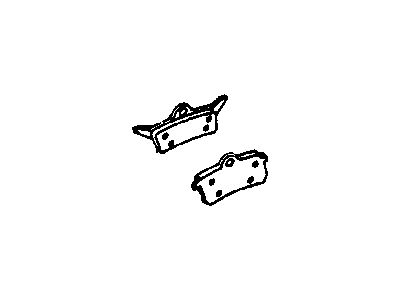
Dodge Neon Rear Pads Part Number: 4762669
Dodge Neon Brake Pad
Choose OEM Brake Pad that meet Dodge factory standards. Dodge designs and tests every component for precision and durability. Each Brake Pad follows strict manufacturing steps to lock in quality and fit. If your Dodge Neon matters to you, OEM parts make the smart choice. You'll get the exact look, feel, and performance you expect. Shop genuine Neon parts at the highly competitive prices online. Enjoy a manufacturer's warranty, a hassle-free return policy, and rapid delivery. No more guesswork with off brands. Get genuine parts with exact fit and true factory performance. Shop with confidence today at JeepPartsDeal.com.
Brake Pads are some of the major components of the braking systems in Dodge Neon vehicles and its primary function is to stop the vehicle by using friction to the brake rotors. These Brake Pads are made from a friction material which is applied onto a steel base plate so as to convert kinetic energy to heat energy in order to decelerate the car. Eventually, the friction lining depletes hence requiring replacement periodically and this is signalled by wear sensors or noises from wear indicators. Varieties of Brake Pads that have being used in Dodge Neon models includes non metallic, semi metallic and ceramic brake pads of which each possesses different characteristics as regards to friction, wear rate and noise. It is advised to service it every 50,000 kilometers in order to keep the functional parameters maximum, and it is advised to replace associated hardware in order to prevent fast wearing of components and reach noiseless operation. Dodge Neon Brake Pad has to be selected as well as maintained properly in order to provide efficient braking system that lasts for a longer period.
Dodge Neon Brake Pad Parts and Q&A
- Q: How to Maintain Your Brake Pads on Dodge Neon?A:When servicing rear brake pads, you should first lift the vehicle and remove both rear tire and wheel assemblies. Go to one side, remove the bolts that hold the caliper guide pin and lift the caliper away from the brake adapter with the top of the caliper swung away from the rotor. Use wire or cord to suspend the Brake Caliper from the rear strut so it doesn't crush the brake hose. Put your tool into the retaining clip and pull down to release the brake shoe onto the caliper. For the brake shoe on the inside, pull it from the piston until the clip comes loose. Repeat the cleaning process on the opposite side of the vehicle too. On installation, pull the caliper piston back all the way with a pair of pliers to provide necessary room between the brake pad and the rotor. If you have noise suppression gaskets, remove the paper covering from them on both brake shoe assemblies if present. Set the inboard brake shoe onto the caliper piston, pressing and guiding it so that it aligns straight on. Slide the outboard brake shoe over the caliper assembly and confirm the retaining clip is correctly seated. Spray Mopar Multipurpose Lubricant or a matching product onto the adapter caliper slide abutments. Place the caliper and brake shoes on the brake rotor so the caliper rests on the slide abutment and then bring the top caliper over into place. Avoid inserting the guide pin bolts in the wrong holes while installation and tighten them to have 22 Nm (192 inch lbs.) of torque. Slip the wheel and tire back on to the axle and fix them securely with 135 Nm (100 ft. lbs.) of torque. Reverse the steps on the other side, lower the vehicle, pump the brake pedal several times and check how your wheels react on the road to help set the brake linings.
- Q: How to Service and Repair Front Brake Pads on Dodge Neon?A:When servicing or repairing the front brake pads, first lift the vehicle and remove both of the front tire and wheel assemblies. Work on one side first, adjusting the caliper piston a little if needed so you can remove the caliper. Slide the caliper off the turning knuckle by gently pulling it back once you've removed the caliper guide pin bolts. Hold the caliper up using a wire or a cord so the hose isn't damaged. The outboard brake shoe is held in place by a clip, so remove the clip to slide the shoe off the caliper and then separate the inboard brake shoe from the piston to pull it free. Proceed with this process on the remaining side as before. When cleaning brake pieces, do not dirty them with dust or anything that could contain asbestos and be careful to discard it safely. Check for signs of uneven brake shoe wear; if both shoes are worn to just below 7.95 mm (5/16 inch) or evenly, you should change the shoes. Before installing new brake shoes, make sure they go with the correct brake system, push the caliper piston until it retracts and fit the inboard shoe into the caliper with pressure. Slide the new outboard shoe onto the caliper, apply lubricant to the caliper slide abutments and very carefully set the caliper on the Steering Knuckle, confirming that the seals are not damaged. After tightening the caliper guide pin bolts to 22 Nm (192 inch lbs.), staff should install the tire and wheel assembly and tighten the wheel nuts to 135 Nm (100 ft. lbs.). Repeat this for the other side, lower the vehicle when finished, pump your brake pedal, check the brake fluid, then adjust if required. Make sure to test the brakes before you drive the vehicle away from the center.
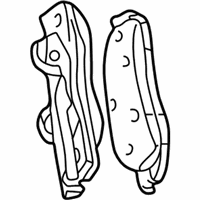
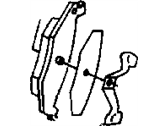
Related Dodge Neon Parts
 Dodge Neon Brake Caliper
 Dodge Neon Speed Sensor
 Dodge Neon Wheel Cylinder
 Dodge Neon ABS Relay
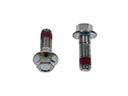 Dodge Neon Brake Caliper Bolt
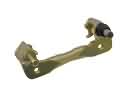 Dodge Neon Brake Caliper Bracket
 Dodge Neon Brake Disc
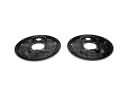 Dodge Neon Brake Dust Shield
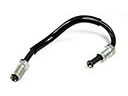 Dodge Neon Brake Line
 Dodge Neon Hydraulic Hose
 Dodge Neon Wheel Bearing Dust Cap
 Dodge Neon Wheel Stud