JeepParts
My Garage
My Account
Cart
OEM Jeep TPMS Sensor
Tire Pressure Monitoring System Sensor- Select Vehicle by Model
- Select Vehicle by VIN
Select Vehicle by Model
orMake
Model
Year
Select Vehicle by VIN
For the most accurate results, select vehicle by your VIN (Vehicle Identification Number).
16 TPMS Sensors found
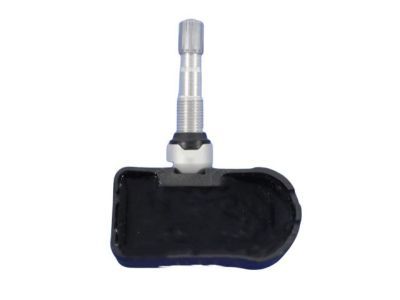
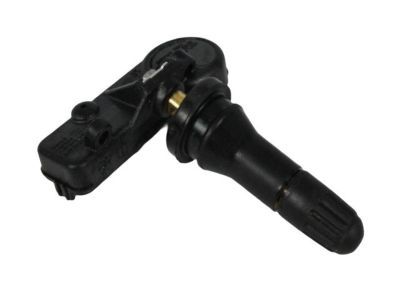
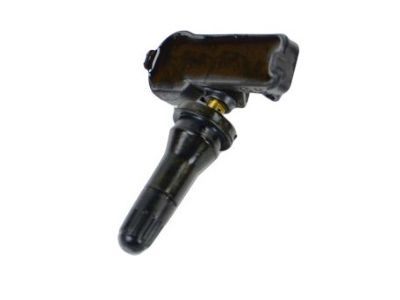
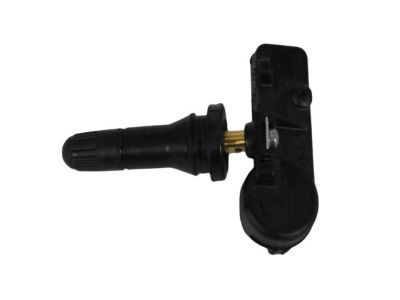
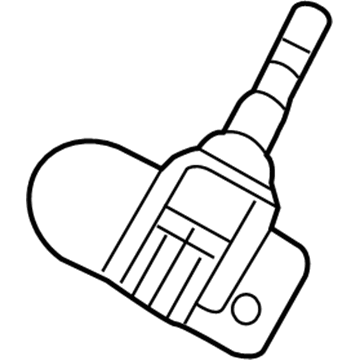
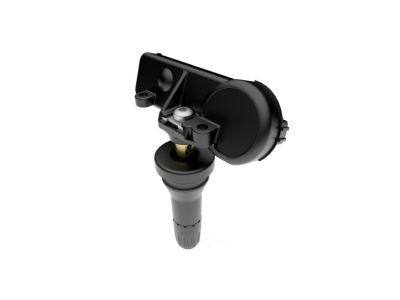
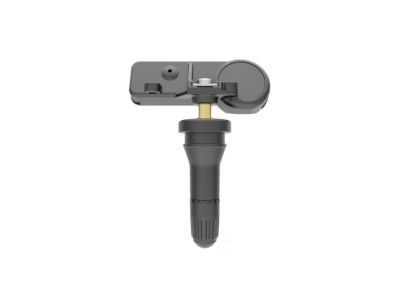
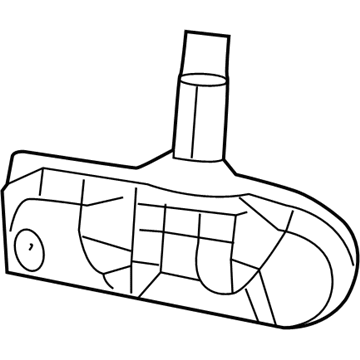
Jeep TPMS Sensor Part Number: 68406530AA
$71.69 MSRP: $108.00You Save: $36.31 (34%)Ships in 1-2 Business DaysProduct Specifications- Other Name: Sensor - Tire Pressure; Tire Pressure Monitoring System Sensor; TPMS Sensor Service Kit; Tire Pressure Sensor; Pressure Sensor; Sensor
- Replaces: 56029479AB, 56053036AA, 56029465AA, 56029479AA, 56029465AB, 56029465AC
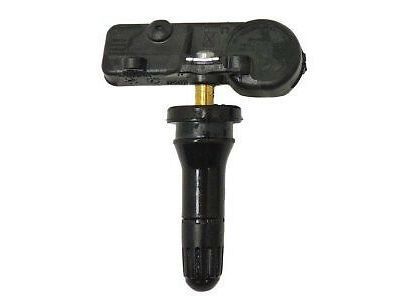
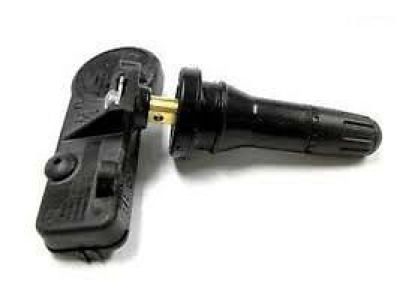
Jeep TPMS Sensor Part Number: 68241067AB
$106.50 MSRP: $157.00You Save: $50.50 (33%)Ships in 1-2 Business DaysProduct Specifications- Other Name: Sensor - Tire Pressure; TPMS Sensor Valve Assembly; Valve Repair Set; TPMS Service Kit.; Tire Pressure Sensor; Sensor; Sensor Tire Pressure Includes Cap; Sensor Tire Pressure
- Replaces: 68241067AA, 68142397AA, 68406537AA, 56029398AA, 68359037AA, 56029398AB
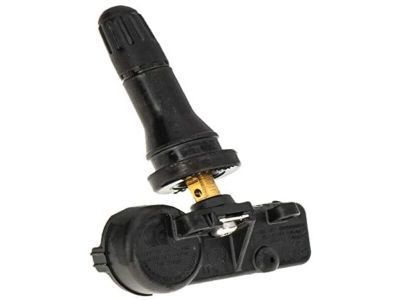
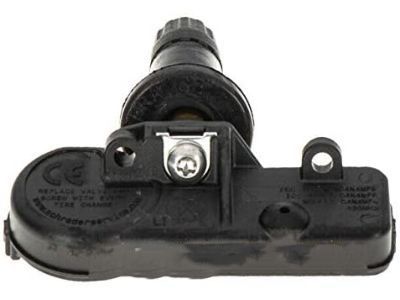
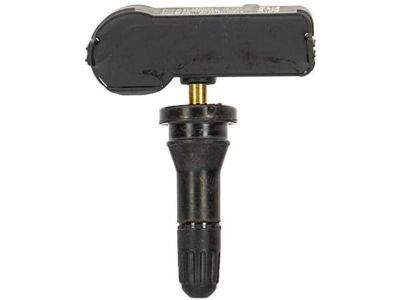
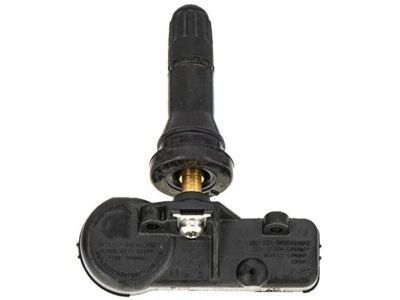
Jeep TPMS Sensor Part Number: 68406531AA
$73.31 MSRP: $102.00You Save: $28.69 (29%)Product Specifications- Other Name: Sensor - Tire Pressure; TPMS Sensor Valve Assembly; Service Kit; Tire Pressure Sensor; Sensor
- Replaces: 56029359AB, 56029359AA, 56029481AA, 56029481AB, 56029359AC
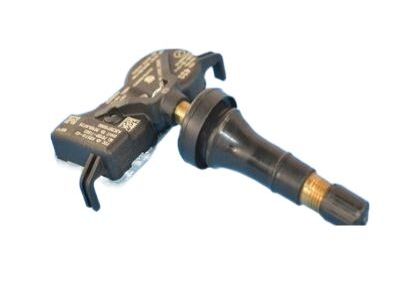
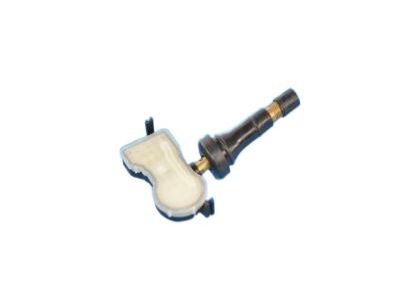
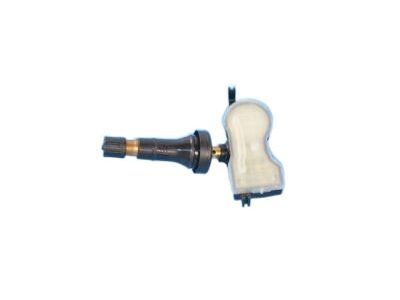
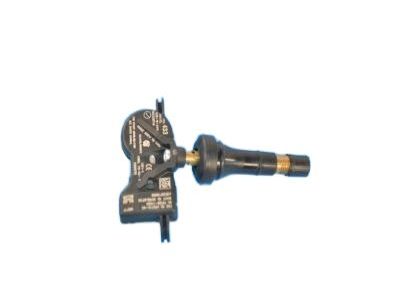
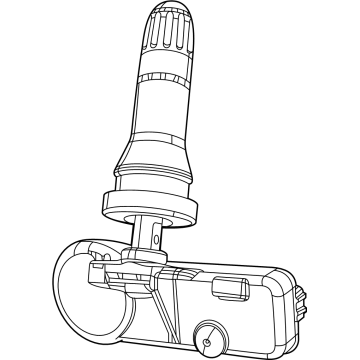
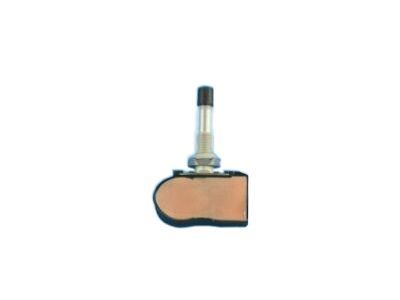
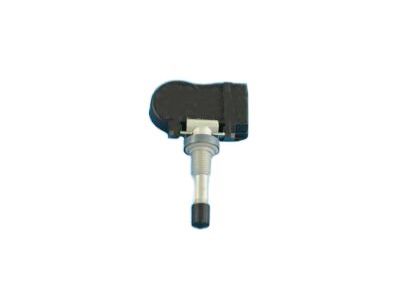
Jeep TPMS Sensor Part Number: 68313387AC
$68.02 MSRP: $102.00You Save: $33.98 (34%)Ships in 1-2 Business DaysProduct Specifications- Other Name: Sensor - Tire Pressure; Tire Pressure Monitoring System Sensor; TPMS Sensor Service Kit; Tire Pressure Sensor; Sensor Tire Pressure 20 Inch Wheels Only; Sensor Tire Pressure
- Replaces: 68252493AA, 68313387AA, 68313387AB, 68252493AB
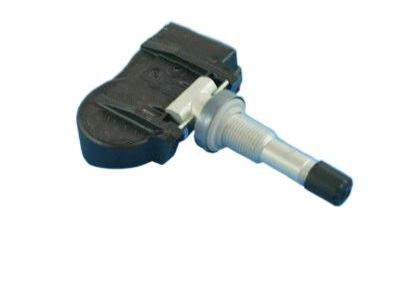
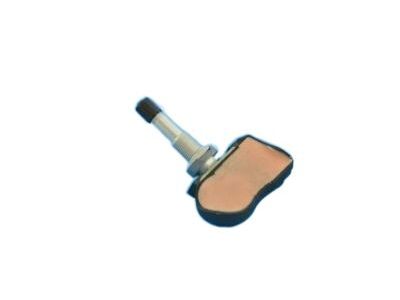
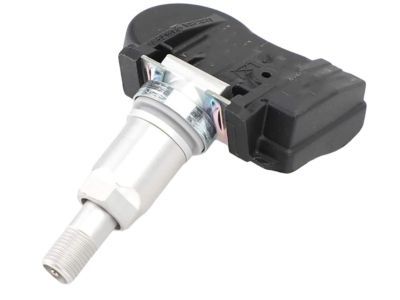
Jeep TPMS Sensor Part Number: 68252495AC
$61.38 MSRP: $91.75You Save: $30.37 (34%)Product Specifications- Other Name: Sensor - Tire Pressure; Tire Pressure Monitoring System Sensor; TPMS Sensor Service Kit; Tire Pressure Sensor; Sensor Tire Pressure Threaded Shaft; Sensor Tire Pressure
- Replaces: 68252495AB, 68252495AA
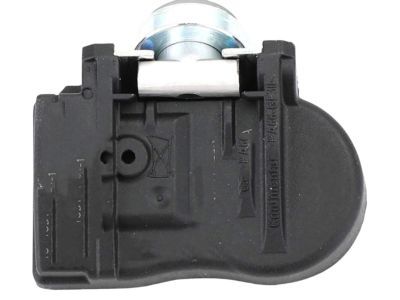
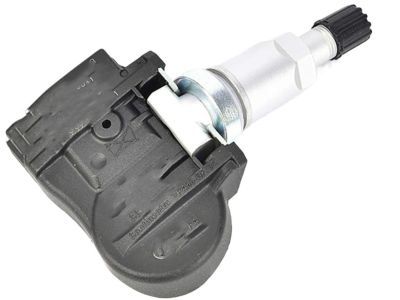
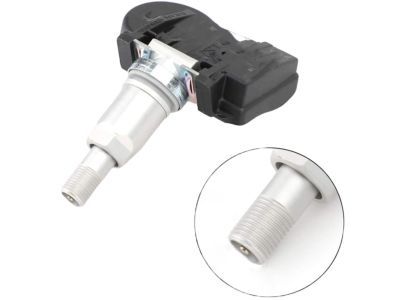
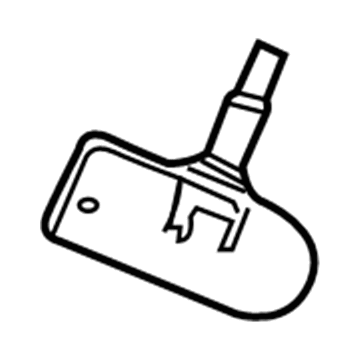
Jeep TPMS Sensor Part Number: 68078861AC
$105.93 MSRP: $159.00You Save: $53.07 (34%)Ships in 1-2 Business DaysProduct Specifications- Other Name: Sensor - Tire Pressure; Tire Pressure Monitoring System Sensor; TPMS Sensor Service Kit; Tire Pressure Sensor; Pressure Sensor; Hardware Kit; Sensor
- Replaces: 68078861AA, 68001696AA, 56053030AB, 68001696AB, 68078861AB
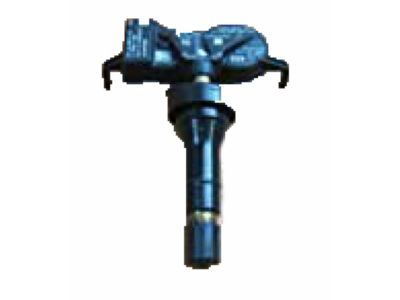
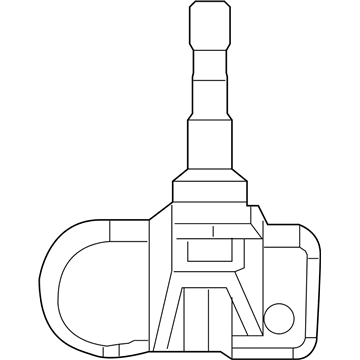
Jeep TPMS Sensor Part Number: 68510379AA
$50.12 MSRP: $74.49You Save: $24.37 (33%)Ships in 1-2 Business DaysProduct Specifications- Other Name: Package Part - Tire Pressure; TPMS Sensor Service Kit; Sensor Kit Tire Pressure
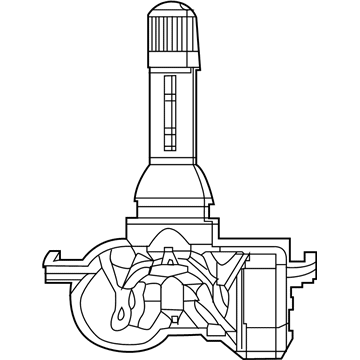
Jeep TPMS Sensor Part Number: 68443470AB
$29.56 MSRP: $63.45You Save: $33.89 (54%)Ships in 1-2 Business DaysProduct Specifications- Other Name: Sensor - Tire Pressure; Tire Pressure Monitoring System Sensor; TPMS Sensor Service Kit; Tire Pressure Sensor
- Replaces: 68443470AA
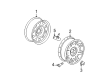
Jeep TPMS Sensor Part Number: 68406529AB
$108.16 MSRP: $162.00You Save: $53.84 (34%)Ships in 1-2 Business DaysProduct Specifications- Other Name: Sensor - Tire Pressure; Tire Pressure Sensor
- Replaces: 68406529AA
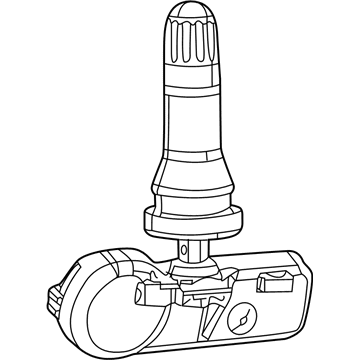
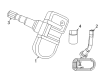
Jeep TPMS Sensor Part Number: 68378369AF
$67.30 MSRP: $93.35You Save: $26.05 (28%)Product Specifications- Other Name: Sensor - Tire Pressure; Tire Pressure Monitoring System Sensor; TPMS Sensor Service Kit; Tire Pressure Sensor
- Replaces: 68157568AB, 68239720AB, 68378369AD, 68249197AA, 68239720AC, 68239720AA, 68324960AA, 68378369AC, 68157568AA, 68324960AB, 68378369AE, 68378369AB
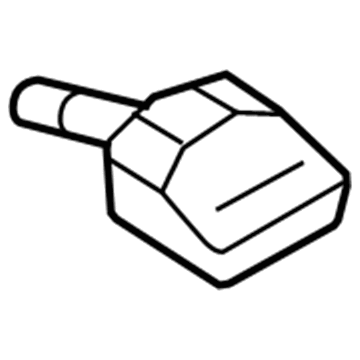
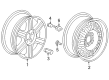
Jeep Tire Pressure Sensor Part Number: 68406527AA
$68.46 MSRP: $103.00You Save: $34.54 (34%)Ships in 1-2 Business DaysProduct Specifications- Other Name: Sensor - Tire Pressure; Tire Pressure Monitoring System Sensor; TPMS Sensor; Tire Sensor; Pressure Sensor; Sensor
- Replaces: 52088990AD, 52088990AE, 52088990AC
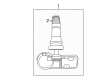
Jeep TPMS Sensor Part Number: 68399030AC
$120.42 MSRP: $182.00You Save: $61.58 (34%)Ships in 1-2 Business DaysProduct Specifications- Other Name: Sensor - Tire Pressure; TPMS Sensor Service Kit.; Tire Pressure Sensor; Sensor
- Replaces: 68193586AE, 68193586AB, 68105280AF, 68193586AA, 68193586AC, 68105280AG, 68399030AB, 68399030AA, 68105280AD, 68193586AD, 68105280AC
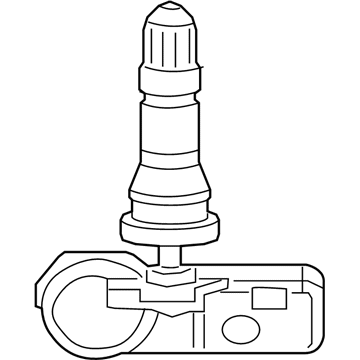
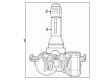
Jeep TPMS Sensor Part Number: 68339096AB
$46.35 MSRP: $68.70You Save: $22.35 (33%)Product Specifications- Other Name: Sensor - Tire Pressure; Tire Pressure Monitoring System Sensor; TPMS Sensor Service Kit; Tire Pressure Sensor; Sensor
Jeep TPMS Sensor Part Number: 68510769AA
$30.10 MSRP: $43.50You Save: $13.40 (31%)Product Specifications- Other Name: Sensor - Tire Pressure

Jeep Sensor - Tire Pressure Part Number: 68591921AB
$40.19 MSRP: $57.83You Save: $17.64 (31%)Product Specifications- Other Name: SENSOR-TIRE PRESSURE
- Replaced by: 68709509AA
- Replaces: 68591921AA
Jeep TPMS Sensor Part Number: 68464665AB
$42.69 MSRP: $61.60You Save: $18.91 (31%)Product Specifications- Other Name: Sensor - Tire Pressure; TPMS Sensor Service Kit; Tire Pressure Sensor; Sensor Kit Tire Pressure
Jeep TPMS Sensor
OEM parts sourced directly from Jeep deliver superior quality, long lasting strength, and a precise fit you can trust. Each item goes through strict quality checks to ensure safety, toughness, and performance that matches your factory equipment. At JeepPartsDeal online shop, you'll get top-quality, budget-friendly OEM Jeep TPMS Sensor for your vehicle. We focus on giving you a high standard without pushing up the price. Our full selection of genuine factory products comes backed by the original manufacturer's warranty. You'll love our fast delivery, seamless shopping experience, and convenient return policy, saving you all the hassle.
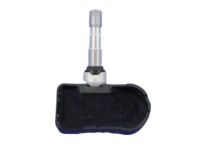
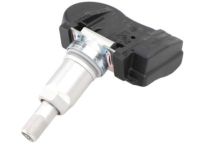
Jeep TPMS Sensor can maintain pressure integrity in order to ensure that each day ride maintains stability and prevents unexpected blowouts. Jeep expanded to wartime service to trail icon, matching boxy steel with current touchscreens to have drivers take on mud pits and tune in tunes and favorite podcasts without interruption. Jeep community is waving backroads, exchanging trail maps and having faith in the Selec-Terrain dial, which switches winter snow to sand quicker than the weather itself. Jeep does cling to the open air freedom, stripping doors off and folding roofs back to have the passenger experience dust and pine, rather than cold stale air. Jeep piles thick axles under short overhangs, with insane approach angles that mock boulders with timid crossovers falling on their bumpers and retiring in disgrace. TPMS Sensor is installed in the tire and transmits real-time tire pressure values directly to the dash before a puncture in a rough road or a smooth road cuts through the tire's treads. TPMS Sensor relies on miniature batteries and radio signals, thus enabling the driver to notice a soft corner miles before heat accumulation burns sidewalls on the highway speed even in cold mornings in winter and in hot summer. TPMS Sensor is applied with the software, which is capable of approximating the pattern of pressure drop and notifying of the mismatched readings to reduce false alarms and prevent concealing of genuine danger during long road journeys or in the course of daily runs. TPMS Sensor is vibration resistant, waterproof and road salt resistant, and the various mounting designs such as clamp-in, screw-in and snap-in allow the owners to fit their rims easily without any components or other costly equipment.
Jeep TPMS Sensor Parts and Q&A
- Q:How to Install a TPMS Sensor on Jeep Wrangler?A:First, take a note of the tire pressure sensor ID before replacing the spare one. Before attaching a tired pressure sensor that was taken off before, change the valve cap, nut, valve core and sensor seal and make sure the notch/flat points in the direction of the wheel during installation. Clean the area neighboring the sensor/valve hole and see that the wheel is undamaged. With pressure applied to the rear of the metal valve, push the sensor into the wheel and watch out to prevent damage as you insert the potted part first. The flat section of the seal should sit straight against the sensor's housing area. While pushing down on the sensor assembly, hand tighten the sensor nut to ensure it fits evenly with the wheel's interior design before fixing it at 6 Nm (53 in. lbs.), not making it too tight to avoid the sensor moving away from the valve stem. Before mounting the tire, line up the sensor valve stem roughly opposite to the tire changer's head or the tool you are using to prevent any harm. Put air in the tires until the pressure reaches the number recommended on the Tire Inflation Pressure Label and make sure the original type valve stem cap is in place. After installing the tires and wheels on the vehicle, lower it and if you're in a location for more than 20 minutes, drive for at least 10 minutes at more than 15 mph (24 km/h) to enable the system to learn about the new sensor ID. A new sensor ID can also be inserted into the Wireless Control Module (WCM) through the RKE-TPM Analyzer with a Scan Tool. If the sensor is not capable of being trained, then proper diagnostic information ought to be used. Any time you put in a new TPMS pressure sensor and a matching extra tire, the computer in the car needs to be programmed using a diagnostic scan tool after installation. Get the ID number from the freshly used pressure sensor and carry out the programming process called "Learn Spare Tire Sensor ID" found in Miscellaneous Functions in the WCM menu. If an electronic TPM-RKE Analyzer is used, turn the spare tire sensor to "Park"; if you do not have one, simply rotate the spare tire with a road tire so that the tire pressures are equal.
- Q:How to Service a TPMS Sensor on Jeep Grand Cherokee?A:To work on the tire pressure sensor, first elevate and support the car, next remove the wheel and keep the valve cap with its seal on it to prevent any dirt getting inside. It is important to replace the nickel-plated brass core in the aluminum valve stem to stop corrosion. Remove the tire from the wheel without the Bead Breaker getting close to the sensor and at a ±10-degree angle, use the mounting/dismounting tool at the valve stem. With pressure on the rear of the valve, twist off and remove the sensor nut and then take out the sensor from the wheel. Take note of the sensor ID and while you're replacing the sensor, be sure to secure a new seal and metal washer before reconnecting it. Wipe away dirt from around the mounted sensor/valve stem hole in the wheel and then slide the sensor into the wheel so the potted side is touching it, making sure you hold against the back of the metal valve stem. Put the sensor nut (with the washer inside) into the wheel, setting the sensor housing flush with the wheel and tighten to 7.5 Nm (66 inch lbs.) by hand. If using a rotating wheel tire changer, rotate the sensor valve stem until it is approximately 210 degrees away from the changer's head. When using a rotating tool tire changer, put the sensor valve stem clear of the lower bead breaker area. Inflate the tires to the pressure indicated on the Tire Inflation Pressure Label and install the matching original style valve cap. Assembly the tire and wheel on the vehicle, lower it and drive for at least five minutes at above 20 mph (32 km/h) to program the new sensor ID into the system. Once you've put in the new spare tire pressure sensor, diagnose the system with a scan tool and touch the new sensor's ID number into the Wireless Control Module (WCM). Look under "Miscellaneous Functions" in the WCM menu and follow the next steps for "Learn Spare Tire Sensor ID".
Related Jeep Parts
 Jeep Antenna
 Jeep Ignition Coil
 Jeep Air Suspension Compressor
 Jeep Fuel Pump Relay
 Jeep Ignition Lock Cylinder
 Jeep Knock Sensor
 Jeep Relay
 Jeep Windshield Washer Pump
 Jeep Antenna Cable
 Jeep Hazard Warning Switch
 Jeep Igniter
 Jeep Relay Block