JeepParts
My Garage
My Account
Cart
OEM Jeep Fuel Rail
Engine Fuel Rail- Select Vehicle by Model
- Select Vehicle by VIN
Select Vehicle by Model
orMake
Model
Year
Select Vehicle by VIN
For the most accurate results, select vehicle by your VIN (Vehicle Identification Number).
34 Fuel Rails found
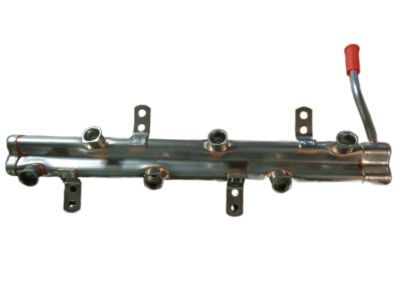
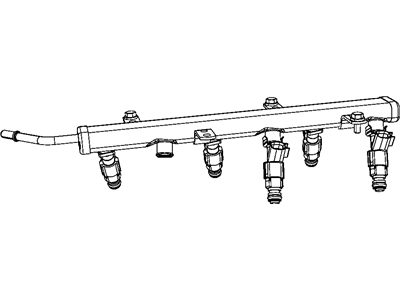
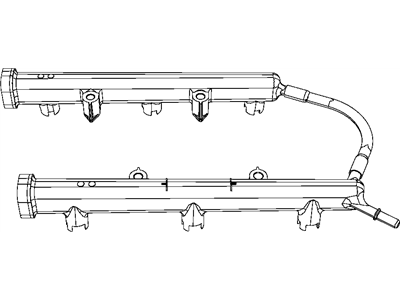
Jeep Fuel Rail Part Number: 4861666AA
$208.88 MSRP: $315.00You Save: $106.12 (34%)Ships in 1-2 Business DaysProduct Specifications- Other Name: Rail - Fuel; Rail Fuel
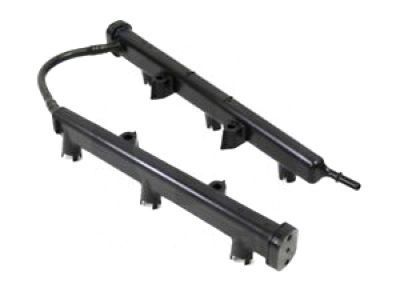
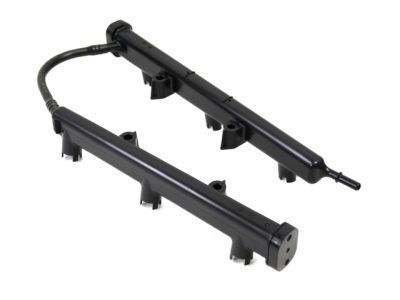
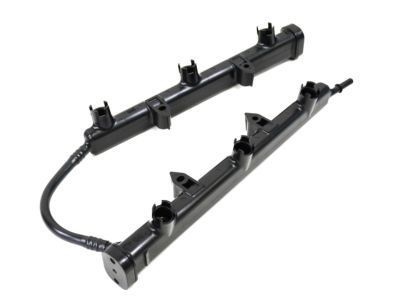
Jeep Fuel Rail Part Number: 53034198AC
$488.46 MSRP: $659.00You Save: $170.54 (26%)Product Specifications- Other Name: Rail - Fuel; Rail Fuel
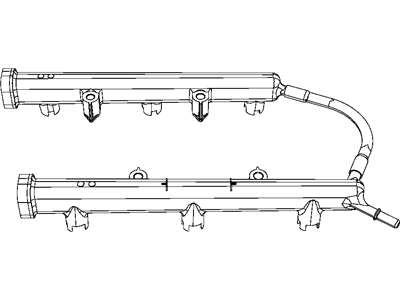
Jeep Fuel Rail Part Number: 4593922AA
$376.81 MSRP: $574.00You Save: $197.19 (35%)Product Specifications- Other Name: Rail - Fuel; Rail Fuel
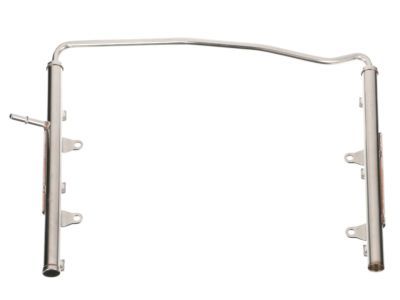
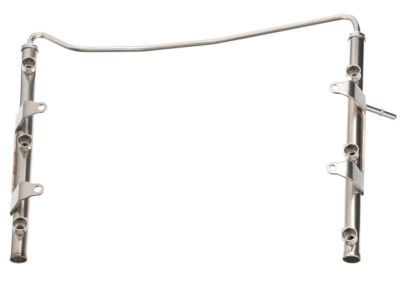
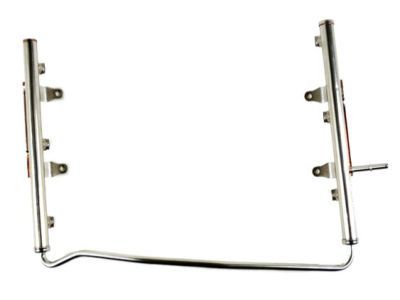
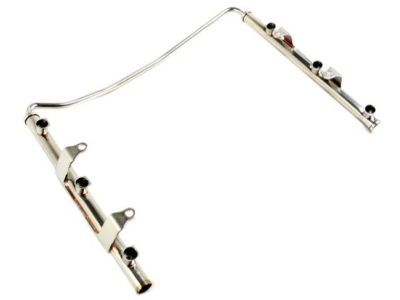
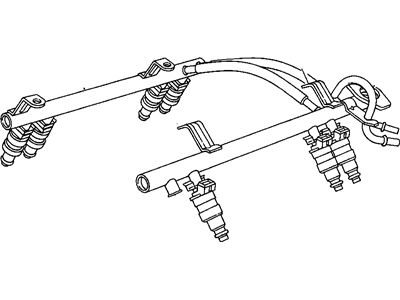
Jeep Fuel Rail Part Number: 53031102AB
$533.72 MSRP: $809.00You Save: $275.28 (35%)Product Specifications- Other Name: Rail - Fuel; Rail Fuel
- Replaces: 53031102AC
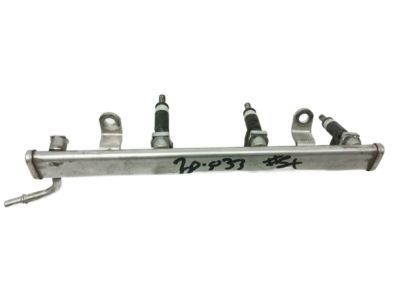
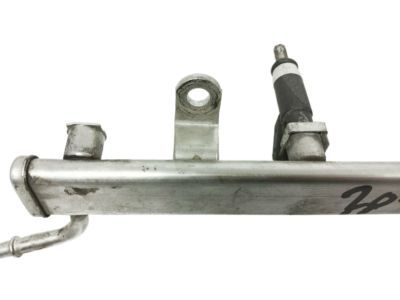
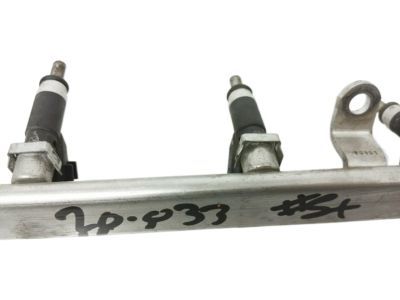
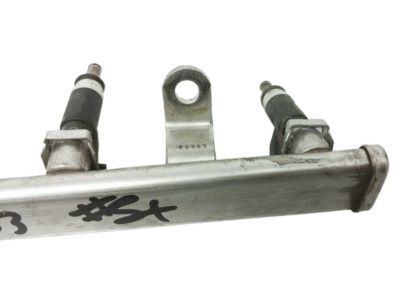
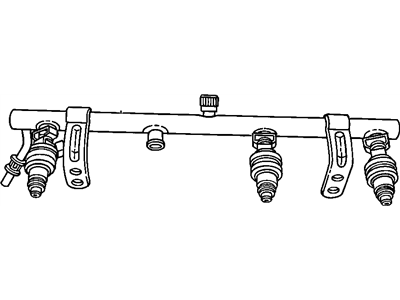
Jeep Fuel Rail Part Number: 4627355AA
$68.74 MSRP: $104.00You Save: $35.26 (34%)Ships in 1-2 Business DaysProduct Specifications- Other Name: Rail - Fuel; Rail Fuel
- Replaces: 4891575AA
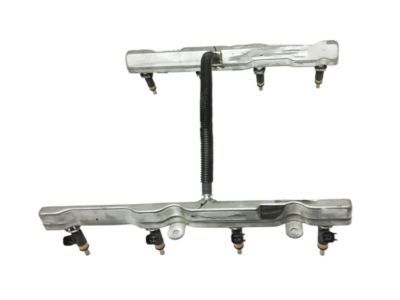
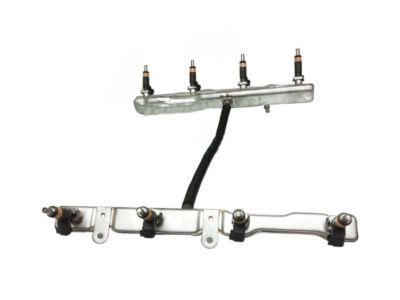
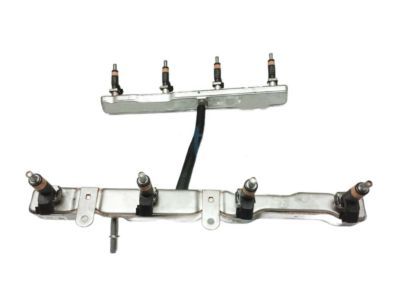
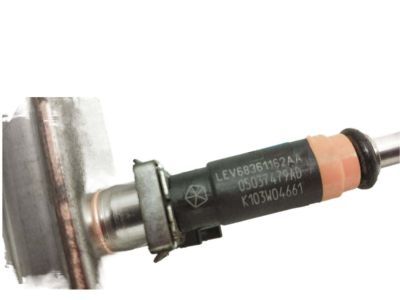
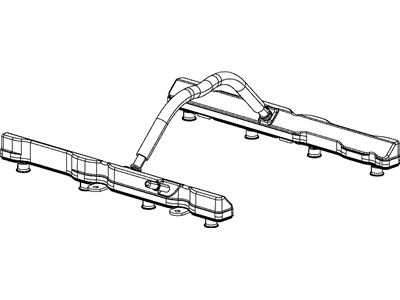
Jeep Fuel Rail Part Number: 53013888AD
$126.90 MSRP: $187.00You Save: $60.10 (33%)Product Specifications- Other Name: Rail - Fuel; Rail Fuel
- Replaced by: 53013888AE
- Replaces: 53013888AC
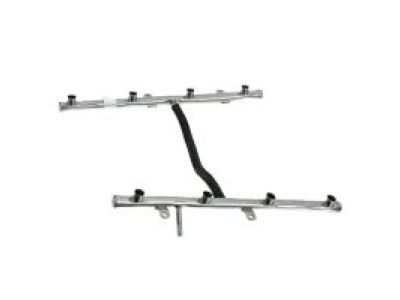
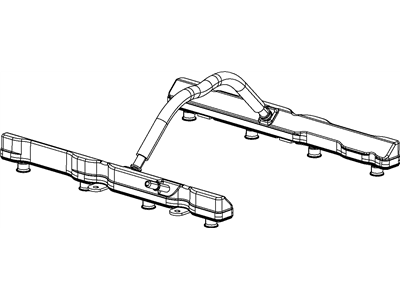
Jeep Fuel Rail Part Number: 5038530AB
$256.06 MSRP: $377.00You Save: $120.94 (33%)Product Specifications- Other Name: Rail - Fuel; Rail Fuel
- Replaced by: 5038530AC
- Replaces: 5038530AA
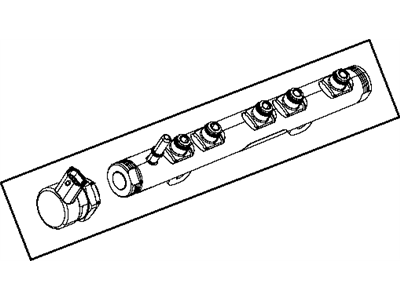
Jeep Fuel Rail Part Number: 68148330AA
$424.24 MSRP: $890.00You Save: $465.76 (53%)Ships in 1-2 Business DaysProduct Specifications- Other Name: Rail - Fuel; Rail Fuel Left
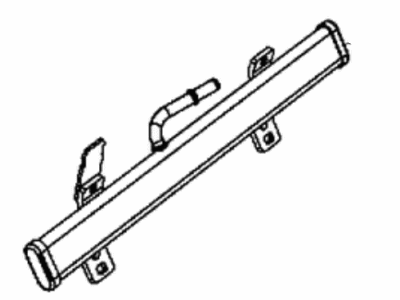
Jeep Fuel Rail Part Number: 4627120AD
$540.35 MSRP: $815.00You Save: $274.65 (34%)Ships in 1-2 Business DaysProduct Specifications- Other Name: Rail - Fuel; Rail Fuel
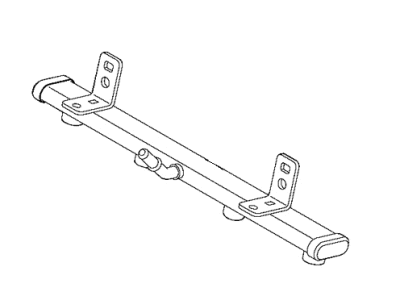
Jeep Fuel Rail Part Number: 68270209AA
$884.00 MSRP: $1340.00You Save: $456.00 (35%)Ships in 1-2 Business DaysProduct Specifications- Other Name: Rail - Fuel; Rail Fuel
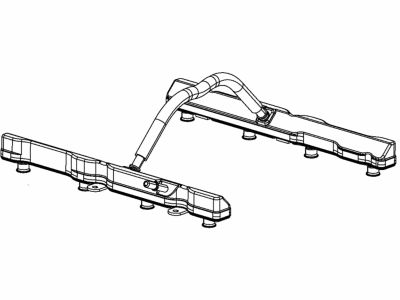
Jeep Fuel Rail Part Number: 53010893AC
$449.74 MSRP: $679.00You Save: $229.26 (34%)Product Specifications- Other Name: Rail - Fuel; Injector; Rail Fuel Complete With Pressure Sensor; Rail Fuel
- Replaces: 53010893AA, 53010893AB
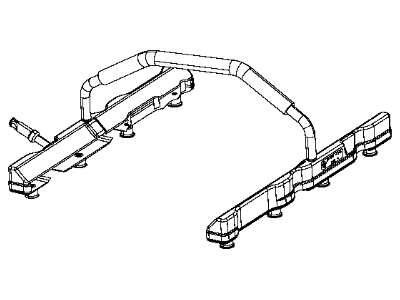
Jeep Fuel Rail Part Number: 4627477AC
$477.36 MSRP: $720.00You Save: $242.64 (34%)Product Specifications- Other Name: Rail - Fuel; Rail Fuel
- Replaces: 4627477AB
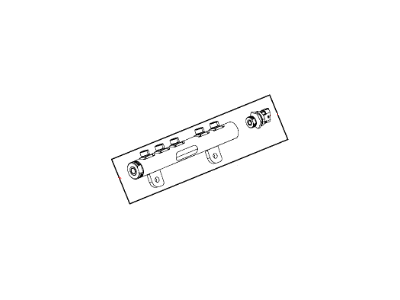
Jeep Fuel Rail Part Number: 68148329AB
$205.49 MSRP: $302.00You Save: $96.51 (32%)Ships in 1-2 Business DaysProduct Specifications- Other Name: Rail - Fuel; Rail Fuel Right
- Replaces: 68148329AA

Jeep Fuel Rail Part Number: 68533462AA
$480.68 MSRP: $728.00You Save: $247.32 (34%)Product Specifications- Other Name: Rail - Fuel
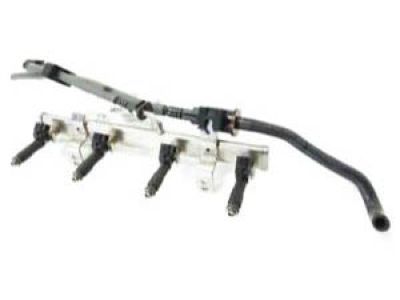
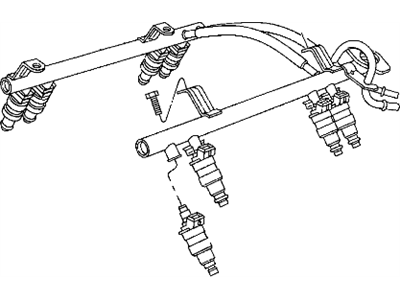
Jeep Fuel Rail Part Number: 53013017AB
Product Specifications- Other Name: Rail - Fuel; Rail Fuel
- Replaces: 53013017AA
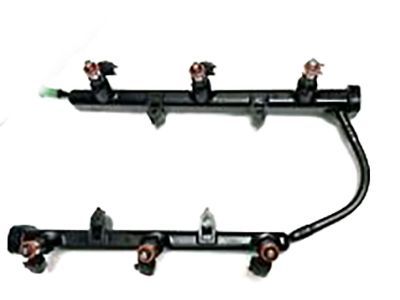
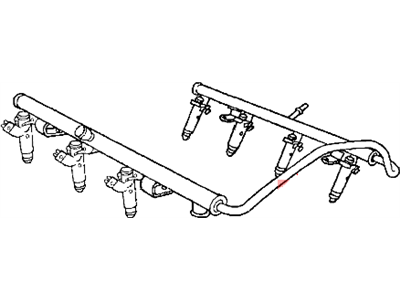
Jeep Fuel Rail Part Number: 53032903AD
Product Specifications- Other Name: Rail - Fuel; Rail Fuel
- Replaces: 53032903AC
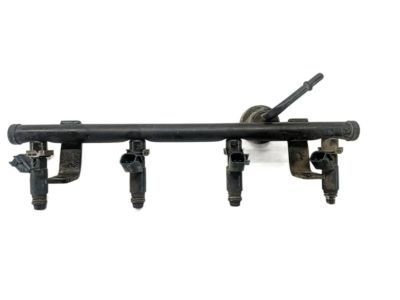
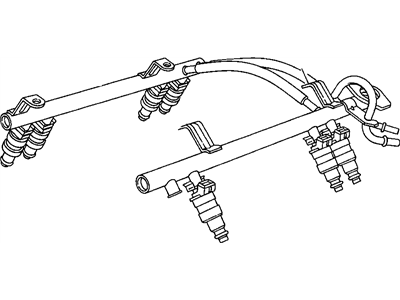
Jeep Fuel Rail Part Number: 5135582AB
Product Specifications- Other Name: Rail - Fuel
- Replaces: 5135582AA
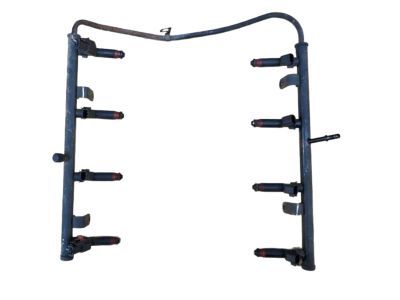
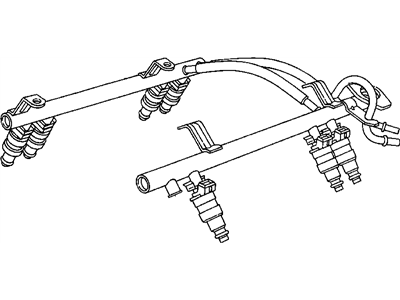
Jeep Fuel Rail Part Number: 53030848AC
Product Specifications- Other Name: Rail - Fuel; Rail Fuel
- Replaces: 53030848AB
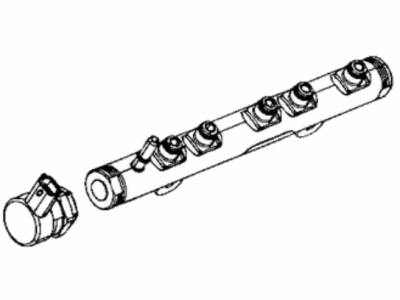
Jeep Fuel Rail Part Number: 68490028AA
$177.88 MSRP: $262.00You Save: $84.12 (33%)Product Specifications- Other Name: Rail - Fuel; Rail Fuel
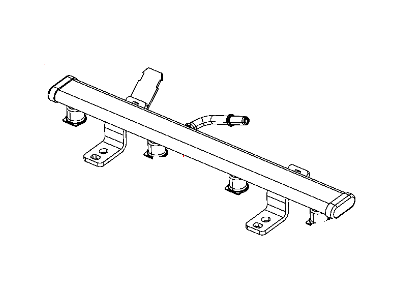
Jeep Fuel Rail Part Number: 4593987AC
Product Specifications- Other Name: Rail - Fuel; Rail Fuel
- Replaces: 4593987AB
| Page 1 of 2 |Next >
1-20 of 34 Results
Jeep Fuel Rail
OEM parts sourced directly from Jeep deliver superior quality, long lasting strength, and a precise fit you can trust. Each item goes through strict quality checks to ensure safety, toughness, and performance that matches your factory equipment. At JeepPartsDeal online shop, you'll get top-quality, budget-friendly OEM Jeep Fuel Rail for your vehicle. We focus on giving you a high standard without pushing up the price. Our full selection of genuine factory products comes backed by the original manufacturer's warranty. You'll love our fast delivery, seamless shopping experience, and convenient return policy, saving you all the hassle.
Jeep Fuel Rail supplies pressure gasoline to all injectors to maintain strength of combustion on any road requirement. Jeep trained itself on the ruts of the battlefield and drove out into the non-combat world with the same wiry backbone, and drivers are now chasing deserts, snowfields, rocky raceways, and city streets without a second thought. The secret Jeep has maintained that advantage is combining skid-plate armor with Selec-Terrain knobs that change modes quicker than the weather changes and crisp digital dashboards responding back to voice control and real-time over-the-air updates. The Jeep culture is based on campfire repair, convoy reunions, online discussion boards where members share tricks and prove that the badge is worth more than the metal since grit in the blood gives courage at the end of the pavement. The recent Fuel Rail is a stiff, high-strength pipe on a Jeep gasoline engine, which levels the pulses of the pump, measures precise high pressure to multiport or direct injectors, and cuts emissions and cleans throttle snap. The Fuel Rail is designed to support V6 or V8 feed rate and absorb vibrations and heat and protect the flow of constant pressure to ensure the cylinders receive equal charge in the downtown or in the switchbacks. Sensors that require increased power are responded to by the Fuel Rail within milliseconds, stumbles are eliminated, and efficiency is increased; every movement of the pedal is smooth and aggressive.
Jeep Fuel Rail Parts and Q&A
- Q:How to Service the Fuel Rail and Ensure Proper Fuel System Pressure Release on Jeep Cherokee?A:The fuel damper is handled as part of your routine maintenance, but it's essential to clear any fuel pressure before dealing with the fuel rail. To start, remove the fuel tank filler tube cap and finish the Fuel System Pressure Release Procedure. Untie the negative cable on the battery, then remove the air tube that's attached to the top of the throttle body, making sure you remove the air cleaner ducts on certain engines. Disconnect the injector harness electrical connectors on every injector, after assigning each connector to a specific cylinder with its cylinder number; if you haven't labelled them, do so before you remove them. Remove the clip from the fuel supply line latch, as well as the fuel line from the fuel rail and take out the throttle, speed control and automatic transmission cables at the throttle body if you have them. Remove the bracket for cable routing at the intake manifold, unscrew the nut that holds the crankshaft sensor pigtail harness to the fuel rail mounting stud and take off the harness clamp and pigtail harness. Wipe any dirt or mud from the fuel injectors at the intake manifold, then remove the fuel rail nuts or bolts and gently move the fuel rail. Before putting in the injectors, brush the injector bores at the intake manifold and apply just a little oil to each injector O-ring to help install them. Insert the ends of all fuel injectors into the holes in the manifold where they should go and place them down securely. Attach the pigtail wire harness clamp and wire harness to the fuel rail mounting stud, lock it with a nut applying 11 ± 3 Nm (100 ± 25 in. lbs.) torque to the mounting bolts. Attach the tagged injector harnesses to the corresponding injectors and then hook the fuel line and latch clip onto the fuel rail. Place a protect cap on the pressure test port fitting if you have one and then connect the cable routing bracket to the intake manifold. If the vehicle has a throttle body, reconnect the throttle cable, speed control cable and automatic transmission cable there, then connect the air tube or duct to the top of the throttle body. Next, put on the fuel tank cap, link the negative battery cable again, start your engine and check whether there are any fuel leaks.
- Q:How to Install a Fuel Rail and Its Injectors on Jeep Wrangler?A:Ensure that the fuel injectors are positioned correctly for installation before putting in the fuel rail. Cleans the fuel injector machined bores in the intake manifold and apply a tiny amount of engine oil to each fuel injector O-ring. Line up the rail/injector unit so that each injector goes into the perfectly machined cylinder head slot and do so with care so you don't injure the O-rings. Keep fuel rail - right handed - in place until the injectors are on the shoulders of the cylinder head, then do the same for the left side. Fit each of the four fuel rail mounting bolts to the specified torque. Attach the latch clip of the fuel line to the fuel rail and then push each electrical connector onto the fuel injector so the red slider holds it in place. Check that the connector is not easy to pull off by gently tugging. Then, set in place the top part of the intake manifold, restart the engine and search for any leaks.
Related Jeep Parts
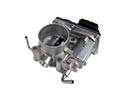 Jeep Throttle Body
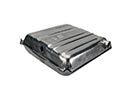 Jeep Fuel Tank
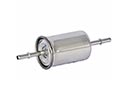 Jeep Fuel Filter
 Jeep Fuel Injector
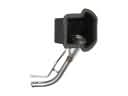 Jeep Fuel Filler Neck
 Jeep Fuel Sending Unit
 Jeep Idle Control Valve
 Jeep Fuel Filler Hose
 Jeep Fuel Line Clamps
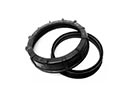 Jeep Fuel Pump Seal
 Jeep Fuel Pump Tank Seal
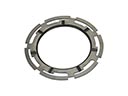 Jeep Fuel Tank Lock Ring