JeepParts
My Garage
My Account
Cart
OEM Chrysler Parking Brake Shoe
Emergency Parking Brake Shoe- Select Vehicle by Model
- Select Vehicle by VIN
Select Vehicle by Model
orMake
Model
Year
Select Vehicle by VIN
For the most accurate results, select vehicle by your VIN (Vehicle Identification Number).
10 Parking Brake Shoes found
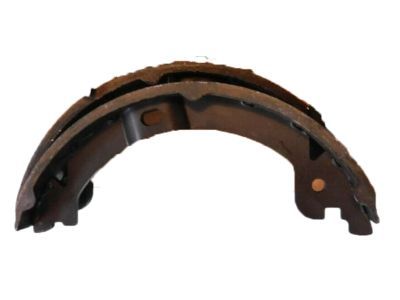
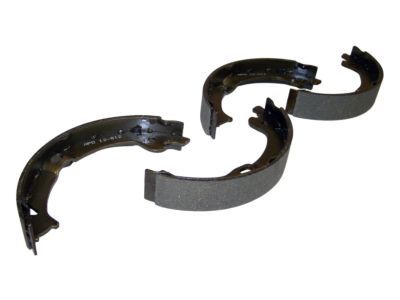
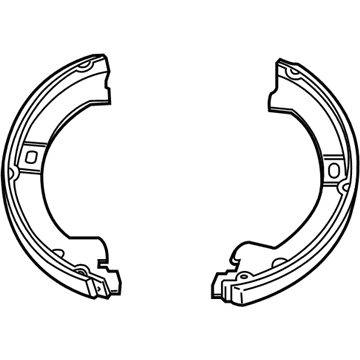
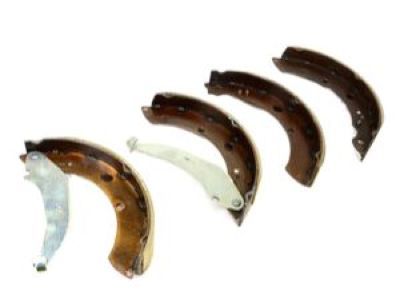
Chrysler Parking Brake Shoes, Rear Part Number: 5019802AA
$156.49 MSRP: $206.00You Save: $49.51 (25%)Ships in 1-2 Business DaysProduct Specifications- Other Name: Shoe Kit - Parking Brake; Parking Brake Shoe, Rear; Disc Brake Hardware Kit; Shoes; Shoe And Lining Kit Parking Brake; Parking Brake Shoe
- Position: Rear
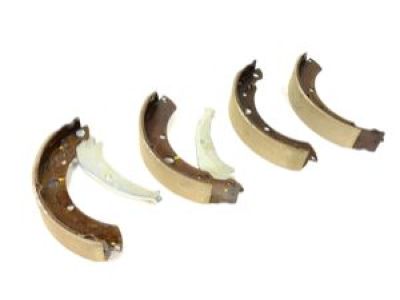

Chrysler Brake Shoes, Rear Part Number: 5140710AA
$138.98 MSRP: $182.00You Save: $43.02 (24%)Ships in 1-2 Business DaysProduct Specifications- Other Name: Shoe Kit - Drum; Drum Brake Shoe, Rear; Parking Brake Shoe; Shoes; Shoe And Lining Kit Drum; Drum Brake Shoe
- Position: Rear
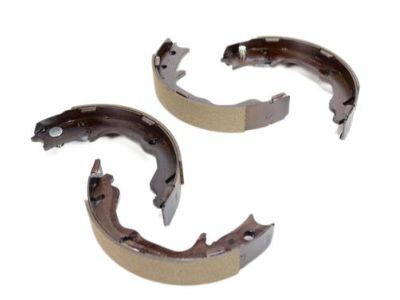
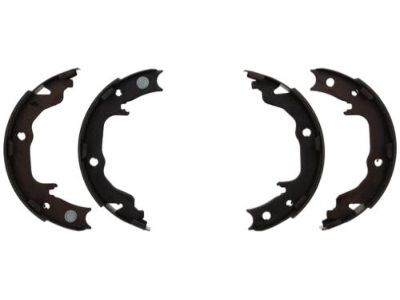
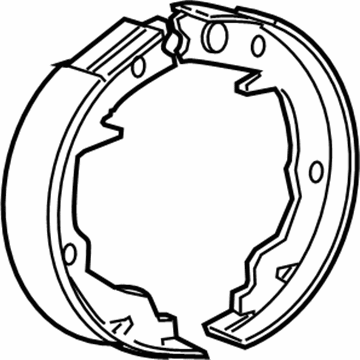
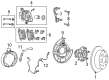
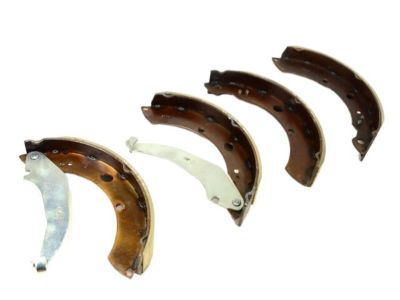
Chrysler Parking Brake Shoes, Rear Part Number: 5191215AB
$121.95 MSRP: $187.00You Save: $65.05 (35%)Ships in 1-2 Business DaysProduct Specifications- Other Name: Shoe - Parking Brake; Parking Brake Shoe, Rear; Disc Brake Hardware Kit; Shoes; Shoe And Lining Kit Parking Brake; Shoe And Lining Parking Brake; Parking Brake Shoe
- Position: Rear
- Replaces: 5191215AA
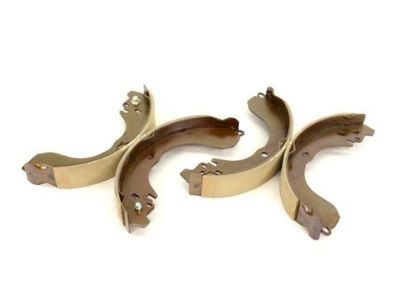
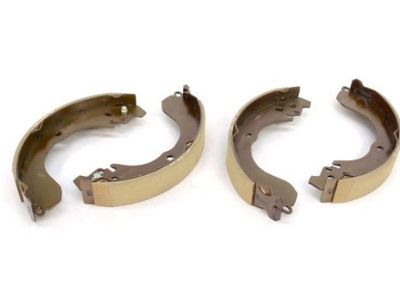
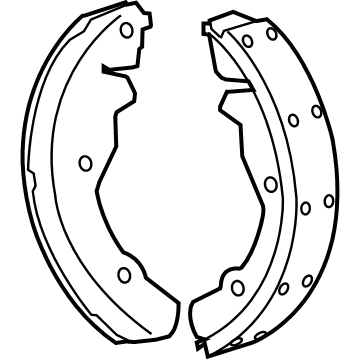
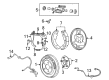
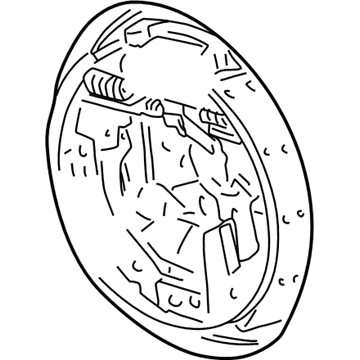
Chrysler Brake Shoes, Rear Part Number: 5191306AA
$52.09 MSRP: $77.20You Save: $25.11 (33%)Ships in 1-2 Business DaysProduct Specifications- Other Name: Shoe Kit - Drum; Drum Brake Shoe, Rear; Parking Brake Shoe; Rear Shoes; Shoes; Shoe And Lining Kit Drum; Drum Brake Shoe
- Position: Rear
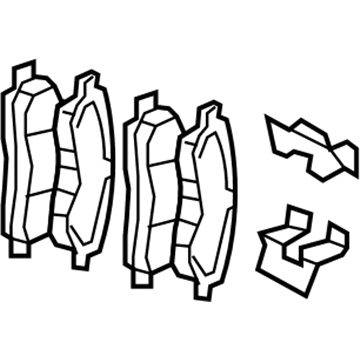
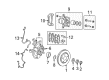
Chrysler Brake Pads, Front Part Number: 68574695AA
$88.09 MSRP: $132.00You Save: $43.91 (34%)Ships in 1-2 Business DaysProduct Specifications- Other Name: Pad Kit - Front Disc Brake; Disc Brake Pad Set, Front; Disc Brake Hardware Kit; Parking Brake Shoe; Brake Shoes; Front Pads
- Position: Front
- Replaces: 5191229AA, 5191244AA, 5191231AA, 68020494AA, 68020494AB
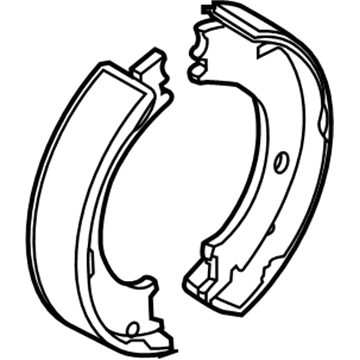
Chrysler Parking Brake Shoes, Rear Part Number: 68001472AB
$64.17 MSRP: $99.00You Save: $34.83 (36%)Product Specifications- Other Name: Shoe Kit - Parking Brake; Parking Brake Shoe, Rear; Disc Brake Hardware Kit; Shoes; Shoe And Lining Kit Parking Brake; Parking Brake Shoe
- Position: Rear
- Replaces: 5080568AC, 5080568AB, 68001472AA
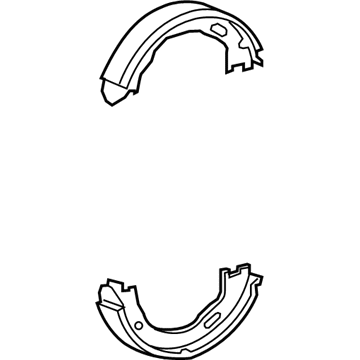
Chrysler Parking Brake Shoes, Rear Part Number: 68020626AB
$109.27 MSRP: $164.00You Save: $54.73 (34%)Ships in 1-2 Business DaysProduct Specifications- Other Name: Shoe Kit - Parking Brake; Parking Brake Shoe, Rear; Disc Brake Hardware Kit; Shoes; Shoe And Lining Kit Parking Brake; Parking Brake Shoe
- Position: Rear
- Replaces: 5137624AA, 68020626AA, 68020626AC, 5103204AA


Chrysler Brake Shoes, Rear Part Number: 5012334AA
Product Specifications- Other Name: Shoe Kit - Rear Brake; Parking Brake Shoe; Drum Brake Shoe; Rear Shoes; Shoes
- Position: Rear
Chrysler Rear Shoes Part Number: 5011240AA
Product Specifications- Other Name: Shoe Kit - Rear Disc Brake; Parking Brake Shoe; Drum Brake Shoe; Shoes
- Position: Rear
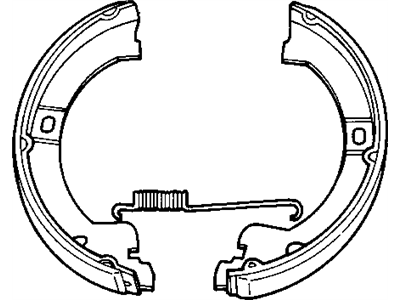
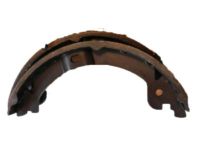
Chrysler Shoes Part Number: 4882576
Product Specifications- Other Name: Shoe & Lining - Parking Brake; Parking Brake Shoe; Shoe And Lining Parking Brake
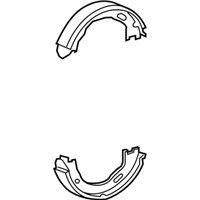
Chrysler Parking Brake Shoe
OEM parts sourced directly from Chrysler deliver superior quality, long lasting strength, and a precise fit you can trust. Each item goes through strict quality checks to ensure safety, toughness, and performance that matches your factory equipment. At JeepPartsDeal online shop, you'll get top-quality, budget-friendly OEM Chrysler Parking Brake Shoe for your vehicle. We focus on giving you a high standard without pushing up the price. Our full selection of genuine factory products comes backed by the original manufacturer's warranty. You'll love our fast delivery, seamless shopping experience, and convenient return policy, saving you all the hassle.
Chrysler Parking Brake Shoe is a solution to lock stationary wheels with a solid grip that provides steady confidence to the drivers whenever they stop. Chrysler has been on smooth roads since 1925, reducing cabin shake courtesy of intelligent Floating Power mounts and air-conditioned bodies. The same attitude led to the creation of the head-turning Airflow and then the space-friendly minivan, which showed that style does not necessarily have to be dramatic to accompany usefulness. Chrysler family haulers ensured the honesty of prices and simplicity of buying, thus drivers were concerned with miles rather than documents. Cabins were broadened, seats extended for lengthy journeys, bumps were soaked ahead of time, and passengers were never even aware of it. Continuous modifications enabled Chrysler to balance aggressive design and spacious seats, which allowed teens to spread out and parents to take a seat. In sedans, vans, and crossovers, the badge is an indicator of pragmatic power that is enclosed in a friendly design on the road. The silence of the cabins and light steering are still being hailed by devoted owners many years later. The Parking Brake Shoe has a friction lining that the driver presses against metal in each of the rear drums to stop the rotation of the wheels before the rolling commences. The Parking Brake Shoe uses the basic principle of lever action to provide clamping force without going through complicated hydraulic systems to ensure that when parking is extended, the shoe can remain reliable. All Parking Brake Shoes are matched with heat-resistant interiors and robust steel undercarriages, and scowl off cold weather encounters and steep access driveway slopes. A mere pull when parked fixes the Parking Brake Shoe to the drum wall and substitutes the effort of the driver with stationary safety.
Chrysler Parking Brake Shoe Parts and Q&A
- Q: How to Maintain and Fix a Parking Brake Shoe on Chrysler Town & Country?A:Before servicing the parking brake shoe, make sure the parking brake is set, break loose the hub nut and lift the vehicle to get access to the wheel and tire. After that, take out the cotter pin and nut retainer from the stub shaft of the outer C/V joint, then remove the spring washer, hub nut and washer. Loosen the parking brake and allow slack in the rear park brake cables by holding the automatic adjuster in place, then get hold of the front park brake cable where it is exposed and pull it downwards, fastening it with locking pliers just rearward of the outrigger bracket on the second side. Disconnect the adaptor guide pin bolts, then, with the rear caliper end facing up, pull the caliper front side out from the adaptor's front abutment, holding the caliper to protect the hose. Lift the rotor off its hub or bearing, undo the horseshoe clip from the park brake cable and unscrew the cable using a 1/2 wrench to press in the locking tabs. Then, detach the wheel speed sensor from its bolt, remove all the hub/bearing mounting bolts and take the hub/bearing off the axle and stub shaft. Unplug the adapter from the back of the rear axle, hold it in a vise around the park brake boss and then take out the return spring at the bottom from all park brake shoes, as well as the hold down spring and pin from the leading shoe. Separate the adjuster on each shoe, then turn in the leading shoe and the other shoe and release them from each other. Check the park brake shoe actuator to make sure it isn't worn out or bound. With installation, start by fixing the trailing shoe onto the adapter and ensuring the pin is aligned straight up and down, put the hold down spring and pin into position, then the upper springs on both the front and trailing shoes. Place the shoe with the bigger bolt at the upper anchor, turn the small shoe outwards and add the adjuster between the shoes, along with the hold down spring to the upper bolt and a pin on the front of the upper shoe. Put the lower return spring on both shoes, set and tighten the adapter and hub/bearing using the four bolts in a sides to sides way and make sure the torque reaches 129 Nm (95 ft. lbs.). Fit the wheel speed sensor and its bolt back in place, tightening it to 12 Nm (105 inch lbs.) and mount the park brake cable into its location-with the locking tabs expanded-attaching it to the actuator lever afterward. Install the curved end of the horseshoe clip straight up, let go of the locking pliers, fix the park brake drum-in-hat brake shoes and put the rotor back in place. Slowly put the caliper and brake shoes on top of the rotor, making sure the guide pin bolts aren't crossed and tighten them to 22 Nm (192 inch lbs.). Clean the threads of your outer C/V joint stub shaft, slide on the washer and hub nut, move the parking brake into position and tighten the hub nut with 244 Nm (180 ft. lbs.) of force. Attach the wheel with the cotter pin inserted and the spring washer and nut retainer, then tighten the wheel mounting stud nuts to 135 Nm (100 ft. lbs.) in the proper order. Ad shortly and apply the park brake pedal only once to set the tension in the cable, fully pump the brake pedal for a proper brake feel and check the brakes on the road.
- Q: How to install Parking Brake Shoes on Chrysler 300?A:Check the springs, adjuster, lever and aluminum shoe anchor pin to see if they are worn or damaged. If so, change them before you put in the parking brake shoes. Install the lower brake shoe hold-down pin (7) into the rear of the support (2), then make sure the lower shoe (6) is against the support plate (2) and snap it in place with the lower brake shoe hold-down clip (7). After that, secure the shoe actuator lever (1) to the end of the parking brake cable (2) so that the "UP" word faces outward. First, install the return spring (4) inside the lower shoe (6) and then put the upper shoe (6) up against the support plate and down onto the shoe actuator lever. The upper brake shoe should be held in place by installing the brake shoe hold-down pin (7) memory screw at the rear of the support and upper shoe, then adding the hold-down clip (7). Insert the return spring (4) into the upper shoe (6) and screw the shoe adjuster (8) on with the end showing the star wheel towards the top. Add the parking brake shoe adjuster spring (3) and size the inside diameter of the parking brake drum in the rotor with the Brake Shoe Gauge, Special Tool C-3919 or its equivalent. At the widest point of the parking brake shoes, use the adjuster star wheel (2) to bring the linings so that they barely touch the gauge jaws for your first adjustment. After connecting, test the wheel speed sensor, move the vehicle on to remove the hub and bearing and complete the final tweak of the parking brake shoes.
Related Chrysler Parts
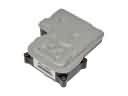 Chrysler ABS Control Module
 Chrysler Brake Caliper
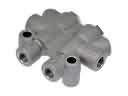 Chrysler Brake Proportioning Valve
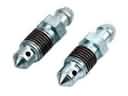 Chrysler Brake Bleeder Screw
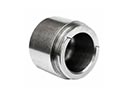 Chrysler Brake Caliper Piston
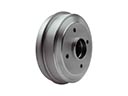 Chrysler Brake Drum
 Chrysler Parking Brake Cable
 Chrysler Wheel Bearing Dust Cap
 Chrysler Wheel Cylinder
 Chrysler Wheel Seal
 Chrysler Wheel Stud
 Chrysler Yaw Sensor