JeepParts
My Garage
My Account
Cart
OEM Chrysler Parking Brake Cable
Emergency Parking Brake Release Cable- Select Vehicle by Model
- Select Vehicle by VIN
Select Vehicle by Model
orMake
Model
Year
Select Vehicle by VIN
For the most accurate results, select vehicle by your VIN (Vehicle Identification Number).
91 Parking Brake Cables found
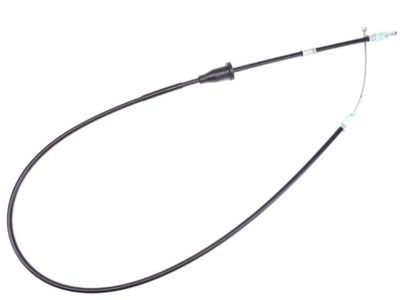
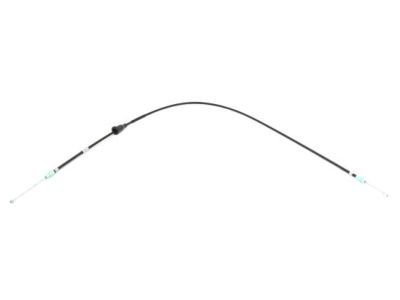
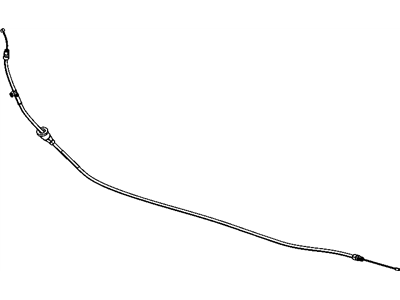

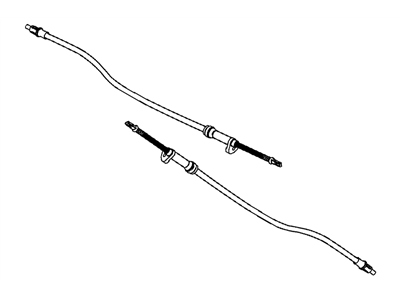
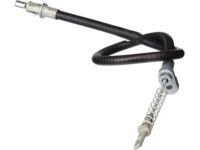
Chrysler Front Cable Part Number: 4721495AC
$69.85 MSRP: $105.00You Save: $35.15 (34%)Product Specifications- Other Name: Cable - Parking Brake; Brake Cable; Cable Parking Brake
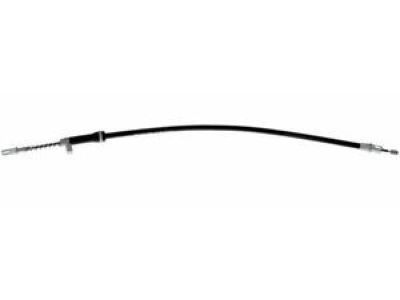
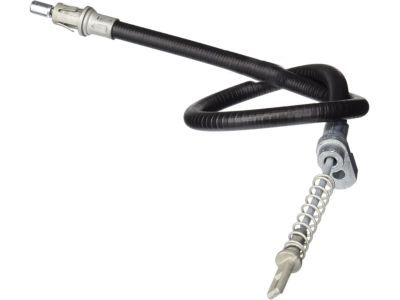
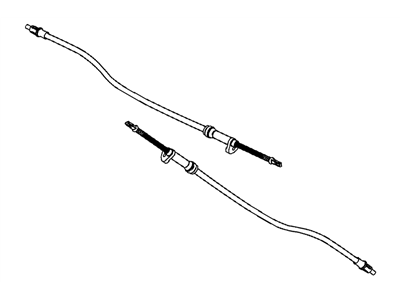
Chrysler Rear Cable Part Number: 4779592AF
$28.69 MSRP: $42.80You Save: $14.11 (33%)Product Specifications- Other Name: Cable - Parking Brake; Brake Cable; Cable Parking Brake
- Replaces: 4779592AD, 4779592AB, 4779592AC, 4779592AE
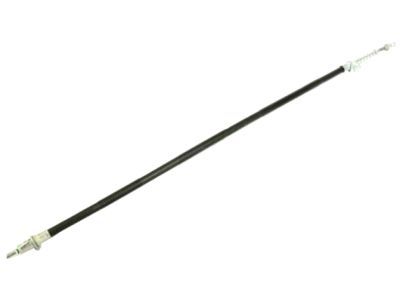
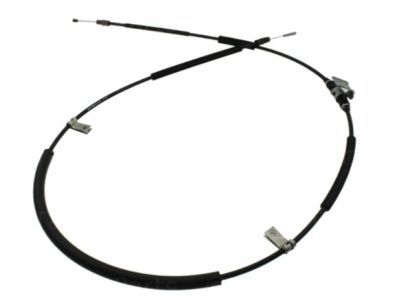
Chrysler Rear Cable Part Number: 5290824AB
$41.78 MSRP: $61.17You Save: $19.39 (32%)Ships in 1-2 Business DaysProduct Specifications- Other Name: Cable - Parking Brake; Brake Cable; Cable Parking Brake
- Replaces: 5290824AA, 4779260AD
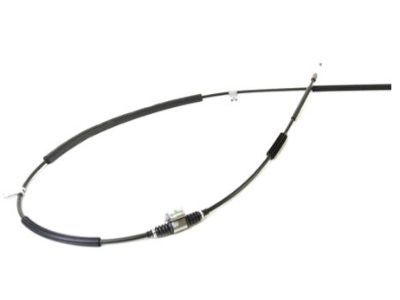
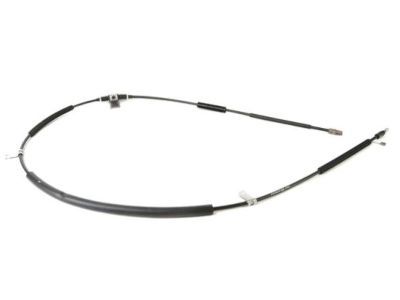
Chrysler Rear Cable Part Number: 4779807AC
$49.16 MSRP: $72.85You Save: $23.69 (33%)Ships in 1-2 Business DaysProduct Specifications- Other Name: Cable - Parking Brake; Brake Cable; Cable Parking Brake
- Replaces: 4779807AD
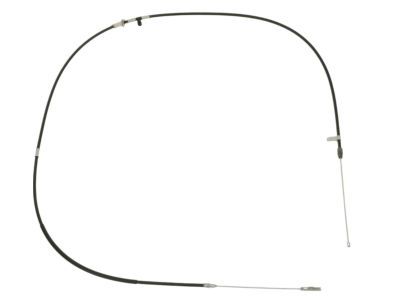
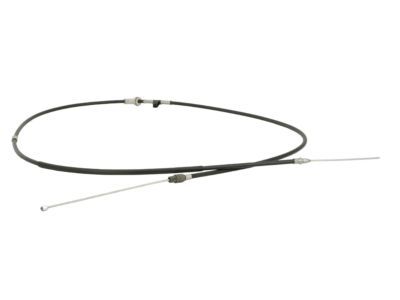
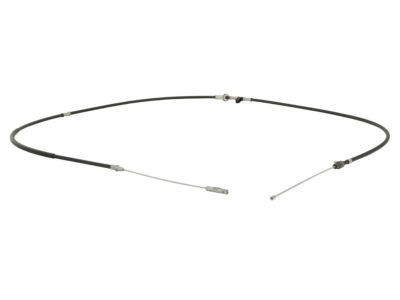
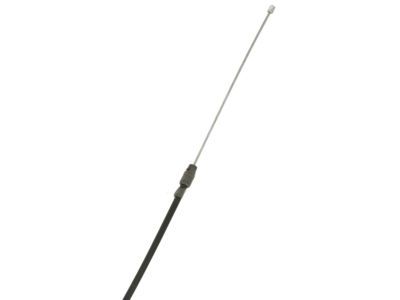
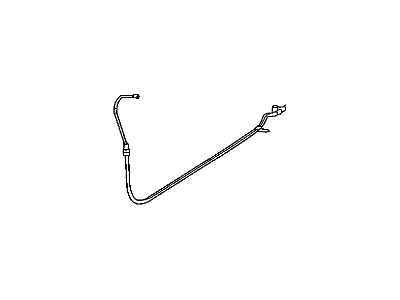
Chrysler Front Cable Part Number: 4683912AD
$50.43 MSRP: $53.90You Save: $3.47 (7%)Ships in 1-2 Business DaysProduct Specifications- Other Name: Cable - Parking Brake; Brake Cable; Cable Parking Brake
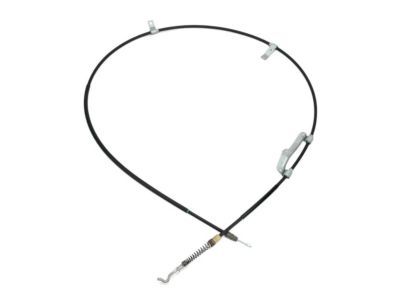
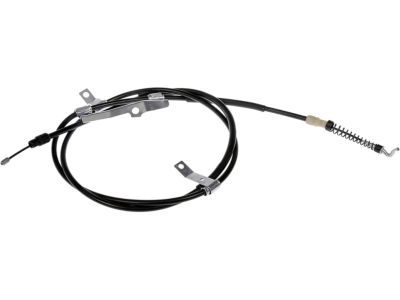
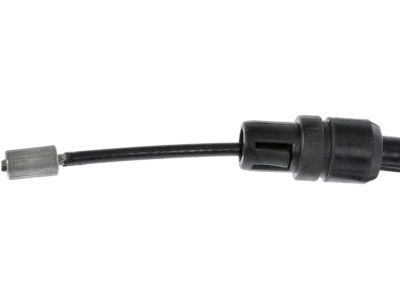
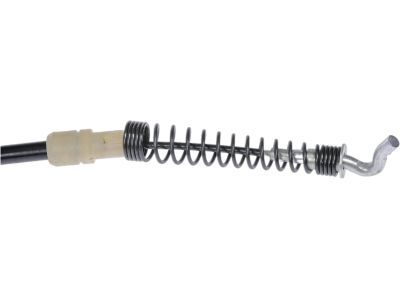
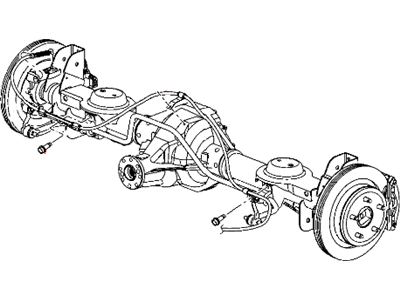
Chrysler Rear Cable Part Number: 52013002AE
$106.19 MSRP: $136.00You Save: $29.81 (22%)Ships in 1-2 Business DaysProduct Specifications- Other Name: Cable - Parking Brake; Brake Cable; Cable Parking Brake Right Rear; Cable Parking Brake
- Replaces: 52013002AC, 52013002AD
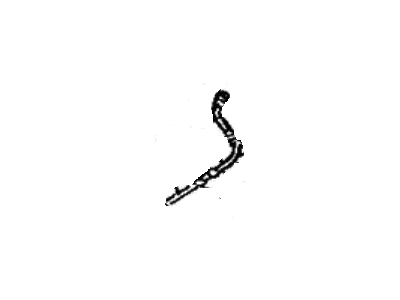
Chrysler Intermediate Cable Part Number: 4294917
$6.58 MSRP: $12.25You Save: $5.67 (47%)Ships in 1-2 Business DaysProduct Specifications- Other Name: Assembly - Parking/Brake Intake; Parking Brake Cable; Brake Cable; Cable, Parking Brake Intermediate, W/200Mm X 32.5 Mm (J Body); Cable Package, Parking Brake Intermediate (P Body)
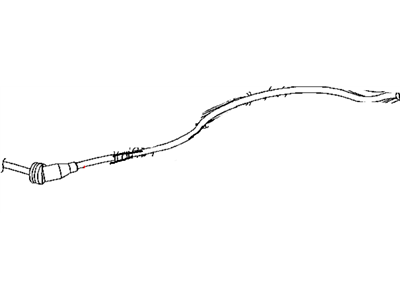
Chrysler Cable Part Number: 4860078AG
$20.22 MSRP: $68.85You Save: $48.63 (71%)Ships in 1-2 Business DaysProduct Specifications- Other Name: Cable - Parking Brake; Brake Cable
- Replaces: 4860078AE, 4860078AF
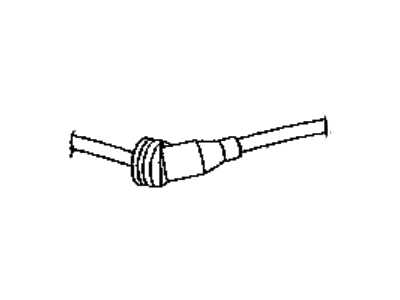
Chrysler Cable Part Number: 5273960AC
$27.72 MSRP: $53.05You Save: $25.33 (48%)Ships in 1-2 Business DaysProduct Specifications- Other Name: Cable - Parking Brake; Brake Cable; Cable Parking Brake
- Replaces: 5273960AB
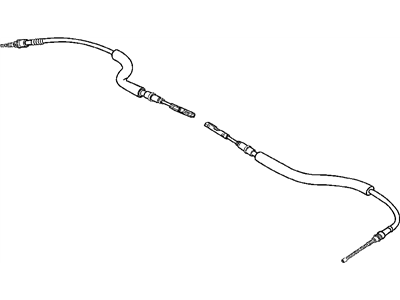
Chrysler Rear Cable Part Number: 4779183AA
$35.69 MSRP: $65.85You Save: $30.16 (46%)Ships in 1-2 Business DaysProduct Specifications- Other Name: Cable - Parking Brake; Brake Cable; Cable Parking Brake
- Replaces: 4779076
Chrysler Intermediate Cable Part Number: 4683286AF
$88.07 MSRP: $146.00You Save: $57.93 (40%)Ships in 1-2 Business DaysProduct Specifications- Other Name: Cable - Parking Brake; Brake Cable
- Replaces: 4683286AE
Chrysler Intermediate Cable Part Number: 5066142AA
$49.58 MSRP: $79.75You Save: $30.17 (38%)Ships in 1-2 Business DaysProduct Specifications- Other Name: Cable - Parking Brake
- Replaces: 4683286AB
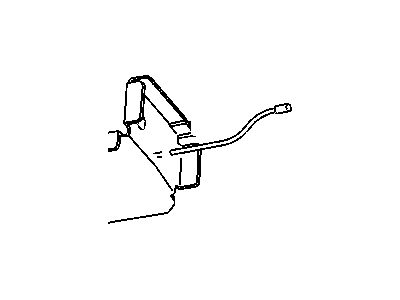
Chrysler Rear Cable Part Number: 4721026AK
$143.06 MSRP: $167.30You Save: $24.24 (15%)Ships in 1-2 Business DaysProduct Specifications- Other Name: Cable - Parking Brake; Brake Cable; Cable Parking Brake
- Replaces: 4721026AH
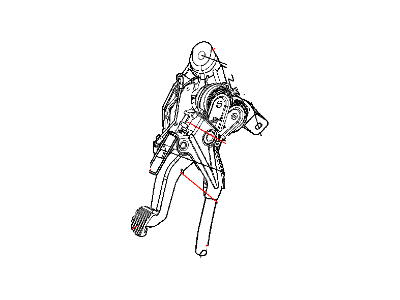
Chrysler Front Cable Part Number: 4721310AE
$59.93 MSRP: $89.85You Save: $29.92 (34%)Ships in 1-2 Business DaysProduct Specifications- Other Name: Cable - Parking Brake; Brake Cable
- Replaces: 4721310AD, 4721310AC
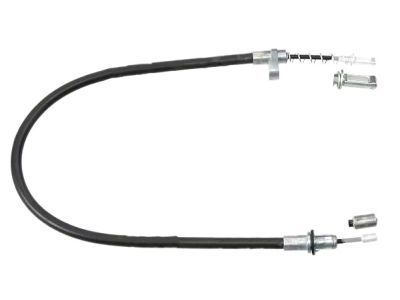
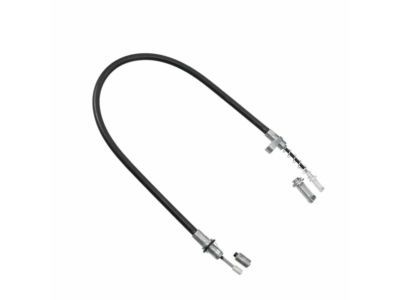
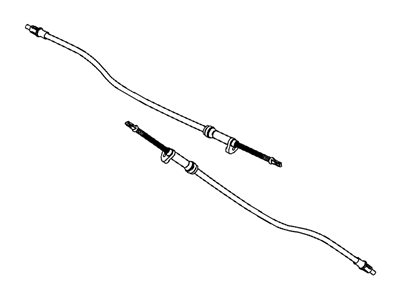
Chrysler Front Cable Part Number: 4779592AA
$12.30 MSRP: $17.70You Save: $5.40 (31%)Product Specifications- Other Name: Cable - Parking Brake; Brake Cable; Cable Parking Brake
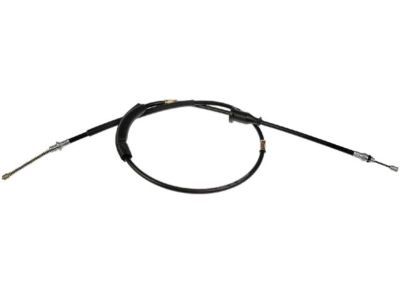
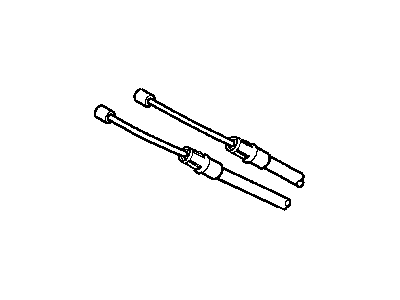
Chrysler Cable Part Number: 4779251AD
Product Specifications- Other Name: Cable - Parking Brake; Parking Brake Cable; Brake Cable; Cable Parking Brake
- Replaces: 4779251AC, 4779251AA, 4779251AB
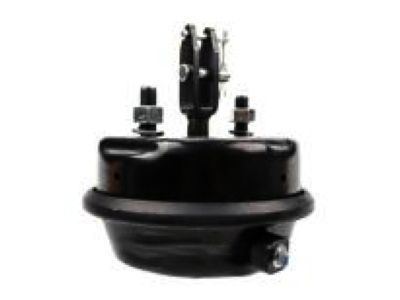
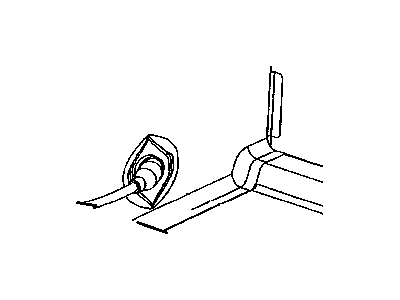
Chrysler Cable Part Number: 5273961AC
Product Specifications- Other Name: Cable - Parking Brake; Brake Cable; Cable Parking Brake
- Replaces: 5273961AB
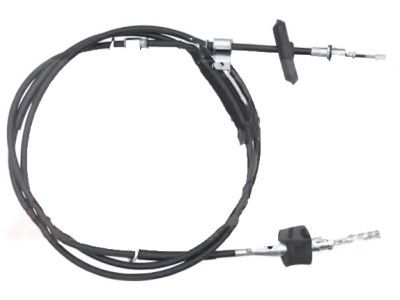
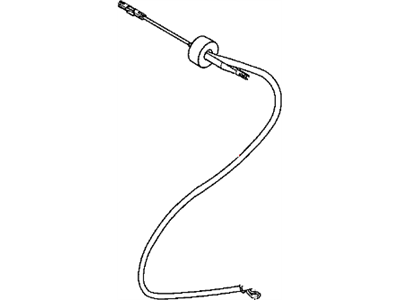
Chrysler Front Cable Part Number: 4779589AC
Product Specifications- Other Name: Cable - Parking Brake; Brake Cable; Cable Parking Brake
Chrysler Rear Cable Part Number: 4721028AJ
Product Specifications- Other Name: Cable - Parking Brake; Brake Cable; Cable Parking Brake
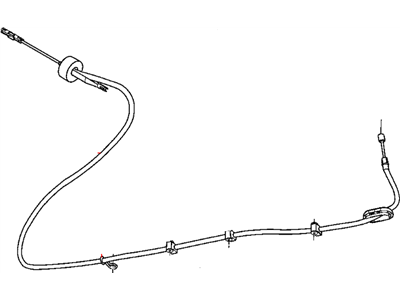
Chrysler Front Cable Part Number: 4779589AH
$64.98 MSRP: $95.85You Save: $30.87 (33%)Product Specifications- Other Name: Cable - Parking Brake; Brake Cable; Cable Parking Brake
- Replaces: 4779589AF, 4779589AG, 4779589AE, 4779589AD
| Page 1 of 5 |Next >
1-20 of 91 Results
Chrysler Parking Brake Cable
OEM parts sourced directly from Chrysler deliver superior quality, long lasting strength, and a precise fit you can trust. Each item goes through strict quality checks to ensure safety, toughness, and performance that matches your factory equipment. At JeepPartsDeal online shop, you'll get top-quality, budget-friendly OEM Chrysler Parking Brake Cable for your vehicle. We focus on giving you a high standard without pushing up the price. Our full selection of genuine factory products comes backed by the original manufacturer's warranty. You'll love our fast delivery, seamless shopping experience, and convenient return policy, saving you all the hassle.
Chrysler Parking Brake Cable is applied to secure the wheels in place to ensure that a parked car does not move. Chrysler began in 1925 and within a short time established the reputation of strong, affordable cars. The Floating Power mounts reduce engine vibration and this makes the long trip through the engine comfortable to anyone in the cabin. Such radical steps as the Airflow demonstrated that the company will experiment with new forms in order to raise comfort. The initial minivan was exhibited later with space, effortless access, and reasonable price. The company continues to pursue larger cabins, smoother rides, and touches that have practical uses in everyday life. Frequent revisions have reduced shaking, reduced road noise, and made dashboards easy to operate. All this is aimed at keeping the day-to-day commute hassle-free, be it in town or on a trans-country run. The Parking Brake Cable of any Chrysler model connects the hand lever to rear brake components and the straightforward pull is transformed into mechanical fastening of the drums or discs. A new Parking Brake Cable is stretch-resistant, prevents corrosion, and ensures that the correct amount of force is applied to hold a loaded car on a steep hill. Drivers are confident in the fact that Chrysler still uses strong steel strands and protective sleeves that shake off road dirt. Failure to take care of a fading Parking Brake Cable and stopping power, the lever moves farther than it should, and the car rolls at the inconvenient time.
Chrysler Parking Brake Cable Parts and Q&A
- Q:How is the Parking Brake Cable Installed on Chrysler 300?A:Push down the parking brake cable to the hole in the floor pan and slide the parking brake cable grommet into the same hole in the floor pan. After that, place the cable strand's end above the hook on the lever bracket and push the retainer in the bracket, letting its fingers hold the cable in position. Attach the front parking brake cable strand to the cable connector in the retaining fork, making certain that the strand is all the way into the cable connector. Lift the cable connector out with some pliers and let the lever mechanism tighten the cable for you. Reinsert the carpet into position, then set the retaining clip and put on both the driver door opening sill scuff plate and cowl side trim. Support the vehicle and when it is raised, screw in screw and routing clip nuts under the center brace, then connect cable to the body. Feed the cable above the rear crossmember and slide the cable end and housing through the equalizer located above the rear axle differential. Since the parking brake parts have little travel and are lightly springing, there is no need to use the parking brake lever for servicing. Couple the parking brake cable in front to the connector on the right rear cable. Screw into place screw that holds the routing bracket onto the crossmember's front flange. Apply the lower rear wheelhouse shield to the car and use nuts, bolt and push-pins to hold it together as you fix them firmly. Make sure the rear wheels are just above the floor, hit the brake lever, release and hit it again afterward. Put the car in gear and check that there is no movement in the rear wheels with the lever held; then release the parking brake and check if the wheels rotate well. First, use the parking brake lever and then lower the car.
- Q:How to Service and Repair a Parking Brake Cable on Chrysler Crossfire?A:The first step is to raise the vehicle, take off the wheel and tire assembly and only then deal with the parking brake cable. After that, remove the bolts holding the rear caliper in place, the rear brake rotor and the parking brake shoes. Undo the bolt that holds the parking brake cable equalizer tensioner and remove the cable from the retaining bolt at the parking brake. Take off the parking brake cable from the equalizer and tug on the parking brake shoe actuator arm so it is away from the rear wheel carrier assembly. Raise the top cover of the actuator arm to find the parking brake cable pin, push it through the arm and unhook the actuator from the cable. By releasing the bolt, free up the parking brake cable from the eyelets on the rear wheel, taking care to pull it from the vehicle. Make sure the parking brake cable is threaded through the eyelets and then hold the rear wheel carrier assembly in place using the mounting bolt, tightening it to 20 Nm. Place the cable pin inside the arm assembly to connect the actuator, then snap the cover of the actuator arm onto itself. Drop the actuator arm onto the brass pins located on the wheel carrier assembly so it does not get stuck. Fasten the parking brake cables to the cable equalizer and use the front parking brake mounting bolt to connect the equalizer. Put on the parking brake shoe assembly, rear brake rotor and rear caliper assembly bolts once more. Adjust the parking brakes, reinstall the wheel and tire setup, lower the vehicle and see if the parking brake works.
Related Chrysler Parts
 Chrysler ABS Sensor
 Chrysler Brake Caliper
 Chrysler ABS Reluctor Ring
 Chrysler Backing Plate
 Chrysler Brake Bleeder Screw
 Chrysler Brake Shoe Set
 Chrysler Hydraulic Hose
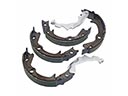 Chrysler Parking Brake Shoes
 Chrysler Wheel Bearing Dust Cap
 Chrysler Wheel Cylinder
 Chrysler Wheel Seal
 Chrysler Wheel Stud