JeepParts
My Garage
My Account
Cart
OEM Dodge Dakota Air Bag
Air Bag Module- Select Vehicle by Model
- Select Vehicle by VIN
Select Vehicle by Model
orMake
Model
Year
Select Vehicle by VIN
For the most accurate results, select vehicle by your VIN (Vehicle Identification Number).
18 Air Bags found


Dodge Dakota Inflator Curtain, Driver Side Part Number: 55365009AD
$474.03 MSRP: $690.00You Save: $215.97 (32%)Dodge Dakota Inflator Curtain, Passenger Side Part Number: 55365008AD
$421.36 MSRP: $614.00You Save: $192.64 (32%)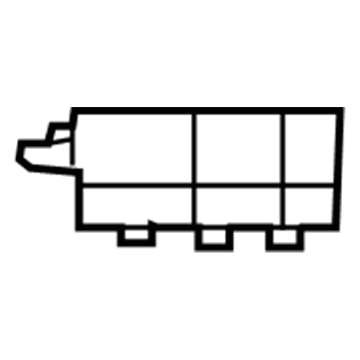
Dodge Dakota Passenger Inflator Module, Upper Passenger Side Part Number: XJ23XDHAI
$1654.53 MSRP: $2415.00You Save: $760.47 (32%)Ships in 1-3 Business DaysDodge Dakota Passenger Air Bag, Slate Gray, Upper Passenger Side Part Number: 1EM32XDHAE
$696.16 MSRP: $1015.00You Save: $318.84 (32%)Ships in 1-3 Business DaysDodge Dakota Inflator Curtain, Driver Side Part Number: 55365011AD
$571.36 MSRP: $832.00You Save: $260.64 (32%)Ships in 1-3 Business DaysDodge Dakota Inflator Curtain, Passenger Side Part Number: 55365010AD
$677.84 MSRP: $989.00You Save: $311.16 (32%)Ships in 1-3 Business Days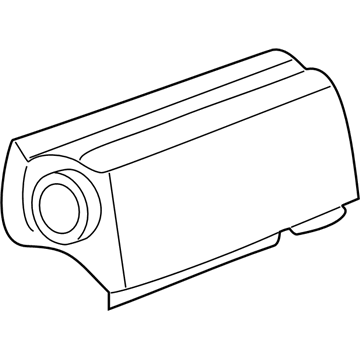

Dodge Dakota Passenger Air Bag, Brown, Upper Passenger Side Part Number: 5GT03WL8AB
$311.76 MSRP: $852.00You Save: $540.24 (64%)Ships in 1-2 Business Days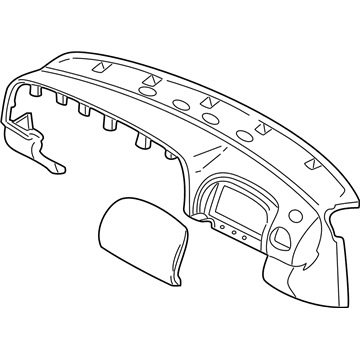

Dodge Dakota Instrument Panel, Gray Part Number: TS541C8AB
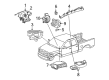
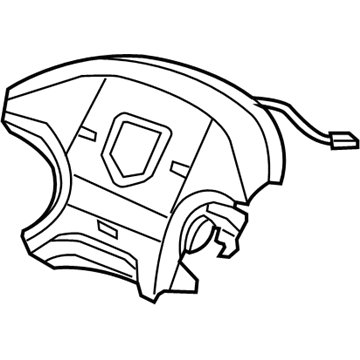
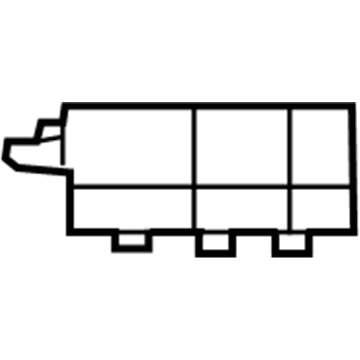
Dodge Dakota Passenger Air Bag, Slate Gray, Upper Passenger Side Part Number: 1EM32XDVAE
$896.54 MSRP: $1305.00You Save: $408.46 (32%)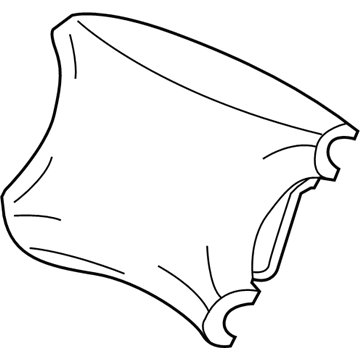

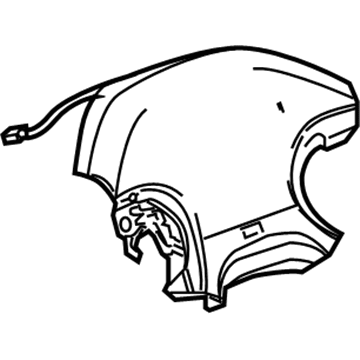
Dodge Dakota Driver Inflator Module, Driver Side Part Number: 5DE61PX8
Dodge Dakota Air Bag
Choose OEM Air Bag that meet Dodge factory standards. Dodge designs and tests every component for precision and durability. Each Air Bag follows strict manufacturing steps to lock in quality and fit. If your Dodge Dakota matters to you, OEM parts make the smart choice. You'll get the exact look, feel, and performance you expect. Shop genuine Dakota parts at the highly competitive prices online. Enjoy a manufacturer's warranty, a hassle-free return policy, and rapid delivery. No more guesswork with off brands. Get genuine parts with exact fit and true factory performance. Shop with confidence today at JeepPartsDeal.com.
Dodge Dakota Air Bag Parts and Q&A
- Q: How to Safely Install an Air Bag Following Proper Procedures on Dodge Dakota?A:Before installing the driver air bag, stop the Supplemental Restraint System (SRS) by removing and isolating the negative Battery Cable and wait for two more minutes after that. Make sure there is no debris inside the driver air bag and no material fits between the air bag cushion and the trim cover and don't paint the driver air bag trim cover because this could change how the air bag works. If air bag is either defective or damaged but you did not receive a signal, deal with it based on the procedures advised for non-deployed air bag systems. It is important to follow service best practices after deployment before removing your network equipment. Place the driver air bag beside the Steering Wheel so you can connect the three electrical lines behind the air bag housing. Place the two Clock Spring driver connections into the air bag inflator receptacles and make sure each clicks in place. Put the end of the steering wheel harness connector from the horn switch into the back of the driver air bag housing, matching it with the horn switch feed pigtail connector. During installation, be sure the driver air bag is located properly in the steering wheel and that the pigtail wires and steering wheel wire harness are not restrained. In the space underneath, place two screws through the air bag and insert them into the steering wheel armature, tightening them to 10 Nm (90 in. lbs.). Never reconnect the SRS battery negative cable until after you perform the SRS system verification test after any service on an SRS component.
- Q: How to Safely Remove the Driver Air Bag on Dodge Dakota?A:First, disconnect the negative cable from the battery to turn off the SRS, then give the system capacitor two more minutes until it discharges. When working on the air bag, cover your arms, eyes and hands to stop deposits from causing irritation. Open the process by taking out the two screws that join the driver air bag to the Steering Wheel armature on the other side of the steering wheel. It's important not to pull on the horn switch feed pigtail wire since this may destroy the horn switch membrane. Pull the driver air bag away from the steering wheel to get to the three electrical connections found on the back of the air bag housing. Remove the connector on the horn switch feed wire from the other connector on the back of the driver air bag housing. Be careful to not touch the Clock Spring pigtail wires and avoid pushing on the connector insulator as you might damage the air bag circuits. Each Clock Spring driver air bag pigtail wire connector is held by a latch; press down on the latch on every side to free the insulators and pull them straight out to release them. Afterwards, take out the driver air bag from the steering wheel. Replacement of the Clock Spring is necessary whenever the air bag is deployed.
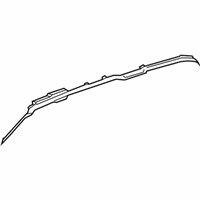
Related Dodge Dakota Parts
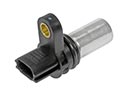 Dodge Dakota Camshaft Position Sensor
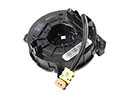 Dodge Dakota Clock Spring
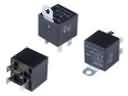 Dodge Dakota Fuel Pump Relay
 Dodge Dakota Headlight Switch
 Dodge Dakota Air Bag Control Module
 Dodge Dakota Air Bag Sensor
 Dodge Dakota Back Up Light Switch
 Dodge Dakota Distributor Rotor
 Dodge Dakota Engine Control Module
 Dodge Dakota Intake Manifold Temperature Sensor
 Dodge Dakota Oil Pressure Switch
 Dodge Dakota Relay