JeepParts
My Garage
My Account
Cart
OEM Jeep Liberty Intake Manifold
Engine Intake Manifold- Select Vehicle by Model
- Select Vehicle by VIN
Select Vehicle by Model
orMake
Model
Year
Select Vehicle by VIN
For the most accurate results, select vehicle by your VIN (Vehicle Identification Number).
7 Intake Manifolds found
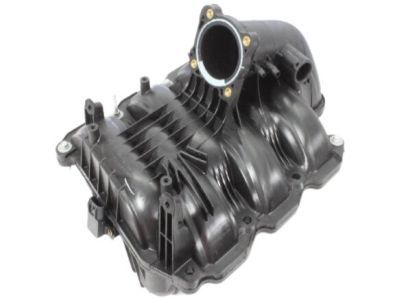
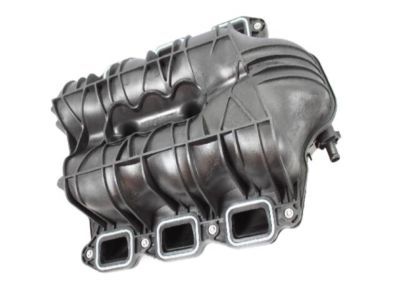
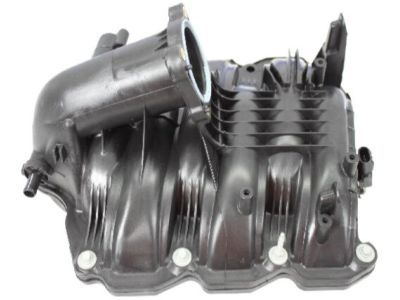
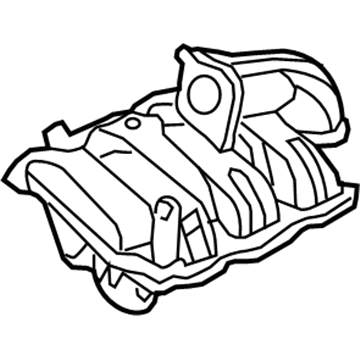
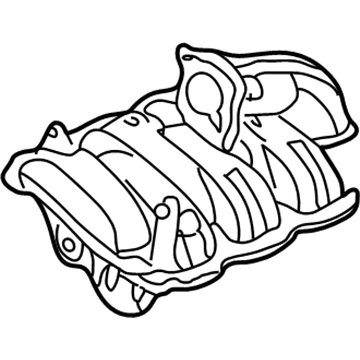
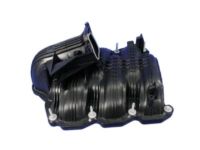
Jeep Liberty Intake Manifold Part Number: 53034181AD
$267.41 MSRP: $404.00You Save: $136.59 (34%)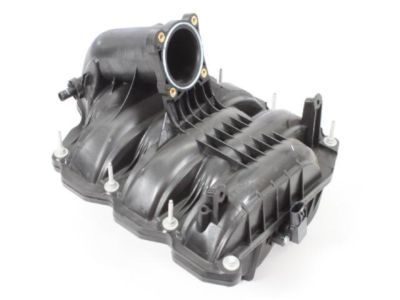
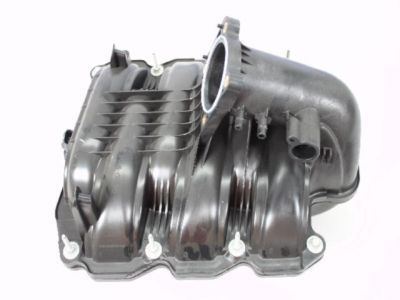
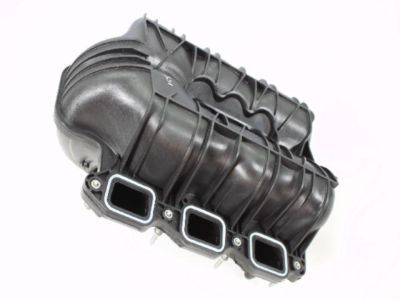
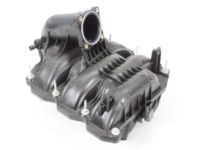
Jeep Liberty Intake Manifold Part Number: 53032999AD
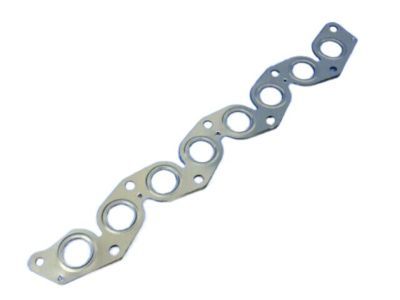
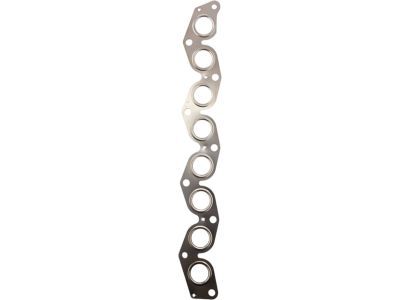
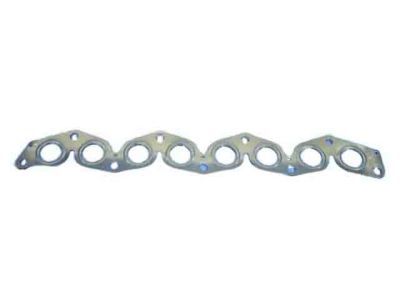
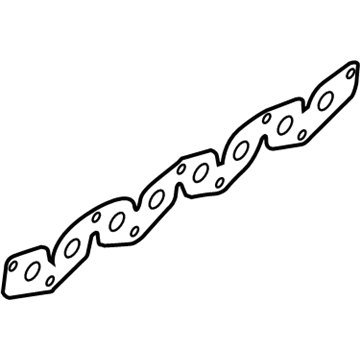
Jeep Liberty Exhaust Manifold Gasket Part Number: 5093904AA
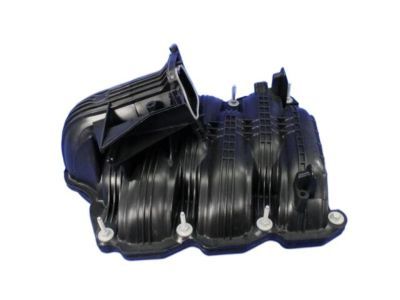
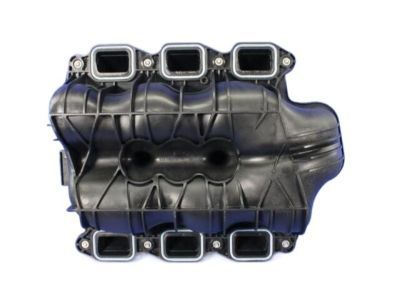
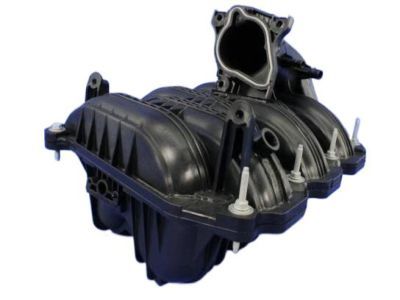
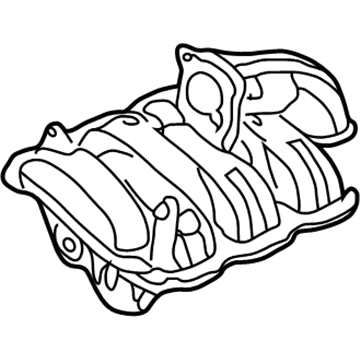
Jeep Liberty Intake Manifold Part Number: 53031080AE
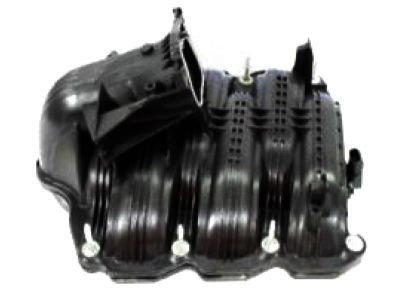
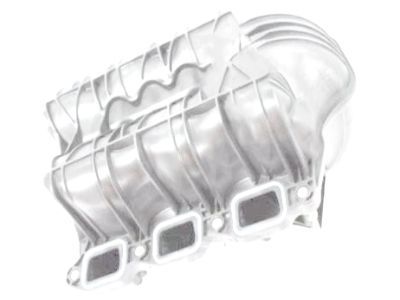
Jeep Liberty Intake Manifold Part Number: 53032795AC
Jeep Liberty Intake Manifold Part Number: 53031080AF
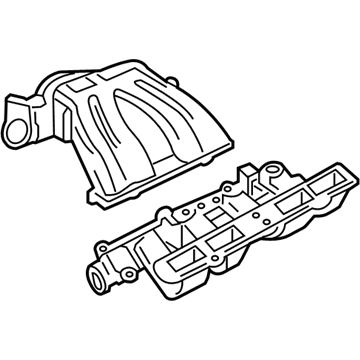
Jeep Liberty Intake Manifold Part Number: 53013664AA
Jeep Liberty Intake Manifold
Choose OEM Intake Manifold that meet Jeep factory standards. Jeep designs and tests every component for precision and durability. Each Intake Manifold follows strict manufacturing steps to lock in quality and fit. If your Jeep Liberty matters to you, OEM parts make the smart choice. You'll get the exact look, feel, and performance you expect. Shop genuine Liberty parts at the highly competitive prices online. Enjoy a manufacturer's warranty, a hassle-free return policy, and rapid delivery. No more guesswork with off brands. Get genuine parts with exact fit and true factory performance. Shop with confidence today at JeepPartsDeal.com.
Jeep Liberty cars' Intake Manifold is one of the vital engines' components since It has the responsibility of delivering air or air/fuel mixture to the several cylinders influencing the power and performance of the engine. It works by drawing air from the throttle body, and the designs differs according to the types of engines they are, carbureted, throttle body injected, or multiport fuel injected. Current Jeep Liberty models use plastic composite material for their intake manifolds, they are lighter and more efficient heat sink than cast iron or aluminum. Some varieties of Intake Manifold for example variable-length intake manifolds (VLIM), work by altering the length of the intake tract to allow the optimal flow and pressure in relation to the load on the engine. This involves enhanced ability in producing power outputs within the jeep liberty as well as efficiency owning to improvements in materials technology.
Jeep Liberty Intake Manifold Parts and Q&A
- Q:How to Remove and Reinstall an Intake Manifold on Jeep Liberty?A:The first thing to do is remove the cable from the inlet air temperature sensor and the negative cable from the battery. After that, take out the air intake tube from the Throttle Body and remove the upper air cleaner housing. Remove each connector from the TPS, IAC motor and MAP Sensor. Eliminate the lines attached to the purge solenoid and PCV Valve, as well as the lines for the power Brake Booster, LDP, EGR transducer and speed control vacuum reservoir where they are joined at the intake manifold. Take off the throttle, speed control (if present) and transaxle control cables from their attachment to the throttle lever and bracket. Remove the fuel line, Coolant Temperature Sensor/fuel injector wire harness connector and fuel injector harness only after releasing the fuel system. Detach the intake manifold from the cylinder head and quickly remove the manifold from your engine, ensuring you protect the openings to keep out any debris. Check the manifold to make sure it is flat, being sure it doesn't deviate more than 0.15 mm per 300 mm (0.006 inch per foot) and replace it if you find any cracks or warping. Begin installation by cleaning the manifold sealing surfaces, installing new manifold to cylinder-head seals and then putting it onto the head. Turn each intake manifold screw to 28 Nm (250 inch lbs.), using the correct order, until every bolt meets the required strength. Put the Throttle Cables back into the bracket and link the throttle, speed control (if applicable) cables to the throttle lever. Then, at the fittings on the upper intake manifold, reconnect the vacuum lines used by the EGR, brake booster, speed control, LDP, purge valve and PCV valve. Hook up the power for the MAP sensor, TPS and IAC motor and then plug in the line for the fuel and connect the coolant temperature sensor/fuel injector wiring harness. At this stage, secure the air cleaner housing and air intake tube to the throttle body, connect the inlet air temperature sensor cord and link the vehicle's negative cable back to the battery.
- Q:How to Service and Repair an Intake Manifold on Jeep Liberty?A:Before serving or repairing the intake manifold, bleed the fuel system and unplug the negative battery cable. After that, take out the resonator assembly and air inlet hose and drain the cooling system below the level where the Coolant Temperature Sensor is. First, remove the ETC connector, then unplug the coolant temperature sensor's electrical connectors and those for the MAP Sensor. At this step, you should take out the vapor purge hose, the brake booster hose and the PCV hose. Pull out the ignition coil towers and remove the bolt holding the top oil dipstick tube, after that remove the EGR tube. Then, remove both the Fuel Rail and the Throttle Body assembly. Unscrew the nuts holding the intake manifold, starting with the last ones you tightened and going backward one at a time, before you take out the intake manifold.
Related Jeep Liberty Parts
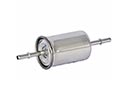 Jeep Liberty Fuel Filter
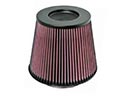 Jeep Liberty Air Filter
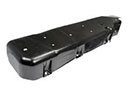 Jeep Liberty Fuel Tank Skid Plate
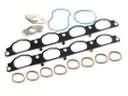 Jeep Liberty Intake Manifold Gasket
 Jeep Liberty Air Duct
 Jeep Liberty Air Filter Box
 Jeep Liberty Air Intake Coupling
 Jeep Liberty Air Intake Hose
 Jeep Liberty Fuel Filler Neck
 Jeep Liberty Fuel Tank Lock Ring
 Jeep Liberty Fuel Water Separator Filter
 Jeep Liberty Idle Control Valve