JeepParts
My Garage
My Account
Cart
OEM Dodge Ram 3500 Air Bag
Air Bag Module- Select Vehicle by Model
- Select Vehicle by VIN
Select Vehicle by Model
orMake
Model
Year
Select Vehicle by VIN
For the most accurate results, select vehicle by your VIN (Vehicle Identification Number).
41 Air Bags found
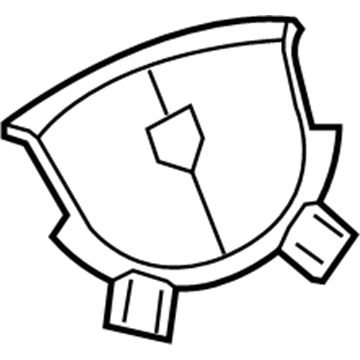
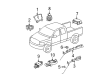
Dodge Ram 3500 Driver Inflator Module, Gray, Driver Side Part Number: 1EF19XDVAJ
$1083.17 MSRP: $1580.00You Save: $496.83 (32%)Ships in 1-3 Business Days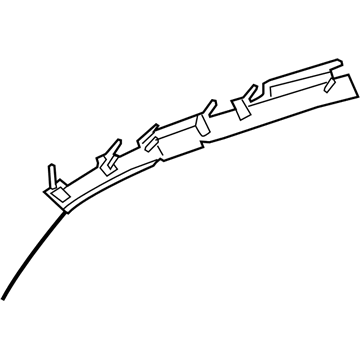
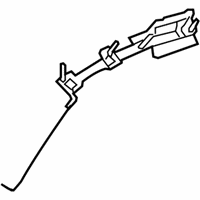
Dodge Ram 3500 Inflator Curtain, Passenger Side Part Number: 52029426AI
$700.74 MSRP: $1020.00You Save: $319.26 (32%)Ships in 1-3 Business Days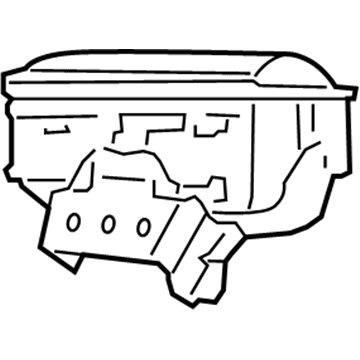
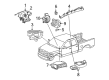
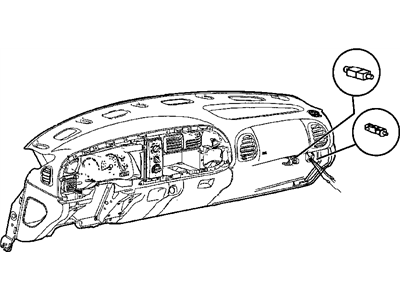
Dodge Ram 3500 Passenger Air Bag, Upper Passenger Side Part Number: ZK29ZJ8AE
$2444.58 MSRP: $3560.00You Save: $1115.42 (32%)Ships in 1-3 Business Days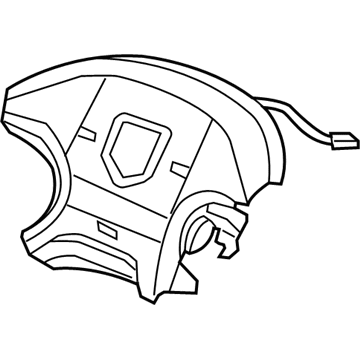
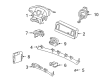
Dodge Ram 3500 Driver Air Bag, Gray, Driver Side Part Number: 5JA88XDVAC
$828.23 MSRP: $1049.93You Save: $221.70 (22%)Ships in 1-2 Business DaysDodge Ram 3500 Inflator Curtain, Passenger Side Part Number: 52029422AF
$312.71 MSRP: $461.00You Save: $148.29 (33%)Ships in 1-3 Business Days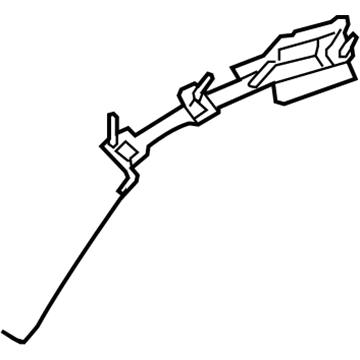
Dodge Ram 3500 Side Impact Inflator Module, Driver Side Part Number: 4649141AE
$637.77 MSRP: $929.00You Save: $291.23 (32%)Ships in 1-3 Business DaysDodge Ram 3500 Inflator Curtain Part Number: 52029446AD
$452.28 MSRP: $663.00You Save: $210.72 (32%)Ships in 1-3 Business DaysDodge Ram 3500 Side Impact Inflator Module, Passenger Side Part Number: 4649140AE
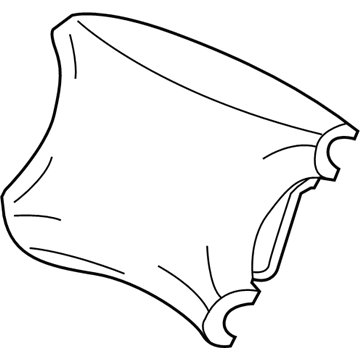
$637.77 MSRP: $929.00You Save: $291.23 (32%)Ships in 1-3 Business DaysDodge Ram 3500 Driver Inflator Module, Driver Side Part Number: 1EF19BD3AJ
$1051.11 MSRP: $1535.00You Save: $483.89 (32%)Ships in 1-3 Business Days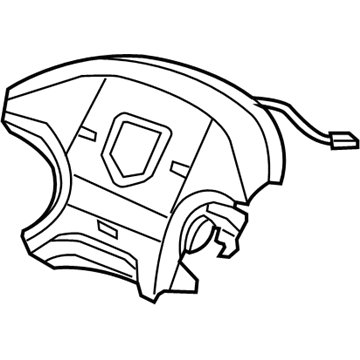
Dodge Ram 3500 Driver Inflator Module, Taupe, Driver Side Part Number: XE29WL8AD
$364.11 MSRP: $530.00You Save: $165.89 (32%)Ships in 1-3 Business DaysDodge Ram 3500 Inflator Curtain, Driver Side Part Number: 52029427AI
$713.34 MSRP: $1045.00You Save: $331.66 (32%)Dodge Ram 3500 Inflator Curtain, Driver Side Part Number: 52029447AH
$433.96 MSRP: $632.00You Save: $198.04 (32%)Ships in 1-3 Business Days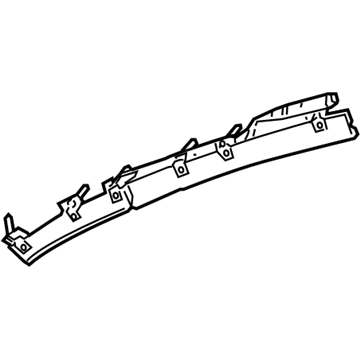
Dodge Ram 3500 Side Impact Inflator Module, Driver Side Part Number: 4649145AF
$898.83 MSRP: $1310.00You Save: $411.17 (32%)Ships in 1-3 Business DaysDodge Ram 3500 Driver Inflator Module, Beige, Driver Side Part Number: 1EF19GTVAJ
$953.79 MSRP: $1390.00You Save: $436.21 (32%)Dodge Ram 3500 Inflator Curtain, Driver Side Part Number: 52029423AF
$559.91 MSRP: $816.00You Save: $256.09 (32%)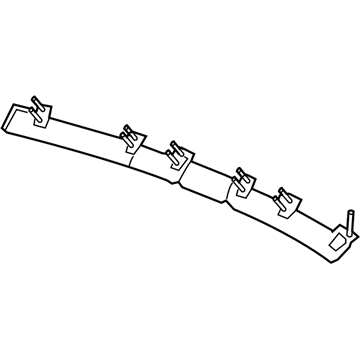

| Page 1 of 3 |Next >
1-20 of 41 Results
Dodge Ram 3500 Air Bag
Choose OEM Air Bag that meet Dodge factory standards. Dodge designs and tests every component for precision and durability. Each Air Bag follows strict manufacturing steps to lock in quality and fit. If your Dodge Ram 3500 matters to you, OEM parts make the smart choice. You'll get the exact look, feel, and performance you expect. Shop genuine Ram 3500 parts at the highly competitive prices online. Enjoy a manufacturer's warranty, a hassle-free return policy, and rapid delivery. No more guesswork with off brands. Get genuine parts with exact fit and true factory performance. Shop with confidence today at JeepPartsDeal.com.
Dodge Ram 3500 Air Bag Parts and Q&A
- Q: How to Install a New Air Bag for Passengers on Dodge Ram 3500?A:Before you install a passenger air bag, cut off the power to the SRS by removing and isolating the negative Battery Cable for two minutes. Prevent objects from entering inside the passenger air bag and do not coat the passenger air bag door with paint because it could influence how well the bag works. Position the air bag and air bag door assembly together through the top opening in the instrument base, so you see the rear edge of the lower bracket hooked onto the instrument panel air bag support bracket and the anti-rotation wings go into the holes on the lower bracket. Clamp the two screws that secure the lower bracket to the support bracket to 6 Nm (55 in. lbs.) during installation. Press the inflator pigtail wire onto the plastic retainer plate on the support bracket's right side until it snaps in correctly. Be sure that the latch on the instrument panel connector latches with the cable's end connector, also known as the passenger air bag pigtail. Put the interlocking tabs on the passenger air bag door into the slots in the instrument panel base trim, then push down the air bag panel over the snap features so it snaps into place. Put back the Glove Box and the top cover into the instrument panel. Negative battery cable reconnection shouldn't happen until you have finished the verification test after servicing anything to do with SRS.
- Q: How to Safely Remove and Replace a Side Curtain Air Bag on Dodge Ram 3500?A:Before removing or replacing a side air bag, first unhook and isolate the battery negative cable to deactivate the SRS, wait two minutes and then proceed. Prevent possible injury from air bag chemicals by covering your hands and eyes and make sure you are wearing a long-sleeved shirt. Be sure that no foreign elements get into the side curtain air bag or become trapped between it and the top of the vehicle. If the air bag is not working properly but has not been deployed, handle the non-deployed supplemental restraint the recommended way. When you plan to remove a system, read the procedures for service after deployment first. You should begin with disconnecting the battery negative cable and detaching the headliner. On mega cab vehicles, take out the screw and pull on the two retainers to remove the side curtain air bag rear tether from the inner C-pillar. Following that, take out the screw that is securing the air bag front tether retainer, then disconnect both front tether plastic retainer clips from the A-pillar. Pull out the body wire harness connector of the side curtain air bag from its place in the inflator connector receptacle. Pull out the screws attached from front to back to free the inflator bracket from the spring nuts in the rail running above. Next, remove the plastic push-in fasteners attaching the side curtain air bag to the roof rail and take out the air bag as one.
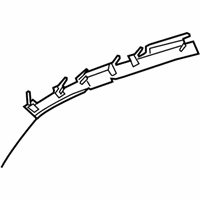
Related Dodge Ram 3500 Parts
 Dodge Ram 3500 Air Bag Control Module
 Dodge Ram 3500 Air Bag Sensor
 Dodge Ram 3500 Clock Spring
 Dodge Ram 3500 Dimmer Switch
 Dodge Ram 3500 Distributor
 Dodge Ram 3500 Fuse
 Dodge Ram 3500 Headlight Switch
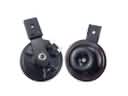 Dodge Ram 3500 Horn
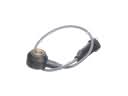 Dodge Ram 3500 Knock Sensor
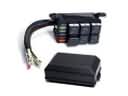 Dodge Ram 3500 Relay Block
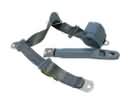 Dodge Ram 3500 Seat Belt
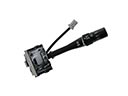 Dodge Ram 3500 Wiper Switch