JeepParts
My Garage
My Account
Cart
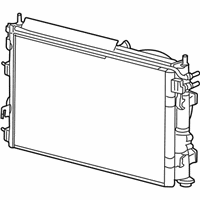
OEM Chrysler Sebring A/C Condenser
Air Conditioning Condenser- Select Vehicle by Model
- Select Vehicle by VIN
Select Vehicle by Model
orMake
Model
Year
Select Vehicle by VIN
For the most accurate results, select vehicle by your VIN (Vehicle Identification Number).
9 A/C Condensers found
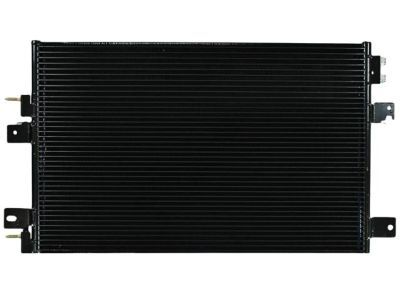
Chrysler Sebring Condenser Part Number: 68004053AA
$214.49 MSRP: $318.89You Save: $104.40 (33%)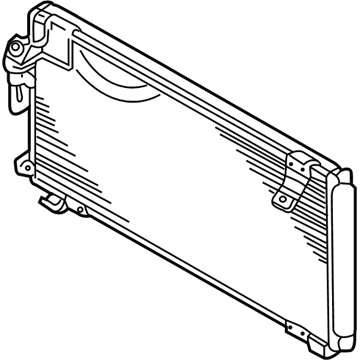
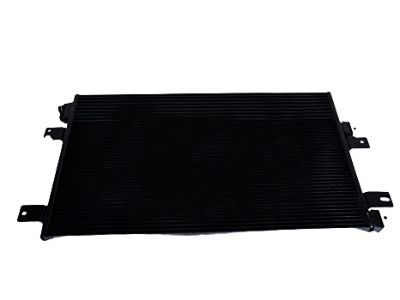
Chrysler Sebring Condenser Part Number: 7812A066
$110.87 MSRP: $636.00You Save: $525.13 (83%)Ships in 1-2 Business Days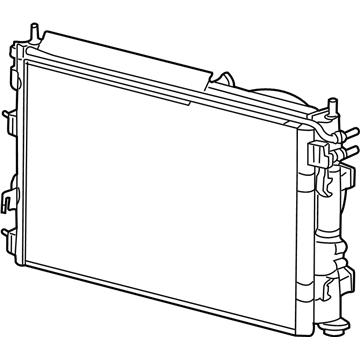

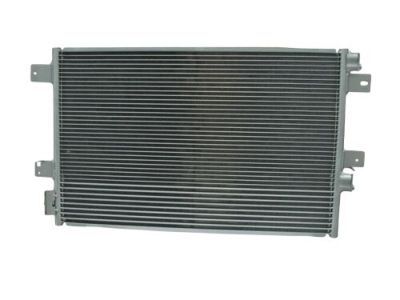
Chrysler Sebring Condenser Part Number: 5096228AA
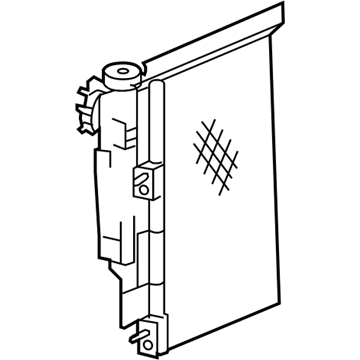
$235.66 MSRP: $347.00You Save: $111.34 (33%)Ships in 1-3 Business DaysChrysler Sebring Condenser Part Number: 5017621AA
$235.66 MSRP: $347.00You Save: $111.34 (33%)Ships in 1-3 Business Days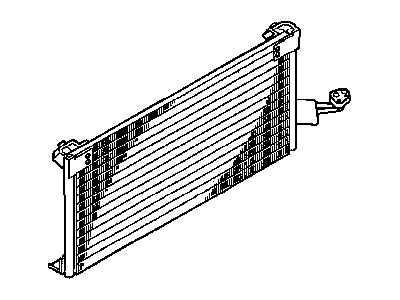
Chrysler Sebring Condenser Part Number: MR500408
$86.08 MSRP: $109.12You Save: $23.04 (22%)Ships in 1-2 Business Days
Chrysler Sebring Condenser Part Number: MR227959
Chrysler Sebring Condenser Part Number: 5011395AE
Chrysler Sebring Condenser Part Number: 7812A067
Chrysler Sebring Condenser Part Number: 5143537AB
Chrysler Sebring A/C Condenser
Choose OEM A/C Condenser that meet Chrysler factory standards. Chrysler designs and tests every component for precision and durability. Each A/C Condenser follows strict manufacturing steps to lock in quality and fit. If your Chrysler Sebring matters to you, OEM parts make the smart choice. You'll get the exact look, feel, and performance you expect. Shop genuine Sebring parts at the highly competitive prices online. Enjoy a manufacturer's warranty, a hassle-free return policy, and rapid delivery. No more guesswork with off brands. Get genuine parts with exact fit and true factory performance. Shop with confidence today at JeepPartsDeal.com.
The A/C Condenser in Chrysler Sebring is in effect, a heat exchanger that evaporates the gaseous refrigerant and coverts it to a liquid form before entering the accumulator. Normally located ahead of the radiator, the A/C Condenser is a group of tubes through which this process occurs. Newer Chrysler Sebring models may have employed varied designs and structures of an A/C Condenser and although differences are obviously exhibited, no special mention is given. The basic function remains the same in all of these models and is centered on cool the refrigerant properly so that proper air conditioning job is done in the vehicle. The A/C Condenser plays a critical role in the comfort of Chrysler Sebring cabin and therefore its performance needs to be optimum.
Chrysler Sebring A/C Condenser Parts and Q&A
- Q:How to remove an A/C condenser on Chrysler Sebring?A:Before doing anything else, remove and isolate the negative Battery Cable and then recover any refrigerant. Front fascia should be removed on 2.0L diesel models, but not for those with a gasoline engine. From there, take out the upper Radiator mounts from the support on fuel-powered cars and gently move the radiator back for access to the A/C condenser. Get rid of the nut that holds the A/C discharge line to the discharge jumper line on the A/C condenser's right side, remove the discharge line from the discharge jumper line and throw away the O-ring seal and gasket. After removing the nut that links the discharge jumper line to the A/C condenser, take out the bolt that holds the line to the radiator. Disconnect the discharge jumper line from the A/C condenser and throw away the O-ring seal and gasket, then put plugs into or tape over the exposed fittings of the discharge and the jumper line and also put plugs or tape over the condenser port. Lift the car up and, for gas cars, insert your hand through the gap in the front bumper to reach the A/C liquid line. Detach the nut that holds the A/C liquid line to the A/C condenser. Then, unplug the A/C liquid line from the A/C condenser, discard the O-ring and gasket and stuff plugs or tape into both the liquid line and condenser outlet ports. Undo the two bolts linking the condenser brackets to the radiator, lower down the car and-if fitted with a cooler-remove the transmission cooler lines on the left bracket of the condenser. Then, carefully lift the A/C condenser straight up, take off the two condenser brackets attached to the radiator and move the condenser away from the engine.
- Q:How to Service and Repair an A/C Condenser on Chrysler Sebring?A:If you need to fix or repair the condenser HVAC, begin by using a reliable R134a refrigerant recovery machine to remove the applied refrigerant. After that, take out the front fascia, upper radiator support cross-member and the transmission cooler lines. Then remove the A/C lines, be sure to put caps on them to stop moisture from getting into the system. The next step is to unbolt both condenser mounting bolts and free the condenser from inside the vehicle. When installing, lift the condenser part way into the vehicle and attach it to the mounting brackets with bolts. Next, connect the new O-rings, install the A/C lines and place the transmission cooler lines, upper radiator support and front fascia. After that, clear the system and charge its air conditioning.
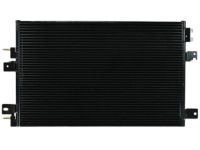
Related Chrysler Sebring Parts
 Chrysler Sebring Blower Motor Resistor
 Chrysler Sebring A/C Accumulator
 Chrysler Sebring A/C Compressor Clutch
 Chrysler Sebring A/C Compressor Cut-Out Switches
 Chrysler Sebring A/C Expansion Valve
 Chrysler Sebring A/C Hose
 Chrysler Sebring A/C Service Cap
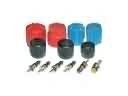 Chrysler Sebring A/C System Valve Core
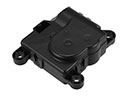 Chrysler Sebring Blend Door Actuator
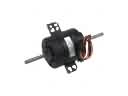 Chrysler Sebring Blower Motor
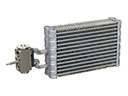 Chrysler Sebring Evaporator
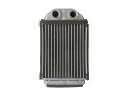 Chrysler Sebring Heater Core