JeepParts
My Garage
My Account
Cart
OEM Dodge Radiator
Cooling Radiator- Select Vehicle by Model
- Select Vehicle by VIN
Select Vehicle by Model
orMake
Model
Year
Select Vehicle by VIN
For the most accurate results, select vehicle by your VIN (Vehicle Identification Number).
125 Radiators found
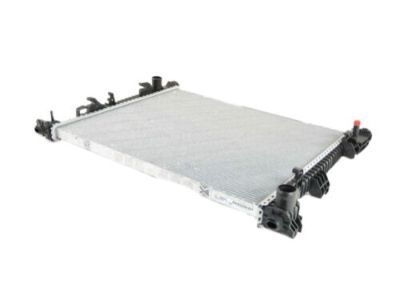
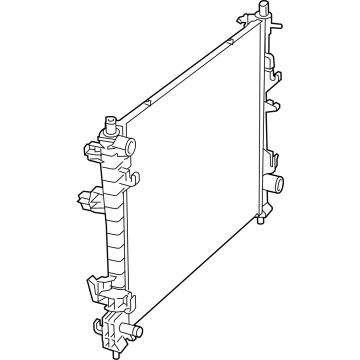
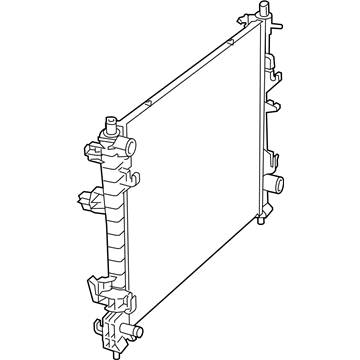
Dodge Radiator Part Number: 68273308AA
$541.45 MSRP: $819.00You Save: $277.55 (34%)Ships in 1-2 Business DaysProduct Specifications- Other Name: Radiator - Engine Cooling; Radiator Engine Cooling
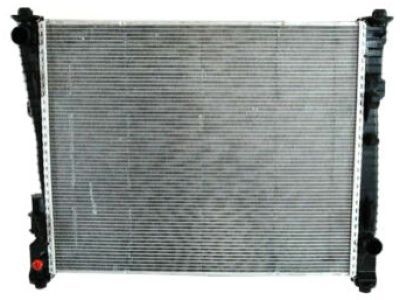
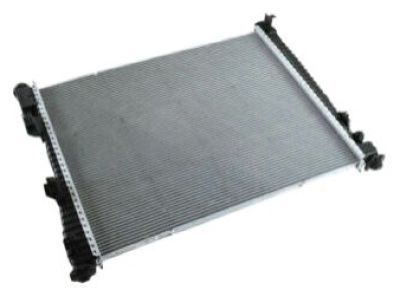
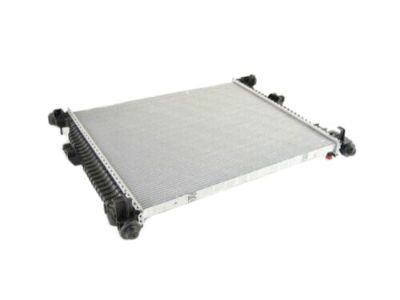
Dodge Radiator Part Number: 68244086AA
$272.94 MSRP: $413.00You Save: $140.06 (34%)Ships in 1-2 Business DaysProduct Specifications- Other Name: Radiator - Engine Cooling; Radiator Engine Cooling
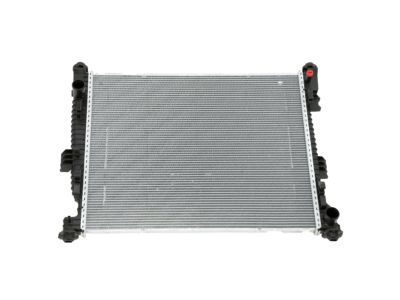
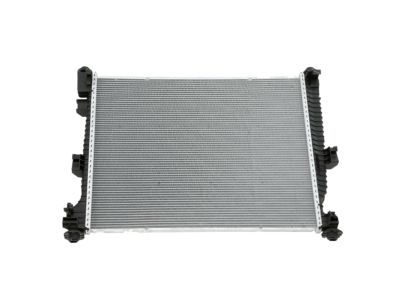
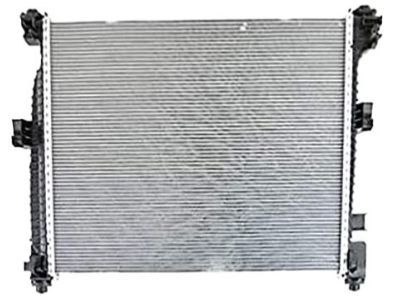
Dodge Radiator Part Number: 68244867AA
$331.50 MSRP: $502.00You Save: $170.50 (34%)Ships in 1-2 Business DaysProduct Specifications- Other Name: Radiator - Engine Cooling; Radiator Engine Cooling
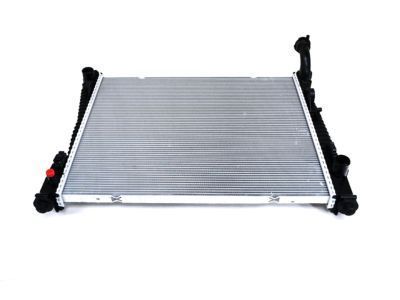
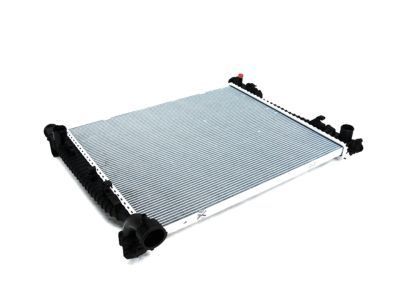
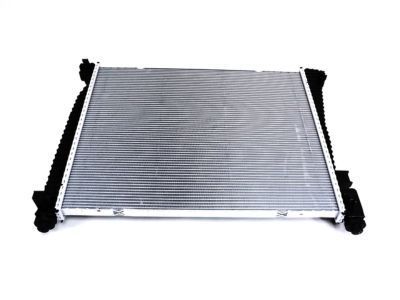
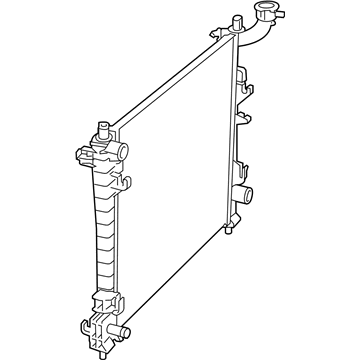
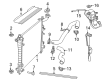
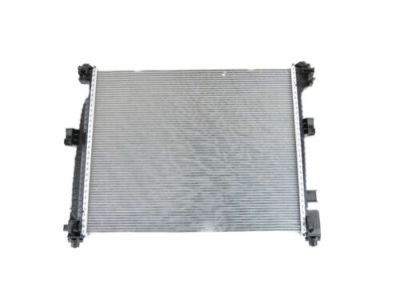
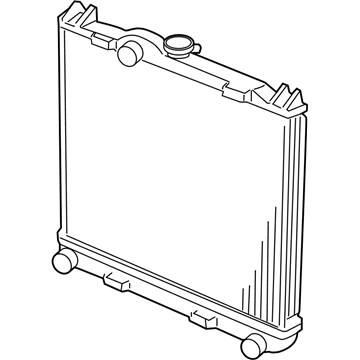
Dodge Radiator Part Number: 55038001AH
$558.03 MSRP: $845.00You Save: $286.97 (34%)Ships in 1-2 Business DaysProduct Specifications- Other Name: Radiator - Engine Cooling; Radiator Engine Cooling, 25 Pc Min Qty, Mixture And Match Pallet Program, Order at Mopar.com.
- Replaces: 55038001AG
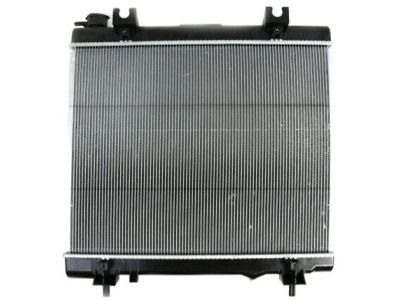
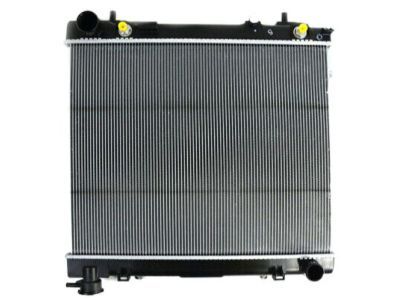
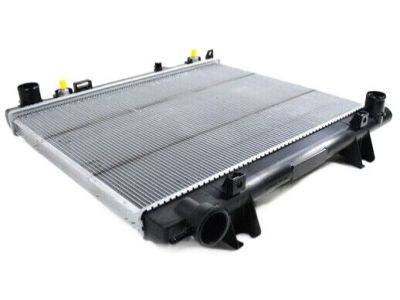
Dodge Radiator Part Number: 55056506AE
$253.51 MSRP: $337.00You Save: $83.49 (25%)Product Specifications- Other Name: Radiator - Engine Cooling; Radiator Engine Cooling, 25 Pc Min Qty, Mixture And Match Pallet Program Only, Order at Mopar.com
- Replaces: 55056506AD, 52029262AE, 52029262AD
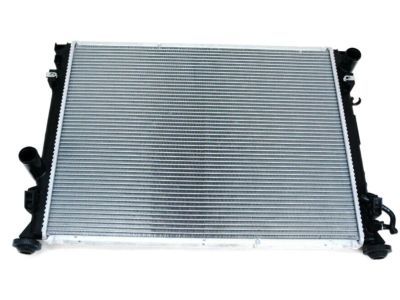
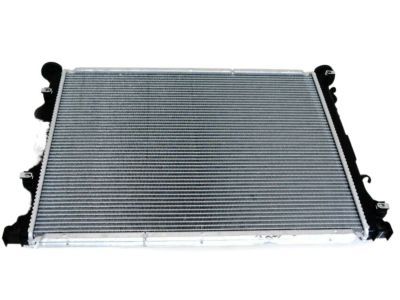
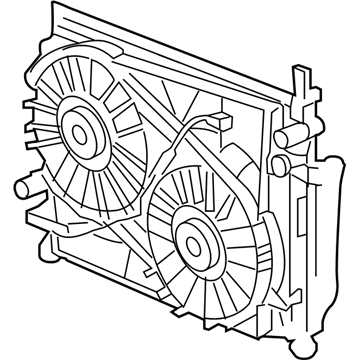
Dodge Radiator Part Number: 5137691AA
$244.21 MSRP: $369.00You Save: $124.79 (34%)Product Specifications- Other Name: Radiator - Engine Cooling; Radiator Engine Cooling
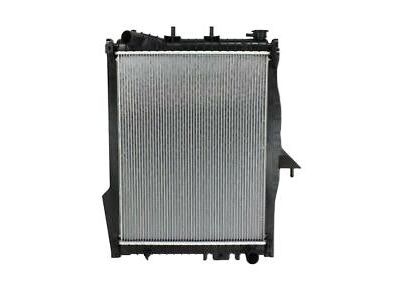
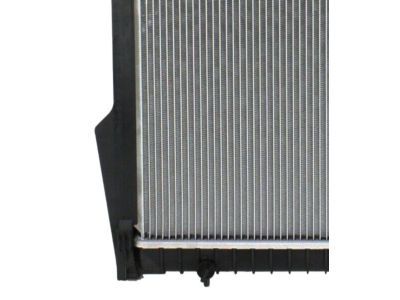
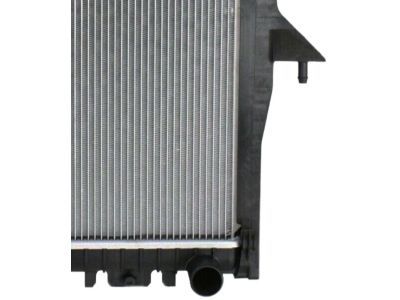
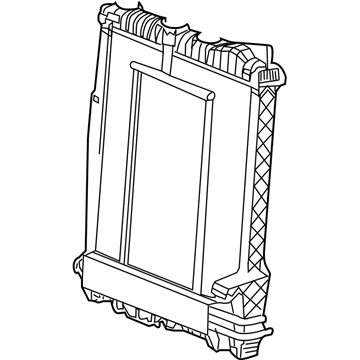
Dodge Radiator Part Number: 52029043AD
$256.36 MSRP: $388.00You Save: $131.64 (34%)Ships in 1-2 Business DaysProduct Specifications- Other Name: Radiator - Engine Cooling; Radiator Engine Cooling, 25 Pc Min Qty, Use Mopar.Com to Order, Magneti - Marelli Parts.
- Replaces: 52029043AC, 52029043AB
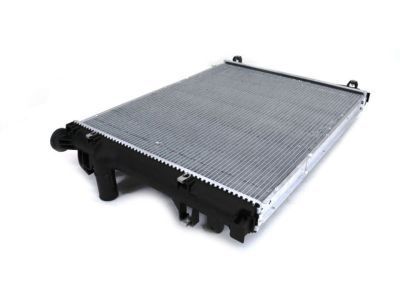
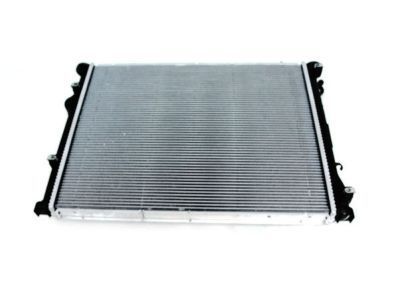
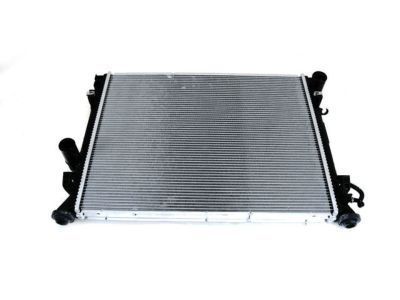
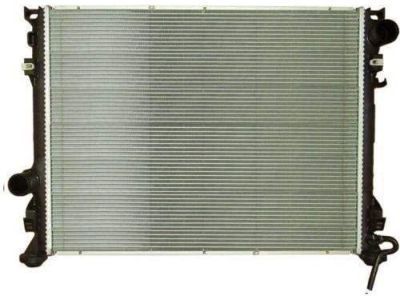
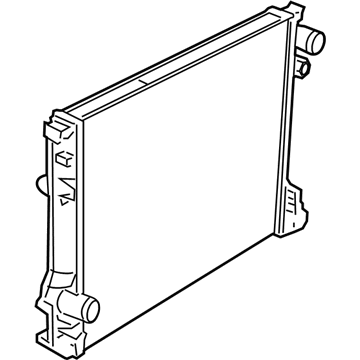
Dodge Radiator Part Number: 5170742AA
$288.92 MSRP: $425.00You Save: $136.08 (33%)Product Specifications- Other Name: Radiator - Engine Cooling; Radiator Engine Cooling, 25 Pc Min Qty, Mixture And Match Pallet Program, Order at Mopar.com.
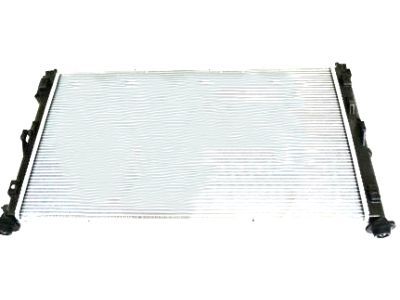
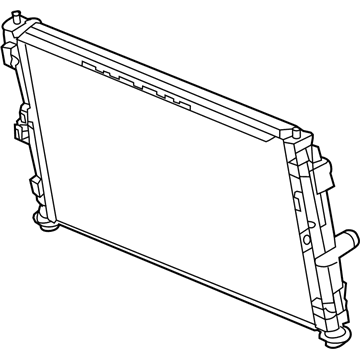
Dodge Radiator Part Number: 68004049AB
$290.62 MSRP: $439.00You Save: $148.38 (34%)Product Specifications- Other Name: Radiator - Engine Cooling; Radiator Engine Cooling, 25 Pc Min Qty, Mixture And Match Pallet Program, Order at Mopar.com.
- Replaces: 68004049AA
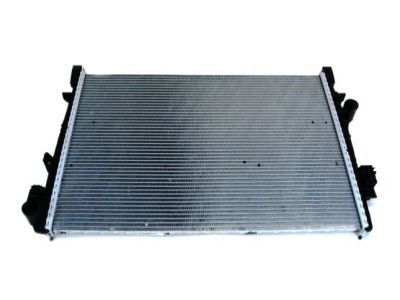
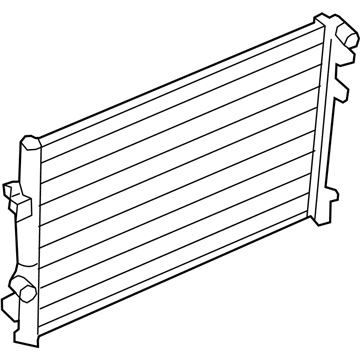
Dodge Radiator Part Number: 68038238AB
$299.46 MSRP: $453.00You Save: $153.54 (34%)Product Specifications- Other Name: Radiator - Engine Cooling; Radiator Engine Cooling
- Replaces: 68102115AA, 68038238AA
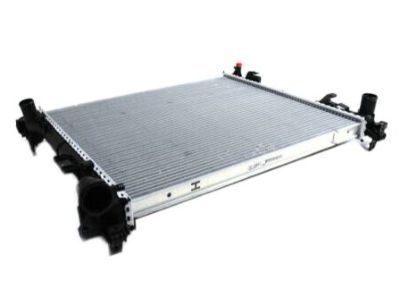
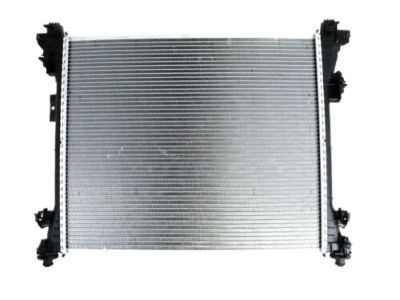
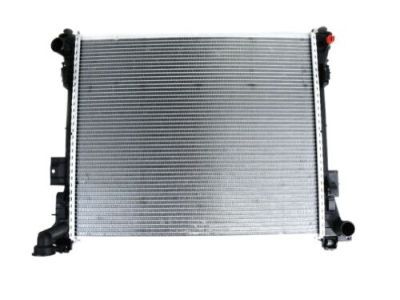
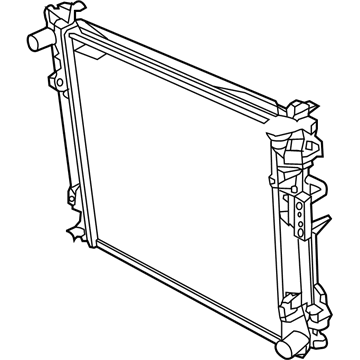
Dodge Radiator Part Number: 4677755AE
$377.91 MSRP: $571.00You Save: $193.09 (34%)Ships in 1-2 Business DaysProduct Specifications- Other Name: Radiator - Engine Cooling; Radiator Engine Cooling
- Replaces: 4677755AD, 4677755AF, 4677751AA, 4677755AA
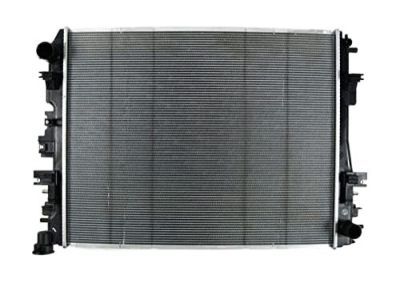
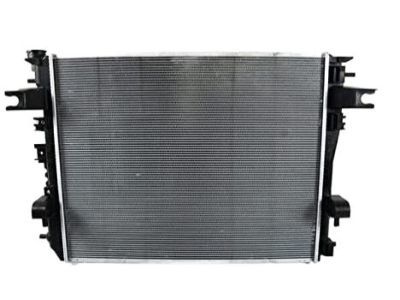
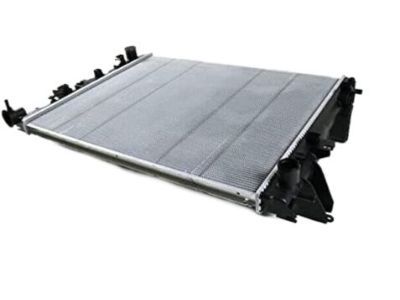
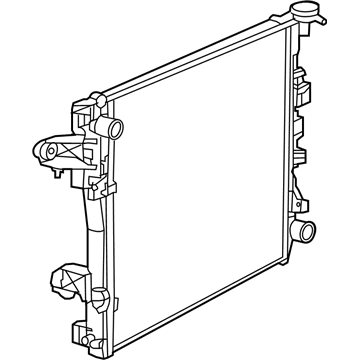
Dodge Radiator Part Number: 55056870AF
$440.90 MSRP: $665.00You Save: $224.10 (34%)Ships in 1-2 Business DaysProduct Specifications- Other Name: Radiator - Engine Cooling; Radiator Engine Cooling
- Replaced by: 55056870AG
- Replaces: 55056870AC, 55056870AB, 55056870AD, 55056870AE, 55056870AA
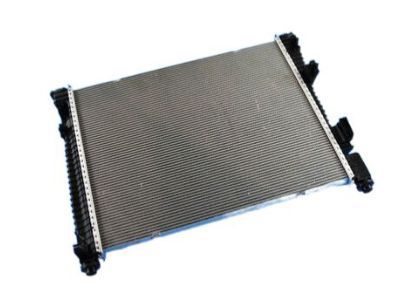
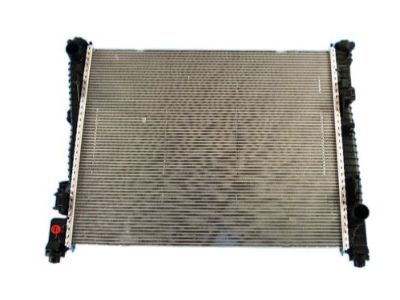
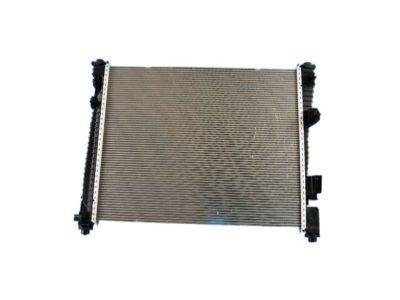
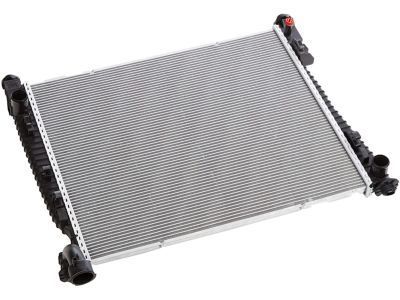
Dodge Radiator Part Number: 68244087AA
$391.17 MSRP: $592.00You Save: $200.83 (34%)Ships in 1-2 Business DaysProduct Specifications- Other Name: Radiator - Engine Cooling; Radiator Engine Cooling
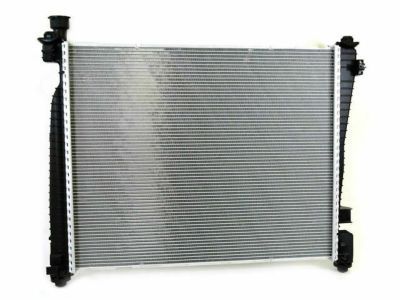
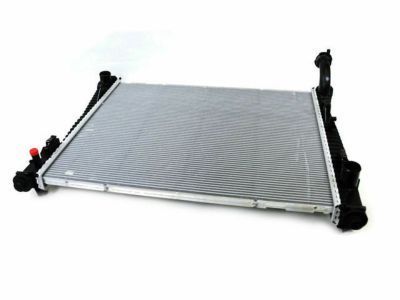
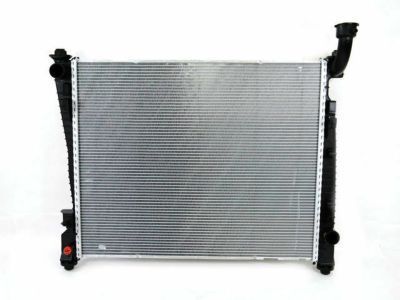
Dodge Radiator Part Number: 52014529AB
$423.22 MSRP: $641.00You Save: $217.78 (34%)Product Specifications- Other Name: Radiator - Engine Cooling; Radiator Engine Cooling, 25 Pc Min Qty, Mixture And Match Pallet Program, Order at Mopar.com.
- Replaces: 55038185AE
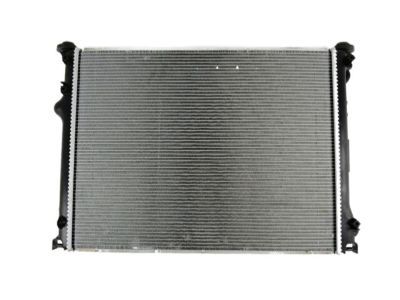
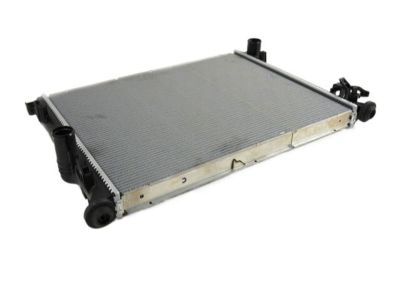
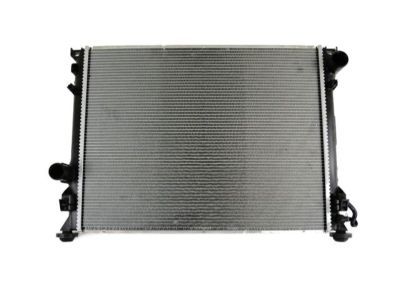
Dodge Radiator Part Number: 68050131AA
$342.55 MSRP: $516.67You Save: $174.12 (34%)Ships in 1-2 Business DaysProduct Specifications- Other Name: Radiator - Engine Cooling; Radiator Engine Cooling, 25 Pc Min Qty, Mixture And Match Pallet Program Only, Order at Mopar.com
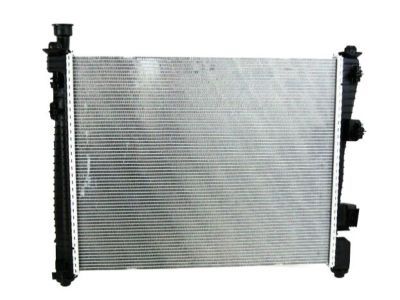
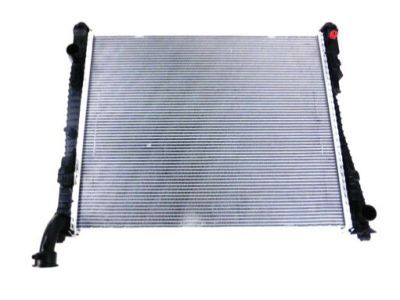
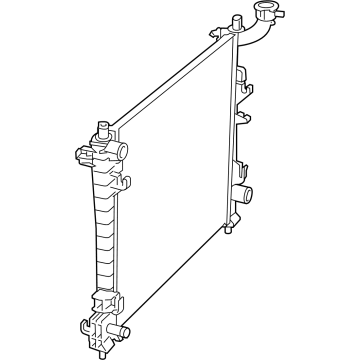
Dodge Radiator Part Number: 68232592AB
$466.31 MSRP: $705.00You Save: $238.69 (34%)Product Specifications- Other Name: Radiator - Engine Cooling; Radiator Engine Cooling
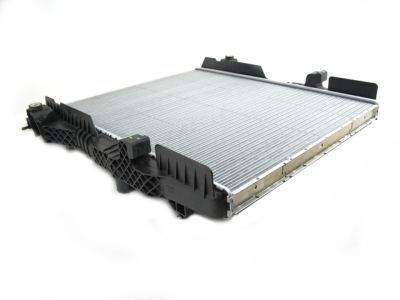
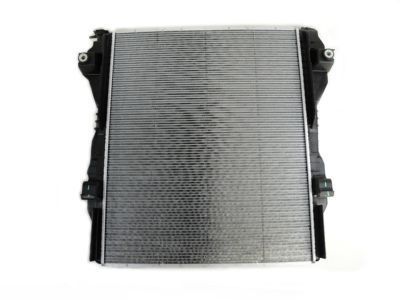
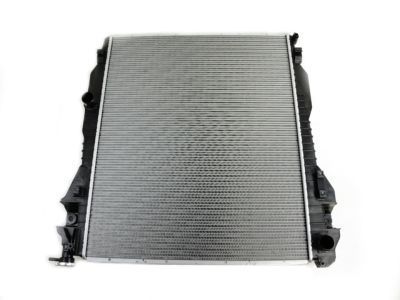
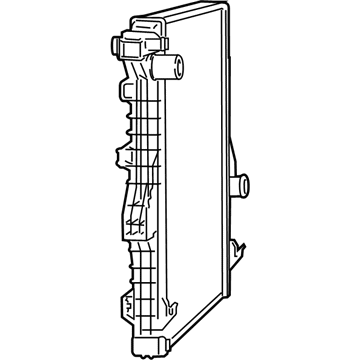
Dodge Radiator Part Number: 55057089AB
$627.64 MSRP: $947.00You Save: $319.36 (34%)Ships in 1-2 Business DaysProduct Specifications- Other Name: Radiator - Engine Cooling; Radiator Engine Cooling
- Replaces: 55057089AA
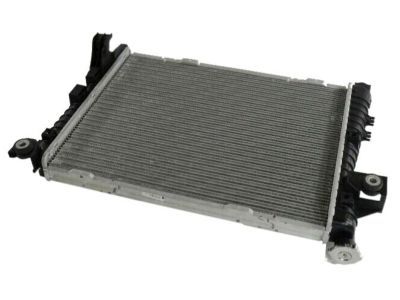
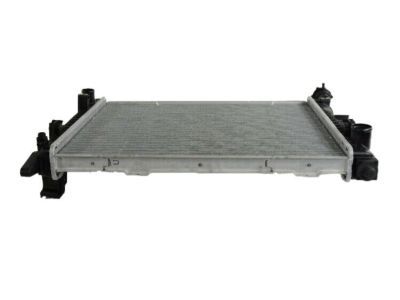
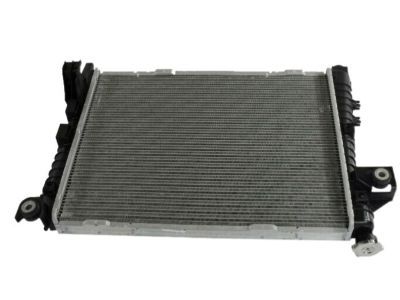
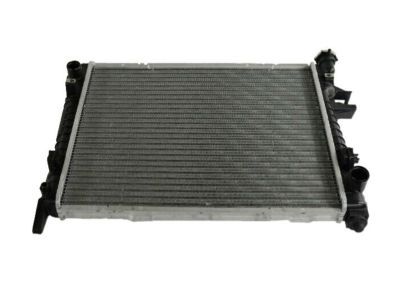
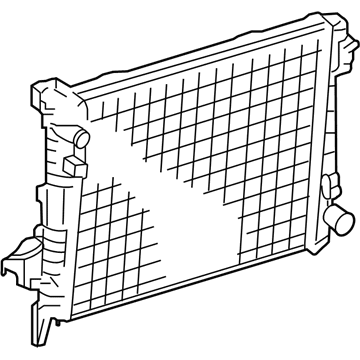
Dodge Radiator Part Number: 55056682AE
$271.92 MSRP: $400.00You Save: $128.08 (33%)Product Specifications- Other Name: Radiator - Engine Cooling; Radiator Engine Cooling
- Replaces: 55056682AD, 55056682AC
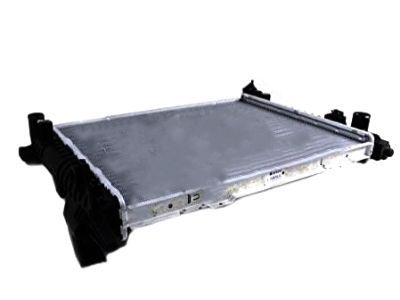
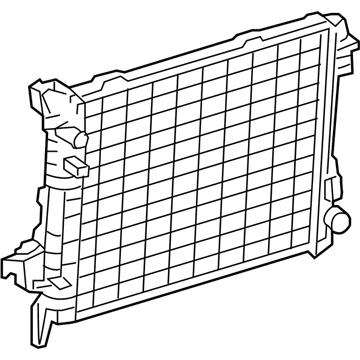
Dodge Radiator Part Number: 55056681AE
$271.92 MSRP: $400.00You Save: $128.08 (33%)Product Specifications- Other Name: Radiator - Engine Cooling; Radiator Engine Cooling
- Replaces: 55056681AD
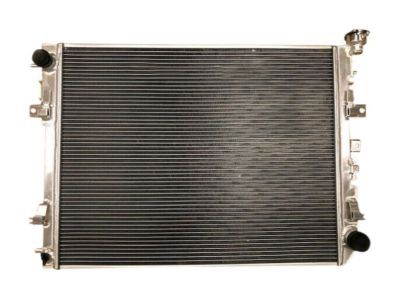
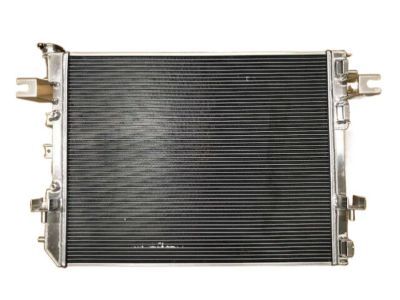
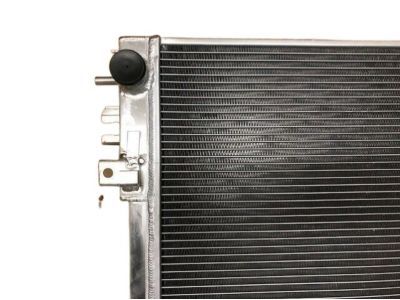
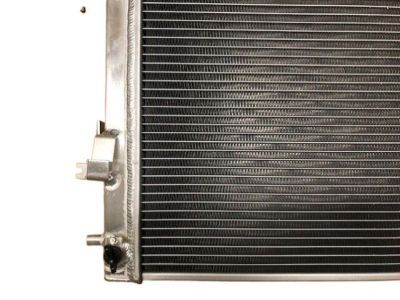
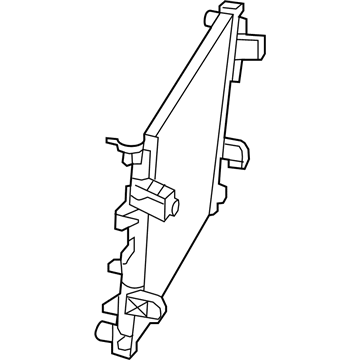
Dodge Radiator Part Number: 55056858AE
$422.51 MSRP: $615.00You Save: $192.49 (32%)Product Specifications- Other Name: Radiator - Engine Cooling; Radiator Engine Cooling
- Replaced by: 55056858AF
- Replaces: 55056858AC, 55056858AD, 55056858AB
| Page 1 of 7 |Next >
1-20 of 125 Results
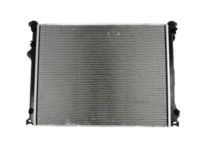
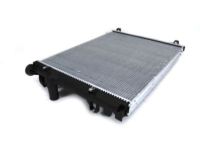
Dodge Radiator
OEM parts sourced directly from Dodge deliver superior quality, long lasting strength, and a precise fit you can trust. Each item goes through strict quality checks to ensure safety, toughness, and performance that matches your factory equipment. At JeepPartsDeal online shop, you'll get top-quality, budget-friendly OEM Dodge Radiator for your vehicle. We focus on giving you a high standard without pushing up the price. Our full selection of genuine factory products comes backed by the original manufacturer's warranty. You'll love our fast delivery, seamless shopping experience, and convenient return policy, saving you all the hassle.
Dodge Radiator also maintains engine temperatures within the safe range to ensure that power is strong each time it drives. Since its 1914 all-steel groundbreaker to the roar of the new Fratzonic Chambered Exhaust, Dodge is pounding away a distinct message of crude power and unrepentant play. The brand began as a dirty machine shop, and it never got rid of that shop mentality, replacing wrenches with HEMI blocks and Viper test tracks. Drivers receive drag-strip launch modes, donut settings and even stealth silence at a button press, and noise discipline can coexist with mayhem. Massive, audacious, and a desire to run instead of walk characterize all the Dodge badges the company etches on a grille. Electric or gas, the philosophy remains the same: deliver fireworks to the driver, and do not figure out whether to apologize or not. The Radiator is arranged in the front, with the moving air cleaning the air of coolant passing through the tubes made of fins. Lightweight aluminum cores are applied in place of larger copper or plastic assemblies, internal channels are opened up to allow the fluid to encounter less resistance, hundreds of thin fins increase surface area and, in the process, the redesign enables the Radiator to drop temperature more quickly when it is in stop-and-go traffic or during full throttle pulls. Variants of performance Radiator are equally bolted in, replacing plastic tanks with welded aluminum to bounce off spikes in pressure and leaks. That upgrade has Dodge engines within power band even when the summer asphalt shines.
Dodge Radiator Parts and Q&A
- Q:How to Remove the Radiator from an Engine Cooling System on Dodge Challenger?A:You should start by disconnecting the negative battery cable and then drain the entire cooling system to replace the engine cooling radiator. After that, take off the upper radiator hose and the upper radiator closure panels. After that, remove the radiator fan assembly. Lift the car, remove the lower splash shield and then take out the lower radiator hose. Unscrew the lower mount bolts of the condenser and bring down the vehicle. Afterwards, take out the upper radiator hose and use hand tools for the upper radiator mounting bolts as they are bolted with thread-locker. Come next, get rid of the upper radiator mounting brackets with their bolts and also separate the upper condenser mounting screws. After that, unlink the condenser from the radiator, raise the radiator toward the engine and take it out of the vehicle.
- Q:How to Effectively Remove and Install a Radiator on Dodge Charger?A:You should start by unhooking the negative battery cable and emptying the coolant from the system. After that, unhook the upper radiator hose, take off the upper radiator covers and remove the radiator fan unit. Lift the car up and remove the lower splash shield, the lower radiator hose and all bolts holding the lower condenser mount. Take out the top radiator hose after releasing the vehicle to a lower position and then use hand tools for the bolts that secure the radiator mount because of the tread locker. Disconnect the upper condenser bolts and take out the condenser mounting bolts. After that, break the condenser assembly away from the radiator. Tilt the radiator so that it sits closer to the engine, then pull it out of the vehicle. To clean the radiator fins, run cold water over them and then use compressed air on the back of the radiator when the engine is still cold. Have a look at the radiator tanks to see if there are any cracks, check the fittings are not broken or missing and watch for signs of a leak or worn seals at the connection to the radiator core. Don't forget to inspect the radiator core to identify damaged cooling fins, bent parts or lost cooling tubes. After taking the radiator to the engine compartment, fitting the rubber isolators into their mounting holes in the lower support. Install the bracket and the bolts, ensuring they're secure by tightening each bolt to 12 Nm. Rest the condenser on the radiator's side and put the upper mounting bolts in place, tighten them with a torque wrench to 6 Nm. Lower the car to install the rest of the condenser mounting bolts to 10 Nm and attach the lower radiator hose with the clamp after that. Adjust the auto, fit the radiator fan and upper radiator hose, be sure nothing blocks the accessory drive belt or engine and position the hose clamp correctly. Attach the upper radiator panels, refix the negative cable, add coolant and use the engine to ensure it gets to operating temperature; while the engine heats up, check the radiator and transmission fluid.
Related Dodge Parts
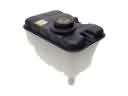 Dodge Coolant Reservoir
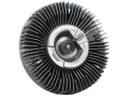 Dodge Fan Clutch
 Dodge Radiator Cap
 Dodge Radiator Drain Plug
 Dodge A/C Idler Pulley
 Dodge Coolant Pipe
 Dodge Coolant Reservoir Cap
 Dodge Cooling Fan Bracket
 Dodge Drive Belt
 Dodge Idler Pulley Bolt
 Dodge Radiator Support
 Dodge Transmission Oil Cooler Hose