JeepParts
My Garage
My Account
Cart
OEM Chrysler Power Steering Hose
Power Steering Pressure Hose- Select Vehicle by Model
- Select Vehicle by VIN
Select Vehicle by Model
orMake
Model
Year
Select Vehicle by VIN
For the most accurate results, select vehicle by your VIN (Vehicle Identification Number).
126 Power Steering Hoses found
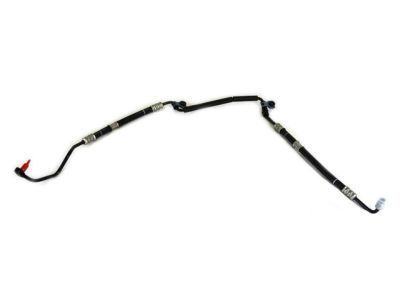
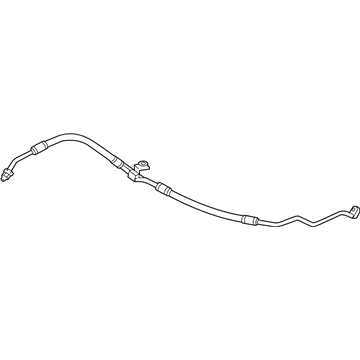
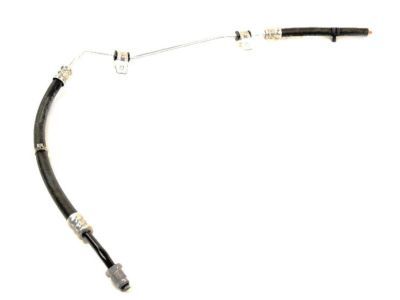
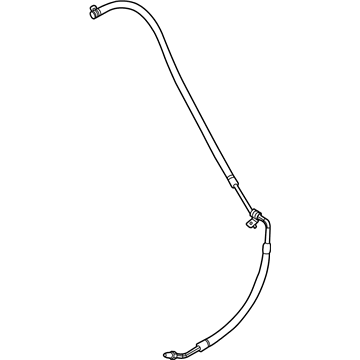
Chrysler Power Steering Pressure Hose Part Number: 4584560AH
$180.63 MSRP: $273.00You Save: $92.37 (34%)Ships in 1-2 Business DaysProduct Specifications- Other Name: Hose - Power Steering Pressure; Power Steering Hose; Pressure Hose; Return Hose; Hose Power Steering Pressure
- Replaces: 4584560AG, 4584560AF, 4584560AA, 4584560AE, 4584560AC, 4584560AB, 4584560AD
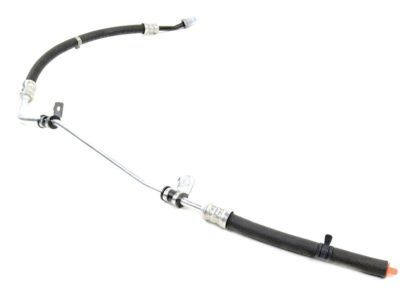
Chrysler Power Steering Return Hose Part Number: 68217585AA
$67.35 MSRP: $103.54You Save: $36.19 (35%)Product Specifications- Other Name: Hose - Power Steering Return; Power Steering Hose; Return Hose; Hose Power Steering Return
- Replaces: 4584563AC, 4584563AE, 4584563AB, 4584563AD, 4584563AA
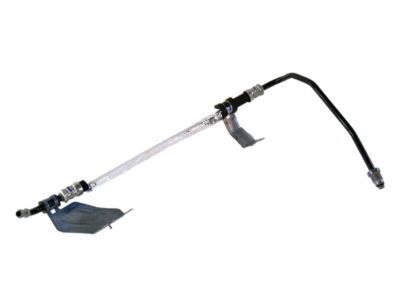
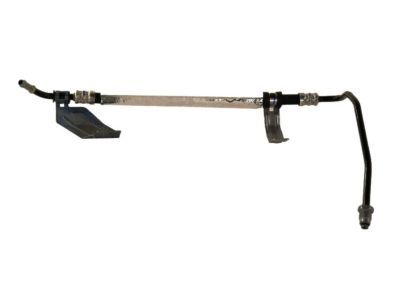
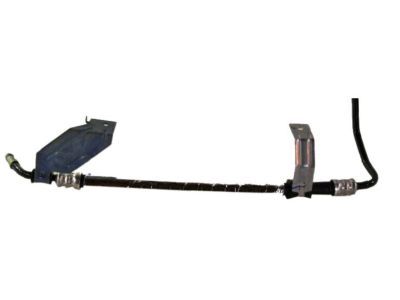
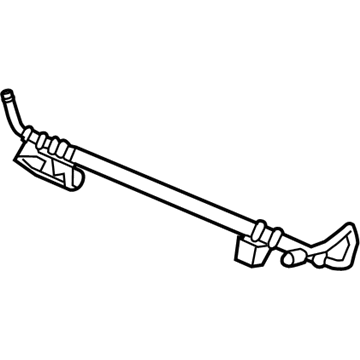
Chrysler Power Steering Return Hose Part Number: 68143978AB
$93.27 MSRP: $143.00You Save: $49.73 (35%)Ships in 1-3 Business DaysProduct Specifications- Other Name: Hose - Power Steering Return; Power Steering Hose; Return Hose; Hose Power Steering Return Includes Both Brackets; Hose Power Steering Return
- Replaces: 5085546AF, 5085546AG
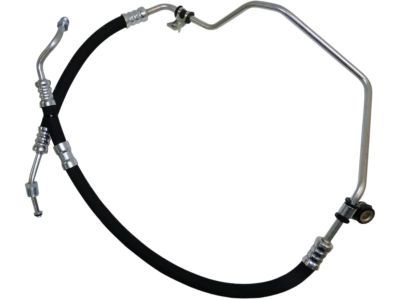
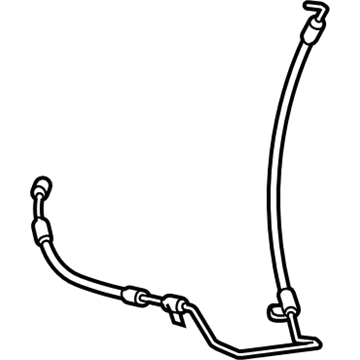
Chrysler Power Steering Pressure Hose Part Number: 4782518AI
$98.12 MSRP: $149.60You Save: $51.48 (35%)Ships in 1-2 Business DaysProduct Specifications- Other Name: Hose - Power Steering Pressure; Power Steering Hose; Pressure Hose; Lower Pressure Hose; Upper Pressure Hose
- Replaces: 4782518AG, 4782518AH, 4782518AE, 4782518AD, 4782518AC, 4782518AF
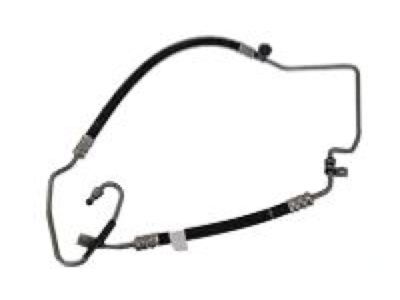
Chrysler Power Steering Pressure Hose Part Number: 68043618AD
$61.81 MSRP: $92.63You Save: $30.82 (34%)Ships in 1-3 Business DaysProduct Specifications- Other Name: Hose - Power Steering Pressure; Power Steering Hose; Pressure Hose; Lower Pressure Hose
- Replaces: 68043618AC, 68043618AA, 68043618AB
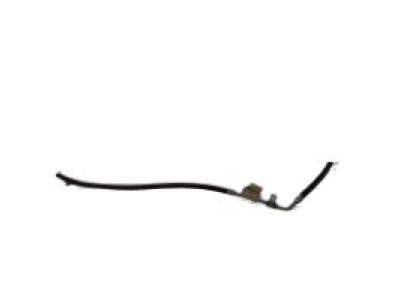
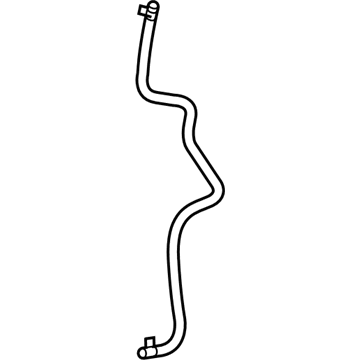
Chrysler Power Steering Pressure Hose Part Number: 4782363AF
$148.24 MSRP: $222.75You Save: $74.51 (34%)Ships in 1-2 Business DaysProduct Specifications- Other Name: Hose - Power Steering Return; Power Steering Return Hose; Power Steering Hose; Return Hose; Upper Pressure Hose; Lower Return Hose
- Replaces: 4782363AC, 4782363AD, 4782363AE
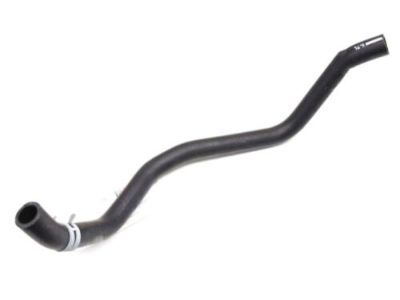
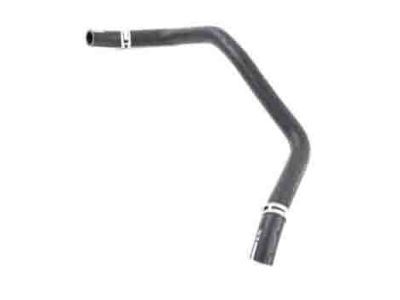
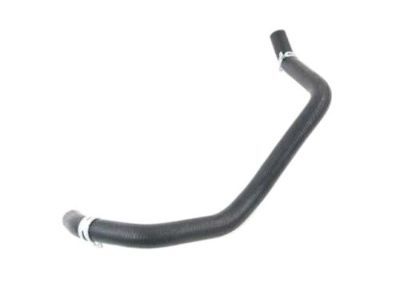
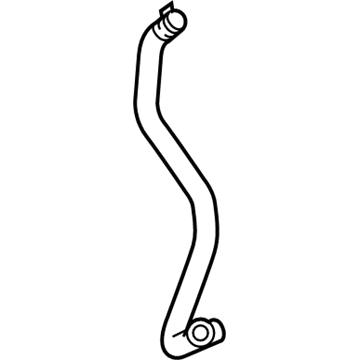
Chrysler Power Steering Pressure Hose Part Number: 4782350AC
$36.45 MSRP: $54.30You Save: $17.85 (33%)Ships in 1-2 Business DaysProduct Specifications- Other Name: Hose - Power Steering Supply; Power Steering Reservoir Hose; Power Steering Hose; Power Steering Suction Hose; Upper Return Hose; Hose Power Steering Supply Reservoir To Pump; Hose Power Steering Supply
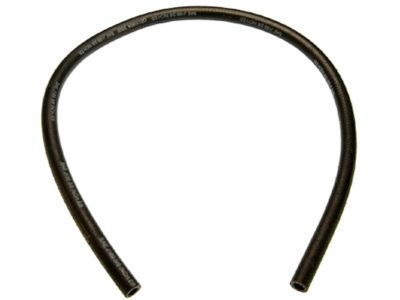
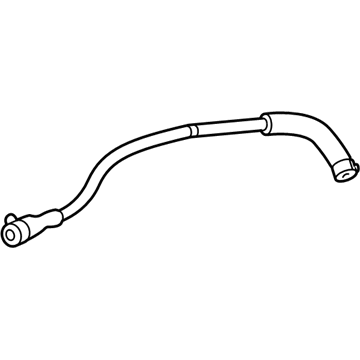
Chrysler Power Steering Return Hose Part Number: 4879218AF
$12.20 MSRP: $17.50You Save: $5.30 (31%)Ships in 1-2 Business DaysProduct Specifications- Other Name: Line - Power Steering Reservoir; Power Steering Hose; Reservoir Hose; Return Hose; Upper Return Hose
- Replaces: 4879218AD, 4879218AE
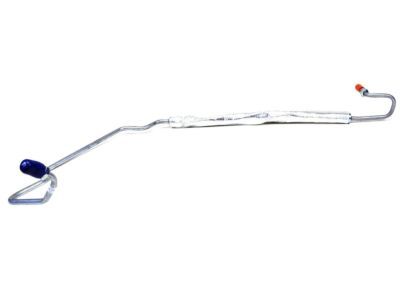
Chrysler Power Steering Pressure Hose Part Number: 4684322AB
$140.71 MSRP: $186.00You Save: $45.29 (25%)Ships in 1-2 Business DaysProduct Specifications- Other Name: Line - Power Steering Pressure; Power Steering Hose; Pressure Hose; Hose Power Steering Pressure
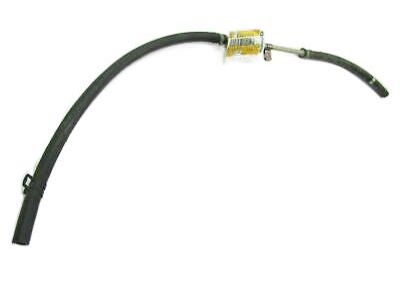
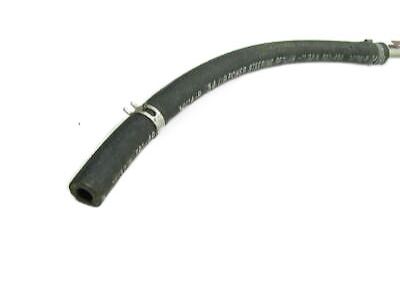
Chrysler Power Steering Return Hose Part Number: 4695829
$34.14 MSRP: $43.28You Save: $9.14 (22%)Ships in 1-2 Business DaysProduct Specifications- Other Name: Line - Power Steering Reservoir; Power Steering Hose; Reservoir Hose; Power Steering Return Tube Assembly to Reservoir (W/Bracket)
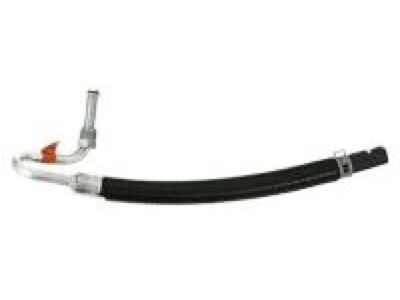
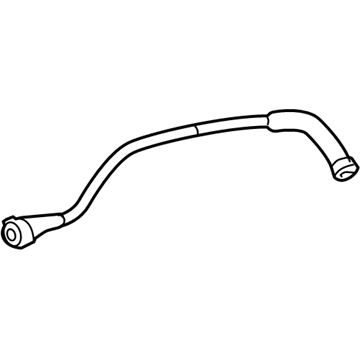

Chrysler Reservoir Hose Part Number: 4764716AI
$39.66 MSRP: $48.20You Save: $8.54 (18%)Ships in 1-2 Business DaysProduct Specifications- Other Name: Line - Power Steering Reservoir; Power Steering Reservoir Hose; Power Steering Hose; Power Steering Suction Hose
- Replaces: 4764716AH, 4764716AC, 4764716AG, 4764716AD
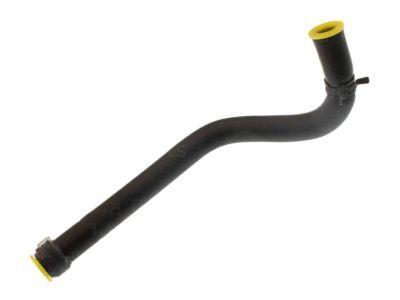
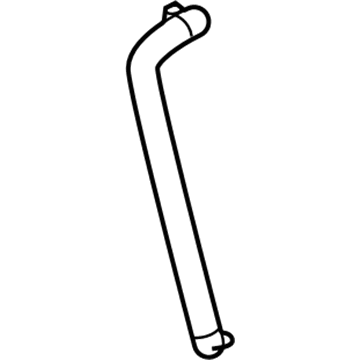
Chrysler Reservoir Hose Part Number: 4743678AC
Product Specifications- Other Name: Hose - Power Steering Reservoir; Power Steering Reservoir Hose; Power Steering Hose; Hose Power Steering Reservoir
- Replaces: 4743678AB
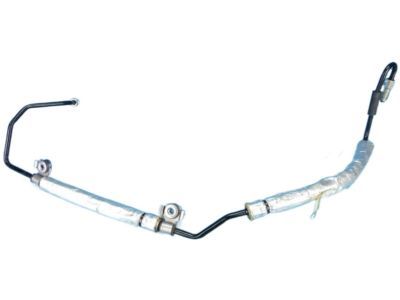
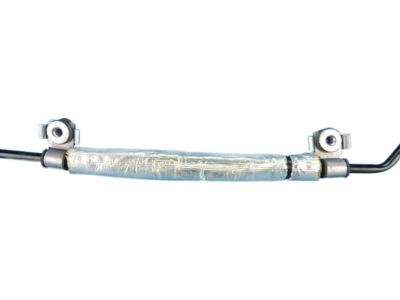
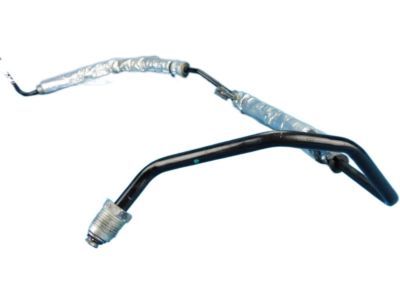
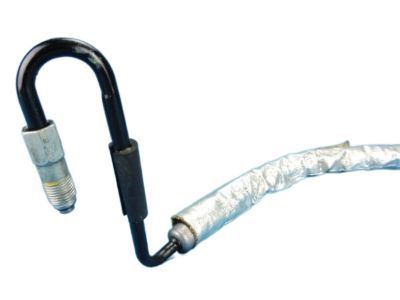
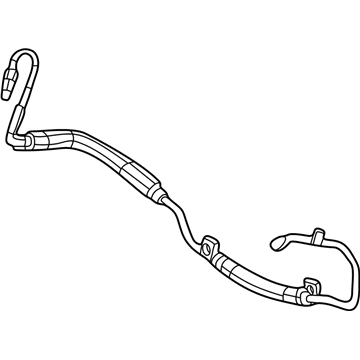
Chrysler Power Steering Pressure Hose Part Number: 5006617AH
$648.07 MSRP: $948.00You Save: $299.93 (32%)Product Specifications- Other Name: Hose - Power Steering Pressure; Power Steering Hose; Pressure Hose; Hose Power Steering Pressure Dual Lines, Pressure And Return; Hose Power Steering Pressure
- Replaces: 5006617AG, 5006617AF
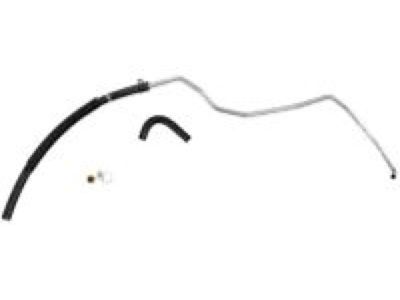
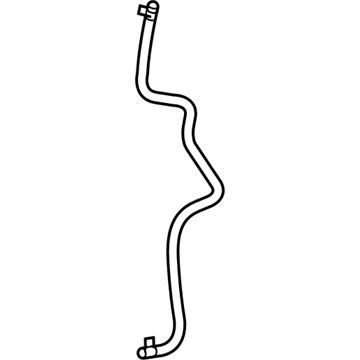
Chrysler Power Steering Return Hose Part Number: 4854545AA
Product Specifications- Other Name: Hose - Power Steering Return; Power Steering Hose; Return Hose; Upper Pressure Hose; Lower Return Hose; Hose Power Steering Return
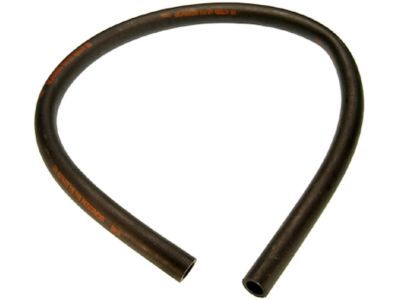
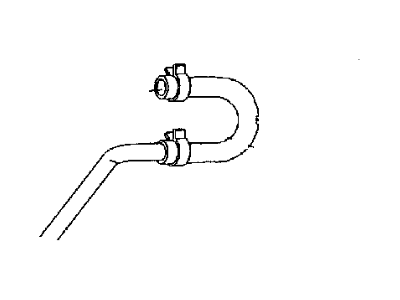
Chrysler Inlet Hose Part Number: 4815332AC
Product Specifications- Other Name: Line - Power Steering; Power Steering Hose; Hose Power Steering Return, Reservoir To Pump; Hose Power Steering Reservoir To Pump
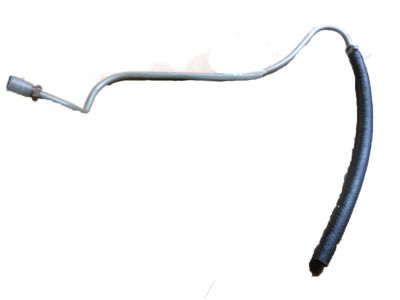
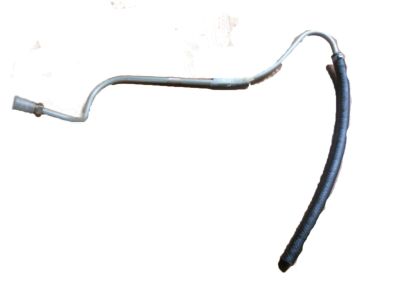
Chrysler Power Steering Return Hose Part Number: 4684325
Product Specifications- Other Name: Line - Power Steering Return; Power Steering Hose; Return Hose; Hose Assembly, Power Steering Return; Hose Power Steering Return
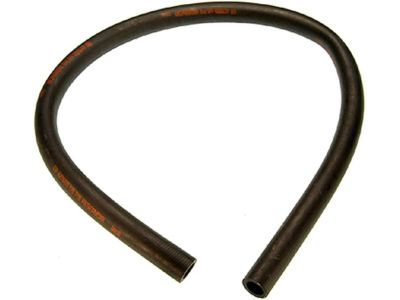
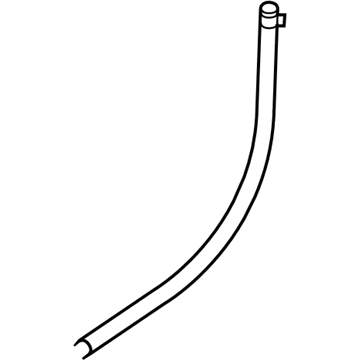
Chrysler Power Steering Return Hose Part Number: 52855323AB
Product Specifications- Other Name: Line - Power Steering Return; Power Steering Hose; Lower Return Hose; Upper Return Hose; Hose Power Steering Return
- Replaces: 52855323AA
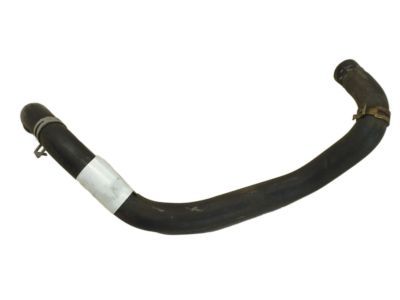
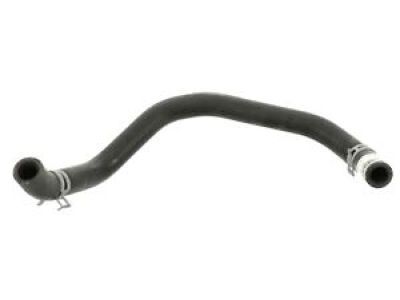
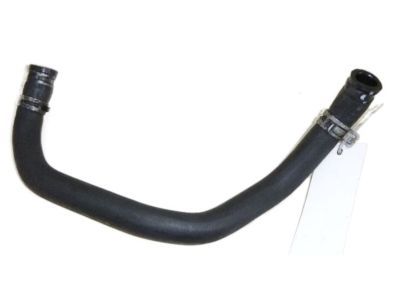
Chrysler Power Steering Suction Hose Part Number: 4782348AC
Product Specifications- Other Name: Hose - Power Steering Supply; Power Steering Reservoir Hose; Power Steering Hose; Upper Return Hose; Hose Power Steering Supply
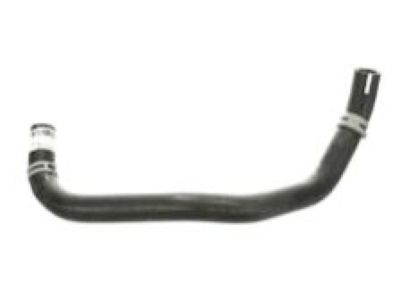
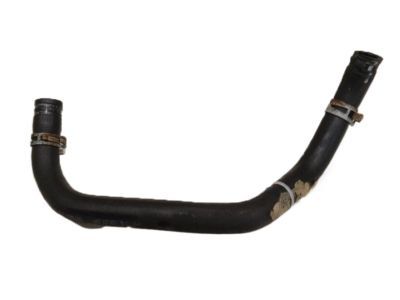
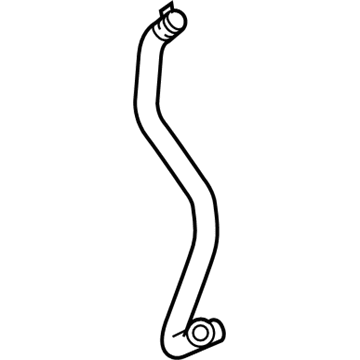
Chrysler Power Steering Suction Hose Part Number: 4782349AC
Product Specifications- Other Name: Hose - Power Steering Supply; Power Steering Reservoir Hose; Power Steering Hose; Upper Return Hose; Hose Power Steering Supply
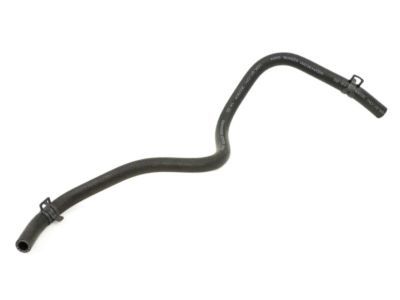
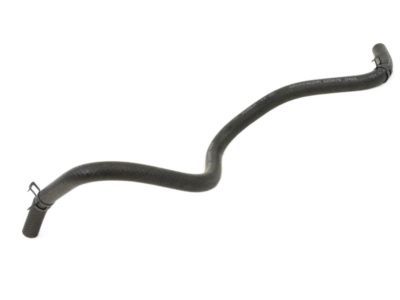

Chrysler Power Steering Return Hose Part Number: 68044362AA
Product Specifications- Other Name: Hose - Power Steering Return; Power Steering Hose; Upper Pressure Hose; Lower Return Hose; Hose Power Steering Return Cooler To Reservoir; Hose Power Steering Return
| Page 1 of 7 |Next >
1-20 of 126 Results
Chrysler Power Steering Hose
OEM parts sourced directly from Chrysler deliver superior quality, long lasting strength, and a precise fit you can trust. Each item goes through strict quality checks to ensure safety, toughness, and performance that matches your factory equipment. At JeepPartsDeal online shop, you'll get top-quality, budget-friendly OEM Chrysler Power Steering Hose for your vehicle. We focus on giving you a high standard without pushing up the price. Our full selection of genuine factory products comes backed by the original manufacturer's warranty. You'll love our fast delivery, seamless shopping experience, and convenient return policy, saving you all the hassle.
Chrysler Power Steering Hose guided the fluids under pressure to ensure that drivers can easily turn the wheel by pressing the lever. Chrysler Power Steering Hose is another evidence of the fact that the badge continues to pursue comfort, just as Floating Power cut severe vibration and the bold Airflow channeled cleaner wind paths, all geared toward keeping the ordinary driving experience relaxed, confident, and coolly uncomplicated. Chrysler Power Steering Hose fits in a row that has already been providing families the first practical minivan, matrimonial spacious cabins to tight handling, and purchase choices that are painless since they give honest value rather than glittering promises. The brand maintains low stress through combining hard-ride feel, intelligent interior ratios, and real-world usefulness, and thus, passengers can securely pack their bags in a small amount of time, relax in comfortable seats, and ride highways with creaking noises as with lower-end cars. Chrysler Power Steering Hose follows a similar design, with a rubber high-pressure line that is supported by steel to convey hydraulic force provided by an engine-driven pump to the steering gear and a corresponding return line that releases pressure and directs fluid downward while flexing sections absorb engine rock and tight routing requirements within the bay. Chrysler Power Steering Hose also eliminates leaks using factory-crimped fittings which snap in place on both ends, as an unrestricted seal would increase the effort to turn the steering wheel and allow the pump whine to be deafening. The loss of fluid is reflected in puddles, slower turns at parking speeds, and the familiar groan that there is a loss of fluid.
Chrysler Power Steering Hose Parts and Q&A
- Q:How to Service and Repair a Power Steering Hose from the Cooler to the Reservoir on Chrysler 300?A:The first thing to do is remove the battery negative cable from the battery, isolating it for the task. Suck the power steering fluid from the pump reservoir before you take out the air cleaner housing and inlet tube to the throttle body. After that, unhook the hose clamp and take off the return hose at the reservoir. Open your bonnet, remove the upper radiator panels, release the hose clamp and disconnect the end of the return hose from the cooler. Unclip the return hose from the headlamp mounting crossmember and then pulled the cooler end of the hose into the engine bay to remove it.
- Q:How to Install a Power Steering Hose on Chrysler Town & Country?A:To fix the pressure hose, take its pump end and gently push it up through the engine bay, screwing it onto the rear of the front suspension crossmember. Support the vehicle by lifting it up. Prior to joining the power steering pressure hose to the power steering gear, first clean the area with a lint-free cloth and place a new, clean O-ring on the new hose, lubricating it with power steering fluid. Pull the pressure hose into the power steering gear port, then screw in the tube nut but don't tighten it yet. Clamp the routing mounts to the rear of the front suspension crossmember and fasten the screws by setting them at 71 in. lbs. Set another routing clamp on the crossmember's right side, then tighten the screw to 8 Nm or about 71 in. lbs. Adjust the steering gear pressure hose tube nut to 31 Nm (23 ft. lbs.) and then lower your vehicle. Send the hose over the engine to the pump, close the routing clamp on the right side under the engine hood and tighten the screw to 10 Nm (89 in. lbs.). Put another routing clamp on the intake manifold and snug the head mounting screw to 28 Nm (21 ft. lbs.). Put the alternator bracket onto the alternator and stud, bolt it upright and tighten the alternator bracket nut and bolt to 28 Nm (21 ft. lbs.). Before linking the pressure hose, replace the O-ring and treat it with clean power steering fluid. Attach the pressure hose to the pump fitting, turn the tube nut onto the fitting and tighten to 31 Nm or 23 ft. lbs. Replace the housing cover and hose in the air cleaner and then link the negative battery cable to the negative post. After that, run the power steering system and check it again for possible leaks.
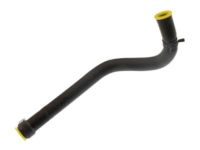
Related Chrysler Parts
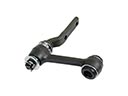 Chrysler Idler Arm
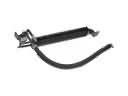 Chrysler Power Steering Cooler
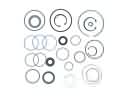 Chrysler Power Steering Gear Seal
 Chrysler Rack & Pinion Bushing
 Chrysler Rack and Pinion Boot
 Chrysler Radius Heat Shield
 Chrysler Steering Column Seal
 Chrysler Steering Gear Box
 Chrysler Steering Shaft
 Chrysler Tie Rod
 Chrysler Tie Rod Bushing
 Chrysler Tie Rod End